Air Freight for Amazon FBA: Speed Justifies the Cost

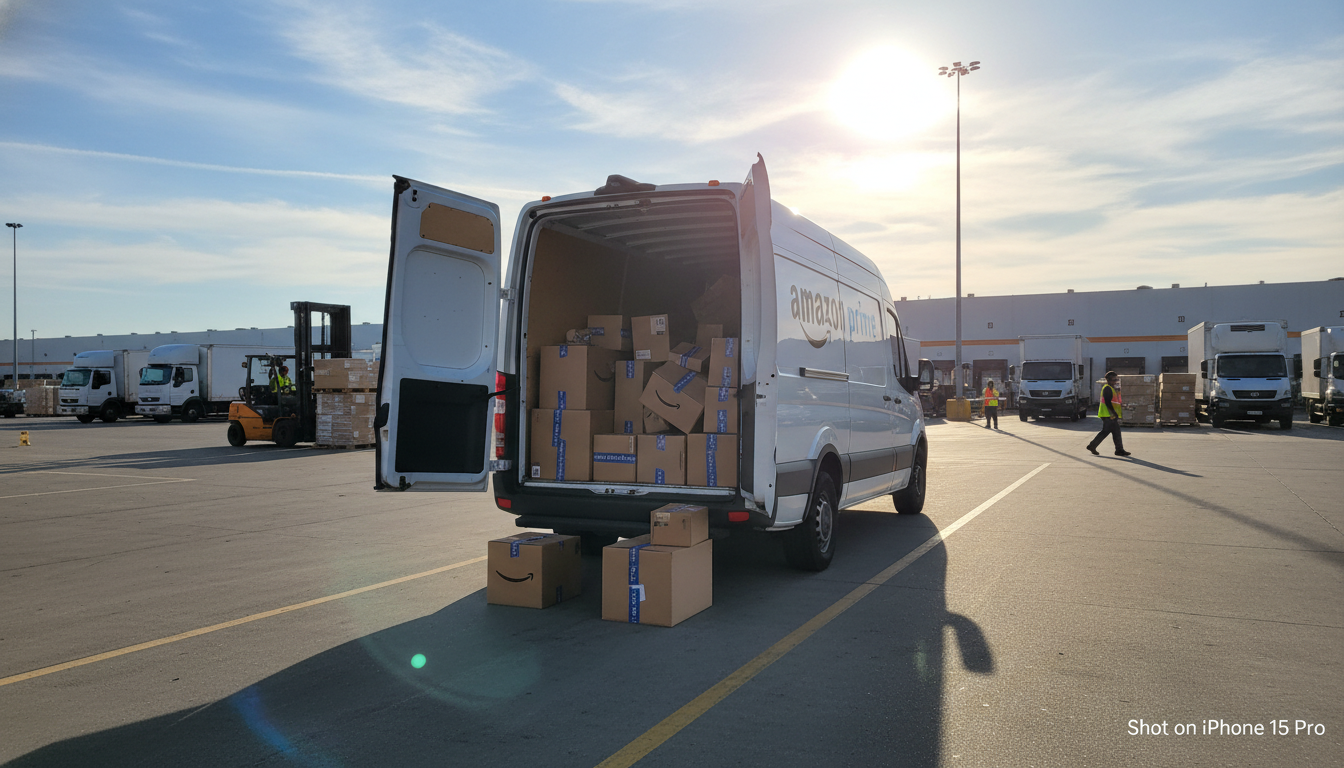
Is speed worth the premium in the competitive world of Amazon FBA? For ambitious sellers striving to capture market share, the answer is a resounding yes. Air freight offers unparalleled advantages, significantly reducing shipping times from weeks to mere days. This method is not just about faster delivery; it enhances inventory management and customer satisfaction. In this post, we will explore how air freight can transform your logistics strategy, justifying the costs associated with it. Understanding these dynamics can empower sellers to make informed decisions that drive success in their Amazon businesses.
Air Freight for Amazon FBA: Speed Justifies the Cost
Air freight is crucial for timely deliveries to Amazon FBA warehouses. This shipping method is significantly faster than sea freight, often reducing shipping times from weeks to days. For Amazon sellers, the ability to quickly restock inventory or launch new products can be a decisive factor in maintaining competitive advantage in the marketplace.
Key advantages of air freight for Amazon FBA include:
- Faster transit times: Shipments can reach their destination in as little as 1-5 days, compared to sea freight, which can take several weeks.
- Reliability in urgent situations: Air freight is less susceptible to delays caused by weather or port congestion, providing a more dependable option for time-sensitive shipments.
- Reduced inventory holding costs: Faster shipping reduces the amount of inventory needed on hand, lowering storage costs and minimizing the risk of overstocking.
- Lower risk of stockouts: Quick replenishment capabilities help ensure that popular items remain available, minimizing lost sales opportunities.
- Enhanced customer satisfaction: Timely deliveries improve customer experiences and can lead to higher ratings and repeat business.
Utilizing air freight is an effective strategy for Amazon FBA sellers who prioritize speed and reliability, making it a valuable investment for those looking to maximize their operational efficiency and customer satisfaction.
Cost Comparison of Air Freight vs. Sea Freight
The cost of air freight can be 4-6 times higher than that of sea freight, making it essential for Amazon FBA sellers to weigh the benefits against the costs. While sea freight is more economical for bulk shipments, air freight offers unmatched speed, which can be critical for maintaining inventory levels and capitalizing on market opportunities.
Cost Comparison Table
| Shipping Method | Average Cost per kg | Average Transit Time | Ideal Use Cases |
|---|---|---|---|
| Air Freight | $5 – $12 | 1 – 5 days | Urgent shipments, new product launches |
| Sea Freight | $0.5 – $2 | 20 – 40 days | Bulk shipments, non-urgent deliveries |
Situations Where Air Freight is Worth the Premium
- Seasonal demand peaks: During high-demand seasons, such as holidays or special events, the risk of stockouts increases. Air freight allows sellers to quickly replenish inventory and meet customer demand.
- New product launches: For launching new products, speed is essential to capture market share before competitors. Air freight enables sellers to get products into fulfillment centers faster, allowing for timely promotional campaigns.
- Urgent restocking needs: If a product becomes unexpectedly popular or experiences a surge in sales, air freight provides a rapid solution to ensure that stock levels do not fall below critical thresholds.
Understanding the cost dynamics and scenarios where air freight is justified allows Amazon FBA sellers to make informed decisions that align with their business strategy and operational needs.
Scenarios Where Speed is Crucial
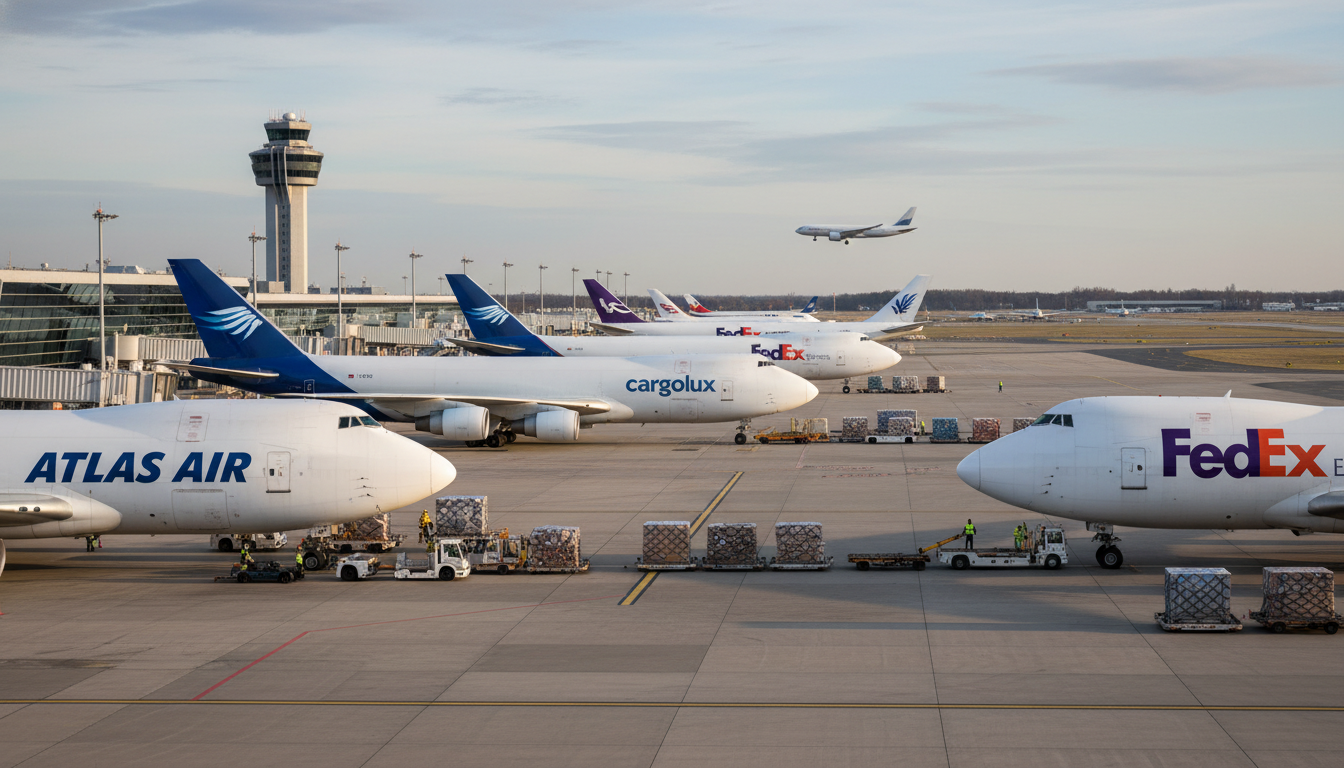
Critical scenarios for air freight include peak seasons, urgent product launches, and replenishment of popular items. In the competitive landscape of Amazon selling, the ability to respond quickly to market demands can significantly impact sales performance and customer satisfaction. Below are specific situations where speed becomes essential for Amazon FBA sellers:
- Seasonal demand peaks: The holiday season or special sales events often lead to surges in demand. Air freight allows sellers to quickly restock popular items, ensuring they do not miss out on sales opportunities during these critical times.
- New product launches: Timeliness is vital when introducing new products to the market. Air freight facilitates rapid delivery to fulfillment centers, allowing sellers to capitalize on initial consumer interest and gain market traction before competitors.
- Urgent replenishment of best-selling items: When a product unexpectedly sells out, swift replenishment is necessary to avoid stockouts. Air freight can deliver additional inventory within days, helping maintain sales momentum and customer satisfaction.
- Time-sensitive promotional campaigns: Marketing campaigns often rely on timely product availability to maximize impact. Air freight enables sellers to ensure that promotional items are in stock and ready for customers when campaigns launch.
- Emergency restocking during supply chain disruptions: Unforeseen events such as port congestion or factory delays can disrupt supply chains. Air freight serves as a quick solution for urgent restocking needs, mitigating the risk of lost sales due to inventory shortages.
Tips for Optimizing Air Freight for FBA
To ensure that Amazon FBA sellers maximize the benefits of air freight while managing costs effectively, it is crucial to implement best practices. Below are actionable tips that can enhance efficiency and cost-effectiveness in air freight operations.
- Negotiate rates with multiple carriers: Sellers should obtain quotes from various air cargo carriers to compare rates and services. Building relationships with several carriers can lead to better pricing and service options.
- Choose a reliable air freight forwarder: Selecting a forwarder with a proven track record in e-commerce logistics is essential. A knowledgeable forwarder can assist in navigating customs regulations and provide valuable insights into optimizing shipping routes.
- Ensure proper packaging to prevent damage: Using appropriate packaging materials and methods is critical for safeguarding products during transit. This reduces the risk of damage claims and ensures that goods arrive in sellable condition.
- Keep documentation organized for customs clearance: Proper documentation is vital to avoid delays at customs. Sellers should prepare all necessary paperwork, such as commercial invoices and packing lists, ensuring they are accurate and readily accessible.
- Utilize tracking tools for shipment visibility: Implementing tracking systems allows sellers to monitor shipments in real-time, providing updates on transit status. This visibility helps manage customer expectations and address any potential issues promptly.
By following these tips, Amazon FBA sellers can optimize their air freight processes, ensuring that they leverage the speed of air shipping while maintaining cost efficiency.

Impacts on Inventory Management and Sales
Effective air freight management can significantly enhance inventory control and boost sales performance for Amazon FBA sellers. By leveraging air freight’s speed, sellers can more effectively respond to market demands, ultimately leading to better overall business outcomes.
Impacts of air freight on inventory management and sales:
- Balancing inventory levels to meet demand: Air freight allows sellers to adjust their inventory more dynamically, ensuring they have enough stock on hand to satisfy customer needs without overcommitting to excess inventory.
- Enhancing sales velocity through timely deliveries: Fast shipping reduces the time it takes for products to reach customers, leading to quicker sales turnover and improved cash flow.
- Improving customer satisfaction with faster shipping: Customers increasingly expect rapid delivery times. Air freight can meet these expectations, leading to higher satisfaction ratings and repeat purchases.
- Reducing stockouts and associated losses: Quick replenishment capabilities help avoid stockouts, which can result in lost sales and damage to seller reputations. Air freight mitigates these risks by ensuring products are available when customers want them.
- Optimizing cash flow by shortening lead times: Shorter shipping times mean sellers can receive payments faster after sales, improving cash flow management and allowing for reinvestment into the business.
By integrating air freight into their logistics strategy, Amazon sellers can significantly enhance their inventory management and sales effectiveness, positioning themselves for sustained growth in a competitive marketplace.
Case Studies and Real-World Examples
Real-world examples illustrate how Amazon FBA sellers successfully leveraged air freight to gain a competitive advantage. These case studies highlight effective strategies, showcasing the direct impact of air freight on sales and inventory management.
Case Study Highlights
- Seller A: This seller operated in the consumer electronics niche and utilized air freight during the holiday season. By prioritizing speed, they managed to boost sales by 30% compared to the previous year. The timely replenishment of stock ensured that they met high customer demand, capitalizing on seasonal trends.
- Seller B: Focusing on a new product launch in the health and wellness category, this seller opted for air freight to achieve rapid market penetration. Their decision to ship via air freight allowed them to have products available on Amazon just days after production, leading to strong initial sales and positive reviews that created momentum.
- Seller C: This seller faced frequent stockouts due to unpredictable demand in the home goods market. By implementing air freight strategies, they reduced lead times and improved inventory turnover. This proactive approach to replenishment not only increased customer retention but also enhanced overall sales performance.
Key Lessons Learned
- Importance of planning for seasonal demands: Understanding peak seasons and preparing inventory accordingly is crucial. Sellers who anticipate demand spikes and act swiftly can significantly improve their sales outcomes.
- Need for strategic partnerships with freight forwarders: Collaborating with experienced freight forwarders ensures that sellers can navigate logistics challenges effectively. These partnerships can provide valuable insights into the best air freight options.
- Benefits of real-time tracking and visibility: Utilizing tracking tools enables sellers to monitor shipments closely, allowing them to make informed decisions and respond quickly to any delays or issues. This visibility is essential for maintaining customer satisfaction and operational efficiency.
Final Words
Final Words
Understanding air freight for Amazon FBA is essential for sellers aiming to enhance their logistics strategy. This article explored air freight’s advantages, including faster transit times and improved customer satisfaction.
A detailed cost comparison showed that while air freight is more expensive, it can be justified during critical scenarios like seasonal peaks or urgent restocking.
By optimizing air freight logistics through negotiation and reliable partnerships, sellers can significantly improve inventory management and overall sales performance. Embracing air freight for Amazon FBA means prioritizing speed and efficiency—when speed justifies the cost, sellers can thrive in a competitive marketplace.
FAQ
Q: What is air freight for Amazon FBA?
A: Air freight for Amazon FBA involves shipping products via air to ensure timely deliveries, significantly reducing shipping times compared to sea freight.
Q: What are the key advantages of air freight for Amazon FBA?
A: Key advantages include faster transit times, reliability in urgent situations, reduced inventory holding costs, lower risk of stockouts, and enhanced customer satisfaction.
Q: How does air freight cost compare to sea freight?
A: Air freight costs can be 4-6 times higher than sea freight, making it essential for sellers to consider the benefits against the premium price.
Q: In what scenarios is air freight worth the premium?
A: Air freight is justified during seasonal demand peaks, new product launches, urgent restocking needs, and time-sensitive promotional campaigns.
Q: What tips can optimize air freight for FBA?
A: Tips include negotiating rates, selecting reliable freight forwarders, ensuring proper packaging, organizing documentation for customs, and utilizing tracking tools.
Q: How does air freight impact inventory management and sales?
A: Effective air freight management can balance inventory, enhance sales velocity, improve customer satisfaction, reduce stockouts, and optimize cash flow by shortening lead times.
Q: What can be learned from case studies on air freight?
A: Case studies reveal the importance of planning for seasonal demands, strategic partnerships with freight forwarders, and the benefits of real-time tracking for competitive advantage.
Ready to Optimize Your Amazon Shipping?
Get 3 route options tailored to your products and timeline
Get Your Quote→