Amazon Brand Registry: The Complete Guide for US Sellers
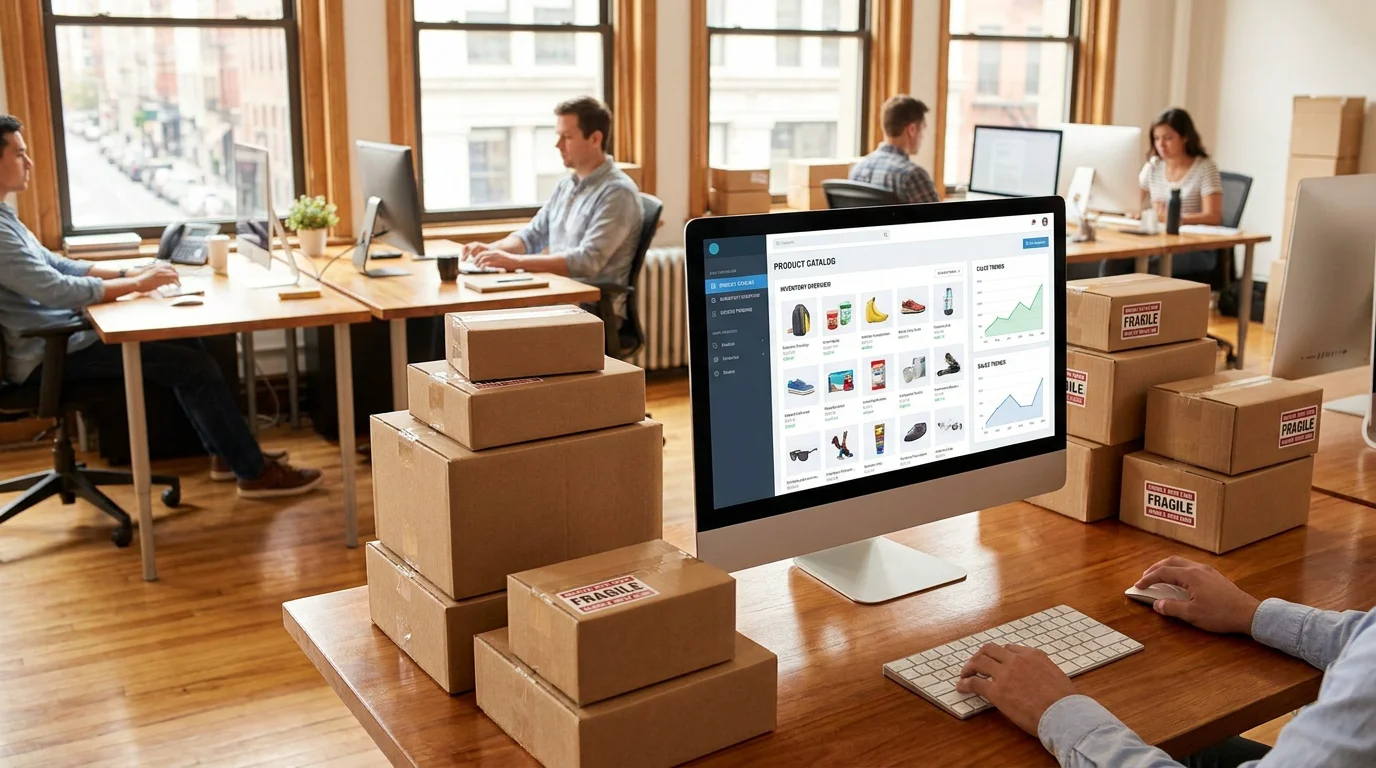
Summary: Amazon Brand Registry is a free program that protects intellectual property and unlocks exclusive growth tools; over one million brands are enrolled globally as of 2026.
More than 15 million counterfeit products were seized worldwide in 2025 alone, according to Amazon’s Trustworthy Shopping Experience Report published in April 2026. For sellers who source products internationally and invest heavily in building a private label, that number is not abstract; it is a direct threat to revenue and reputation. The Amazon Brand Registry exists precisely to counter that threat, and understanding how it works is essential for anyone learning how to sell on Amazon in the US market.
This program gives trademark owners control over product listings, access to enhanced content tools, and eligibility for advanced anti-counterfeit systems. Whether you are launching your first product or managing a growing catalog, enrollment is the foundation on which every other brand strategy rests. Below, you will find everything you need to know: eligibility requirements, enrollment steps, the tools you unlock, the latest feature updates, and practical advice for protecting your brand long term.
What Is the Amazon Brand Registry and Why Does It Matter?
Amazon Brand Registry is a free enrollment program designed for trademark owners. It connects your intellectual property to Amazon’s systems so you receive priority authority over your product listings, access to reporting tools, and eligibility for marketing features that are otherwise unavailable. The program originally launched in 2017 and has since grown into one of the most widely adopted seller programs on the platform.
The scale of the problem it addresses is significant. In 2024, Amazon blocked more than 99% of suspected infringing listings before brands reported them and seized over 15 million counterfeit products worldwide. According to Amazon’s 2024 Brand Protection Report, the platform invested over $1 billion in brand protection and employed thousands of specialists dedicated to fighting counterfeits. Without enrollment, you have limited recourse when unauthorized sellers alter your titles, swap your images, or undercut your pricing with counterfeit goods.
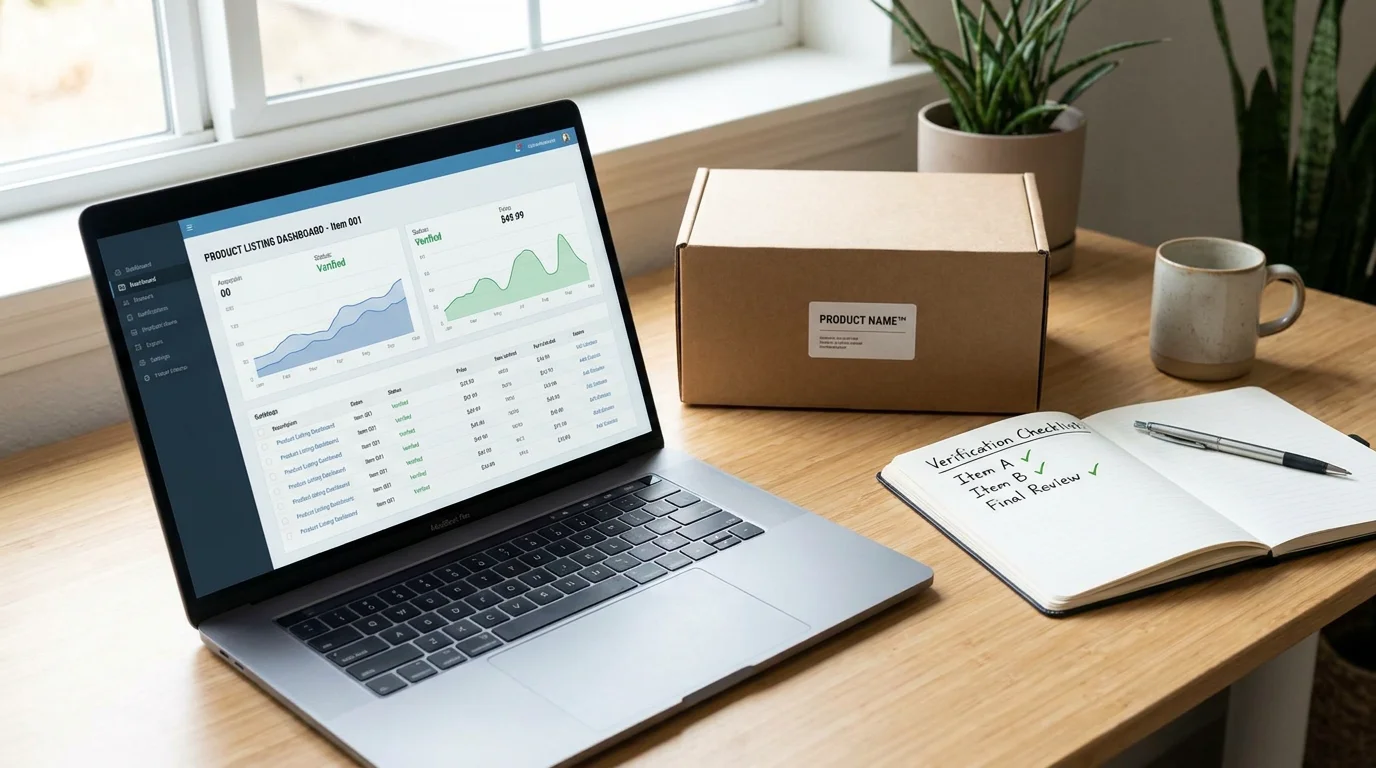
According to Amazon’s latest Brand Protection Report, more than one million brands are enrolled in Amazon Brand Registry globally, and enrolled brands experience a 99 percent reduction in suspected counterfeit listings. For US sellers specifically, enrollment is the gateway to every advanced brand tool Amazon offers, from A+ Content to Sponsored Brands advertising.
Eligibility Requirements You Must Meet
Before you begin the application, confirm that you meet every requirement. Missing even one can delay or reject your submission.
- Active trademark: You need a registered trademark or a pending trademark application filed with a recognized government intellectual property office. Amazon now broadly accepts pending trademark applications for Brand Registry, as long as they are from supported IP offices and have the application number.
- Text-based mark: Amazon accepts word marks and design marks that include words, letters, or numbers. Pure logo marks without text do not qualify.
- Exact brand name match: The brand name on your application must match the trademark text precisely. Capitalization differences are acceptable, but spaces and symbols must align.
- Permanent branding on products: You must provide photographs showing your brand name permanently affixed to the product or its packaging. Printing, engraving, embossing, and laser etching all qualify. Stickers, hang tags, and mockups do not.
- Product categories: You will select the categories in which your brand sells.
- Distribution information: Amazon asks where customers can see or buy your products, including website or retail details.
If you do not yet have a trademark, Amazon’s IP Accelerator program connects you with vetted legal service providers who can file on your behalf. Brands that file through IP Accelerator gain faster access to Brand Registry benefits while the trademark is still pending. The USPTO base filing fee starts at $350 per class.
Step-by-Step Enrollment Process
Enrollment itself is straightforward when your documentation is complete. Here is the process:
- Sign in to Brand Registry. Visit the Brand Registry portal and log in using the credentials associated with your Amazon seller account. If you use Seller Central or Vendor Central, the same credentials apply.
- Submit trademark and brand details. Enter your trademark registration or application number, your brand name (matching the trademark text exactly), and your product categories. Upload clear photographs showing permanent branding on your product or packaging.
- Complete verification. Amazon will send a verification code to the public contact on your trademark registration; you need to submit that code within 10 days of receiving it or your application closes.
- Wait for approval. When your trademark details, product images, and account information align perfectly, approval can take as little as 2 to 10 business days.
Common reasons for delays include a mismatch between the brand name and trademark text, photos showing removable labels instead of permanent branding, and applications submitted by someone other than the trademark owner. A simple pre-application audit of your trademark, listings, images, and account details can prevent unnecessary delays.
Tools and Benefits You Unlock After Enrollment
Once approved, Brand Registry opens an entire ecosystem of tools that directly affect conversion, visibility, and protection.
Enhanced Content and Storefront
A+ Content lets you replace standard product descriptions with rich media layouts, including comparison charts, enhanced images, and videos. According to Amazon, basic A+ Content can increase sales by up to 8%, and well-implemented Premium A+ Content can increase sales by up to 20%. You also gain the ability to build a custom Brand Store, a free, multi-page storefront that does not require coding experience.
Advertising and Marketing
Brand Registry unlocks Sponsored Brands campaigns, which feature multiple products and your brand logo in search results. You also gain access to Sponsored Display, Amazon Posts, and Amazon Live. These advertising formats are exclusive to enrolled brands and provide visibility advantages that non-registered sellers simply cannot access.
Analytics and Data
Brand Analytics provides search term reports, purchase behavior data, and competitive benchmarking. You gain search term reports and evaluations of brand performance, along with enhanced insights through Brand Analytics such as share of voice and repeat purchase data. The Manage Your Experiments tool lets you A/B test listing content to identify what drives more clicks and conversions.
Review Generation
Amazon Vine, available exclusively to Brand Registry members, allows you to generate high-quality product reviews from trusted reviewers. This is particularly valuable during product launches when you need early social proof to build momentum.
Brand Protection: The Layered Defense System
Protection is not a single feature; it is a stack of overlapping tools that each address a different type of threat. Understanding these layers is critical for sellers who ship inventory from overseas manufacturers.
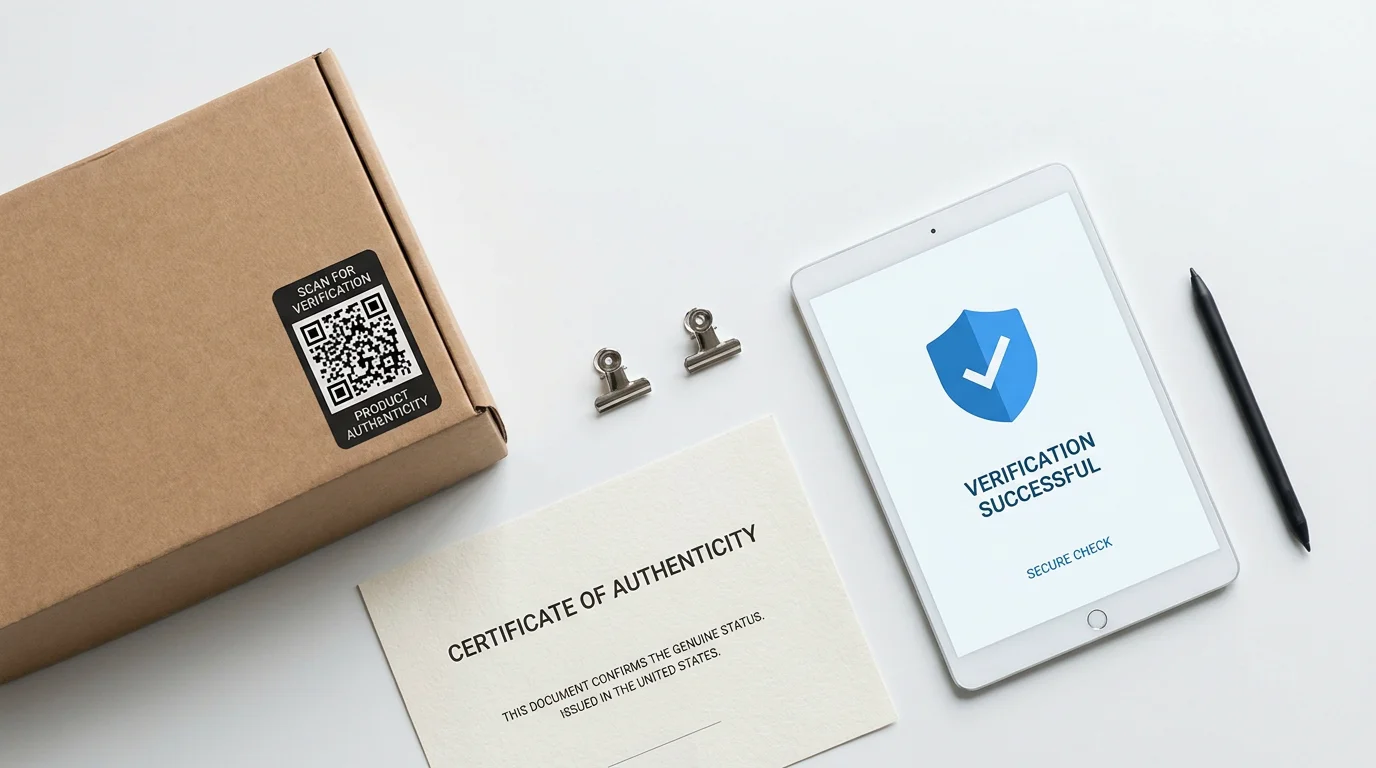
Report a Violation is your primary enforcement tool. Amazon’s Report a Violation tool underwent significant improvements in 2025. Amazon updated its submission interface to improve usability, and the interface now features a comprehensive dashboard that enables users to track the status of submitted claims.
Transparency assigns unique QR codes to each product unit. The Transparency program now operates in 10 countries and has enrolled 88,000 brands worldwide, verifying more than 2.5 billion product units as genuine as of 2025. If a seller attempts to fulfill an order without a valid code, the product is blocked from leaving the warehouse.
Project Zero goes one step further, allowing eligible brands to remove counterfeit listings directly without waiting for Amazon to review a report. Amazon’s Counterfeit Crimes Unit has pursued over 24,000 bad actors through litigation and criminal referrals since 2020.
2025 and 2026 Updates: What Has Changed
Amazon has introduced several meaningful updates that make the Brand Registry more powerful than it was even a year ago.
In 2025, Amazon introduced enhancements to its Brand Registry platform, including a new Brand Catalog Lock feature, improvements to the Report a Violation tool, and expanded takedown options with the Transparency and Project Zero programs. Collectively, these enhancements mark a significant change in Brand Registry, transitioning it from a static registration portal to a dynamic enforcement dashboard.
The Brand Catalog Lock deserves special attention. Brands now use Brand Catalog Lock to lock product titles, images, and descriptions, preventing unauthorized hijacks and counterfeit listing edits. Only authorized representatives can modify protected details, enhancing listing security, brand consistency, and consumer trust. Despite its power, a 2026 analysis by Dickinson Wright noted that many brands have still not activated this feature, leaving their listings exposed.
Seller transparency has also improved. Brand owners now have access to detailed seller data associated with each ASIN, including the seller’s country of origin, storefront history, and buyer feedback, empowering brand owners to make more informed enforcement decisions.
For sellers who manage inventory shipped from overseas suppliers, these updates are especially relevant. When you coordinate shipments through a freight forwarder and deliver goods to Amazon fulfillment centers, ensuring that every unit carries proper Transparency codes and that your listings are locked against unauthorized edits protects the investment you made in sourcing and shipping. If you are navigating the complexities of managing your listings and operations, our complete guide to Seller Central can help you stay organized.
What Brand Registry Does Not Do
Setting realistic expectations prevents costly misunderstandings. Brand Registry is powerful, but it has clear boundaries.
Brand Registry does not inherently prevent other sellers from listing genuine products they have legally acquired; its primary aim focuses on protecting intellectual property and ensuring listing accuracy. Under the first-sale doctrine in the US, a reseller who legally purchased your product can list it on Amazon. Brand Registry gives you tools to report violations, but it is not a blanket reseller block.
It also does not replace a broader channel strategy. You still need pricing discipline, authorized distributor agreements, listing optimization, and advertising. Think of Brand Registry as the essential foundation; building a profitable brand requires additional layers of operational and marketing work.
Practical Tips for Sellers Shipping From Overseas
For brand owners who source products from manufacturers in China or other global hubs, Brand Registry intersects directly with your supply chain. Here are practical steps to keep in mind:
- Integrate Transparency codes at the factory. Coordinate with your manufacturer to apply unique QR codes during production, not after the goods arrive at the Amazon warehouse. This prevents counterfeit units from entering the supply chain at any point.
- Activate Brand Catalog Lock immediately. Do not assume that Brand Registry alone protects your listing fields. Enable this feature the day your enrollment is approved.
- Monitor seller data regularly. Use the improved seller transparency tools to identify unauthorized sellers, especially those from unfamiliar storefronts or regions.
- Align your trademark with every marketplace. If you sell in both the US and Europe, you need separate trademark coverage for each region. A US trademark does not protect your listings on Amazon.de or Amazon.co.uk.
Coordinating all of this alongside international freight, customs clearance, and warehouse delivery is complex. Our team specializes in managing end-to-end Amazon FBA logistics from factory to fulfillment center, so you can focus on brand growth rather than shipping headaches.
Conclusion
The Amazon Brand Registry is not optional for serious brand owners in the US market; it is the operating foundation on which listing control, intellectual property protection, and every premium growth tool depends. With over one million brands enrolled globally, the program’s scope is vast, yet many sellers still underutilize critical features like Brand Catalog Lock and Transparency. The data is clear: Amazon’s own reports confirm that enrolled brands see a 99% reduction in suspected counterfeit listings, and the platform seized more than 15 million counterfeit products in 2025.
The sellers who succeed are those who treat Brand Registry as the first step in a layered strategy, not the last. From trademark filing to listing optimization to authenticated fulfillment, every detail matters. We streamline the logistics side of that equation with DDP shipping, real-time tracking, and a single point of contact from factory to Amazon warehouse. To get your products to market faster and with fewer surprises, request a free quote from our FBA freight specialists and let us handle the shipment while you build the brand.
Frequently Asked Questions
How much does it cost to enroll in the Amazon Brand Registry?
Enrollment itself is completely free. The main expense is obtaining a trademark, which starts at $350 per class if you file directly with the USPTO. Legal assistance through Amazon’s IP Accelerator or an independent attorney will add to that cost, but the Brand Registry application carries no fee.
Can I enroll with a pending trademark, or do I need a fully registered one?
Amazon accepts both active registered trademarks and pending trademark applications from supported government intellectual property offices. If your application is still pending, you may also qualify for faster access through the IP Accelerator program.
Does Brand Registry prevent other sellers from listing my products?
Not automatically. Brand Registry protects your intellectual property and gives you control over listing content, but it does not block resellers who have legally acquired your products. To restrict unauthorized sellers at the unit level, you should combine Brand Registry with the Transparency program. For sellers who ship from overseas through our DDP freight service, coordinating Transparency code application at the factory is a step we help plan as part of the fulfillment process.
Ready to Optimize Your Amazon Shipping?
Get 3 route options tailored to your products and timeline
Get Your Quote→