How to Open an Amazon Seller Account: A Complete Guide
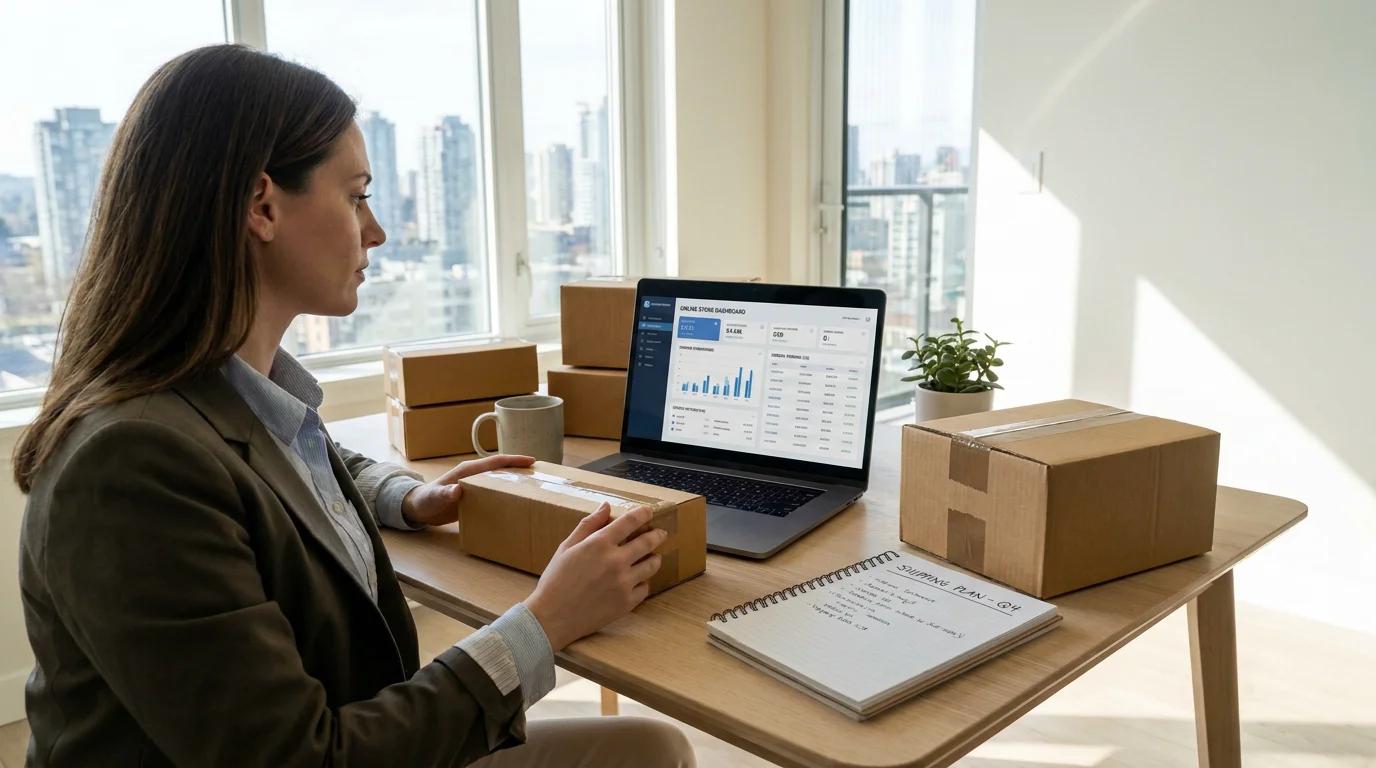
Summary: An Amazon seller account requires a Professional ($39.99/month) or Individual plan, identity verification, and a bank account; over 100,000 sellers now earn $1 million or more annually.
In 2025, Amazon generated approximately $716.9 billion in total revenue, and third-party sellers accounted for roughly 61% of all paid units sold on the platform. The opportunity is enormous, but the marketplace is also evolving. Whether you are launching a private label brand or reselling wholesale products, setting up your Amazon seller account correctly from day one is the single most important step toward building a profitable business. If you are sourcing products internationally, our Amazon Seller Central guide covers how to connect your logistics workflow to your account.
The US market remains the largest segment of Amazon’s global ecosystem. Amazon accounts for about 40.4% of US e-commerce sales as of 2025, which means nearly four of every ten online dollars flow through the platform. At the same time, the number of active sellers on Amazon.com has fallen from 584,000 in January 2025 to 500,000 as of March 2026, according to Marketplace Pulse. Fewer sellers, but more revenue per seller: that is the landscape you are entering. This guide will walk you through every stage of creating your account, choosing the right plan, and positioning yourself for long-term success.
Why the Amazon Marketplace Still Represents a Major Opportunity
Some prospective sellers wonder whether they have missed the window. The data tells a different story. Despite fewer sellers entering the marketplace, the number of successful businesses continues to grow. More than 100,000 Amazon sellers now generate over $1 million in annual revenue, nearly doubling from around 60,000 sellers in 2021. The marketplace is consolidating, but traffic per active seller has increased 31% since 2021, according to a 2026 AMZ Prep analysis.
Fewer sellers are driving a larger share of sales on Amazon. Fewer than 8,000 sellers now account for roughly half of Amazon’s US third-party gross merchandise volume, down from about 15,000 sellers just a few years ago, according to Marketplace Pulse estimates reported by Modern Retail. This consolidation rewards sellers who invest in strong product sourcing, disciplined operations, and efficient logistics from the start.
Individual vs. Professional Plan: Which One Should You Choose?
Before you even begin registration, you need to decide between two selling plans. The choice directly affects your monthly costs, your access to seller tools, and your ability to compete for the Buy Box.
| Feature | Individual Plan | Professional Plan |
|---|---|---|
| Monthly Fee | $0 (pay per item) | $39.99/month |
| Per-Item Fee | $0.99 per unit sold | None |
| Buy Box Eligibility | No | Yes |
| Access to Advertising | No | Yes |
| Bulk Listing Tools | No | Yes |
| Best For | Testing, fewer than 40 units/month | Scaling, more than 40 units/month |
If you plan to sell more than 40 items per month, the Professional plan pays for itself. It also unlocks Amazon Advertising, detailed business reports, and eligibility for programs such as Brand Registry. Most serious sellers start here.
Step-by-Step: How to Register Your Amazon Seller Account
Registration follows a structured, 12-step process. Having your documents ready will save you significant time. Here is what you need before you begin:
- A valid government-issued ID (passport or driver’s license)
- A bank account statement or credit card statement
- A chargeable credit or debit card
- A mobile phone for two-step verification
- Your business information (legal name, address, tax identification number)
Step 1: Choose your plan. Go to the Amazon “Start Selling” page. Select either the Professional or Individual plan. Step 2: Create your login. Enter your email and create a secure password. If you already have an Amazon buyer account, you may use those credentials. Step 3: Enable two-step verification. Amazon will send a one-time code to your email or phone. Enter the code to verify your identity.
Step 4: Provide your business details. Enter your country of business, your business type (sole proprietor, LLC, corporation, or individual), and your legal business name. Step 5: Enter personal information. Add your date of birth, residential address, and phone number. Amazon will send an SMS verification code. Step 6: Add payment information. Enter your credit card details. Amazon charges your card for monthly subscription fees and any balance that exceeds your sales revenue.
Step 7: Name your store. Choose a unique store name. You may change it later if needed. Step 8: Verify your identity. Upload your passport or driver’s license and a bank or credit card statement. Step 9: Complete a video call. Amazon may schedule a brief video call with an associate to confirm the documents you submitted. Step 10: Wait for approval. Verification typically takes one to three business days, though it may take longer depending on your country.
Understanding the True Cost of Selling on Amazon
The subscription fee is only one component. Every seller pays referral fees that range from 6% to 45% of the item price depending on the product category, with most categories falling between 8% and 15%. If you use Fulfillment by Amazon (FBA), you will also pay fulfillment fees per unit and monthly storage fees.
Significant fees and compliance changes are affecting sellers in 2026, including rising FBA fees and stricter inventory and storage policies. According to SalesDuo’s 2026 statistics report, more than 55% of small-to-mid-size Amazon businesses report profit margins above 15%. The sellers who reach those margins tend to be meticulous about cost control, particularly on shipping and customs. That is precisely where partnering with a specialized freight forwarder can make a measurable difference, especially for sellers importing from China.
How Logistics and Shipping Shape Your Profitability
Your account is approved. Your first product is sourced. Now comes the part that determines whether your margins survive: getting inventory into Amazon’s fulfillment centers on time and within budget. Many new sellers underestimate the complexity of international shipping, customs clearance, and Amazon’s strict inbound requirements.
58% of sellers achieve profitability within 12 months, but the other side of that statistic matters: 22% never become profitable. Shipping errors, customs delays, and unexpected duty charges are among the most common reasons. If you are sourcing from China, preparing your first FBA shipment from China with a reliable DDP (Delivered Duty Paid) solution eliminates price surprises and keeps your landed costs predictable.
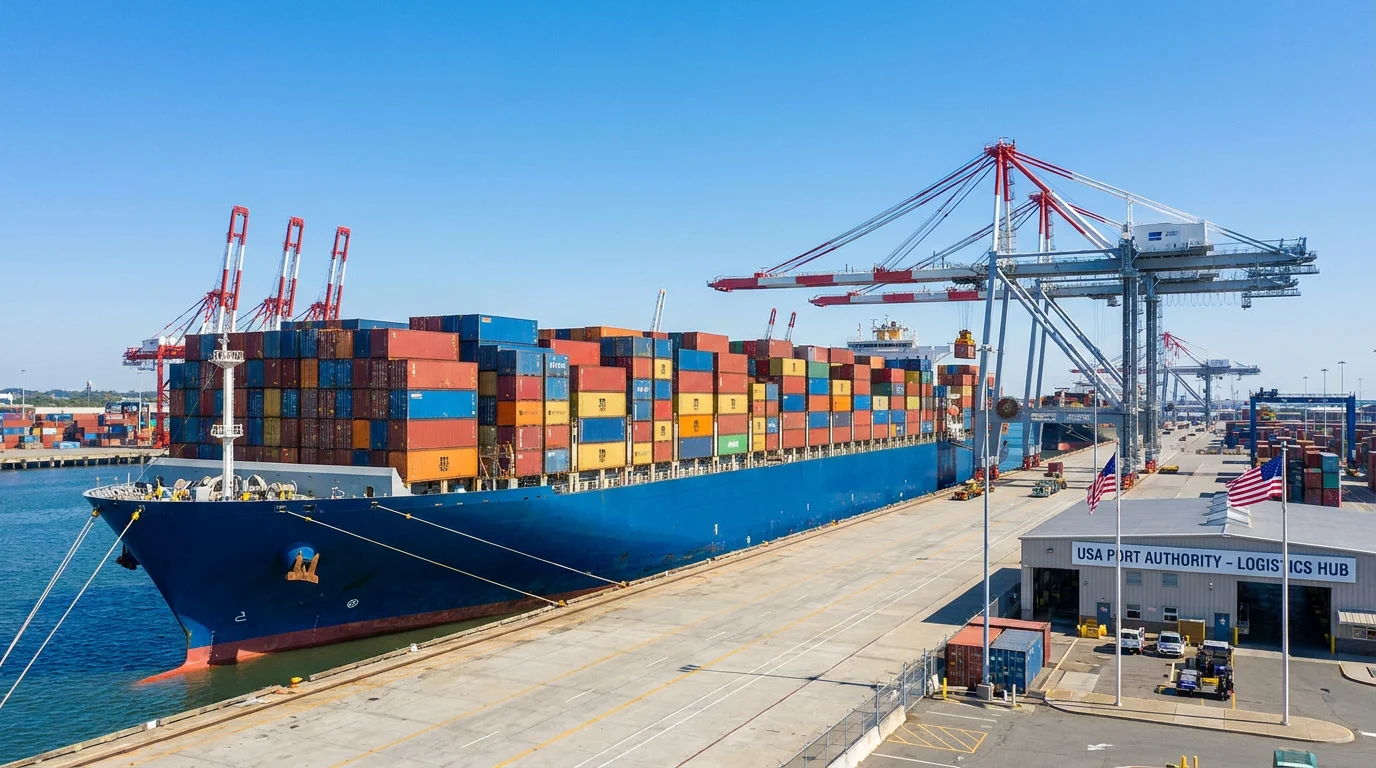
We handle this entire chain for our clients, from factory pickup in China through customs clearance to final delivery at Amazon warehouses. Our DDP freight service includes all duties and taxes in a single, transparent quote, so your cost per unit is locked in before you ship. If you are evaluating fulfillment options, understanding common Amazon FBA mistakes to avoid can save you thousands on your first few shipments.
New Seller Incentives Available in 2026
Amazon actively encourages new registrations with a robust incentive package. According to Amazon’s own Seller Central page, new sellers can currently take advantage of the following benefits:
- 10% back on the first $50,000 in branded sales, then 5% back through the first year up to $1,000,000
- A $200 credit for Amazon Vine (product reviews)
- Up to $1,000 in Sponsored Products advertising credits
- $50 credit for Amazon coupons
- $100 off the first shipment into the Amazon fulfillment network
- Free storage and customer returns through the FBA New Selection program
These incentives can significantly offset your startup costs. The $100 shipping credit is especially useful when combined with our freight services, where we help sellers save an additional 10 to 20% per shipment through optimized routing across air, sea, rail, and express boat.
The Marketplace Is Consolidating: What That Means for New Sellers
Amazon has 9.7 million total registered seller accounts globally, but the majority of these accounts are dormant or semi-active. According to a 2026 eDesk report, approximately 1.9 million sellers are active, with about 550 new sellers joining every day. The pace of new registrations has slowed considerably from the pandemic peak; in 2021, roughly 4,000 new sellers joined daily.
This trend highlights what analysts call the “competition paradox”: fewer sellers overall, but a growing number of large and highly optimized businesses capturing significant market share. For a new seller, this means the bar is higher but the reward is larger. Sellers who invest in product differentiation, clean supply chains, and professional operations are the ones gaining ground.
Across the US, sellers who build strong brand identities and register through Amazon Brand Registry gain access to A+ Content, Sponsored Brand ads, and IP protection tools. If you are exploring the broader strategic picture, our resource on how to succeed as an Amazon seller covers long-term positioning tactics.
Common Pitfalls During Account Setup and How to Avoid Them
Account suspension during or shortly after registration is more common than most guides admit. Here are the most frequent issues and how to prevent them:
- Mismatched information: Ensure the name on your ID exactly matches the name on your bank statement and your seller account. Even small discrepancies can trigger a review.
- Multiple accounts: Amazon permits only one seller account per person or business entity. Opening a second account without prior approval leads to immediate suspension.
- Unverified address: Use a residential or commercial address that matches your utility or bank statements. PO boxes may cause verification failures.
- Restricted product categories: Some categories (grocery, jewelry, automotive) require pre-approval. Attempting to list restricted products without approval can flag your account.
- Neglecting account health: From the moment your account goes live, Amazon tracks your order defect rate, late shipment rate, and cancellation rate. Staying below Amazon’s thresholds is essential.
Many of these issues are compounded when sellers rush to list products before their logistics chain is in place. Planning your fulfillment method, whether FBA or FBM (Fulfilled by Merchant), before your account goes live prevents costly errors down the line.
Conclusion: Your Account Is Just the Beginning
Setting up your Amazon seller account is a straightforward process when you approach it with the right documents, the right plan, and the right expectations. The marketplace in 2026 rewards sellers who are operationally disciplined, and the data supports that view: over 100,000 sellers now earn seven figures or more annually on the platform. Yet profitability hinges on far more than account registration. Your product sourcing strategy, your advertising efficiency, and above all, your shipping and fulfillment costs determine whether your margins hold.
That is where working with a freight partner who specializes in Amazon FBA logistics makes a measurable impact. With DDP pricing, real-time tracking, and four verified shipping modes from China to Amazon warehouses worldwide, we help sellers lock in their costs and protect their margins from the very first shipment. To get started, explore our Amazon seller tips and request a free quote today.
Frequently Asked Questions
How much does it cost to open an Amazon seller account?
Creating the account itself is free. You then choose between the Individual plan ($0.99 per unit sold) or the Professional plan ($39.99 per month). Both plans also incur referral fees per sale, which vary by product category. Most sellers who plan to scale choose the Professional plan for its advertising access and Buy Box eligibility.
Can I sell on Amazon from outside the United States?
Yes. Amazon supports sellers from dozens of countries. You will need a valid ID, an internationally chargeable credit card, and a bank account in a supported currency. If you are sourcing from China, our DDP freight service handles customs clearance and delivery directly to Amazon fulfillment centers, so you do not need a US-based warehouse or broker.
How long does it take for Amazon to approve a new seller account?
Most accounts are verified and approved within one to three business days after you complete the identity verification step. In some cases, particularly for international sellers or when additional documentation is requested, the process may take up to two weeks. Having all documents prepared and ensuring name consistency across your ID, bank statement, and account details speeds up approval.
Ready to Optimize Your Amazon Shipping?
Get 3 route options tailored to your products and timeline
Get Your Quote→