BOL Format: Essential Checks for Amazon Sellers


Have you ever considered how a single document can make or break your Amazon business? The Bill of Lading (BOL) is not just a piece of paper; it’s the lifeline of your logistics operations. For Amazon sellers, understanding the critical components and implications of the BOL format is essential. This document outlines shipping terms, defines responsibilities, and can prevent costly mistakes. By mastering the BOL, sellers can ensure compliance and streamline their import processes, ultimately enhancing their efficiency and profitability in the competitive e-commerce landscape.
BOL Format: Essential Checks for Amazon Sellers
The Bill of Lading (BOL) is a vital document in logistics that outlines the shipping terms and the responsibilities of all parties involved in the transportation process. For Amazon sellers, understanding the BOL’s significance is crucial for ensuring compliance with shipping regulations and facilitating smooth transactions.
Key aspects of the BOL include:
- Contract of Carriage: The BOL serves as a contract between the shipper and the carrier, detailing the terms under which the goods are transported.
- Receipt of Goods: It acts as a receipt confirming that the carrier has received the goods as indicated by the shipper, which is essential for tracking and accountability.
- Title Document: The BOL can represent the title to the goods being shipped, allowing the consignee to claim ownership upon arrival at the destination.
- Legal Protection: It provides legal protection for both the shipper and the consignee by outlining the terms of service and responsibilities, helping to resolve disputes that may arise.
Understanding these components is vital for Amazon sellers to avoid potential issues such as delays, additional costs, and compliance complications. By ensuring that all information on the BOL is accurate and complete, sellers can facilitate a smoother shipping process and enhance their operational efficiency.
Key Components to Review on Your BOL
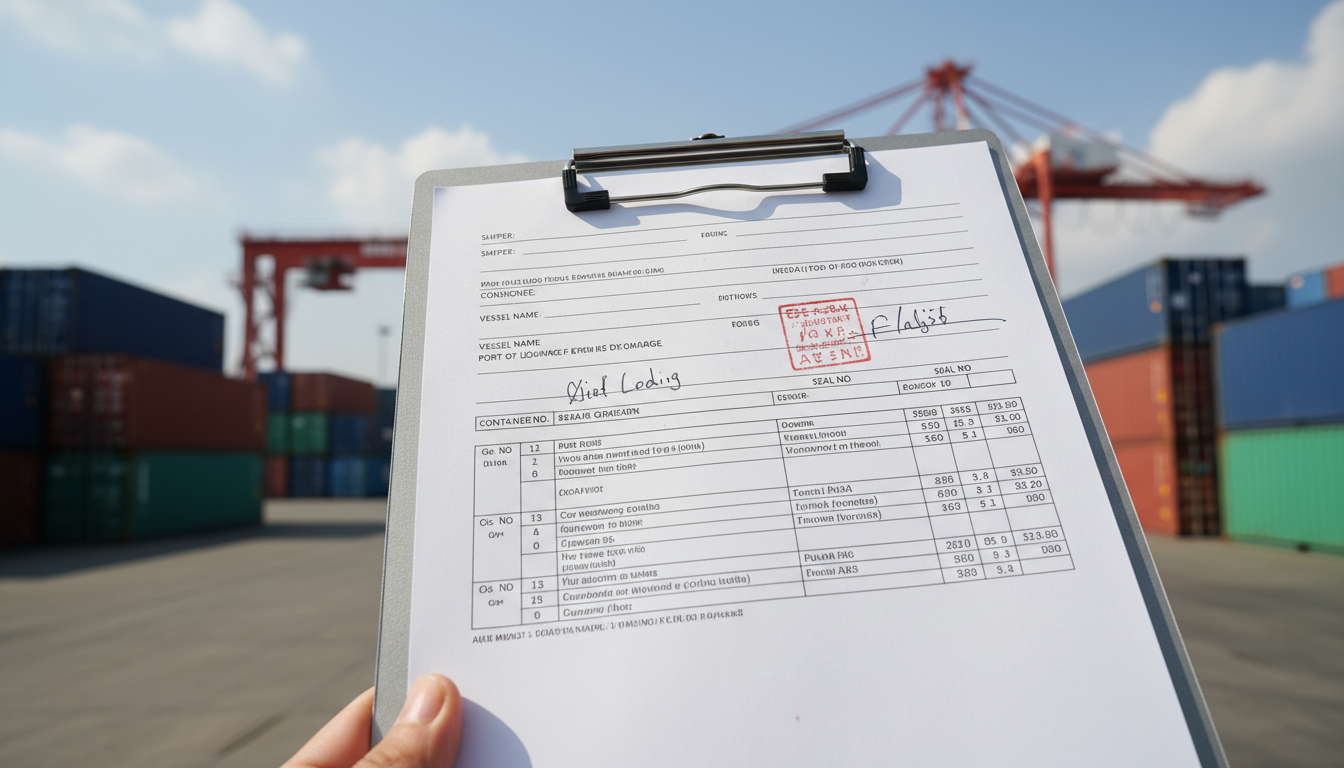
Essential components of a Bill of Lading (BOL) include the following:
- Shipper Information
- Consignee Details
- Item Descriptions
- Shipping Terms and Conditions
Each element must be accurate to prevent issues during transit and ensure compliance with Amazon’s shipping requirements.
Shipper Information: This section identifies the sender of the goods. It should include the shipper’s name, address, and contact information. Accurate shipper details are critical because they allow carriers and customs authorities to trace the origin of the shipment. Any inaccuracies in this information could lead to delays or issues in customs clearance.
Consignee Details: The consignee is the recipient of the shipment. This portion must include the consignee’s name, address, and contact information. Ensuring that this information is precise is essential, as it determines where the shipment will be delivered. Incorrect consignee details can result in misdeliveries, which may cause financial losses and impact customer satisfaction.
Item Descriptions: The BOL must contain a clear and detailed description of the items being shipped. This includes the quantity, weight, dimensions, and any special handling instructions. Accurate item descriptions are crucial for customs compliance, as they help determine applicable duties and taxes. Vague or incorrect descriptions can lead to delays in processing or even penalties for non-compliance.
Shipping Terms and Conditions: This section outlines the terms under which the goods are being transported, including payment terms, liability limitations, and the agreed method of transportation. Clear and precise shipping terms help prevent disputes and ensure that both the shipper and consignee understand their responsibilities. Misunderstandings in this area can lead to costly issues, such as unexpected fees or complications during delivery.
By thoroughly reviewing these components before signing the BOL, Amazon sellers can mitigate risks and streamline their shipping processes.
Common Pitfalls in BOL Format
Amazon sellers often encounter several common pitfalls when completing the Bill of Lading (BOL). These mistakes can lead to significant shipping complications and financial repercussions.
Common mistakes include:
- Overlooking Critical Details: Failing to include essential information such as shipper or consignee addresses can cause delays.
- Using Incorrect Formats: Not adhering to the required BOL format can lead to confusion and rejection by carriers or customs.
- Misunderstanding Shipping Terms: Incorrectly interpreting terms like “prepaid” or “collect” can result in unexpected charges.
- Inaccurate Item Descriptions: Vague or incorrect descriptions can lead to customs issues, fines, or even confiscation of goods.
- Neglecting Signature Requirements: Missing signatures from the shipper or carrier can invalidate the BOL, causing delivery problems.
Errors in the BOL can have severe consequences for Amazon sellers. Shipping delays may arise due to customs holds, leading to inventory shortages and potential loss of sales. Additionally, incorrect BOL information can result in unexpected costs, such as fines or additional shipping fees. In the worst-case scenario, significant errors may lead to legal disputes or the inability to claim insurance for lost or damaged goods. Therefore, careful attention to detail and understanding of the BOL format is crucial for a smooth shipping process.
Best Practices for Amazon Sellers
To ensure accuracy in Bill of Lading (BOL) documentation, Amazon sellers should adhere to the following best practices:
- Double-Check All Entries: Review every detail on the BOL for accuracy, including shipper and consignee information, item descriptions, and quantities. One small error can lead to significant shipping delays or compliance issues.
- Use Templates: Utilize standardized BOL templates that are designed for your shipping requirements. Templates can provide guidance on the correct format and necessary information, reducing the chances of errors.
- Review Examples: Familiarize yourself with examples of both correct and incorrect BOL formats. Understanding how to properly fill out the document can help prevent common mistakes.
- Confirm Shipping Terms: Ensure that the shipping terms and conditions are clearly stated and understood by all parties involved. Misunderstandings regarding shipping terms can lead to disputes or additional costs.
Examples of Correct and Incorrect Formats
Correctly completed BOL:
| Field | Correct Example |
|---|---|
| Shipper Name | ABC Products LLC |
| Shipper Address | 123 Main St, Cityville, ST 12345 |
| Consignee Name | XYZ Retailers Inc |
| Consignee Address | 456 Market Blvd, Townsville, ST 54321 |
| Item Description | 100 Widgets, 10 lbs each |
| Shipping Terms | FOB Shipping Point |
Incorrectly completed BOL:
| Field | Incorrect Example |
|---|---|
| Shipper Name | ABC Products |
| Shipper Address | 123 Main St |
| Consignee Name | XYZ Retailers |
| Consignee Address | 456 Market Blvd |
| Item Description | Widgets |
| Shipping Terms | Pay when delivered |
Correct completion of the BOL ensures that shipments are processed efficiently and reduce the risk of disputes or delays.

Final Words
Final Words
Understanding the Bill of Lading (BOL) is essential for Amazon sellers navigating the complexities of shipping. This article highlighted the importance of the BOL, key components to review, common pitfalls to avoid, and best practices for maintaining accuracy.
By mastering the BOL format, sellers can prevent costly mistakes and ensure a smooth shipping process. Implementing these strategies not only enhances compliance but also streamlines logistics operations.
What every Amazon seller should check before signing is their BOL documentation to guarantee a successful transaction and efficient delivery.
FAQ
Q: What is a Bill of Lading (BOL)?
A: The Bill of Lading (BOL) is a critical shipping document that outlines the terms and responsibilities of all parties involved in the logistics process.
Q: Why is the BOL important for Amazon sellers?
A: Understanding the BOL is crucial for Amazon sellers to ensure compliance, facilitate smooth transactions, and avoid shipping delays or complications.
Q: What are the key components of a BOL?
A: Essential components include shipper information, consignee details, item descriptions, and specific shipping terms, all of which must be accurate to prevent transit issues.
Q: What are common pitfalls when completing a BOL?
A: Common mistakes include overlooking details, using incorrect formats, misunderstanding terms, failing to verify information, and neglecting to update shipping changes.
Q: What are the consequences of BOL errors?
A: Errors in the BOL can lead to significant repercussions such as shipping delays, increased costs, and potential compliance issues with Amazon’s requirements.
Q: What are best practices for completing a BOL?
A: Best practices include double-checking entries, using templates, reviewing examples, and ensuring all details are filled out accurately to enhance shipping efficiency.
Q: Can you provide examples of correct and incorrect BOL formats?
A: A correctly completed BOL includes accurate shipper and consignee information. Incorrect formats may feature missing details or misaligned shipping terms, leading to processing issues.
Ready to Optimize Your Amazon Shipping?
Get 3 route options tailored to your products and timeline
Get Your Quote→