Carriage Paid To (CPT) Incoterm Explained for Shippers
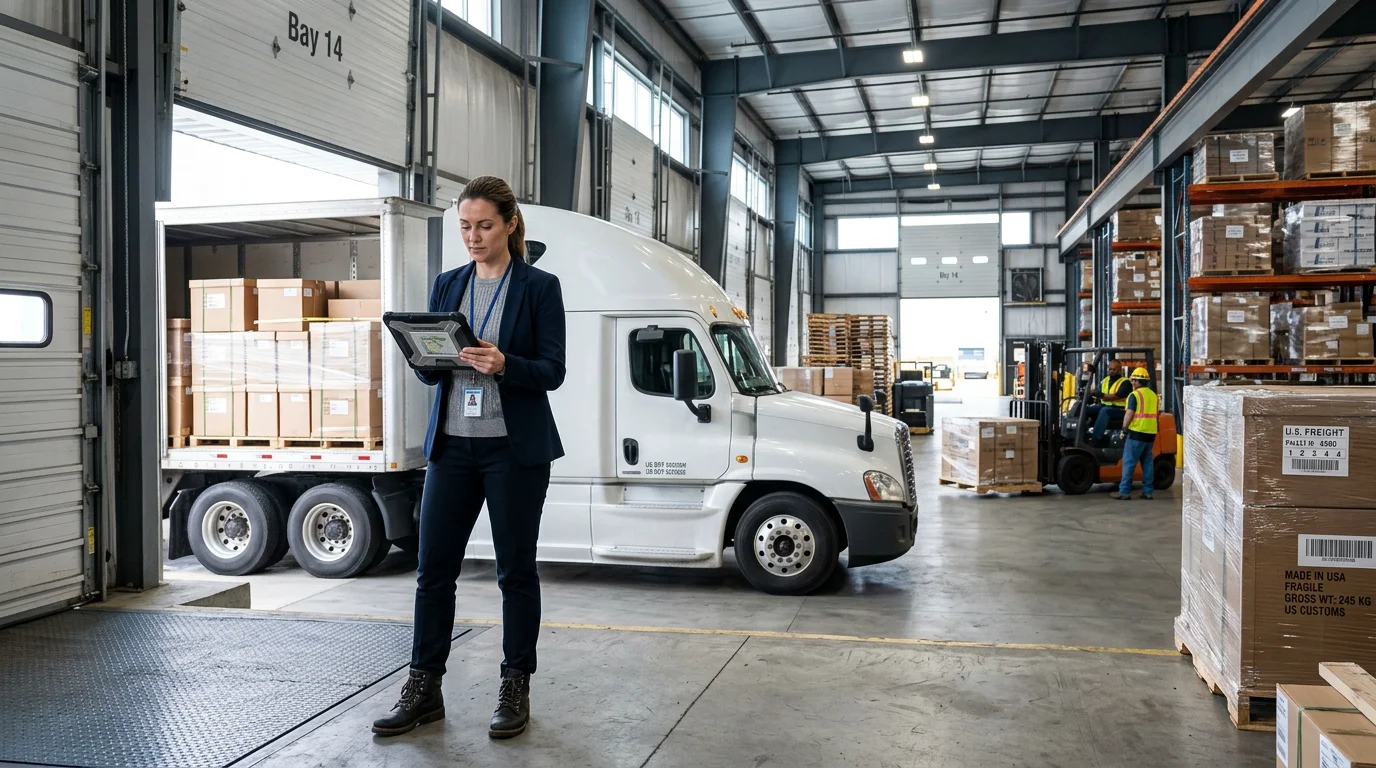
Summary: Under CPT, the seller pays freight to a named destination, but risk passes to the buyer as soon as goods reach the first carrier. Cost and risk transfer at different points.
Global trade reached a record 35 trillion dollars in 2025, and each of those shipments moved under an agreed trade rule that assigned cost and risk. One of the most misunderstood is the Carriage Paid To (CPT) Incoterm, a term where the seller pays the freight yet the buyer bears the risk during transit. If you want a granular walkthrough, our complete CPT Incoterm guide breaks down every clause.
That headline figure comes from UNCTAD data, which recorded a 7% year-over-year rise. Behind every contract sits a decision about who arranges transport, who insures the cargo, and who clears customs. CPT answers those questions in a specific and often surprising way, which is why it deserves careful attention before you sign.
What Carriage Paid To means under Incoterms 2020
CPT stands for Carriage Paid To. As a Group C rule, the carriage paid to incoterm requires the seller to contract and pay for transport to a named place, while risk shifts far earlier. It is published by the International Chamber of Commerce and remains valid in the current Incoterms 2020 edition, with no announced revision.
The rule applies to any mode of transport. Trade Finance Global notes that CPT can be used for road, rail, air, sea, or multimodal journeys, and that it goes into more detail than FCA by specifying that the seller bears the transport cost to the buyer’s nominated place. The risk transfer occurs when the carrier takes charge of the goods, not when they arrive.
Two locations matter under CPT. The first is the place of delivery in the seller’s country, where the seller hands the goods to its carrier. The second is the named place of destination, to which the seller pays carriage. Confusing the two is the single most common error in CPT contracts, so both should be written explicitly into the sale agreement.
Where cost and risk part ways
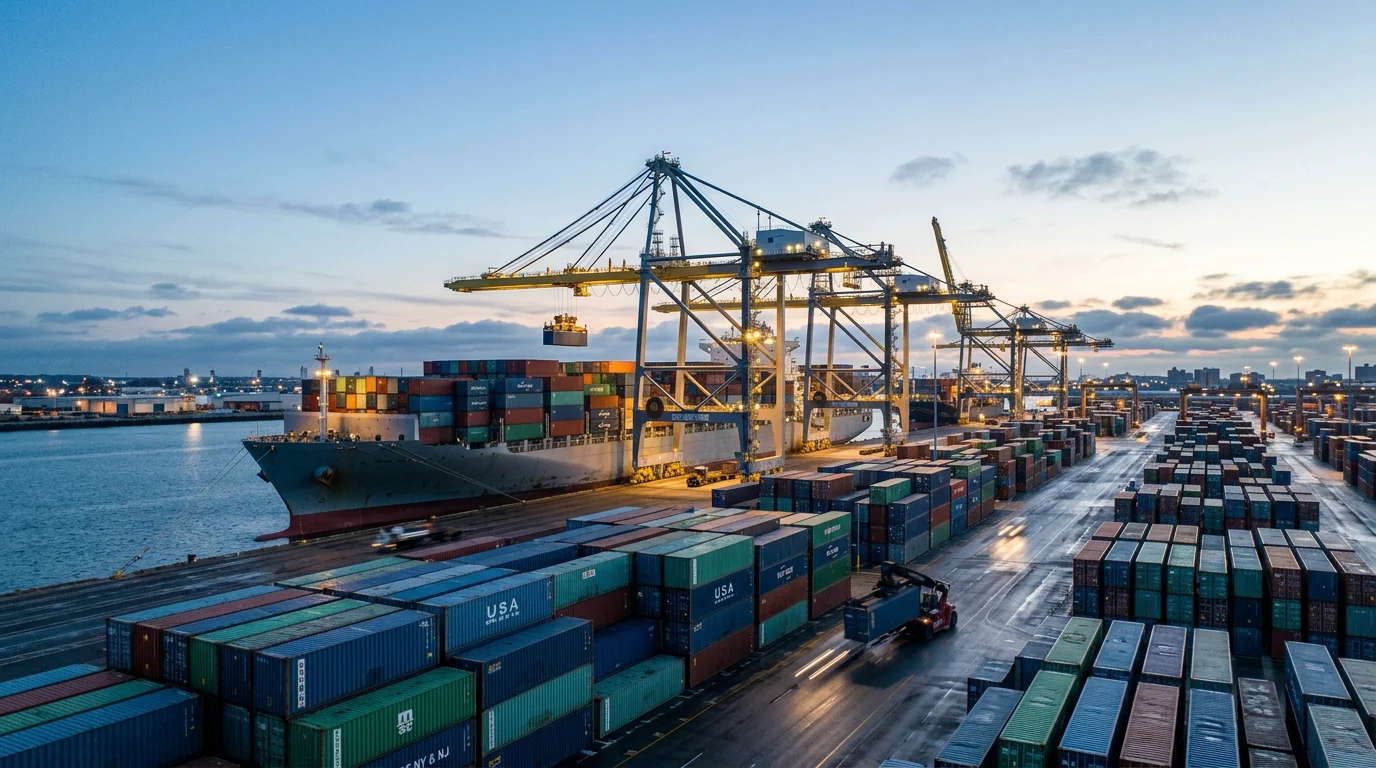
The defining feature of CPT is the gap between cost and risk. The seller pays freight all the way to the destination, but the buyer assumes responsibility for loss or damage the moment goods pass to the first carrier at origin. In practice, a buyer may hold the risk for thousands of miles while paying nothing toward the freight.
Consider a shipment from a factory in Shenzhen to a warehouse in Chicago. The seller books and pays the trucking, ocean freight, and inland delivery. Yet if the container is damaged mid-ocean, the loss falls on the buyer, because delivery legally occurred back at the Chinese loading point. This misalignment is intentional, but it must be understood by both parties.
Insurance sits in the gap. Under CPT, neither party is obligated to insure the cargo, unlike CIP or CIF where the seller must buy cover. A prudent buyer therefore arranges an independent cargo policy from the delivery point onward, since the risk is theirs during the main carriage even though they did not select the carrier.
Seller and buyer responsibilities under CPT
Who does what? The split is clear once delivery is understood. The seller manages everything up to and including the contracted carriage, while the buyer takes over at import. If you also compare this arrangement with related supplier terms, our overview of FCA terms shows how responsibility shifts when the seller’s obligation stops at handover.
| Obligation | Seller (CPT) | Buyer (CPT) |
|---|---|---|
| Export packing and marking | Yes | No |
| Export clearance and duties | Yes | No |
| Contract and pay main carriage | Yes | No |
| Risk during transit | Until first carrier | From first carrier onward |
| Cargo insurance | Not required | Optional, recommended |
| Import clearance, duties, VAT | No | Yes |
| Unloading at destination | If in carriage contract | Otherwise yes |
The seller must also provide the usual transport documents, such as a bill of lading, sea waybill, air waybill, or rail consignment note, so the buyer can claim the goods at the destination. The buyer, in turn, must accept documents that conform to the contract and complete all import duties and formalities in the receiving country.
CPT compared with CIP, CFR and DDP
CPT rarely stands alone in a decision. Sellers usually weigh it against the terms that sit closest to it. The table below places our own all-inclusive service alongside the standard rules so you can see where each fits.
| Option | Pays freight | Insurance | Import duties | Best for |
|---|---|---|---|---|
| QG Horizon (DDP service) | We do | Managed for you | Included | Delivery to Amazon FBA warehouses, all-in price known upfront |
| CPT | Seller | Not required | Buyer | Buyers with their own insurance program |
| CIP | Seller | Seller, mandatory | Buyer | Buyers wanting bundled cover |
| CFR | Seller | Not required | Buyer | Ocean freight only |
| DDP | Seller | Seller, typical | Seller | Buyers wanting zero customs involvement |
The practical difference between CPT and CIP is insurance alone. CFR mirrors CPT but is restricted to sea and inland waterway transport, whereas CPT works across every mode. DDP sits at the opposite end of the spectrum: the seller handles freight, customs, duties, and taxes, delivering fully cleared goods. For a deeper side-by-side, our Amazon FBA Incoterm comparison weighs each option by budget and control.
Geopolitics increasingly shapes which term makes sense. The World Economic Forum reported that 2025 was marked by tariff shocks and fragmentation, with rising trade costs pushing many US businesses toward terms that lock in a predictable landed price. When duties fluctuate, a rule that leaves import charges to the buyer can create budgeting uncertainty.
When CPT works for Amazon FBA sellers shipping from China
Does CPT suit an Amazon FBA seller? Sometimes, but with caveats. CPT gives the seller control over the export logistics and carrier selection, which can help when the seller negotiates better rates. However, the buyer still carries risk during the entire main carriage and must handle import clearance, a burden many FBA sellers prefer to avoid.
For sellers moving inventory from China to Amazon warehouses, the unresolved insurance gap and buyer-side customs are real friction points. This is where a managed DDP approach differs sharply. As a freight forwarder specialized in FBA, we collect from your supplier, arrange freight, clear customs with duties and taxes included, and deliver to the Amazon warehouse under one all-inclusive quote returned within 24 hours.
Route choice also matters when urgency and budget compete. We quote three options across air, express sea, standard ocean, and China-Europe rail, with delivery windows stated in advance. If you want the destination-side comfort of a delivered term without full duty inclusion, our guide to DAP delivery terms explains that middle path.
Common pitfalls and avoiding customs delays
Most CPT disputes trace back to two avoidable errors. The first is a vague destination. Naming only a city leaves the seller free to choose the cheapest drop-off point, which may not suit the buyer. Always specify the exact terminal, yard, or warehouse address in the contract.
The second is misjudging the risk window. Buyers frequently assume the seller’s insurance protects them because the seller booked the transport. It does not. Under CPT there is no compulsory cover, so the buyer should secure a policy that begins at the first carrier.
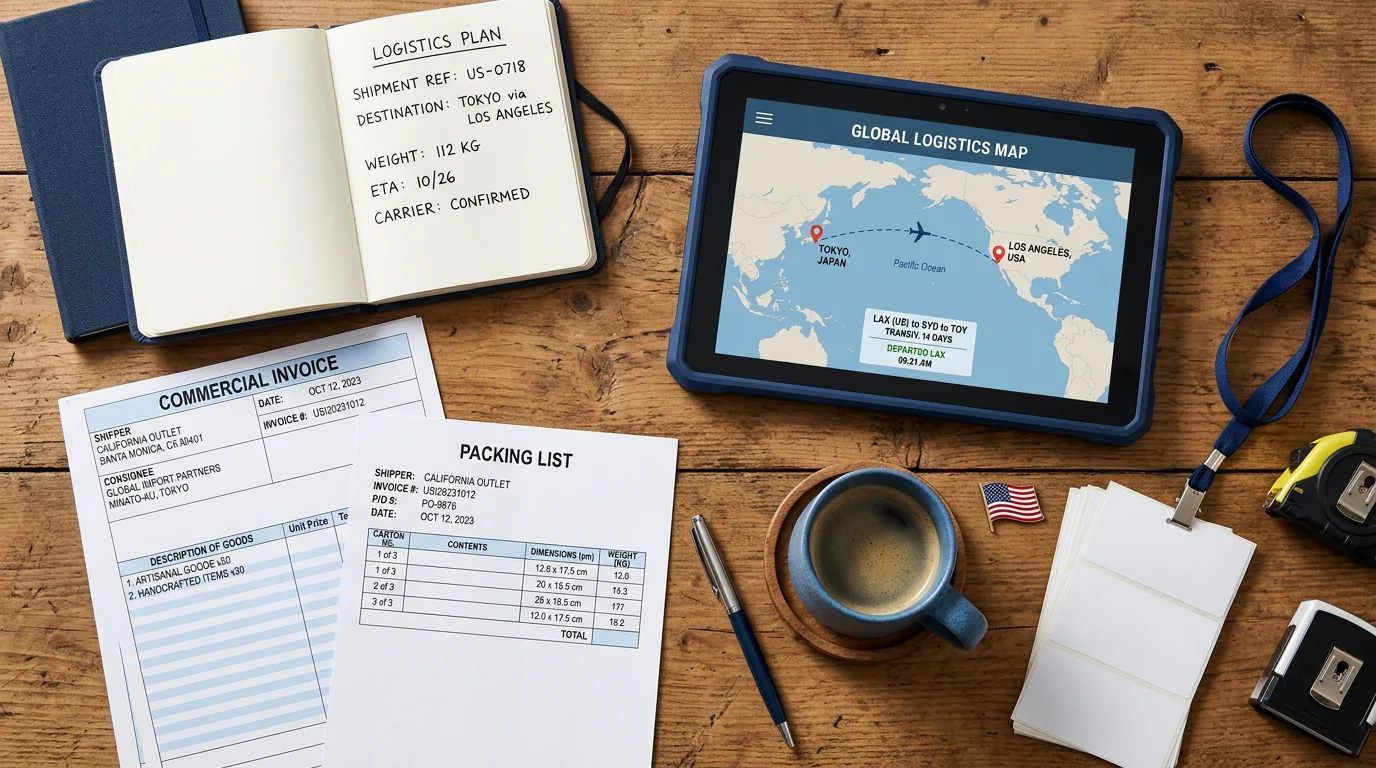
Export documentation is a further trap for US-bound and US-origin trade. According to Shipping Solutions, a standard export transaction requires the seller or its agent to file Electronic Export Information through the ACE portal. Missing or inaccurate filings stall shipments at the border, and customs delays can derail carefully timed Amazon FBA replenishment plans. Accurate HS classification and complete paperwork remain the fastest way to keep goods moving.
Conclusion
The carriage paid to arrangement is powerful precisely because it separates who pays from who bears the risk. With global trade at a record 35 trillion dollars, that distinction carries real financial weight, and misreading it can turn a routine shipment into a loss. Name your destination precisely, arrange cargo insurance yourself, and confirm export filings before dispatch. For FBA sellers, though, the simplest route is often to remove the customs and duty burden entirely, and our clé en main DDP service delivers cleared goods to the Amazon warehouse under one price known in advance. To move forward with confidence, explore our FBA Incoterm comparison guide and choose the term that fits your shipment.
Frequently Asked Questions
Does the seller pay for insurance under CPT?
No. Under CPT, insurance is not mandatory for either party. Because the buyer holds the risk from the first carrier onward, arranging an independent cargo policy is strongly advised.
Is CPT suitable for ocean container shipping?
It is permitted, but often impractical. Many buyers dislike carrying risk while goods remain in the exporting country. For sea-only shipments, CFR or a fully managed DDP delivery may serve you better.
Can CPT be used for Amazon FBA shipments from China?
Yes, though it leaves import clearance and duties to you as the buyer. Many sellers instead choose our DDP FBA service, which includes duties, taxes, and delivery to the Amazon warehouse in one quote.
Ready to Optimize Your Amazon Shipping?
Get 3 route options tailored to your products and timeline
Get Your Quote→