Comparing All 4 Shipping Modes for Amazon FBA in 2026

In the rapidly evolving landscape of Amazon FBA, choosing the right shipping mode can make or break a seller’s success. With four primary options—air, sea, rail, and truck—each offering distinct advantages and challenges, the decision may seem overwhelming. As e-commerce continues to grow, understanding the nuances of each shipping method is crucial for optimizing logistics and ensuring timely deliveries. This comparison of the four shipping modes for Amazon FBA in 2026 will provide clarity on their characteristics, costs, and reliability, empowering sellers to make informed choices that enhance their competitive edge.
Overview of Shipping Modes for Amazon FBA
The four primary shipping modes for Amazon FBA in 2026 include air, sea, rail, and truck. Each mode has distinct characteristics and applications that sellers must consider when choosing their shipping strategy.
- Air Shipping:
- Speed: Fastest shipping option, typically delivering within 1-3 days.
- Cost: Higher costs compared to other modes, making it less suitable for bulk shipments.
- Ideal Use: Best for urgent deliveries and new product launches where speed is critical.
- Sea Shipping:
- Speed: Slower delivery times, usually taking 2-6 weeks.
- Cost: Most cost-effective for bulk shipments, with lower shipping costs per unit.
- Ideal Use: Suitable for large volumes of goods and when time is less of a concern.
- Rail Shipping:
- Speed: A balanced option, generally delivering in 3-5 days.
- Cost: Moderate costs, effective for transporting heavy or oversized goods.
- Ideal Use: Good choice for inland transportation where rail infrastructure is available.
- Truck Shipping:
- Speed: Delivery times vary, typically 1-7 days depending on distance.
- Cost: Costs can range widely based on distance and load.
- Ideal Use: Essential for last-mile delivery, providing flexibility in regional transport.
| Shipping Mode | Speed | Cost | Ideal Use |
|---|---|---|---|
| Air Shipping | 1-3 days | High | Urgent deliveries and product launches |
| Sea Shipping | 2-6 weeks | Low | Bulk shipments |
| Rail Shipping | 3-5 days | Moderate | Heavy or oversized goods |
| Truck Shipping | 1-7 days | Variable | Last-mile delivery |
Cost Comparison of Shipping Modes for Amazon FBA
Analyzing the costs associated with each shipping mode for Amazon FBA in 2026 reveals significant differences that sellers need to consider for effective budget management.
- Cost Breakdown by Mode:
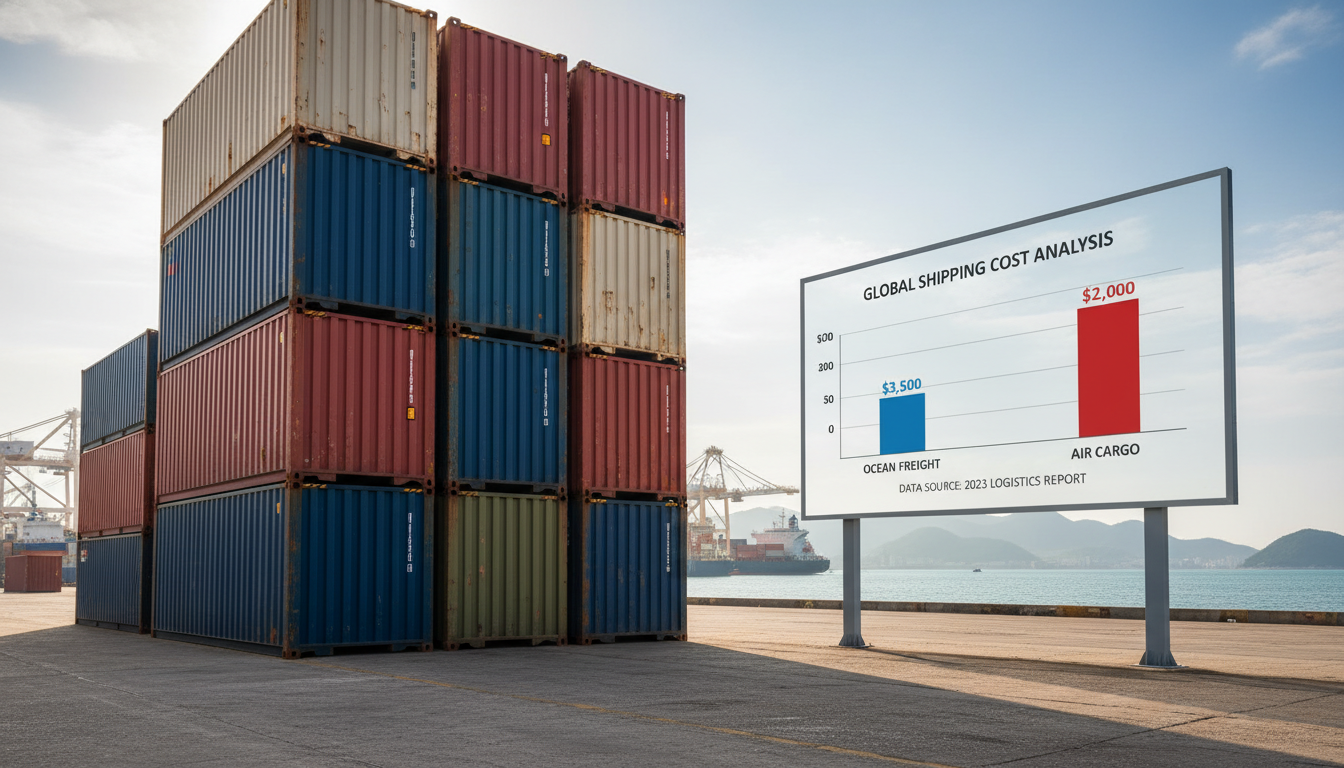
- Air Freight: Ranges from $5 to $10 per kg, making it the most expensive option. Ideal for urgent shipments but can be prohibitive for bulk orders.
- Sea Freight: Costs between $0.50 and $3 per kg, depending on the container size. This is the most economical choice for large shipments, though it requires longer transit times.
- Rail Freight: Prices range from $1 to $4 per kg. A viable option for heavy loads over medium distances, typically offering a balance of speed and cost.
- Truck Freight: Costs vary from $2 to $6 per kg. This mode is essential for last-mile delivery and can be influenced by distance and load size.
| Shipping Mode | Cost Per kg |
|---|---|
| Air Freight | $5 – $10 |
| Sea Freight | $0.50 – $3 |
| Rail Freight | $1 – $4 |
| Truck Freight | $2 – $6 |
- Additional Fees:
- Customs Clearance Fees: Varies significantly by country and can add to shipping costs.
- Insurance Costs: Highly recommended for high-value items to mitigate potential losses during transit.
- Handling and Packaging Costs: These can vary based on requirements set by the shipping provider and the nature of the goods.
- Considerations:
- Shipping volume and weight play a crucial role in determining overall pricing. Bulk shipments typically benefit from lower per-unit costs, while lighter, smaller shipments might favor air freight despite higher rates. Sellers must analyze their product sizes and shipping frequencies to optimize costs effectively.
Delivery Times Analysis for Amazon FBA Shipping
Analyzing delivery times for each shipping mode is essential for Amazon FBA sellers to make informed decisions based on urgency and logistics capabilities.
- Average Delivery Times:
- Air Shipping: 1-3 days; the fastest option, ideal for urgent shipments and product launches.
- Sea Shipping: 2-6 weeks; significantly slower but cost-effective for bulk shipments.
- Rail Shipping: 3-5 days; a reliable option that balances both speed and cost for heavy goods.
- Truck Shipping: 1-7 days; delivery times vary depending on distance and regional logistics.
- Factors Affecting Delivery Times:
- Distance from Shipping Origin to Destination: Longer distances typically result in longer delivery times across all modes.
- Customs Processing Times: Delays in customs can impact delivery, especially for international shipments.
- Seasonal Demand Spikes and Logistics Disruptions: Increased demand during peak seasons can lead to congestion, affecting all shipping modes.
- Mode-Specific Delays: For instance, sea shipping may experience port congestion, significantly extending delivery times.
| Shipping Mode | Average Delivery Time |
|---|---|
| Air Shipping | 1-3 days |
| Sea Shipping | 2-6 weeks |
| Rail Shipping | 3-5 days |
| Truck Shipping | 1-7 days |
Reliability and Performance of Shipping Modes
Evaluating the reliability and performance of each shipping mode for Amazon FBA in 2026 is crucial for sellers looking to optimize their logistics strategies.
- Reliability Ratings:
- Air Shipping: High reliability with a 95% on-time delivery rate. This mode is often preferred for urgent shipments due to its speed and consistent performance.
- Sea Shipping: Moderate reliability at 75% on-time delivery. While cost-effective for bulk shipments, delays can occur due to port congestion and customs processing.
- Rail Shipping: High reliability with a 90% on-time delivery rate, suitable for inland transport of heavy goods. This mode generally benefits from established rail infrastructure.
- Truck Shipping: Variable reliability with an 80% on-time delivery rate. Reliability can fluctuate based on distance, traffic conditions, and regional logistics.
| Shipping Mode | Reliability Rating |
|---|---|
| Air Shipping | 95% |
| Sea Shipping | 75% |
| Rail Shipping | 90% |
| Truck Shipping | 80% |
- External Factors Impacting Reliability:
- Weather Conditions: Severe weather can cause delays in air and truck shipping, impacting delivery schedules.
- Transportation Infrastructure Quality: Well-maintained roads and rail systems enhance the reliability of truck and rail shipping, respectively.
- Customs Inspections: Sea and air shipments can face delays due to customs inspections, affecting overall delivery timelines.
- Supply Chain Disruptions: Events such as strikes or port closures can significantly impact the reliability of all shipping modes, particularly sea freight.
Understanding these reliability ratings and external factors allows Amazon FBA sellers to make informed decisions when selecting their shipping strategies.
Trends Influencing Shipping in 2026
Several key trends are shaping shipping logistics for Amazon FBA sellers in 2026, significantly impacting how products are transported and delivered.
- Technological Advancements:
- Automation in Warehousing and Logistics: Increased automation is streamlining operations, reducing labor costs, and enhancing efficiency in order fulfillment. Automated systems help in inventory management and picking processes, which can lead to faster shipping times.
- AI-Driven Route Optimization: Artificial intelligence is revolutionizing logistics by optimizing shipping routes based on real-time data. This technology accounts for factors like traffic, weather, and delivery windows, enabling carriers to reduce transit times and costs.
- Regulatory Changes:
- New Tariffs Affecting Shipping Costs: As global trade policies evolve, new tariffs may be introduced, impacting shipping costs significantly. Sellers need to stay informed about these changes to manage their budgets effectively.
- Updated Compliance Requirements for International Shipping: Compliance regulations are becoming more stringent. Sellers must ensure that their products meet the necessary standards and documentation requirements, which can vary by destination country.
- Market Demand Trends:
- Increased Demand for Faster Delivery Options: Consumers are increasingly expecting quicker delivery times. This trend pushes sellers to adopt faster shipping methods, often leading to higher costs but improved customer satisfaction.
- Shift Toward Sustainable Shipping Practices: There is a growing emphasis on sustainability within the shipping industry. Sellers are seeking carbon-neutral shipping options and eco-friendly packaging solutions to meet consumer demand for environmentally responsible practices.
| Trend Category | Key Features |
|---|---|
| Technological Advancements | Automation in warehousing, AI-driven route optimization |
| Regulatory Changes | New tariffs, updated compliance requirements |
| Market Demand Trends | Faster delivery expectations, sustainable shipping practices |
Practical Examples of Shipping Strategies for Amazon FBA
Real-world examples illustrate effective shipping strategies that Amazon FBA sellers can adopt to enhance performance and minimize risks.
- Case Studies:
- Air Shipping Success: A seller specializing in seasonal products utilized air shipping to ensure timely delivery before peak sales periods. This strategy resulted in a 20% increase in sales, demonstrating the impact of speed on capturing market demand. The quick turnaround allowed the seller to respond to consumer trends rapidly, maximizing sales opportunities.
- Sea Freight Cost Savings: Another seller focused on bulk shipments through sea freight, successfully reducing their shipping costs by 30%. By consolidating orders and planning shipments during off-peak times, the seller was able to maintain a healthy profit margin while still meeting customer expectations for delivery times.
- Lessons Learned:
- Contingency Planning: Sellers learned the importance of having a contingency plan for potential shipping delays. Issues such as customs holds or unexpected port congestion can disrupt timelines. By preparing alternative shipping routes or backup suppliers, sellers can mitigate risks associated with shipping delays.
- Diversifying Shipping Modes: A key takeaway is the benefit of diversifying shipping modes. Relying solely on one shipping method can lead to vulnerabilities. For instance, combining air and sea freight allows sellers to balance speed and cost, ensuring they can adapt to changing market conditions and customer demands.
| Example | Shipping Mode | Outcome |
|---|---|---|
| Seasonal Product Sales Increase | Air Shipping | 20% sales increase |
| Bulk Shipment Cost Reduction | Sea Freight | 30% cost savings |
Tips for Optimizing Shipping Strategies for Amazon FBA
To enhance shipping efficiency and reduce costs, Amazon FBA sellers can implement several best practices and utilize available tools effectively.
- Best Practices:
- Utilize DDP Shipping: Delivered Duty Paid (DDP) shipping simplifies the customs process by covering all duties and taxes upfront. This approach minimizes the risk of unexpected fees upon delivery and ensures compliance with local regulations.
- Schedule Shipments During Off-Peak Seasons: Avoiding peak shipping seasons can lead to significant cost savings. By planning shipments during off-peak times, sellers can minimize surcharges and delays caused by high demand.
- Tools and Resources:
- Shipment Tracking Software: Implementing real-time tracking solutions allows sellers to monitor shipments throughout the logistics chain. This visibility aids in proactive communication with customers and helps to identify potential delays early.
- Cost Estimation Tools: Using logistics cost estimation tools can help sellers compare shipping options effectively based on their specific needs. These tools provide insights into various shipping modes, allowing for better budgeting and planning.
- Shipping Mode Selection:
- Evaluate Product Type and Urgency: Assessing the nature of the product, its value, and the urgency of delivery is crucial. For high-value or time-sensitive items, air freight may be more appropriate, whereas bulk orders can benefit from sea freight.
- Consider a Multi-Modal Approach: A combination of shipping modes can optimize both cost and speed. For example, utilizing rail or truck transport for inland logistics while relying on air freight for international shipments can significantly enhance overall efficiency.
| Optimization Strategy | Details |
|---|---|
| Best Practices | Utilize DDP shipping and schedule shipments during off-peak seasons. |
| Tools and Resources | Implement shipment tracking software and use cost estimation tools. |
| Shipping Mode Selection | Evaluate product type and urgency; consider a multi-modal approach. |
Final Words
Final Words
Understanding the four primary shipping modes for Amazon FBA—air, sea, rail, and truck—is vital for optimizing logistics. Each mode offers unique benefits, from the speed of air shipping to the cost-effectiveness of sea freight. Cost analysis reveals significant differences, impacting overall profitability. Evaluating delivery times and reliability ensures timely and dependable service.
As trends in technology and market demand evolve, adapting shipping strategies becomes essential. By implementing best practices and leveraging available tools, sellers can enhance their shipping efficiency. Embrace the insights from comparing all 4 shipping modes for Amazon FBA in 2026 to make informed decisions that drive success.
FAQ
Q: What are the primary shipping modes for Amazon FBA in 2026?
A: The four primary shipping modes for Amazon FBA in 2026 are air, sea, rail, and truck, each catering to different delivery needs and costs.
Q: How does air shipping benefit Amazon FBA sellers?
A: Air shipping is the fastest mode, ideal for urgent deliveries and new product launches, albeit at a higher cost compared to other methods.
Q: What advantages does sea shipping provide?
A: Sea shipping is cost-effective for bulk shipments, offering lower shipping costs per unit but with slower delivery times than air shipping.
Q: What is the role of rail shipping in Amazon FBA logistics?
A: Rail shipping serves as a balanced option, providing a combination of speed and cost-effectiveness, especially for heavy or oversized goods.
Q: Why is truck shipping essential for Amazon FBA?
A: Truck shipping is crucial for last-mile delivery, offering flexibility and widespread use for regional transport needs.
Q: What are the estimated costs for air freight in 2026?
A: Air freight costs range from $5 to $10 per kilogram, making it one of the more expensive shipping options.
Q: How do sea freight costs compare?
A: Sea freight costs range from $0.50 to $3 per kilogram, depending on container size, making it the most economical choice for bulk shipments.
Q: What additional fees should Amazon FBA sellers consider?
A: Sellers should account for customs clearance fees, insurance costs for high-value items, and handling and packaging expenses.
Q: How do delivery times differ among shipping modes?
A: Delivery times vary: air shipping takes 1-3 days, sea shipping 2-6 weeks, rail shipping 3-5 days, and truck shipping 1-7 days depending on distance.
Q: What factors affect delivery times for Amazon FBA shipments?
A: Delivery times are influenced by shipping distance, customs processing, seasonal demand spikes, and mode-specific delays like port congestion.
Q: What reliability ratings do each shipping mode have?
A: Air shipping has a 95% reliability rating, rail is 90%, truck is 80%, and sea shipping has a moderate reliability rating of 75%.
Q: What external factors can impact shipping reliability?
A: Factors include weather conditions, the quality of transportation infrastructure, customs inspections, and supply chain disruptions such as strikes.
Q: What trends are shaping shipping logistics for Amazon FBA in 2026?
A: Key trends include technological advancements, regulatory changes, and increased consumer demand for faster and sustainable shipping options.
Q: How can technological advancements impact shipping logistics?
A: Automation in warehousing and AI-driven route optimization can enhance efficiency, reduce costs, and improve delivery timelines for Amazon FBA sellers.
Q: Can you provide examples of successful shipping strategies?
A: Successful strategies include using air shipping for seasonal products to boost sales by 20% and employing sea freight for 30% cost savings on bulk shipments.
Q: What lessons can be learned from shipping failures?
A: Key lessons emphasize the importance of contingency planning for delays and the advantages of diversifying shipping modes to mitigate risks.
Q: What are best practices for optimizing Amazon FBA shipping?
A: Best practices include utilizing DDP shipping for customs ease, scheduling shipments during off-peak seasons, and employing multi-modal approaches.
Q: What tools can aid in optimizing shipping strategies?
A: Shipment tracking software for real-time updates and cost estimation tools for effective shipping option comparisons can greatly enhance planning.
Q: How should sellers select their shipping mode?
A: Sellers should evaluate product type and urgency to choose the appropriate shipping mode and consider a multi-modal approach to balance cost and speed.
Ready to Optimize Your Amazon Shipping?
Get 3 route options tailored to your products and timeline
Get Your Quote→