CPT Incoterm Explained: Seller and Buyer Duties in 2026
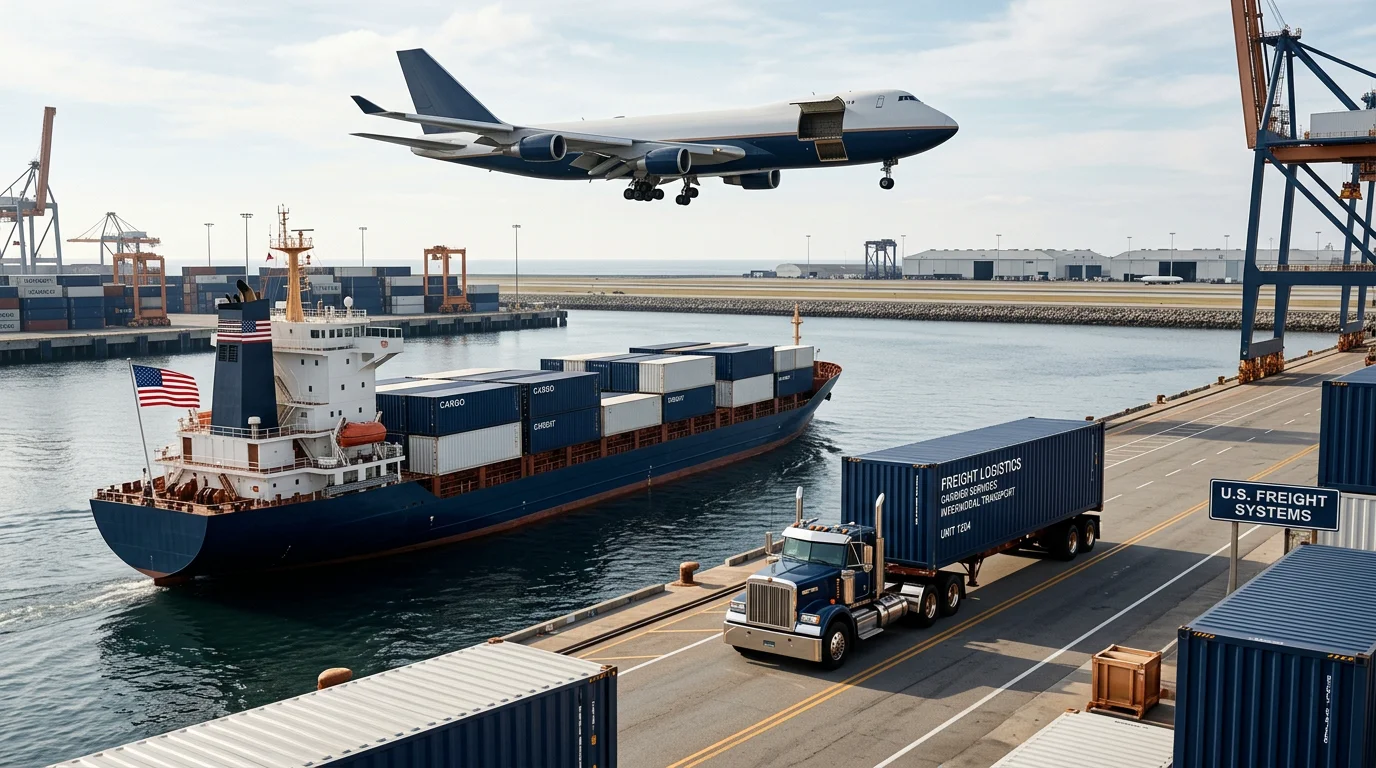
Summary: Under Carriage Paid To, the seller pays freight to the named destination, yet risk shifts to the buyer at the first carrier. It is one of 11 Incoterms 2020 rules.
Many international trade disputes trace back to a single misunderstanding: who bears the loss once goods leave the supplier? The Carriage Paid To rule sits right at the center of that confusion, because it deliberately separates who pays from who is exposed. If you import into the American market, review the CPT incoterm basics (Incoterms overview) before you sign anything.
The reason this matters is simple. The Carriage Paid To rule lets the seller arrange and fund the main carriage while placing transit risk on the buyer far earlier than most people expect. Understanding that gap protects your margins, your insurance decisions, and your customs planning. The sections below break down the obligations, the cost and risk split, and the situations where this term serves you well.
What Carriage Paid To actually means
You will often see the cpt incoterm written on documents as “CPT” followed by a named place, for example “CPT Los Angeles.” It signals that the seller contracts and pays for transportation to that destination, then hands the risk to the buyer much sooner. According to the ICC Academy, the Incoterms rules were first introduced in 1936 and were most recently updated in Incoterms 2020, and Carriage Paid To belongs to the “C” group that applies to any mode of transport.
In practical terms, the seller clears the goods for export, selects the carrier, and pays freight to the agreed destination. The buyer takes over the transit risk the moment the goods reach the first carrier. This flexibility across road, rail, air, sea, and multimodal journeys is what makes the term popular for containerized freight and air shipments.
Where risk and cost part ways
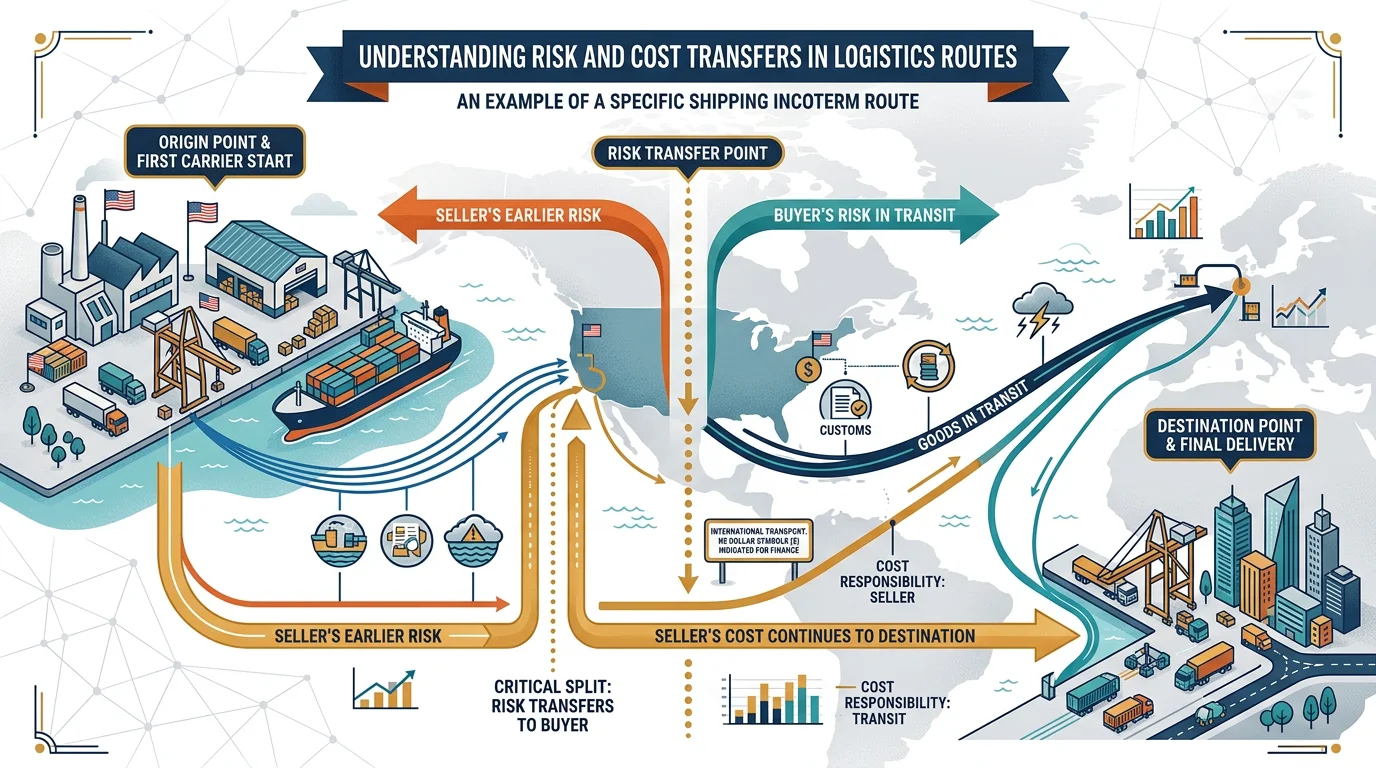
Here is the feature that trips up so many importers. Under Carriage Paid To, cost and risk transfer at different points. The seller pays freight all the way to the named destination, but risk passes to the buyer as soon as the goods are handed to the first carrier at origin.
Picture a supplier shipping auto parts across North America on a multimodal route. The seller keeps paying trucking charges through to the destination plant, yet the buyer carries the risk for the entire road journey. If something goes wrong at a border crossing and no cargo insurance was purchased, the loss falls on the buyer, not the seller who arranged and paid for the transport. This cost-risk misalignment is the defining characteristic of the term and the reason contracts must name the delivery point precisely.
Seller and buyer obligations under CPT
Clear allocation of duties prevents disputes. The table below summarizes who does what once a Carriage Paid To contract is signed.
| Responsibility | Seller | Buyer |
|---|---|---|
| Export packaging and marking | Yes | No |
| Export clearance and formalities | Yes | No |
| Main carriage to named destination | Yes | No |
| Transit risk after first carrier | No | Yes |
| Cargo insurance | Optional, not required | Optional, buyer’s choice |
| Import clearance, duties, taxes | No | Yes |
| Costs beyond the named destination | No | Yes |
For US exporters, one obligation is easy to overlook. Because this is a standard export transaction, the seller or its agent is responsible for submitting the Electronic Export Information through the ACE portal. Missing that step can stall a shipment before it even leaves the country.
CPT vs CIP: the insurance question
Carriage Paid To and Carriage and Insurance Paid To look almost identical. Both require the seller to arrange and pay for transport to the destination, and both transfer risk at the first carrier. The single difference is insurance, and it is a decisive one.
| Attribute | CPT (Carriage Paid To) | CIP (Carriage and Insurance Paid To) |
|---|---|---|
| Mode of transport | Any mode | Any mode |
| Risk transfer point | First carrier at origin | First carrier at origin |
| Cost transfer point | Named destination | Named destination |
| Insurance obligation | None; buyer arranges if desired | Mandatory: Institute Cargo Clauses “A”, 110% of value |
Under Carriage Paid To, the seller has no duty to insure the goods after handover. From that point, arranging coverage through to the final destination is the buyer’s own responsibility and cost. The Incoterms 2020 rules took effect on 1 January 2020, and they preserved this split so buyers can decide whether to buy their own policy or rely on a global cargo program. If you prefer the seller to bundle insurance, choose CIP instead.
When CPT works, and when it does not
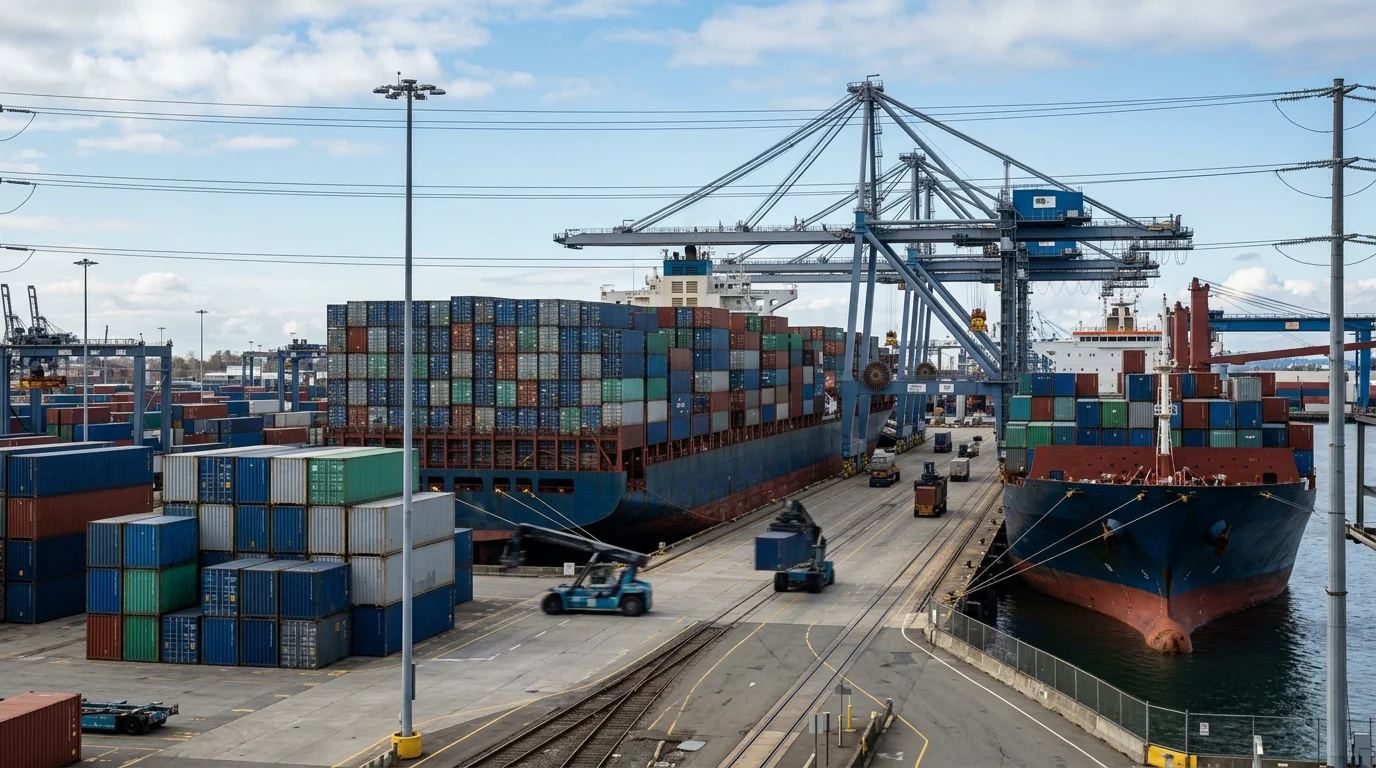
Carriage Paid To fits well when the seller has stronger freight rates or more logistics experience, when a Letter of Credit is involved, or when the buyer wants to reduce day-to-day shipping involvement. It also suits air freight, small parcels, and containerized cargo across multiple carriers.
There is a notable caveat for ocean freight, however. According to Trade Finance Global, despite being recommended for cross-ocean container shipments, in practice CPT is often unworkable there, because most buyers do not want to carry the risk of loss while goods are still in the exporting country. If you are weighing your options, our guide on FOB vs CIF vs DDP (choose the right Incoterm) helps you match the term to your route and budget. For sellers shipping into US Amazon warehouses, a delivered term often removes far more friction than a “C” term ever could.
Common mistakes with Carriage Paid To
The most frequent error is assuming risk stays with the seller until the goods arrive. It does not. The named place of destination tells you where the seller stops paying, not where the seller stops being liable. That distinction is the single most misunderstood point in the entire rule.
Two other pitfalls appear often. First, writing “CPT” without a named place, which leaves the contract incomplete and open to dispute. Second, assuming insurance is included, when it is not. For Amazon sellers who would rather avoid these judgment calls entirely, our comparison of DDP vs DDU (Incoterms comparison) explains why a duties-and-taxes-included model can be simpler than managing a cost-risk split yourself.
Conclusion
The essential takeaway bears repeating: under the Carriage Paid To rule, the seller funds freight to the named destination, but the buyer holds transit risk from the first carrier onward. That gap decides who pays if cargo is damaged, so define the delivery point precisely, decide on insurance early, and never leave the named place blank. For US importers moving goods from China, aligning the Incoterm with your route protects both your budget and your delivery timeline. With our all-inclusive DDP shipping and real-time WhatsApp tracking, we remove the guesswork that terms like CPT can create. To ship with confidence, compare our DAP and DDP FBA solutions and choose the right fit.
Frequently Asked Questions
Does the seller pay for shipping under CPT?
Yes. The seller contracts and pays for the main carriage to the named place of destination. However, the buyer assumes the risk of loss or damage from the moment the goods reach the first carrier.
Is insurance included in the CPT Incoterm?
No. Carriage Paid To does not require the seller to insure the goods. The buyer may arrange and pay for cover independently, or choose the CIP rule, which makes seller insurance mandatory.
Which Incoterm is easier for Amazon FBA sellers?
Many sellers prefer a delivered, duties-included model over a “C” term. Our turnkey DDP service handles collection, customs, and delivery to the Amazon warehouse, so you avoid managing the CPT cost-risk split yourself.
Ready to Optimize Your Amazon Shipping?
Get 3 route options tailored to your products and timeline
Get Your Quote→