Customs Bond for Amazon FBA: Essential for Success

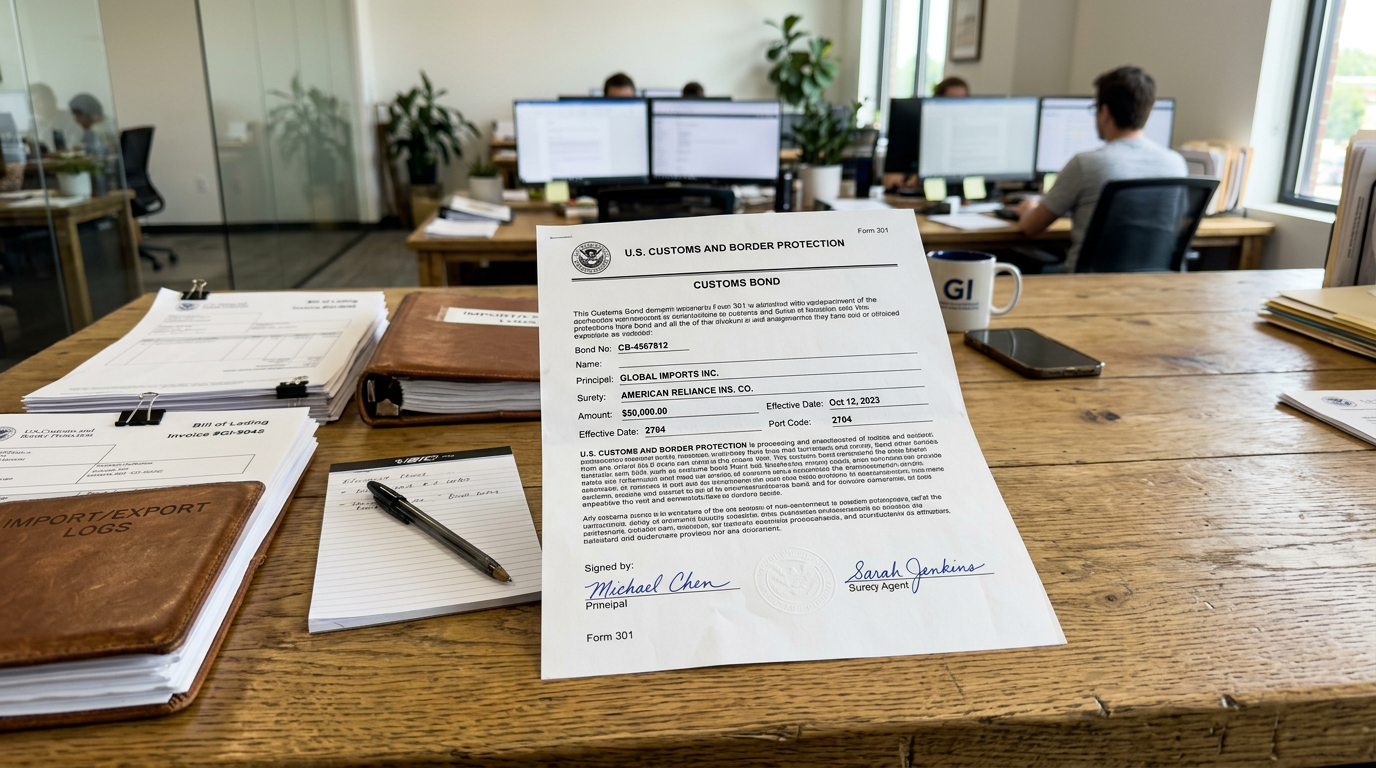
Navigating the complexities of international shipping can feel like walking a tightrope for Amazon FBA sellers. One misstep—like neglecting a customs bond—could send your profits tumbling. A customs bond isn’t just a bureaucratic hurdle; it’s a crucial safeguard that ensures compliance with U.S. regulations and protects your business from costly penalties. This post will unravel the essential role of customs bonds in your Amazon FBA venture, clarifying when they’re required and how they can shield you from unforeseen challenges. Understanding this can be the difference between smooth sailing and a stormy import process.
Customs Bond for Amazon FBA: Essential for Success
A customs bond is a contract mandated by U.S. Customs and Border Protection (CBP) that ensures compliance with customs regulations when importing goods into the United States. This bond serves as a guarantee that all duties, taxes, and penalties accrued during the importation process will be paid.
There are two primary types of customs bonds relevant to Amazon FBA sellers:
- Single-Entry Bond: This type covers one specific shipment and is ideal for sellers making infrequent imports. It is typically used for one-time shipments valued at over $2,500.
- Continuous Bond: This bond is beneficial for sellers who frequently import goods, as it covers all shipments over the course of a year. It streamlines the import process and eliminates the need for multiple bonds for each entry.
Understanding the nuances of customs bonds is crucial for Amazon FBA sellers, as failing to secure the necessary bond can lead to significant delays, penalties, and compliance issues. It’s essential to choose the right type of customs bond based on individual shipping needs and frequency to ensure smooth operations and avoid disruptions in the supply chain.
Importance of Customs Bonds for Amazon FBA
Customs bonds are essential for Amazon FBA sellers to ensure compliance with U.S. Customs regulations. Without a proper customs bond, sellers risk facing significant obstacles, including shipment delays, increased scrutiny from customs, and potential legal penalties.
Key reasons why customs bonds are crucial include:
- Regulatory Compliance: A customs bond guarantees that all duties, taxes, and potential penalties will be paid, thus ensuring adherence to U.S. import regulations.
- Avoiding Shipment Delays: Without a customs bond, shipments may be held at customs, causing delays that can impact inventory levels and sales performance on Amazon.
- Protection Against Legal Issues: Customs bonds provide a layer of protection against legal repercussions that could arise from non-compliance or failure to pay necessary tariffs.
- Facilitating Smooth Importation: Having a customs bond streamlines the import process, allowing for faster clearance and reduced risk of customs audits.
- Building Credibility: Maintaining compliance with customs regulations enhances a seller’s reputation, making them more appealing to logistics partners and potential customers.
The risks of not having a customs bond include:
- Legal penalties and fines for non-compliance
- Increased likelihood of customs inspections
- Financial losses due to shipment delays
- Difficulty in re-establishing a solid operational reputation
In summary, customs bonds are not just a regulatory requirement; they are a fundamental aspect of running a successful Amazon FBA business. Ensuring compliance through a customs bond protects sellers from various risks while facilitating smoother operations and enhancing overall business credibility.
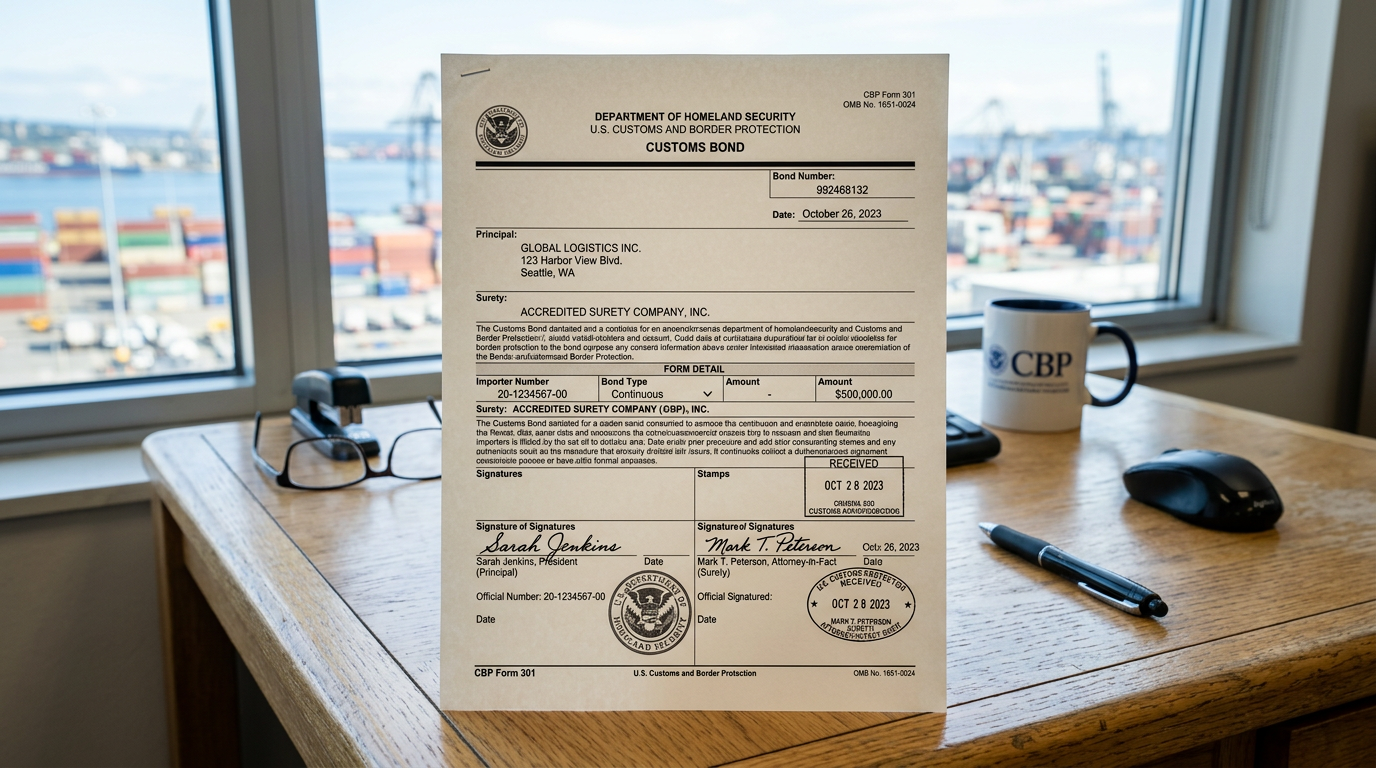
When is a Customs Bond Required?
A customs bond is a necessary requirement for Amazon FBA sellers under specific conditions.
- Value of Goods: A customs bond is mandated when importing goods valued over $2,500. This threshold applies to the total value of the shipment, including all associated costs like shipping and insurance.
- Repeated Shipments: For sellers who import goods frequently, a continuous customs bond may be more practical. This type of bond covers all shipments over a one-year period, streamlining the import process and reducing the need for multiple single-entry bonds.
- High-Risk Products: Certain categories of products, such as those subject to anti-dumping duties or special tariffs, may require a customs bond regardless of their value. Sellers dealing with high-risk items must be particularly diligent in ensuring compliance.
- Customs Broker Recommendations: Often, customs brokers will advise sellers on the necessity of a customs bond based on the nature of their products and shipping frequency. Following their guidance can help sellers avoid compliance issues.
- Special Circumstances: Other scenarios, such as shipping to multiple Amazon fulfillment centers or when importing products that may raise concerns with U.S. Customs, may also necessitate a customs bond.
In summary, Amazon FBA sellers need to secure a customs bond when importing goods above the $2,500 threshold, for regular shipments, or when dealing with high-risk products. Understanding these requirements is crucial for successful compliance and efficient operations.
How to Obtain a Customs Bond
Acquiring a customs bond is a critical step for Amazon FBA sellers to ensure compliance with U.S. customs regulations. Here is a step-by-step guide on how to obtain a customs bond:
- Determine the Type of Bond Needed:
- Single-Entry Bond: Ideal for infrequent importers covering one specific shipment.
- Continuous Bond: Suitable for frequent importers, covering all shipments over a year.
- Gather Required Documentation:
Sellers will need to prepare specific documentation, which may include:
- Business identification information (EIN or SSN)
- Importer Security Filing (ISF)
- Commercial invoices
- Purchase orders
- Select a Customs Broker:
Partnering with a licensed customs broker can streamline the process. Brokers help in:
- Understanding bond types and requirements
- Managing paperwork and compliance issues
- Complete the Application:
The customs broker will assist in filling out the bond application, which typically includes:
- Information about the importer
- Type of bond selected
- Estimated value of the goods being imported
- Payment of Fees:
Fees for customs bonds vary based on the type and provider. Average costs are:
- Single-Entry Bond: $100 to $300 per shipment
- Continuous Bond: $300 to $500 annually
- Receive the Customs Bond:
Once the application is approved and fees are paid, the customs broker will issue the customs bond. This bond must be kept on file for compliance checks.
- Renewal Process:
Continuous bonds require annual renewal. Sellers should keep track of renewal dates to avoid lapses in compliance.
By following these steps, Amazon FBA sellers can efficiently obtain a customs bond, ensuring smooth operations and compliance with U.S. customs regulations.
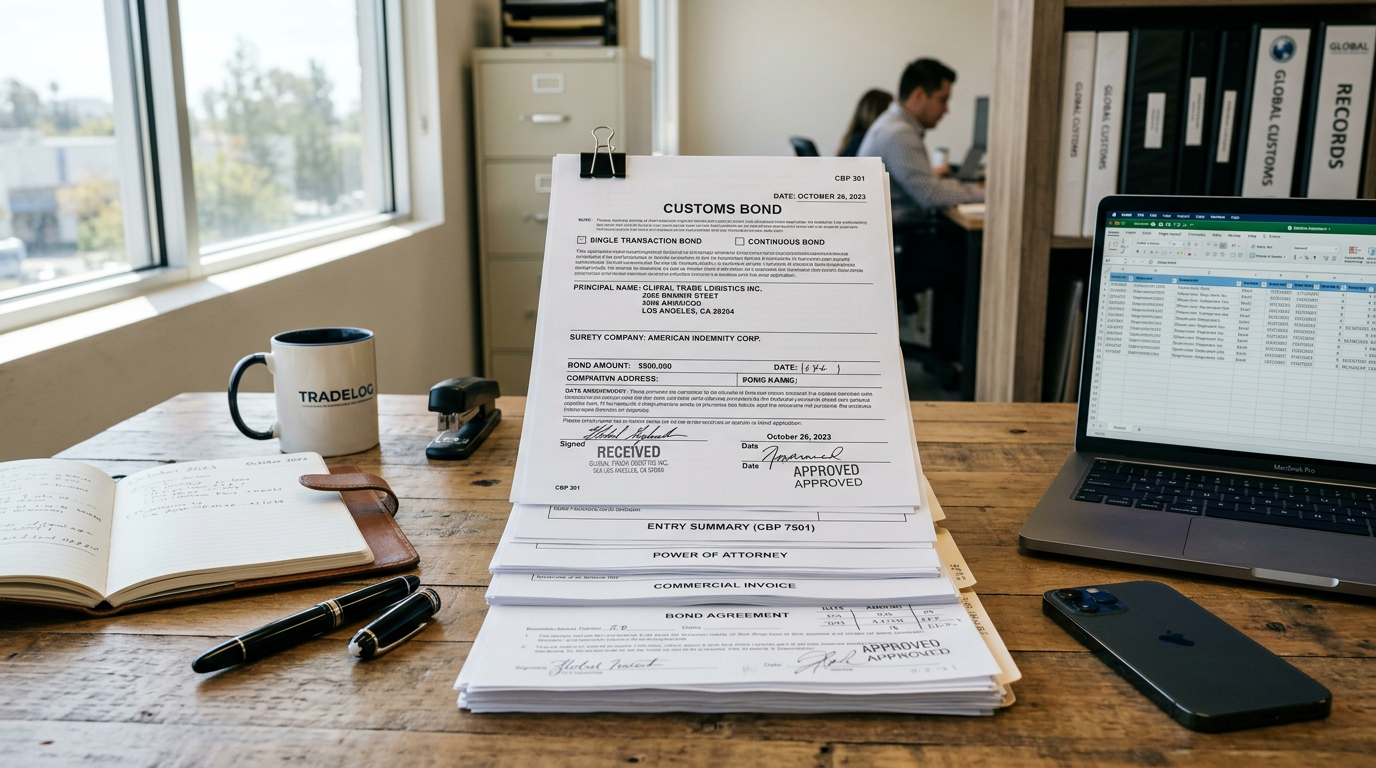
Costs of Customs Bonds
The costs associated with obtaining a customs bond for Amazon FBA can vary significantly based on several factors. On average, customs bonds typically range from $300 to $500 annually.
Key factors influencing the cost of customs bonds include:
- Bond Type:
- Single-Entry Bond: Generally more expensive per shipment, suitable for infrequent importers.
- Continuous Bond: More cost-effective for frequent importers, covering multiple shipments throughout the year.
- Shipment Frequency:
- Sellers with higher shipping volumes may benefit from lower per-shipment costs due to the continuous bond option.
- Risk Assessment:
- Higher-risk shipments may incur additional fees, impacting the overall cost of the bond.
- Broker Fees:
- Working with customs brokers to obtain a bond may involve additional service fees, increasing the overall cost.
- Insurance Considerations:
- Some sellers opt for additional insurance coverage, which can also contribute to total costs.
Here’s a simple breakdown of potential costs associated with customs bonds:
| Bond Type | Average Annual Cost | Notes |
|---|---|---|
| Single-Entry Bond | $300 – $500 | Costs apply per shipment; ideal for occasional importers |
| Continuous Bond | $400 – $600 | Covers all shipments for a year; better for frequent importers |
Understanding these costs is crucial for Amazon FBA sellers to budget effectively and ensure compliance with customs regulations.
Consequences of Not Having a Customs Bond
Failure to secure a customs bond can have serious repercussions for Amazon FBA sellers, impacting their ability to import goods efficiently and legally. The following consequences highlight the importance of obtaining a customs bond:
- Legal Penalties: Without a customs bond, sellers may face fines and sanctions imposed by U.S. Customs and Border Protection (CBP) for non-compliance with import regulations. These penalties can escalate quickly, leading to substantial financial burdens that affect overall profitability.
- Shipment Delays: Customs bonds facilitate the smooth clearance of goods through customs. Without one, shipments are likely to be held for inspection or clearance, resulting in delays that can disrupt inventory levels and negatively impact sales on Amazon. Delayed shipments can lead to stockouts, hurting seller ratings and customer trust.
- Increased Scrutiny: Sellers without a customs bond may attract more attention from customs authorities. This heightened scrutiny can lead to further inspections, which prolongs the import process and adds additional costs and complications.
- Additional Fees: Not having a customs bond can lead to unforeseen expenses, including storage fees for goods held at customs and potential re-inspection fees. These costs can quickly accumulate, undermining profit margins.
- Operational Disruptions: Consistent issues with customs due to the absence of a bond can create instability in the supply chain. Operational disruptions can hinder a seller’s ability to fulfill orders promptly, impacting customer satisfaction and overall business reputation.
In conclusion, the implications of not having a customs bond are significant and can threaten the viability of an Amazon FBA business. By securing a customs bond, sellers can mitigate risks, ensure compliance, and maintain smooth operations.
FAQs about Customs Bonds for Amazon FBA
Common questions arise regarding customs bonds and their relevance for Amazon FBA sellers. Understanding these FAQs can clarify the necessity and management of customs bonds.
- Do foreign sellers need a customs bond?
Yes, foreign sellers importing goods into the U.S. must secure a customs bond if their shipments exceed $2,500 in value. This bond ensures compliance with U.S. customs regulations.
- How do I manage customs bond renewals?
Continuous customs bonds typically require annual renewal. Sellers should track expiration dates and renew the bond in advance to avoid disruptions in their import processes.
- What happens if I don’t have a customs bond?
Without a customs bond, shipments may be held up at customs, leading to delays, fines, and potential legal issues. It is critical for sellers to obtain the necessary bond to ensure smooth importation.
- Can I change my customs bond type?
Yes, sellers can switch between single-entry and continuous bonds based on their import frequency. Consulting with a customs broker can help determine the best option for specific needs.
- What are some tips for avoiding customs bond issues?
- Ensure accurate documentation and compliance with regulations.
- Maintain open communication with customs brokers to address any concerns.
- Keep records of all transactions and bond-related paperwork for reference.
By addressing these common inquiries, Amazon FBA sellers can better navigate the complexities of customs bonds, ensuring compliance and facilitating smoother shipping operations.
Final Words
Final Words
Understanding customs bonds is essential for Amazon FBA sellers to ensure compliance with U.S. regulations. These bonds function as a guarantee for customs duties and can prevent shipment delays and penalties. It’s crucial to know when a customs bond is required, typically for imports over $2,500.
Acquiring a customs bond involves selecting the appropriate type and collaborating with a customs broker, with annual costs ranging from $300 to $500. Failing to secure a customs bond can lead to significant operational setbacks.
Navigating customs bonds effectively can streamline the import process and enhance business success. Recognizing the importance of a customs bond for Amazon FBA can lead to a smoother shipping experience.
FAQ
Q: What is a customs bond?
A: A customs bond is a contract with U.S. Customs and Border Protection that ensures compliance with customs regulations during importation.
Q: Why are customs bonds important for Amazon FBA sellers?
A: Customs bonds are essential for compliance with U.S. Customs regulations, helping Amazon FBA sellers avoid shipment delays and penalties.
Q: When is a customs bond required for Amazon FBA?
A: A customs bond is required for importing goods valued over $2,500 or in cases of repeated shipments and high-risk products.
Q: How can an Amazon FBA seller obtain a customs bond?
A: To obtain a customs bond, sellers must choose the bond type, work with a customs broker, and provide required documentation and fees.
Q: What are the costs associated with customs bonds?
A: Customs bonds typically cost between $300 and $500 annually, influenced by bond type and shipment frequency.
Q: What are the consequences of not having a customs bond?
A: Not securing a customs bond can result in legal penalties, shipment delays, and additional fees, negatively affecting business operations.
Q: What common FAQs exist about customs bonds for Amazon FBA?
A: Common FAQs include the necessity of customs bonds for foreign sellers, bond renewal management, and tips for avoiding bond-related issues.
Ready to Optimize Your Amazon Shipping?
Get 3 route options tailored to your products and timeline
Get Your Quote→