DAP Delivery Terms Explained: Seller and Buyer Duties
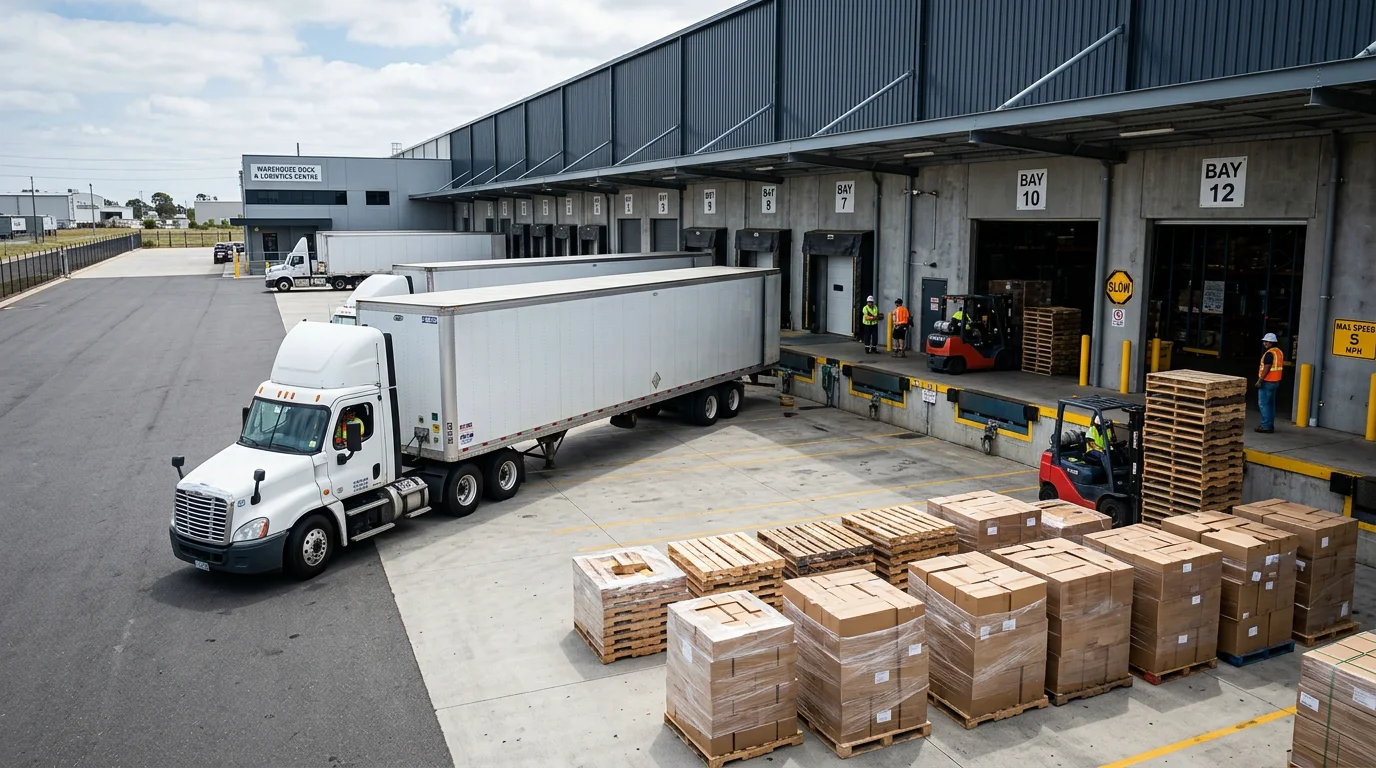
Summary: Under DAP, the seller delivers goods ready for unloading at the named destination and bears all risk until that point; the buyer handles import clearance, duties, and taxes.
International trade depends on a shared vocabulary, and few rules are as widely applied as Delivered at Place. Whether you import consumer goods or restock a warehouse, understanding the DAP delivery terms determines who pays for what and who carries the risk. Our guide to DAP terms in shipping breaks the mechanics down, but the core idea is simple: the seller controls the journey to your door, and you take over at arrival.
These rules are not academic. The U.S. International Trade Administration notes that Incoterms clarify the tasks, costs, and risks borne by buyers and sellers in cross-border transactions. Misreading them leads to unexpected charges, customs delays, and disputes that can stall an entire shipment.
What the DAP Delivery Terms Actually Mean
DAP stands for Delivered at Place, one of eleven rules in the Incoterms 2020 framework. When you evaluate dap delivery terms for a purchase, you are agreeing that the seller carries the goods all the way to a named location in your country. The seller covers export packaging, export clearance, and the main carriage. Risk stays with the seller until the goods arrive ready for unloading.
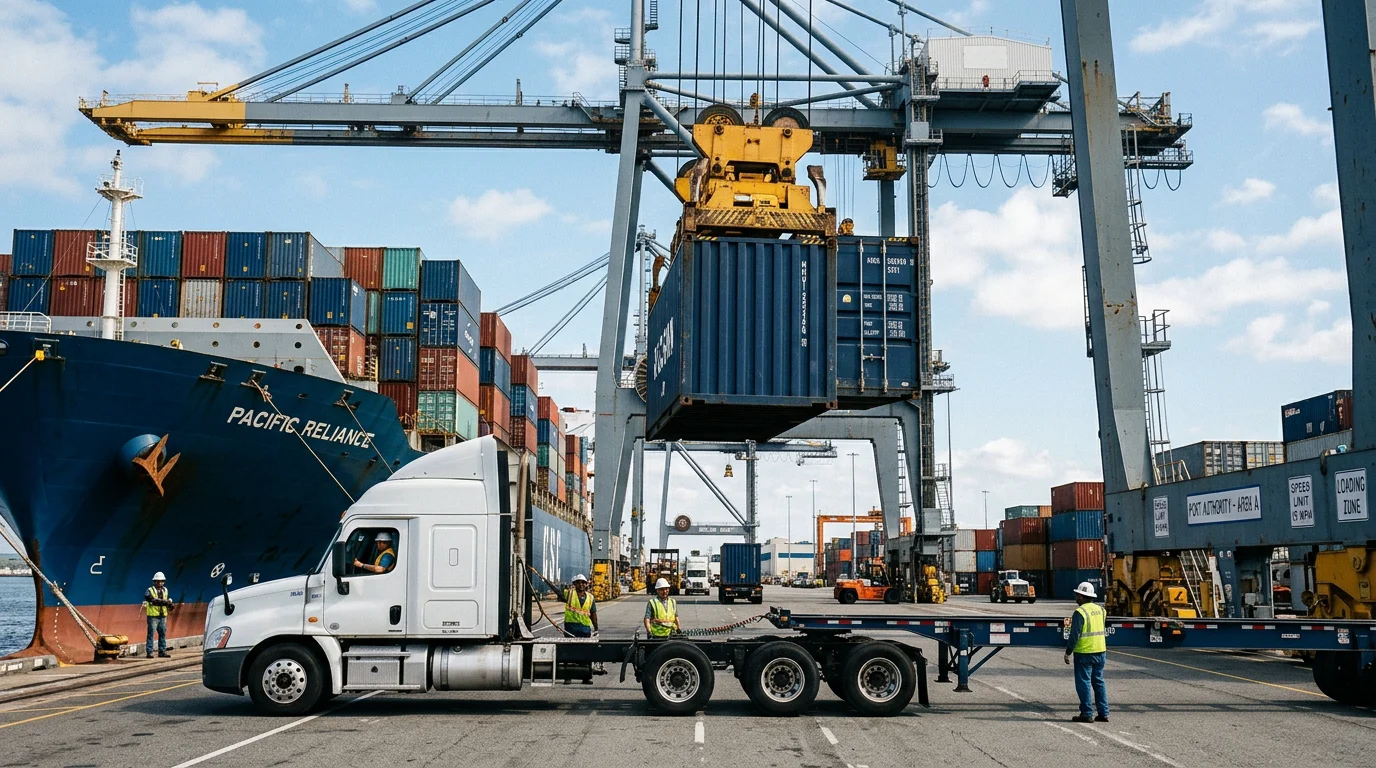
DAP is deliberately flexible. The International Chamber of Commerce, which publishes the rules, confirms DAP can be used for any mode of transport, including multimodal routes. The named place can be a port, an airport, a border crossing, or your own warehouse, provided both parties specify it precisely.
Seller and Buyer Responsibilities at a Glance
The value of DAP lies in a clean division of labor. The seller manages the complex, cross-border half of the journey. You, as the buyer, take responsibility once the truck, plane, or vessel reaches the agreed point. A precise understanding of these buyer and seller obligations prevents the costly surprises that derail delivery schedules.
| Task | Seller | Buyer |
|---|---|---|
| Export packaging and marking | Yes | No |
| Export customs clearance | Yes | No |
| Main carriage to destination | Yes | No |
| Risk during transit | Yes | No |
| Unloading at destination | No | Yes |
| Import clearance | No | Yes |
| Import duties and taxes | No | Yes |
One detail deserves attention. If the seller’s carriage contract includes unloading, the seller generally cannot recover that cost from you unless it was agreed in advance. For a deeper look at where these lines sit within the broader framework, consult our overview of DAP terms in Incoterms.
How DAP Compares With DDP and Other Terms
DAP and DDP are frequently confused because both place heavy responsibility on the seller. The decisive difference is import clearance. Under DAP, you clear customs and pay duties. Under Delivered Duty Paid, the seller absorbs those obligations. According to the published Incoterms overview, DAP replaced the older DDU term, and DAP alongside DDP remains among the preferred choices for sellers who want to offer a high service level.
The table below compares self-managed DAP, self-managed DDP, and our managed DDP service, which is built for sellers who want a single point of accountability from factory to final warehouse.
| Approach | Import clearance handled | Duties and taxes included | Real-time tracking | Quote turnaround |
|---|---|---|---|---|
| DAP (self-managed) | By buyer | No | Depends on carrier | Variable |
| DDP (self-managed) | By seller | Yes | Depends on carrier | Variable |
| Our managed DDP service | Handled end to end | Yes, all-inclusive price | Yes, via WhatsApp 7 days a week | Within 24 hours |
If you sell on Amazon and want to avoid customs bottlenecks entirely, our comparison of DAP versus DDP for Amazon FBA shows where each term saves you money and where it creates headaches.
When DAP Is the Right Choice
DAP suits buyers who possess genuine import expertise. If you hold a strong relationship with a customs broker and understand your national duty schedule, DAP lets you control clearance costs rather than paying the seller to manage them. It also fits trade lanes where no customs process applies between origin and destination, such as movements within a single trading bloc.
DAP is equally attractive for high-value or specialized goods where the seller wants to retain control of the transport chain. Because the seller manages carriers and export documentation, you receive a coordinated shipment without juggling multiple providers. The trade-off is that you must be ready to act at arrival to avoid storage and demurrage charges.
Managing Customs Risk Under DAP
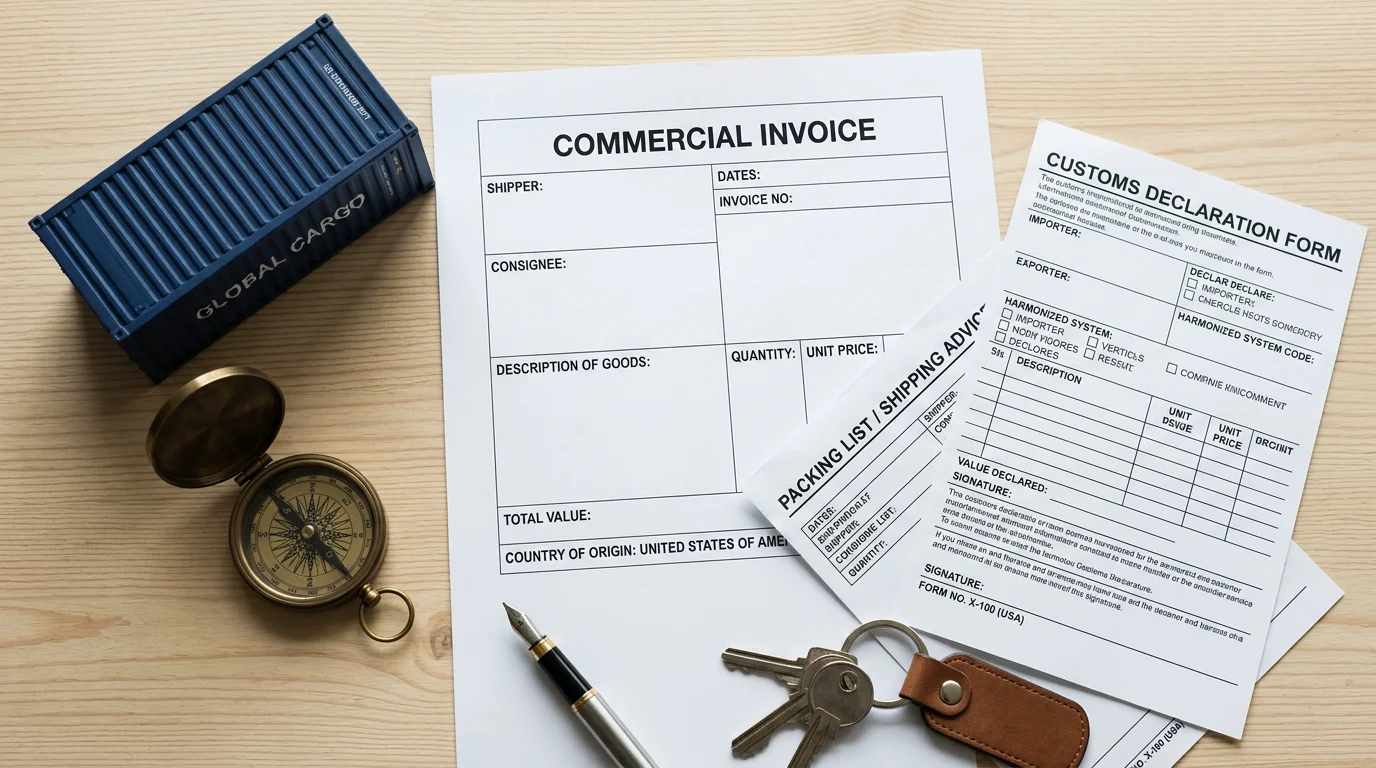
The most common failure point under DAP is the handover at destination. Once goods arrive, the clock starts. If you cannot arrange import clearance promptly, storage fees accumulate at ports and warehouses, and non-compliance with import regulations can trigger fines. For US businesses shipping internationally, Incoterms are used primarily for cross-border movement, so the import step is rarely optional.
Insurance is another consideration. DAP does not require the seller to insure the cargo, so both parties should agree on coverage to protect against loss or damage in transit. Currency fluctuations during a long ocean crossing can also raise your final duty bill if you pay in a foreign currency.
This is where a specialist forwarder changes the equation. We manage collection at the supplier, freight, and clearance under a turnkey DDP model, removing the customs uncertainty that DAP leaves on your shoulders. You receive an all-inclusive price known in advance and step-by-step notifications through WhatsApp, seven days a week. Delivery windows are stated up front: air freight in five to nine days, express sea in twenty-two to twenty-eight days, standard ocean in thirty to forty days, and China to Europe rail in twenty to twenty-five days.
Choosing the Route That Fits Your Budget
DAP defines who does what, but it does not choose your transport mode. The same shipment can travel by air, express sea, ocean, or rail, each with a different cost and lead time. Aligning the term with the right route is what protects your margin. Our explanation of DAP in Incoterms covers how the term interacts with each mode of transport.
For sellers restocking Amazon warehouses, urgency and volume drive the decision. Small, time-sensitive batches favor air. Large, planned replenishments favor ocean. We return three route options with prices and estimated transit times within twenty-four hours, so you compare before you commit.
Conclusion
The heart of the DAP delivery terms is a single handover point: the seller carries all risk and cost until the goods sit ready for unloading at your named place, and you take over import clearance, duties, and taxes from there. Choose DAP when you have the import capability to manage that final stretch, and choose a fuller service when you do not. Getting this decision right protects you from the storage fees and clearance delays that quietly erode margins. With route testing and end-to-end DDP handling, we help sellers cut typical shipping costs by ten to twenty percent per shipment while removing customs risk entirely. To move your next order with confidence, compare our DDP shipping options for Amazon FBA.
Frequently Asked Questions
Who pays import duties under DAP?
The buyer pays all import duties and taxes under DAP. The buyer also arranges import customs clearance and unloads the goods at the named destination. The seller’s responsibility ends when the goods arrive ready for unloading.
What is the difference between DAP and DDP?
Under DAP, the buyer handles import clearance and pays duties and taxes. Under DDP, the seller takes on those obligations. If you prefer a fully handled process, our managed DDP service covers clearance, duties, and delivery to the final warehouse.
Can DAP be used for any mode of transport?
Yes. DAP works for air, sea, road, rail, and multimodal shipments. This flexibility makes it one of the most versatile Incoterms, provided both parties name the exact place of delivery in the sales contract.
Ready to Optimize Your Amazon Shipping?
Get 3 route options tailored to your products and timeline
Get Your Quote→