DAP Terms in Shipping: A Practical Guide for Importers
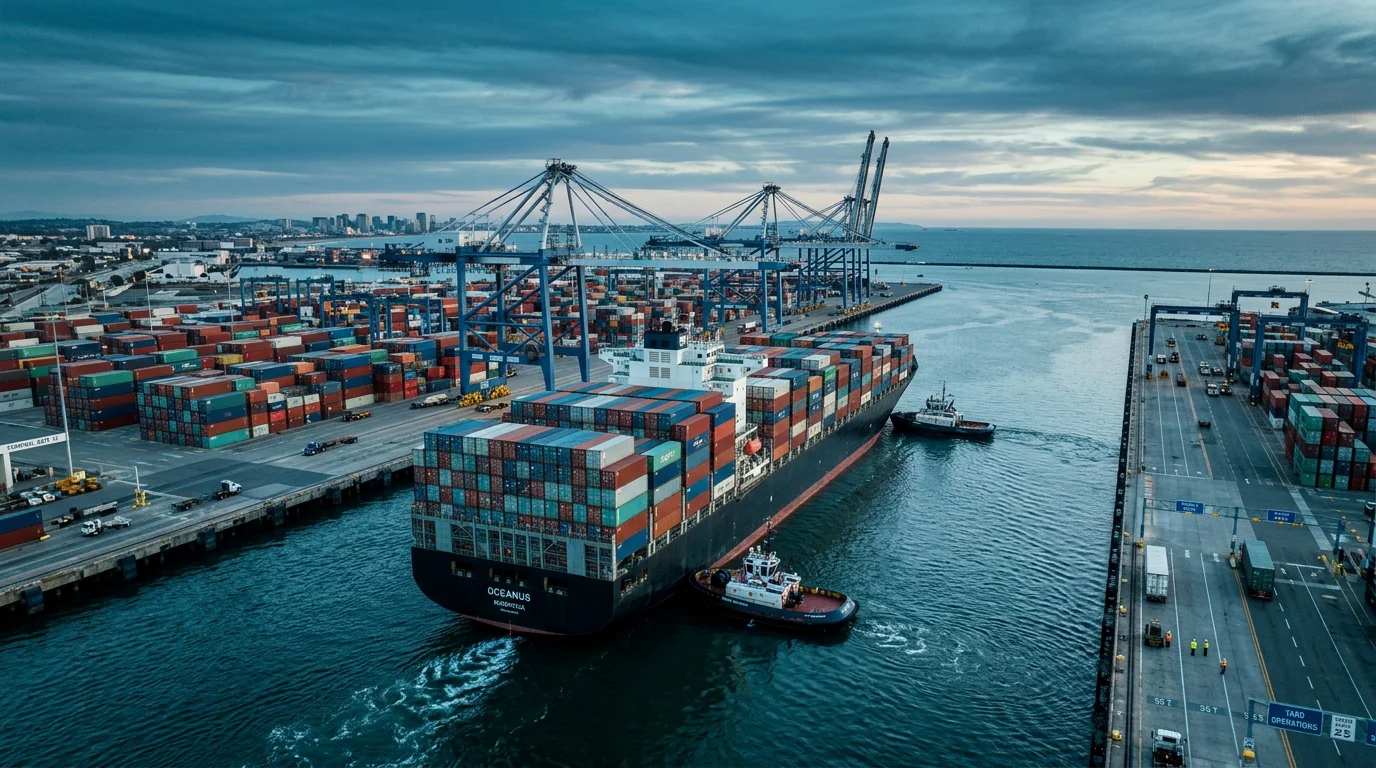
Summary: Under DAP (Delivered at Place), the seller pays freight and carries all risk to the named destination, while the buyer handles unloading, import clearance, duties, and taxes.
One three-letter code decides who pays for freight, who absorbs the risk of damage, and who is left holding a surprise customs bill at the destination. For any importer moving goods across borders, the DAP terms in shipping sit at the center of that decision. Choosing them without understanding the fine print is how a smooth shipment turns into a dispute. To help you plan every leg from factory to warehouse, our DAP delivery service is built around exactly these rules.
Delivered at Place is one of eleven Incoterms published by the International Chamber of Commerce, and it is among the most widely used in global trade. It works across sea, air, rail, and road, which makes it a natural fit for modern multimodal supply chains. Yet its flexibility is precisely where confusion begins, especially around the moment risk passes from seller to buyer.
What Delivered at Place Actually Means
Put simply, the DAP terms in shipping define exactly where a seller’s job ends and a buyer’s begins. Under Delivered at Place, the seller arranges and pays for carriage to a named place of destination and bears every risk until the goods arrive there, ready to be unloaded. The buyer then takes over unloading, import customs clearance, and any duties or taxes.
The named place can be almost anywhere the buyer chooses: a port terminal, a distribution center, a factory, or an e-commerce fulfillment hub. A common misconception is that delivery must occur at the buyer’s premises. In reality, the destination only needs to be agreed and stated precisely in the contract. Vague wording is a frequent source of disputes, so the exact address and unloading point should be spelled out before the first pallet moves.
Seller and Buyer Responsibilities at a Glance
Delivered at Place is often described as a seller-heavy term, and for good reason. The seller manages export packaging, export clearance, the main carriage, and delivery to the named place. Crucially, the seller also assumes the risk of loss or damage during transit, which is a significant commitment on long ocean legs.
The buyer’s obligations are narrower but far from trivial. The buyer unloads the arriving vehicle, files import formalities, and pays duties and taxes. If the destination country requires a local entity to act as importer of record, that responsibility also lands on the buyer. Where a buyer prefers to avoid that burden entirely, DDP becomes the alternative, a comparison we break down in our DAP vs DDP comparison for Amazon FBA.
DAP vs DDP: The Single Difference That Matters
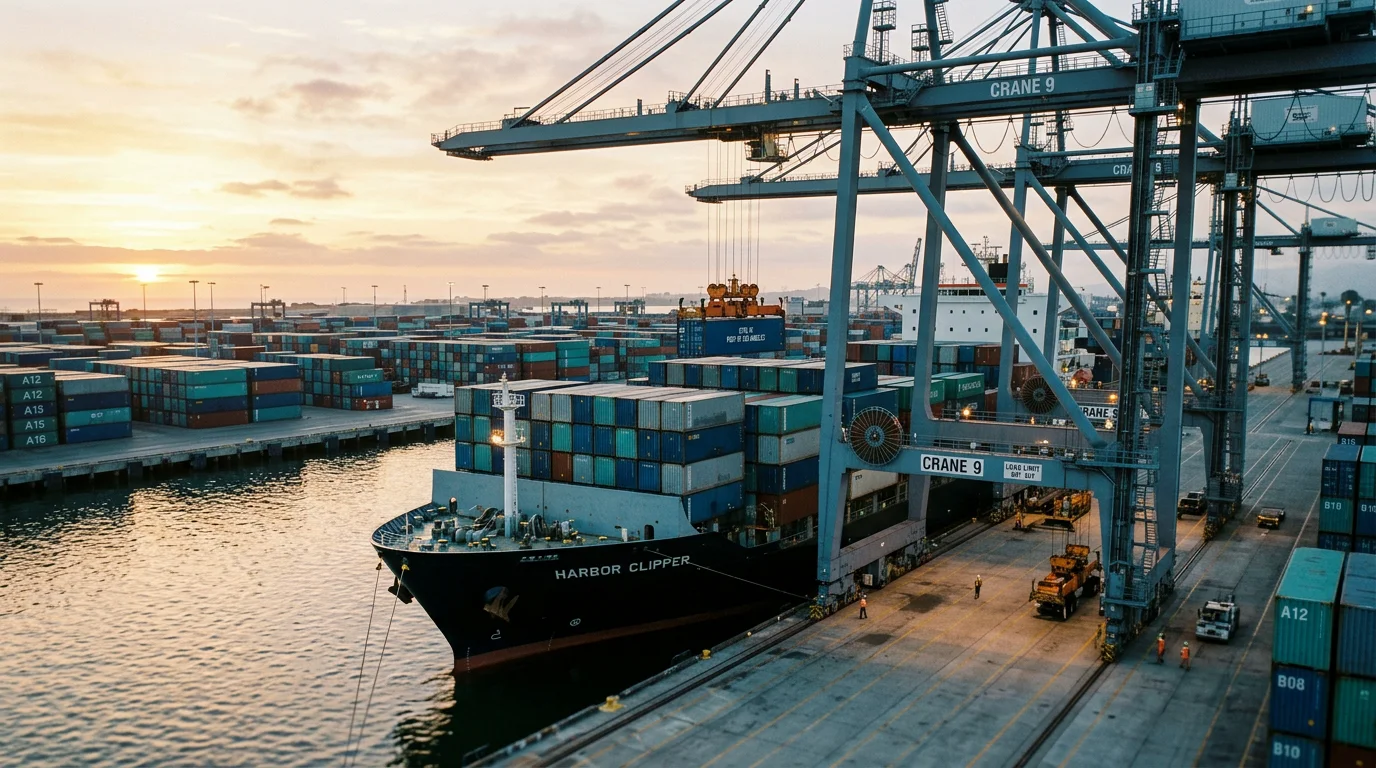
DAP and DDP look almost identical on paper. In both, the seller arranges transport, carries the risk to destination, and hands goods over ready for unloading. The dividing line is import clearance. According to the ICC Academy, the buyer performs and pays for import clearance under DAP, whereas the seller shoulders that entire process under DDP.
That distinction has real consequences. A foreign seller may struggle, or be legally barred, from acting as importer in the destination country. When local rules require a domestic importer, DDP simply cannot be used and DAP becomes the practical choice. Conversely, if you want a single all-inclusive price with no customs surprises at your door, DDP shifts that work back to the seller. For sellers shipping into the American market, that trade-off between control and convenience is the core of the decision.
| Freight mode | Typical transit time | Best fit under DAP planning |
|---|---|---|
| Air freight (our route) | 5 to 9 days | Urgent, high-value restocks |
| Express sea (our route) | 22 to 28 days | Balanced cost and speed |
| Rail freight (our route) | 20 to 25 days | Reliable China to Europe lanes |
| Ocean freight (our route) | 30 to 40 days | Lowest cost, planned volume |
When DAP Is the Right Choice, and When It Is Not
Delivered at Place suits containerized and multimodal shipments where the seller can efficiently manage the main carriage while the buyer keeps control of local import processes. It gives buyers predictability on freight without surrendering authority over customs decisions in their own country.
There are limits, however. As Trade Finance Global notes, DAP works cleanly for land transport within a single customs area but can become problematic in cross-ocean trade, where goods often sit in a bonded warehouse or terminal until the buyer completes import formalities. If clearance stalls, the cargo waits, and demurrage can accumulate. This is where an experienced freight forwarder earns its keep, aligning vessel arrival with customs readiness so the goods keep moving.
Getting the DAP Contract Right
Small drafting errors cause outsized problems. The safest practice is to write the full term, the exact named place, and the version year together. Legal specialists at Quarles recommend a format such as “DAP Buyer’s Facility, city, state (Incoterms 2020),” and warn against mixing an Incoterm with contract clauses that contradict it on freight or risk transfer.
Two further safeguards matter. First, confirm insurance expectations in writing, because DAP does not obligate the seller to insure the goods even though the seller carries the risk. Second, agree who pays for unloading at the named place, since ambiguity there is a recurring dispute. If you want the full mechanics behind each obligation, our DDP and DAP customs clearance guide walks through them step by step.
Common Mistakes That Cost Importers Money
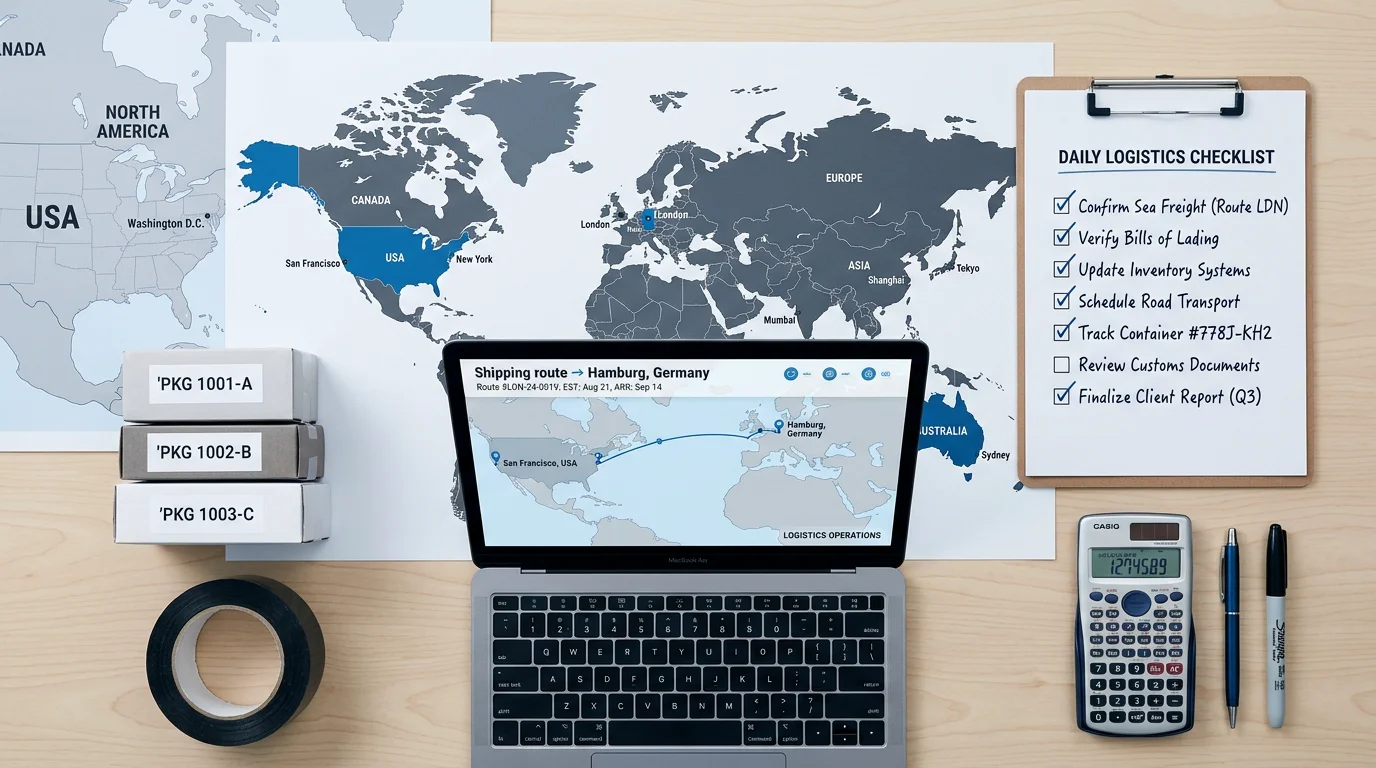
The most frequent error is assuming DAP means the seller handles duties. It does not. Duties, taxes, and import clearance remain squarely with the buyer, and budgeting for them late is how margins erode. A second mistake is naming a vague destination, which leaves both parties arguing over where risk actually passed.
A third pitfall is applying a maritime-only term such as FOB to a multimodal move that should have used DAP. Because Delivered at Place accepts any mode of transport, including combined sea, rail, and road, it removes that mismatch. Planning the customs step in advance, rather than reacting to it, is what separates a predictable arrival from an expensive one.
Conclusion
The Delivered at Place terms reward clarity and punish vagueness. The seller carries freight and risk to a precise named place; the buyer owns unloading, import clearance, and the duty bill. Get the named place, the version year, and the insurance and unloading responsibilities written down, and most disputes disappear before they start. Remember the one figure that defines the term: the buyer, not the seller, pays every import duty under DAP. Choosing the right Incoterm is easier when a single partner manages pickup, freight, clearance, and final delivery with routes already tested for cost and speed. To ship with confidence from China to your warehouse, request a free quote for our DDP and DAP clearance and remove the guesswork.
Frequently Asked Questions
Who pays customs duties under DAP terms?
The buyer pays all import duties and taxes under DAP, along with import customs clearance and unloading. The seller covers export clearance, freight, and risk up to the named place of destination.
Is DAP the same as DDP?
No. Both require the seller to deliver to the destination and carry the risk in transit, but under DAP the buyer handles import clearance, while under DDP the seller pays duties and clears the goods for import.
Can DAP be used for Amazon FBA shipments?
Yes, the named place can be an Amazon fulfillment center. However, you must handle import clearance yourself, which is why many sellers prefer our managed DDP option for a single all-inclusive price with no customs surprises.
Ready to Optimize Your Amazon Shipping?
Get 3 route options tailored to your products and timeline
Get Your Quote→