DDP vs DDU for Amazon FBA: Save Money and Stress


Navigating the shipping landscape can feel like walking a tightrope—choose the wrong method, and it could cost you time and money. For Amazon FBA sellers, understanding the differences between Delivered Duty Paid (DDP) and Delivered Duty Unpaid (DDU) is crucial. While DDP promises a hassle-free experience with all duties included, DDU lures sellers in with its seemingly lower upfront costs. This blog post will dissect these two shipping methods, revealing which one offers genuine savings and less stress, empowering sellers to make informed decisions in their import logistics.
Understanding DDP and DDU
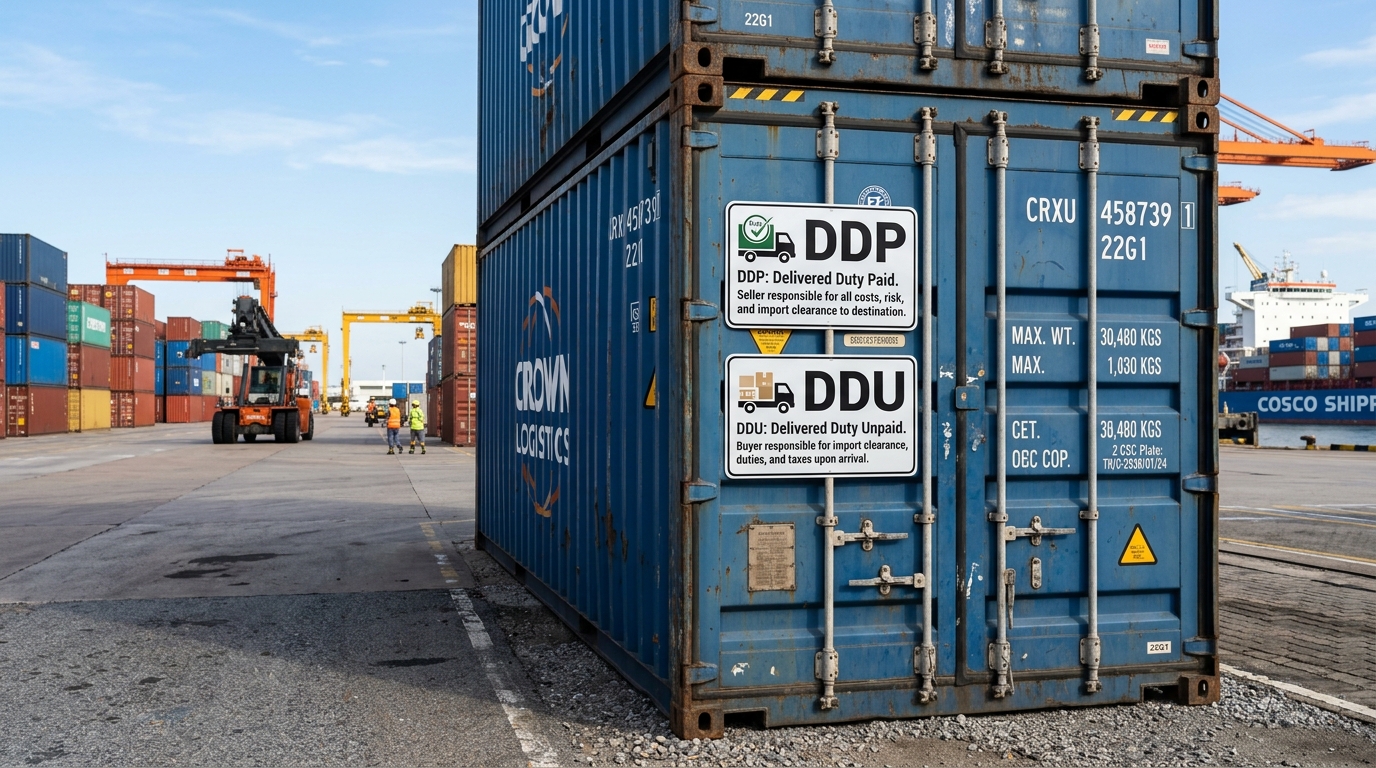
DDP (Delivered Duty Paid) and DDU (Delivered Duty Unpaid) are two crucial shipping methods for Amazon FBA sellers, each with distinct implications for cost and logistics.
- DDP: This method includes all duties and taxes in the shipping cost, meaning that sellers pay upfront for customs duties. The responsibility for customs clearance lies with the seller, ensuring a smoother delivery process without unexpected fees upon arrival. This simplifies logistics, especially for sellers unfamiliar with international shipping regulations.
- DDU: In contrast, DDU leaves customs duties unpaid until the shipment arrives at the destination. This method may appeal to sellers looking to minimize initial shipping costs. However, it can lead to complications such as unexpected fees or delays during customs clearance, as the buyer is responsible for settling duties and taxes.
Key Differences:
| Feature | DDP | DDU |
|---|---|---|
| Duties and Taxes | Paid upfront | Paid upon delivery |
| Customs Clearance | Seller handles | Buyer handles |
| Risk of Unexpected Fees | Minimal | Significant |
| Complexity for Sellers | Lower | Higher |
| Ideal for | New sellers or those seeking simplicity | Cost-conscious sellers familiar with customs |
Understanding these differences allows Amazon FBA sellers to make informed decisions based on their logistical capabilities and financial considerations. DDP generally offers a less stressful experience by eliminating uncertainties, while DDU may require more involvement and awareness of potential costs.
Cost Implications
When evaluating DDP (Delivered Duty Paid) versus DDU (Delivered Duty Unpaid) for Amazon FBA shipments, understanding the cost implications is essential for making an informed decision.
- DDP Costs: While DDP may initially appear more expensive due to the inclusion of all duties and taxes in the shipping cost, it offers a clear financial advantage by eliminating unexpected fees. Sellers know their total expenses upfront, which aids in budgeting and financial planning. This predictability is crucial for sellers who want to avoid surprises that can disrupt their cash flows.
- DDU Costs: DDU might seem attractive due to its lower initial shipping costs; however, the potential for hidden fees can lead to a higher total cost. Since customs duties are paid upon delivery, sellers may face additional charges that were not accounted for in their initial calculations. These fees can include import duties, customs handling fees, and storage costs if the shipment gets held up at customs.
- Total Cost Comparison: The overall financial impact becomes clearer when analyzing both methods.
| Shipping Method | Initial Costs | Potential Hidden Fees | Total Cost Predictability |
|---|---|---|---|
| DDP | Higher upfront | None | High |
| DDU | Lower upfront | Possible (customs duties, handling fees) | Low |
Choosing DDP allows sellers to streamline their budgeting process, while DDU can complicate financial projections with unexpected costs. Ultimately, DDP provides a more straightforward approach, saving sellers from potential headaches associated with hidden fees and compliance issues during customs clearance.
Customs Responsibilities
Understanding customs responsibilities is crucial for Amazon FBA sellers when choosing between DDP (Delivered Duty Paid) and DDU (Delivered Duty Unpaid). Each method has distinct implications regarding who manages customs clearance and the potential complications that may arise.
- DDP Responsibilities: Under DDP, the seller assumes full responsibility for customs clearance. This means that the seller handles all import duties, taxes, and paperwork necessary for the shipment to clear customs. By managing these aspects, DDP minimizes the risk of delays and unexpected fees. Sellers with limited logistics experience benefit from this streamlined process, as they avoid the complexities of dealing with customs authorities.
- DDU Responsibilities: In contrast, DDU places the customs clearance burden on the buyer. This means that once the shipment arrives at the destination, the buyer is responsible for paying all applicable duties and taxes. The buyer must also navigate the customs process, which can lead to significant challenges. Delays may occur if the buyer is unprepared or unaware of the necessary documentation and fees. Such complications can disrupt inventory flow and lead to increased costs.
Key Risks Associated with DDU:
| Risk | Description |
|---|---|
| Unexpected Fees | Buyers may face additional costs that were not initially budgeted. |
| Delays in Customs Clearance | Lack of experience can lead to hold-ups, impacting delivery times. |
| Paperwork Complexity | Buyers must manage all required documentation, increasing their workload. |
By clarifying these responsibilities, Amazon FBA sellers can make informed decisions that align with their logistical capabilities and risk tolerance. Choosing DDP can significantly reduce stress and ensure a more predictable shipping experience, allowing sellers to focus on growing their businesses.
DDP vs DDU for Amazon FBA: Save Money and Stress
When considering DDP (Delivered Duty Paid) and DDU (Delivered Duty Unpaid) for Amazon FBA shipments, it’s essential to evaluate the pros and cons of each method. This analysis assists sellers in making informed decisions that can save both money and headaches.
Pros of DDP:
- All-Inclusive Costs: DDP includes all duties and taxes in the shipping price, providing clarity on total costs.
- Simplified Customs Process: The seller manages customs clearance, reducing the risk of complications at the destination.
- Reduced Risk of Delays: With duties pre-paid, shipments are less likely to be held up at customs, ensuring a smoother delivery to Amazon fulfillment centers.
- Better Budgeting: Sellers can plan their finances more effectively, as there are no unexpected expenses after shipment.
- Ideal for Inexperienced Sellers: DDP is suitable for sellers who may not be familiar with international shipping and customs regulations.
Cons of DDP:
- Higher Upfront Costs: DDP may seem more expensive initially, which could deter budget-conscious sellers.
- Less Flexibility: Once the shipment is sent, there are fewer options for adjusting costs or duties.
Pros of DDU:
- Lower Initial Shipping Costs: DDU may present a more budget-friendly option upfront, appealing to cost-sensitive sellers.
- Potential for Savings: If duties are lower than expected, sellers could save money compared to DDP.
Cons of DDU:
- Unpredictable Costs: DDU can lead to unexpected fees and expenses that arise during customs clearance, complicating budgeting.
- Increased Complexity: The buyer is responsible for customs duties, which can result in logistical headaches and delays.
- Higher Risk of Delays: Shipments may be held up at customs if duties aren’t paid promptly, impacting delivery timelines.
Summary Table:
| Shipping Method | Pros | Cons |
|---|---|---|
| DDP |
|
|
| DDU |
|
|
Evaluating these pros and cons enables Amazon FBA sellers to make strategic decisions about which shipping method best aligns with their operational needs and risk tolerance.
DDP vs DDU for Amazon FBA: Save Money and Stress
Selecting between DDP (Delivered Duty Paid) and DDU (Delivered Duty Unpaid) shipping methods is pivotal for Amazon FBA sellers aiming to minimize both costs and logistical complications. Here are practical tips to guide sellers in making the best choice:
- Evaluate Shipping Needs: Assess your product type, destination, and urgency. DDP is often better for high-value goods or when speed is essential, as it simplifies customs processes.
- Understand Cost Structures: Analyze the total costs associated with each method. Factor in potential hidden fees with DDU that can occur during customs clearance. DDP is generally more predictable, which aids in budgeting.
- Consult Logistics Experts: Seek advice from freight forwarders or logistics professionals familiar with DDP and DDU. Their insights can help identify the most cost-effective and least stressful shipping option tailored to your business.
- Plan for Customs Compliance: If opting for DDU, ensure you or your designated agent is well-versed in customs regulations and duties for your target market. This knowledge will help avoid delays and additional costs.
| Tip | DDP Advantage | DDU Advantage |
|---|---|---|
| Shipping Need Evaluation | Simplifies process for urgent shipments | Cost-effective for lower-value goods |
| Cost Structure Understanding | Predictable total costs | Lower initial costs available |
| Expert Consultation | Reduces risks of customs issues | Can leverage cost-saving opportunities |
| Customs Compliance Planning | Seller handles all duties upfront | Buyer has more control over duties |
By implementing these strategies, Amazon FBA sellers can effectively navigate the complexities of international shipping while minimizing headaches and optimizing their logistics operations.
Final Words
Final Words
Navigating the complexities of DDP and DDU shipping methods for Amazon FBA requires careful consideration. Understanding the differences between DDP and DDU is essential, as DDP minimizes unforeseen costs while DDU may introduce hidden fees. Furthermore, customs responsibilities vary significantly between these two options, impacting sellers’ experiences.
Ultimately, DDP offers a streamlined process with fewer headaches, making it a preferable choice for many sellers. By evaluating shipping needs and adhering to practical tips, sellers can optimize their logistics and enhance their operations. DDP vs DDU for Amazon FBA: Which Saves You More Headaches? The answer lies in assessing individual circumstances and making informed decisions.
FAQ
Q: What is DDP in the context of Amazon FBA?
A: DDP (Delivered Duty Paid) means that all duties and taxes are included in the shipping cost, ensuring seamless delivery for sellers and buyers.
Q: What is DDU in the context of Amazon FBA?
A: DDU (Delivered Duty Unpaid) leaves customs duties unpaid until the shipment arrives, creating potential complications for the buyer.
Q: What are the key differences between DDP and DDU?
A: DDP simplifies shipping by covering all costs, while DDU places the responsibility for customs duties on the buyer, potentially leading to unexpected fees.
Q: How do DDP and DDU costs compare?
A: DDP may seem more expensive upfront but usually avoids hidden fees, whereas DDU can incur unexpected costs, increasing total shipping expenses.
Q: Who is responsible for customs clearance with DDP?
A: With DDP, the seller manages all customs duties, simplifying the process; DDU requires the buyer to handle customs clearance, which can complicate deliveries.
Q: What are the pros of using DDP?
A:
- All costs, including duties, are covered.
- Simplifies customs processes.
- Reduces risk of unexpected fees.
- Enhances buyer satisfaction.
Q: What are the cons of using DDP?
A:
- Potentially higher upfront costs.
- Less flexibility in shipping options.
- May reduce negotiation power on duties.
Q: What are the pros of using DDU?
A:
- Lower initial shipping costs.
- Greater buyer control over duty payments.
- Flexibility in payment timing.
Q: What are the cons of using DDU?
A:
- Risk of unexpected fees upon arrival.
- Complicated customs clearance for buyers.
- Can lead to delivery delays.
Q: What practical tips should Amazon FBA sellers consider?
A:
- Assess specific shipping needs before choosing.
- Understand the complexities and risks of each method.
- Consult with logistics experts for tailored advice.
- Plan for potential hidden costs with DDU.
Ready to Optimize Your Amazon Shipping?
Get 3 route options tailored to your products and timeline
Get Your Quote→