Define FOB: Essential Insights for Amazon FBA Newcomers


Navigating the world of shipping can feel overwhelming, especially for newcomers to Amazon FBA. One term that often leaves sellers perplexed is FOB, or Free On Board. Understanding FOB is not just a matter of semantics; it can significantly impact costs and risk management in the e-commerce landscape. This blog post will decode the meaning of FOB, clarify its role in Amazon FBA transactions, and differentiate it from other shipping terms. By the end, readers will grasp the essential insights that make FOB a crucial element in their logistics strategy.
What is FOB (Free On Board)?
FOB stands for Free On Board, a crucial term in shipping that indicates the point at which the responsibility for goods transfers from the seller to the buyer. This transfer is vital in determining shipping costs and managing risk during transportation.
In an FOB agreement, the seller is responsible for all costs and risks associated with transporting the goods until they reach the specified FOB point. This point can either be the seller’s location (FOB Origin) or the buyer’s location (FOB Destination).
Key Points of FOB:
- FOB Origin: The seller’s responsibility ends when the goods are loaded onto the shipping vessel at their location. The buyer assumes all risks and costs from that point forward.
- FOB Destination: The seller retains responsibility and risk until the goods arrive at the buyer’s location. This means the seller covers shipping costs and risk during transit.
Significance of FOB:
- Cost Determination: Understanding FOB terms helps sellers calculate total shipping costs accurately, including potential duties and fees.
- Risk Management: Knowing when responsibility shifts allows sellers to implement appropriate risk mitigation strategies, such as insurance or additional packaging.
FOB is essential for Amazon FBA sellers who need to navigate complex logistics and ensure compliant and cost-effective shipping solutions. Understanding FOB enables sellers to make informed decisions that impact their overall supply chain efficiency.
FOB in the Context of Amazon FBA
In Amazon FBA, understanding FOB is crucial for both sellers and buyers, as it delineates the responsibilities and risks associated with shipping. The FOB agreement plays a significant role in determining who bears the costs and liabilities during transportation.
Seller Responsibilities:
- Shipping Costs: The seller is responsible for all shipping costs until the goods reach the designated FOB point, which can be either the seller’s location (FOB Origin) or the buyer’s location (FOB Destination).
- Risk Management: Sellers must manage risks associated with the goods during transit. This includes ensuring proper packaging, selecting reliable freight carriers, and obtaining necessary insurances.
- Documentation: Sellers are required to prepare essential shipping documents, such as the commercial invoice and bill of lading, to facilitate customs clearance and compliance.
- Customs Duties: If the FOB point is at the buyer’s location, the seller may still need to handle certain customs duties or fees until the buyer takes possession.
Buyer Responsibilities:
- Costs Post-FOB Point: Once the goods reach the FOB point, the buyer assumes responsibility for all associated costs, including shipping, customs duties, and taxes.
- Risk Assumption: The buyer becomes responsible for any risks related to damage or loss of goods after the FOB point has been reached. This highlights the importance of insurance for high-value items.
- Compliance: Buyers must ensure compliance with import regulations and may need to provide documentation for customs clearance upon arrival.
Impact on Costs and Risks:
Understanding the division of responsibilities in an FOB agreement can significantly impact the total costs and risk management strategies for Amazon FBA sellers. Properly structuring the FOB terms can lead to:
- Cost Efficiency: Sellers can optimize shipping costs by choosing the most favorable FOB terms based on their logistical capabilities.
- Risk Mitigation: By clearly defining responsibilities, both parties can implement appropriate measures to mitigate risks related to the shipment.
By grasping the dynamics of FOB agreements, Amazon FBA newcomers can make informed decisions that enhance their shipping efficiency and overall business performance.
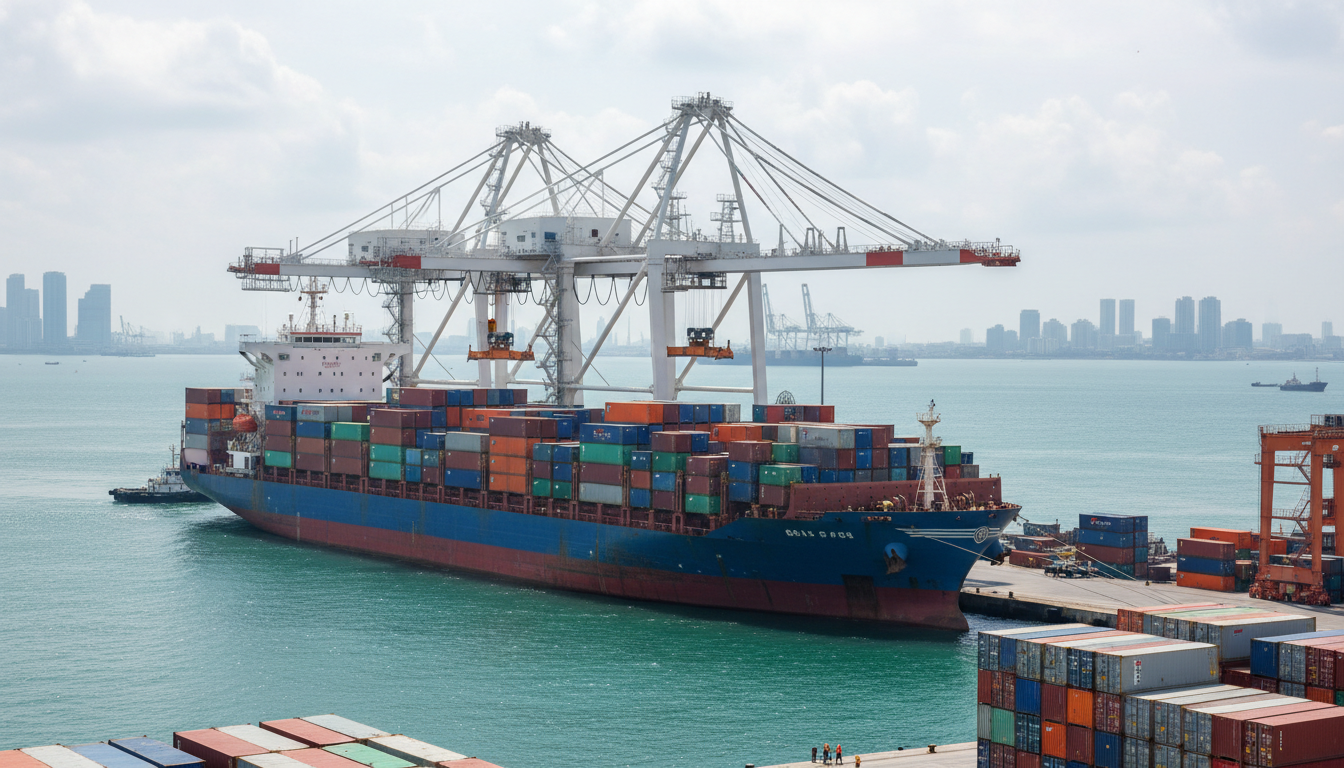
Examples of FOB Scenarios
Understanding the differences between FOB Origin and FOB Destination is critical for Amazon FBA newcomers. Each scenario carries distinct implications for shipping costs and risk management.
FOB Origin
- Definition: In the FOB Origin scenario, the seller’s responsibility ends when the goods are loaded onto the shipping vessel at their location.
- Implications:
- Cost Responsibility: The buyer assumes all shipping costs and risks once the goods leave the seller’s location.
- Risk Management: Buyers should consider purchasing insurance to protect against potential damage or loss during transit.
Example: A seller in China ships a batch of products to an Amazon fulfillment center. Once the goods are loaded onto the shipping vessel at the seller’s factory, the responsibility shifts to the buyer.
FOB Destination
- Definition: In the FOB Destination scenario, the seller retains responsibility until the goods arrive at the buyer’s specified location.
- Implications:
- Cost Responsibility: The seller covers all shipping costs and risks until the goods reach the buyer’s location.
- Risk Management: Sellers should ensure proper packaging and reliable shipping methods to mitigate risks during transit.
Example: A seller ships products directly to an Amazon warehouse. The seller is responsible for all costs and risks until the goods are delivered at the warehouse, ensuring a smoother transition for the buyer.
Summary Table of FOB Scenarios
| FOB Type | Seller Responsibility Ends | Buyer Responsibility Begins | Risk Management |
|---|---|---|---|
| FOB Origin | At seller’s location (loading vessel) | Once goods leave seller’s location | Buyer should consider insurance |
| FOB Destination | At buyer’s specified location | Upon delivery at buyer’s location | Seller ensures proper packaging |
These examples highlight how FOB terms impact the responsibilities of both buyers and sellers, crucial for effective logistics planning in the Amazon FBA landscape.
Related Terms Glossary
Understanding FOB is essential for Amazon FBA newcomers, but several related terms also play a crucial role in shipping logistics. Below are definitions of key shipping terms that complement the knowledge of FOB:
Glossary of Related Terms
- CIF (Cost, Insurance, and Freight): A shipping arrangement where the seller covers the costs of goods, insurance, and freight until the goods reach the destination port. This term ensures the buyer is protected against loss or damage during transit.
- DDP (Delivered Duty Paid): A shipping method where the seller assumes all responsibilities, risks, and costs associated with transporting goods until they reach the buyer’s location. This includes customs duties and taxes, simplifying the import process for buyers.
- EXW (Ex Works): A shipping term indicating that the seller’s responsibility ends at their premises. The buyer assumes all costs and risks from the seller’s location onward, making it the least favorable term for buyers given the high level of responsibility.
- FOB Origin: Indicates that the seller’s responsibility ends once the goods are loaded onto the shipping vessel at their location. The buyer assumes all subsequent risks and costs from that point.
- FOB Destination: This term signifies that the seller retains responsibility and risk until the goods arrive at the buyer’s specified location, meaning they cover shipping costs and risks during transit.
Comparison Table of Terms
| Term | Seller Responsibility | Buyer Responsibility |
|---|---|---|
| CIF | ||
| DDP | ||
| EXW | ||
| FOB Origin | ||
| FOB Destination |
Familiarity with these terms will empower newcomers to navigate shipping complexities more effectively and establish clearer expectations in their transactions.
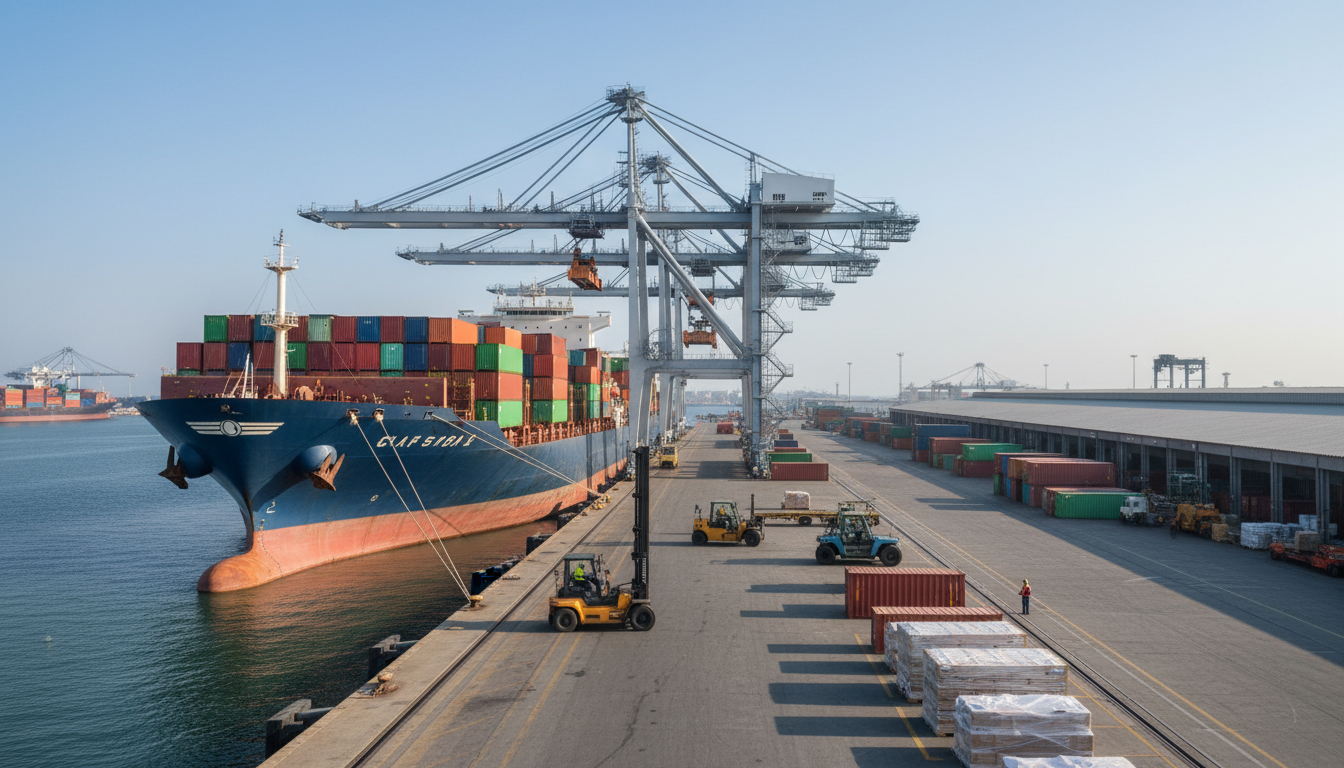
Final Words
Final Words
Understanding FOB (Free On Board) is essential for navigating the complexities of shipping in the Amazon FBA landscape. This article outlined the critical aspects of FOB, detailing the responsibilities of sellers and buyers, and clarified the implications of different FOB scenarios.
By grasping these concepts, sellers can better manage shipping costs and risks. Familiarity with related terms enhances this knowledge, making the shipping process smoother. Embracing these logistics terms empowers sellers to optimize their operations effectively.
With a solid understanding of FOB, newcomers can confidently tackle their importing journey. Define FOB: A Decoded Glossary for Amazon FBA Newcomers is your next step toward mastering this vital aspect of e-commerce.
FAQ
Q: What does FOB stand for?
A: FOB stands for Free On Board, indicating the point of transfer of responsibility from the seller to the buyer during shipping.
Q: Why is FOB significant in shipping?
A: FOB defines shipping costs and risk management, establishing when ownership and liability transfer from the seller to the buyer.
Q: What are seller responsibilities under FOB in Amazon FBA?
A: In Amazon FBA, sellers bear shipping costs and risks until the goods reach the designated FOB point, after which the buyer assumes responsibility.
Q: How do buyer responsibilities differ in FOB agreements?
A: Buyers take on responsibility for shipping costs and risks once goods reach the FOB point, impacting their overall costs and liability.
Q: What is FOB Origin?
A: FOB Origin means the seller’s responsibility ends at their location, transferring risk to the buyer as soon as the goods leave the seller’s premises.
Q: What is FOB Destination?
A: FOB Destination means the seller retains responsibility until the goods reach the buyer’s location, influencing shipping costs and risk management.
Q: What is CIF in relation to FOB?
A: CIF stands for Cost, Insurance, and Freight, covering the costs of shipping, insurance, and freight charges, and differs from FOB in terms of liability.
Q: What does DDP mean?
A: DDP, or Delivered Duty Paid, indicates that the seller assumes all costs and risks, including customs duties, until the goods reach the buyer.
Q: What is EXW?
A: EXW, or Ex Works, means the seller’s responsibility is minimal, only ensuring goods are available for pickup at their premises, transferring all risks to the buyer immediately.
Ready to Optimize Your Amazon Shipping?
Get 3 route options tailored to your products and timeline
Get Your Quote→