Define FOB Shipping: Meaning, Terms, and Who Pays in 2026
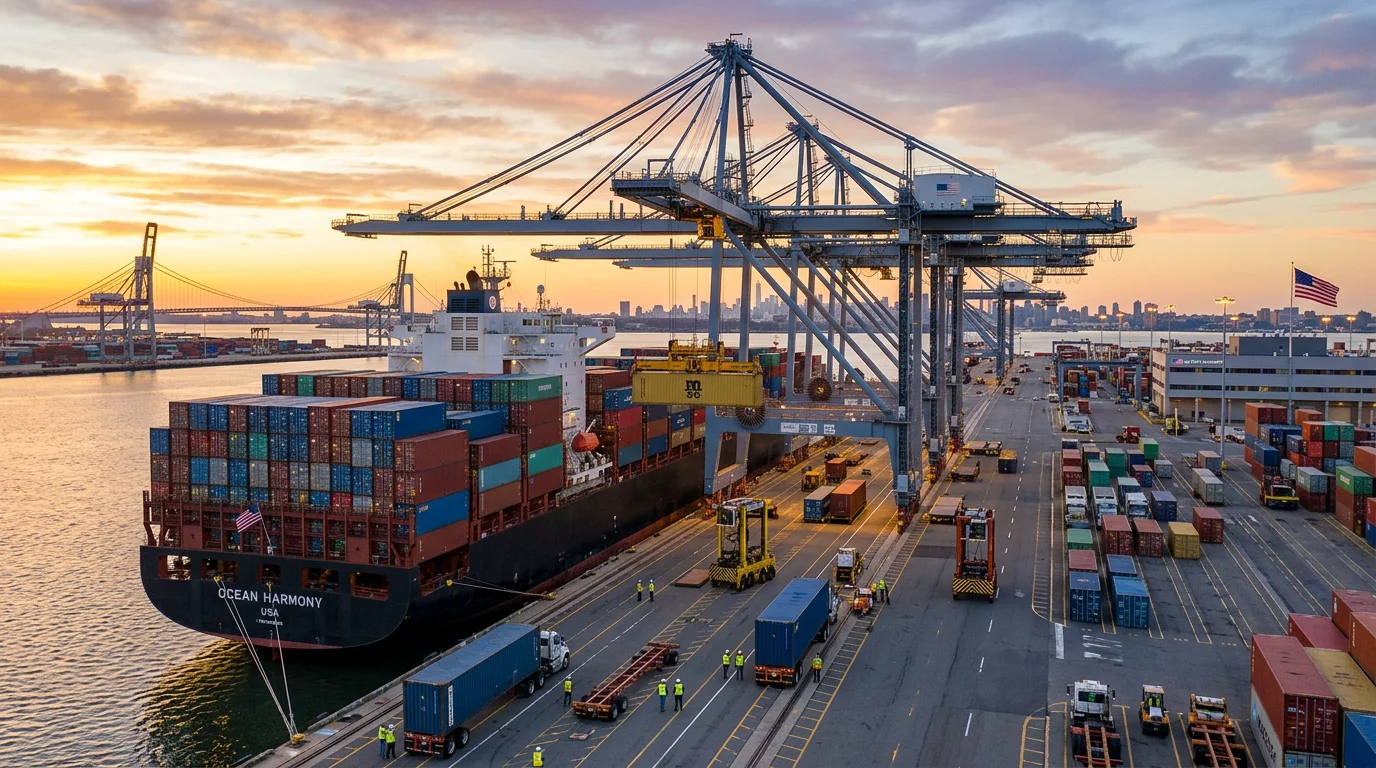
Summary: FOB (Free on Board) sets the moment risk and cost shift from seller to buyer, typically when goods are loaded on board the vessel at the named port.
One acronym on a commercial invoice can decide who absorbs a loss when a container is damaged at sea. That acronym is FOB, and misreading it has cost importers real money. To understand the meaning of FOB shipping is to know exactly where your responsibility begins, what you pay for, and when the seller is finally off the hook. For Amazon sellers and importers, our guide to what FOB shipping means (practical definition) turns this single term into a clear cost map.
The stakes are not theoretical. According to an OECD working paper, global transport and insurance margins jumped from 3.7% in 2019 to 6.2% in 2022, meaning the freight costs FOB assigns to the buyer have grown heavier. Knowing where that burden lands is no longer a back-office detail; it is a margin decision.
What Free on Board actually means
Let us define FOB shipping in plain terms. FOB stands for Free on Board, and it identifies the precise point at which obligations, costs, and risk pass from the seller to the buyer. In international trade, FOB is one of the eleven Incoterms published by the International Chamber of Commerce. According to the U.S. government trade authority, of the eleven rules, seven apply to any mode of transport and four are reserved for sea or inland waterway transport, with FOB among the latter.
Under FOB, the seller pays to move goods to the port of shipment and to load them on board the vessel nominated by the buyer. From that moment, the transfer of risk occurs: the buyer covers ocean freight, insurance, unloading, import duties, and final delivery. One important nuance often misunderstood is that FOB governs risk and cost, not legal ownership. The contract of sale and the bill of lading determine when title passes.
Who pays for what under FOB terms
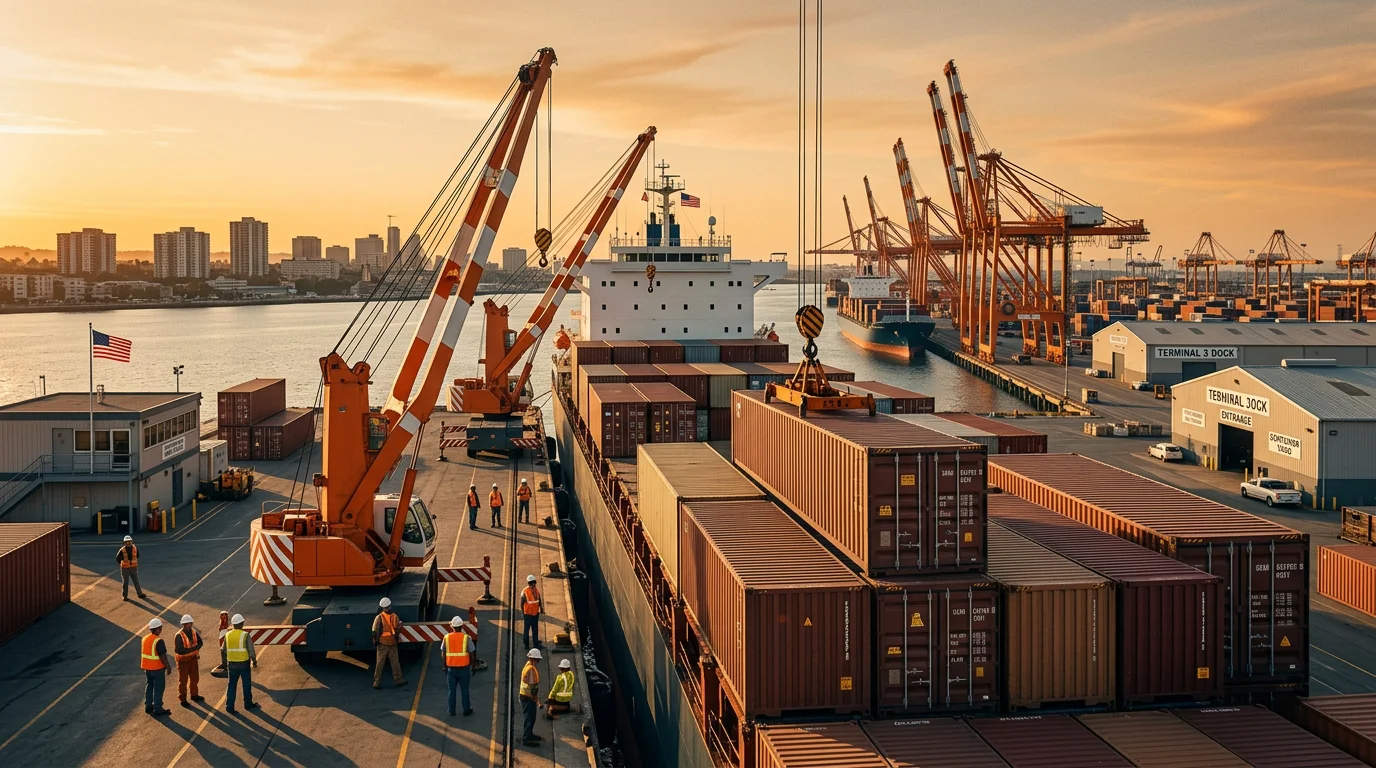
The clearest way to read FOB is to split the journey at the ship’s deck. Everything up to and including loading belongs to the seller; everything after belongs to the buyer. This division is why FOB remains popular with importers who want control over the main carriage and the freedom to choose their own carrier and insurer.
| Responsibility | Seller pays | Buyer pays |
|---|---|---|
| Inland transport to origin port | Yes | No |
| Export customs clearance | Yes | No |
| Loading on board the vessel | Yes | No |
| Ocean freight | No | Yes |
| Marine insurance | No | Yes |
| Import duties and final delivery | No | Yes |
This buyer-heavy allocation is exactly where surprises appear. When the buyer assumes ocean freight, insurance, and customs, an unexpected rate spike or a duty miscalculation lands directly on the importer. For sellers shipping from Chinese suppliers, our explanation of the FOB shipment meaning breaks down each line item so that no cost goes unnoticed before the goods reach the water.
FOB Origin versus FOB Destination in the US
Here is where confusion multiplies. North American domestic usage of FOB differs from the international Incoterms definition, and the two are not interchangeable. In US domestic shipping, FOB terms derive from the Uniform Commercial Code rather than from Incoterms, and they address both risk and title.
- FOB Origin (shipping point): the buyer takes ownership and liability as soon as the goods leave the seller’s location, and is responsible for freight during transit.
- FOB Destination: the seller retains ownership and liability until the goods arrive at the buyer’s location, bearing freight costs throughout transit.
These designations are usually paired with a freight payment indicator. “Freight prepaid” means the seller pays the carrier; “freight collect” means the buyer pays. A common warning from trade specialists is that using domestic FOB phrasing on an international invoice can backfire badly. Trade Finance Global notes that the North American concepts of “FOB destination” and “FOB shipping point” have no standing in international trade, so a US seller exporting to Europe under “FOB Destination” may unintentionally agree to deliver only to the US port.
Why FOB is not built for containers
FOB carries history. The term originated in the era of sailing ships, when goods were physically passed over the ship’s rail by hand. That image no longer fits a sealed steel box handed to a carrier days before loading. Once a container is sealed at an inland yard, there is no practical way to establish when damage occurred relative to the moment of loading.
For this reason, the ICC recommends FCA (Free Carrier) for containerized cargo, where risk transfers at the actual point of handover, such as the terminal. Despite this guidance, FOB remains widely used. According to a UNCTAD statistical report, FOB values form a core reference point for the entire international merchandise trade statistics system, which keeps the term embedded in customs practice worldwide. Many exporters also retain FOB because banks expect a clean on-board bill of lading for letters of credit.
FOB defines where your risk begins. It does not define who legally owns the goods. That distinction lives in your contract of sale.
Choosing the right terms for your shipments
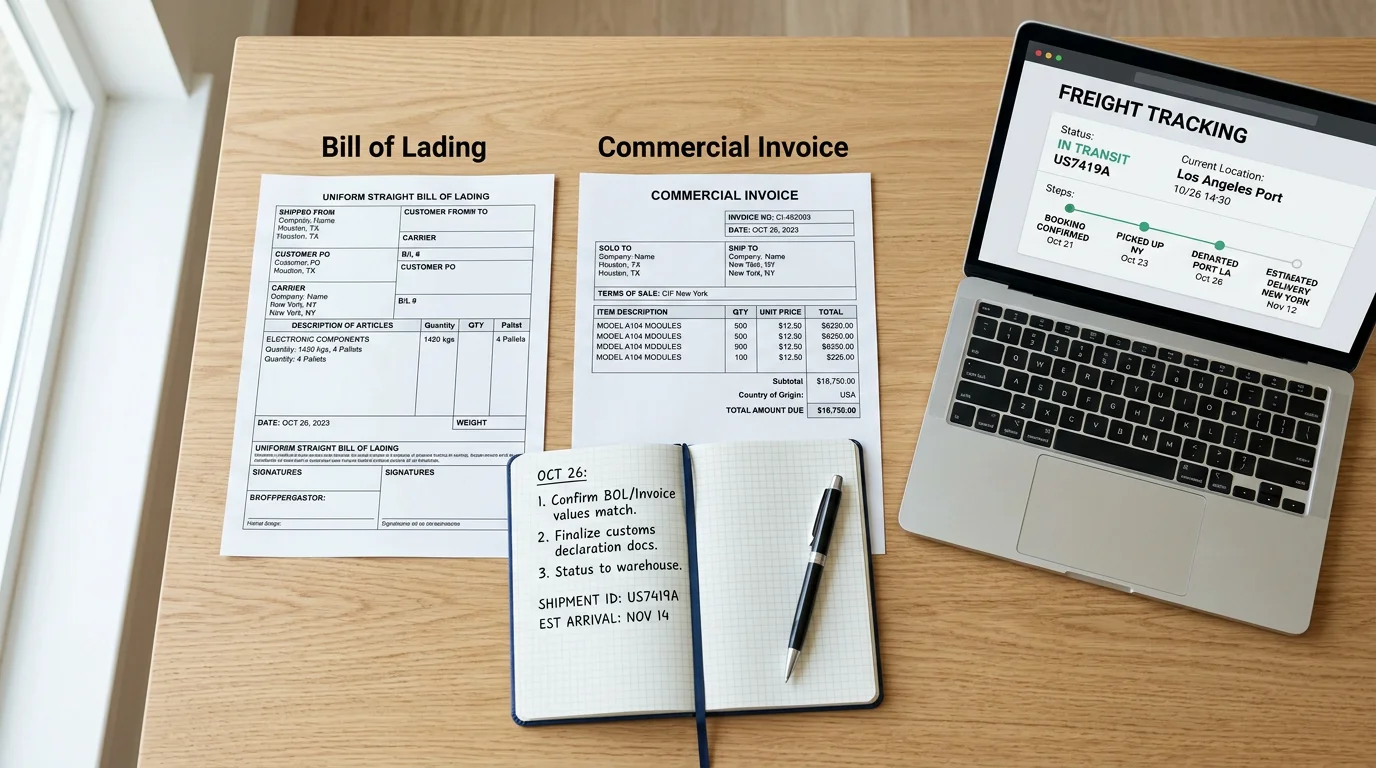
The practical question is not whether FOB is good or bad, but whether it fits your shipment and your appetite for control. FOB hands you the carrier choice and the ocean leg, which can lower costs if you negotiate well, but it also transfers risk early and exposes you to freight volatility. Across the American import market, where most SMB sellers source containerized goods from Asia, that early risk transfer is precisely why many buyers compare FOB against alternatives like CIF, where the seller arranges freight and insurance, or DDP, where the seller delivers with duties paid.
If predictability matters more than control, an all-inclusive arrangement removes the guesswork. We handle pickup, international freight, customs clearance, and delivery to the Amazon warehouse through our guidance on how to negotiate better FOB terms, so you keep the cost advantages of FOB at origin while we manage the volatile legs you would otherwise shoulder alone. The goal is simple: fewer surprises between the factory and the final dock.
FOB compared with other common Incoterms
Seeing FOB next to its neighbors clarifies what each term asks of you.
| Term | Seller responsibility ends | Buyer carries | Best for |
|---|---|---|---|
| FOB | Goods loaded on board at origin port | Ocean freight, insurance, import | Non-containerized sea freight, control-focused buyers |
| FCA | Goods handed to carrier at named place | Main carriage onward | Containerized and multimodal cargo |
| CIF | Freight and insurance to destination port | Import duties, final delivery | Buyers wanting seller-arranged freight |
| DDP | Delivery with duties paid | Almost nothing | Buyers wanting a single all-in price |
| Our DDP service | Door to Amazon warehouse, duties included | Nothing beyond the agreed quote | Amazon FBA sellers shipping from China |
Each row reflects a different trade-off between control and convenience. FOB sits at the control end; a fully managed DDP arrangement sits at the convenience end, with duties and taxes folded into a price you know in advance.
Conclusion
To define FOB shipping correctly is to read a single line on an invoice as a complete map of cost and risk: the seller delivers and loads at the named port, and from that deck onward the shipment is yours. Remember the headline figure: with transport and insurance margins having climbed to 6.2% in 2022, the freight FOB assigns to the buyer is no minor footnote. Confirm the Incoterms version, name the port precisely, and never assume domestic and international FOB mean the same thing. Because we manage pickup, freight, DDP customs clearance, and delivery straight to the Amazon warehouse as a single point of contact, you trade uncertainty for a known, all-inclusive price. To plan your next shipment with confidence, explore our Amazon FBA freight solution today.
Frequently Asked Questions
Does FOB mean the seller pays for shipping?
Not for the main journey. Under FOB, the seller pays only to bring goods to the origin port and load them on board. The buyer then pays ocean freight, insurance, and import costs.
Is FOB suitable for container shipments?
Generally no. FOB was designed for bulk and non-containerized sea freight, and the ICC recommends FCA for containers so that risk transfers at the actual point of handover. Many exporters still use FOB because banks expect an on-board bill of lading.
Can I avoid managing the freight and customs myself under FOB?
Yes. With our DDP service, we take over the ocean freight, customs clearance, and delivery to the Amazon warehouse, so duties and taxes are included in one quoted price and you avoid the cost surprises FOB can create.
Ready to Optimize Your Amazon Shipping?
Get 3 route options tailored to your products and timeline
Get Your Quote→