FOB Destination Definition: Meaning, Terms, and Who Pays
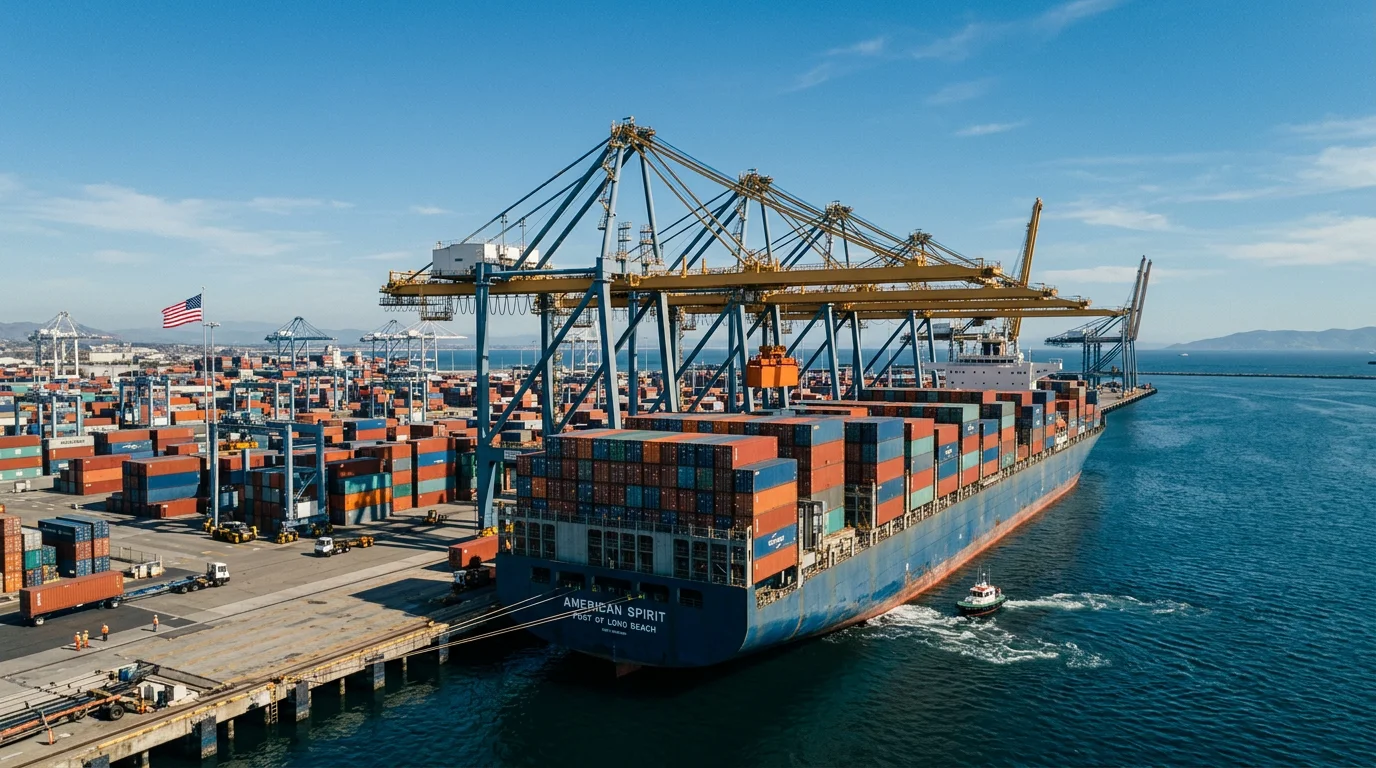
Summary: FOB destination means the seller keeps ownership, risk, and freight responsibility for goods until they arrive at the buyer’s location. Title transfers only on delivery.
Nearly every purchase order that crosses an ocean hinges on a single line of text. That line decides who absorbs the loss when a container is damaged at sea, and the answer is rarely obvious to a first-time importer. When you are moving inventory from a supplier in China to a warehouse in the United States, understanding this clause protects your margins and your peace of mind. If you want a side-by-side breakdown, our guide on FOB shipping point vs FOB destination pairs well with this article.
The definition of FOB destination is straightforward in principle: the seller retains legal title and liability for the merchandise until it physically reaches the buyer’s stated address. This shifts the burden of transit risk squarely onto the shipper. According to the US trade authority, terms like these clarify the tasks, costs, and risks for both buyers and sellers, yet they do not by themselves determine when legal title changes hands.
What FOB Destination Actually Means
FOB stands for “Free On Board.” When a contract specifies FOB destination, the transfer of ownership happens at the buyer’s door, not at the port of departure. Until that moment, the seller shoulders the responsibility for anything that goes wrong in transit.
In North American commercial usage, the term carries a specific meaning. FOB destination means the transfer occurs the moment the goods are removed from the transport at the destination. This is the mirror image of FOB origin, where responsibility passes as soon as the goods are safely loaded. If a seller ships goods that are lost or damaged in transit, the seller must compensate the buyer by replacing the products or reimbursing the cost.
It is worth noting a common point of confusion. Some parties write “Freight On Board” in contracts, but this phrasing is not recognized. The term is not defined by the Uniform Commercial Code, and using it in agreements tends to create ambiguity rather than resolve it.
Who Pays and Who Owns the Goods
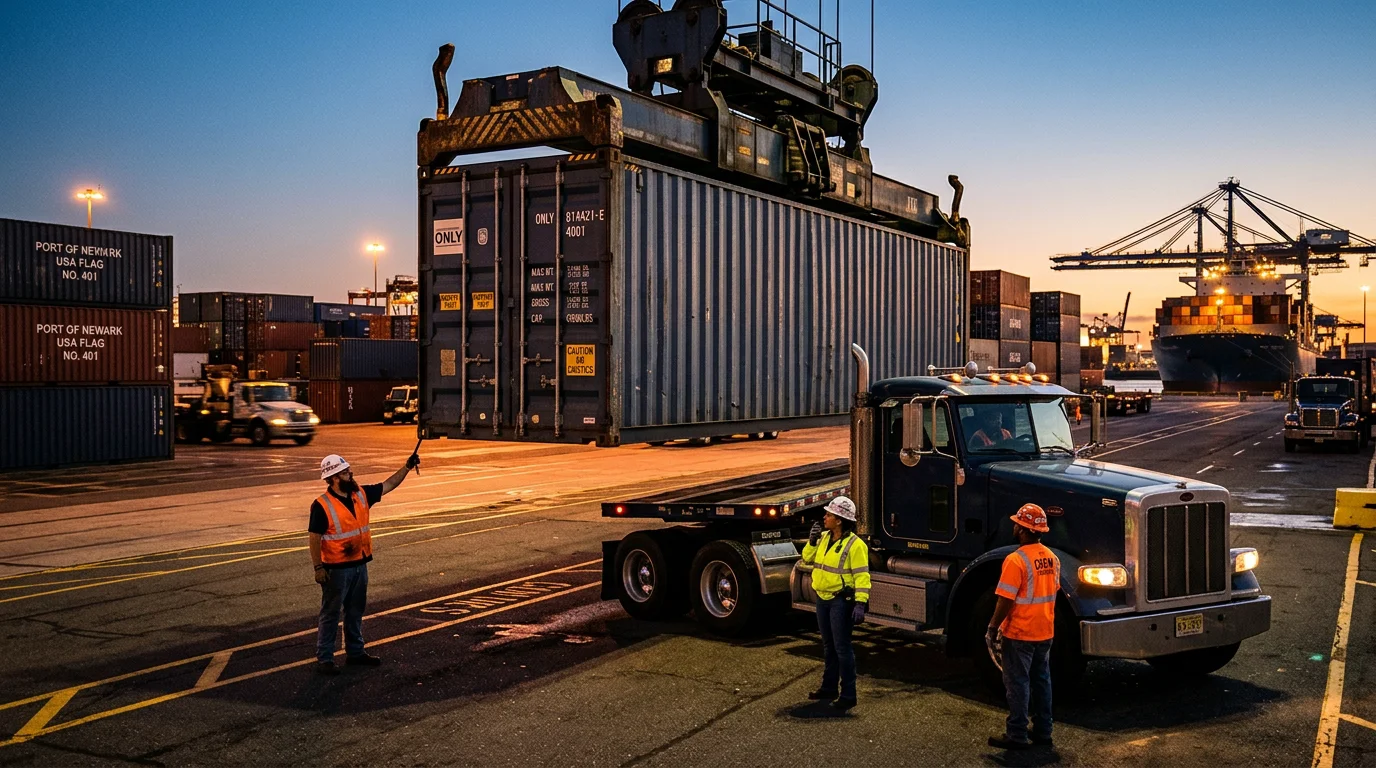
The practical weight of FOB destination falls on two questions: who pays for the freight, and who owns the cargo while it is moving. Under this arrangement, the seller keeps both burdens for the entire journey.
Until the products arrive at the buyer’s location, the seller maintains ownership and remains liable for replacing any damaged or missing items. This means the seller covers shipping costs, insurance, and any customs clearance until the goods are safely delivered. For the buyer, the appeal is obvious: you do not record the inventory or assume risk until the merchandise is in your hands.
Here is where accounting timing matters. Because the seller cannot record the sale until delivery is complete, revenue recognition is delayed, which affects cash flow and financial reporting. For the buyer, the goods are not booked as inventory until they physically arrive. If you are managing tight inventory costs across a US supply chain, this timing difference influences your period-end balance sheet.
The Add-On Terms You Will See on Invoices
FOB destination rarely appears alone. It is usually paired with a freight-payment qualifier that fine-tunes who fronts the transport bill, even though ownership rules stay the same. These variations appear on the bill of lading or freight invoice.
- Freight Prepaid and Allowed: The seller pays and bears the freight charges. The seller owns the goods in transit and files any claims.
- Freight Prepaid and Added: The seller pays the freight up front, then adds the cost to the buyer’s invoice for reimbursement. The seller still owns the goods while they move.
- Freight Collect: The buyer pays the freight charges on receipt, yet the seller retains ownership and files claims during transit.
- Freight Collect and Allowed: The buyer handles the freight but deducts the charge from the supplier’s bill rather than paying out of pocket.
The thread running through all four is consistent: under FOB destination, the seller owns the merchandise in transit regardless of who ultimately funds the freight. For a fuller vocabulary of these clauses, see our explainer on what FOB delivery means.
FOB Destination Versus FOB Shipping Point
Choosing between the two standard variations reshapes your risk exposure entirely. The table below summarizes the split, with a fully managed alternative included for comparison.
| Criterion | FOB Destination | FOB Shipping Point | Our DDP FBA service |
|---|---|---|---|
| Risk during transit | Seller bears it | Buyer bears it | We manage it end to end |
| Ownership transfers at | Buyer’s location | Point of origin | Delivery to Amazon warehouse |
| Duties and taxes | Depends on terms | Buyer arranges | Included (DDP, all-in price) |
| Real-time tracking | Not defined | Not defined | Yes, via WhatsApp 7 days a week |
Under FOB shipping point, ownership and responsibility pass to the buyer as soon as the goods are loaded at the seller’s origin. From that moment, the buyer manages shipping costs, insurance, and customs clearance. This is why, in North American practice, FOB origin places the greater operational load on the purchaser.
For Amazon FBA sellers importing from China, neither raw term removes the headache of customs and duties. That is precisely the gap our FOB shipping explainer addresses, and where a fully managed DDP shipment keeps duties and taxes bundled into one known price.
How FOB Fits Within Incoterms 2020
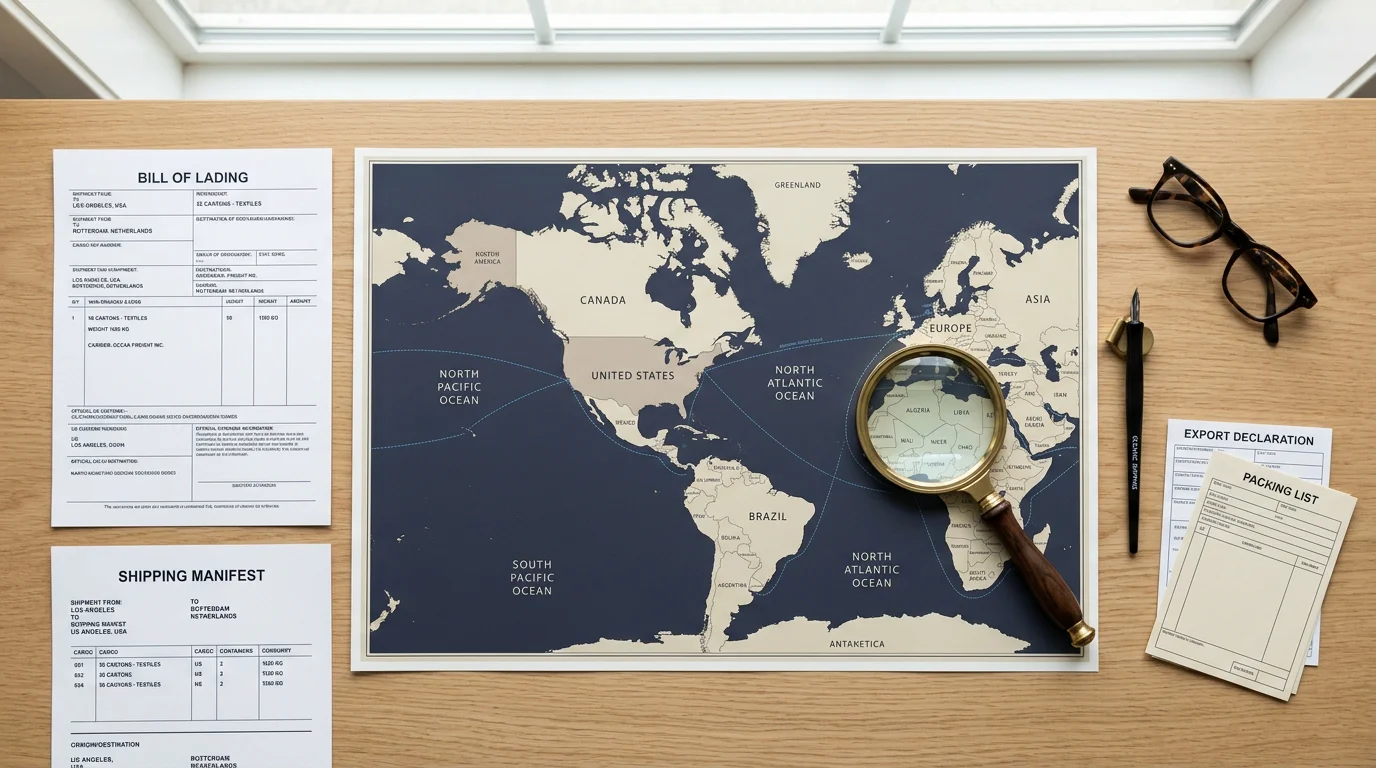
There is an important distinction between the domestic North American shorthand and the international rulebook. The International Chamber of Commerce publishes the Incoterms, and the version currently in effect is Incoterms 2020, updated once every decade.
Under the international standard, the picture narrows considerably. According to a shipping compliance analysis, FOB under Incoterms 2020 means the seller has fulfilled its obligation once the goods are loaded on the vessel at the named port of shipment, and it should be used only for sea or inland waterway transport. Companies in the United States new to global trade often stumble here, because they are accustomed to domestic phrasings such as FOB origin or FOB destination that do not map cleanly onto the ICC rules.
Precision in wording prevents costly disputes. As one freight advisory notes, every Incoterm should be paired with a named place and the publication year, for example “FOB Houston, Texas, USA, Incoterms 2020.” The same source stresses that Incoterms allocate risk and cost but do not, on their own, determine title transference.
Common Pitfalls and Better Alternatives
Picture a first-time US importer buying hardware from a factory in Ningbo. If the terms read FOB and a container is damaged before it is craned onto the ship, a gray area of responsibility opens up, because containers often sit at the terminal for days before loading. This ambiguity is one reason modern guidance steers containerized cargo toward other terms.
Several Incoterms offer more clarity for door-to-door needs. A case study from the ICC Academy illustrates how, under FOB, the buyer completes import customs clearance and arranges final delivery once the shipment reaches the destination port. For sellers who prefer to hand over a landed cost with nothing left to calculate, Delivered Duty Paid shifts the customs and tax burden entirely to the shipper. If you want the full terminology mapped out, our resource to define FOB shipping walks through each option.
For Amazon sellers, the safest path is often to remove the guesswork altogether. A managed DDP route folds duties, taxes, and delivery to the Amazon warehouse into one transparent quote, so customs delays do not derail your restocking plans.
Conclusion
The definition of FOB destination comes down to one decisive fact: the seller owns and insures the goods until they reach your door, and only then does risk pass to you. That single clause governs your insurance exposure, your accounting timing, and your negotiating leverage with suppliers. Read every purchase order carefully, pair each term with a named place and the Incoterms 2020 reference, and confirm who files claims if cargo is lost. When importing from China into the US market, a fully managed DDP service removes the ambiguity entirely, bundling customs, duties, and warehouse delivery into one price you know in advance, with real-time tracking at every step. To move your next shipment with confidence, request a quote for our DDP Amazon FBA shipping service and ship without surprises.
Frequently Asked Questions
Does the buyer or seller pay freight under FOB destination?
The seller retains responsibility for the goods until delivery, though the freight bill can be prepaid or collect depending on the add-on term. Ownership and transit risk stay with the seller regardless of who funds the freight.
When does ownership transfer under FOB destination?
Ownership passes to the buyer only when the goods arrive at the buyer’s stated location. Until that point, the seller holds legal title and must replace any lost or damaged items.
Is FOB destination suitable for Amazon FBA imports from China?
It can work, but customs and duties still require careful handling. Our DDP FBA service manages collection, clearance, and delivery to the Amazon warehouse under one all-inclusive quote, which removes most of that complexity for you.
Ready to Optimize Your Amazon Shipping?
Get 3 route options tailored to your products and timeline
Get Your Quote→