What the EXW Price Means: A Clear Guide for US Importers
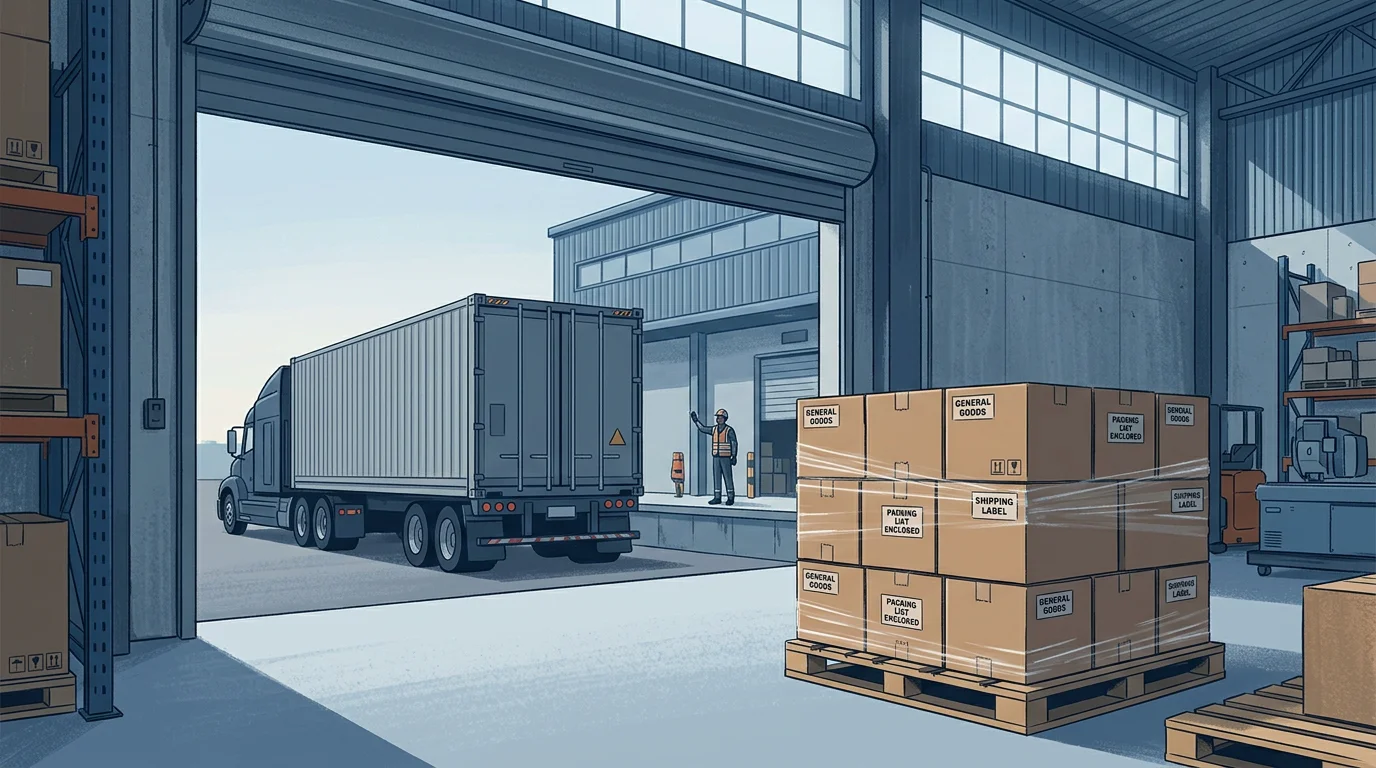
Summary: The EXW price is the value of goods at the seller’s factory door, covering production, materials, and packaging only. It excludes loading, freight, export clearance, insurance, duties, and taxes. Under Ex Works terms, the buyer assumes nearly every cost and risk once the goods are made available for collection.
One trade term shifts almost the entire logistics burden onto the buyer, yet it appears constantly on quotes from overseas suppliers. Understanding what the EXW price means is essential before you compare a supplier offer against a delivered rate, because the two numbers are rarely close. If you import into the United States, this single distinction can decide whether your margins hold. For a deeper breakdown of the mechanics, our guide to EXW price and Ex-Works terms is a useful companion.
Ex Works is one of eleven Incoterms rules maintained by the International Chamber of Commerce. According to Export Development Canada, EXW places minimal responsibility on the seller, who must only make the goods available at an agreed location and time. Everything that follows belongs to you as the buyer.
What the EXW price actually includes
The ex works price is a factory-gate figure. It reflects the cost the supplier incurs to research, produce, and package your goods, plus a profit margin. It stops there. The number does not carry any transport, handling, or customs component, which is precisely why it often looks attractive at first glance.
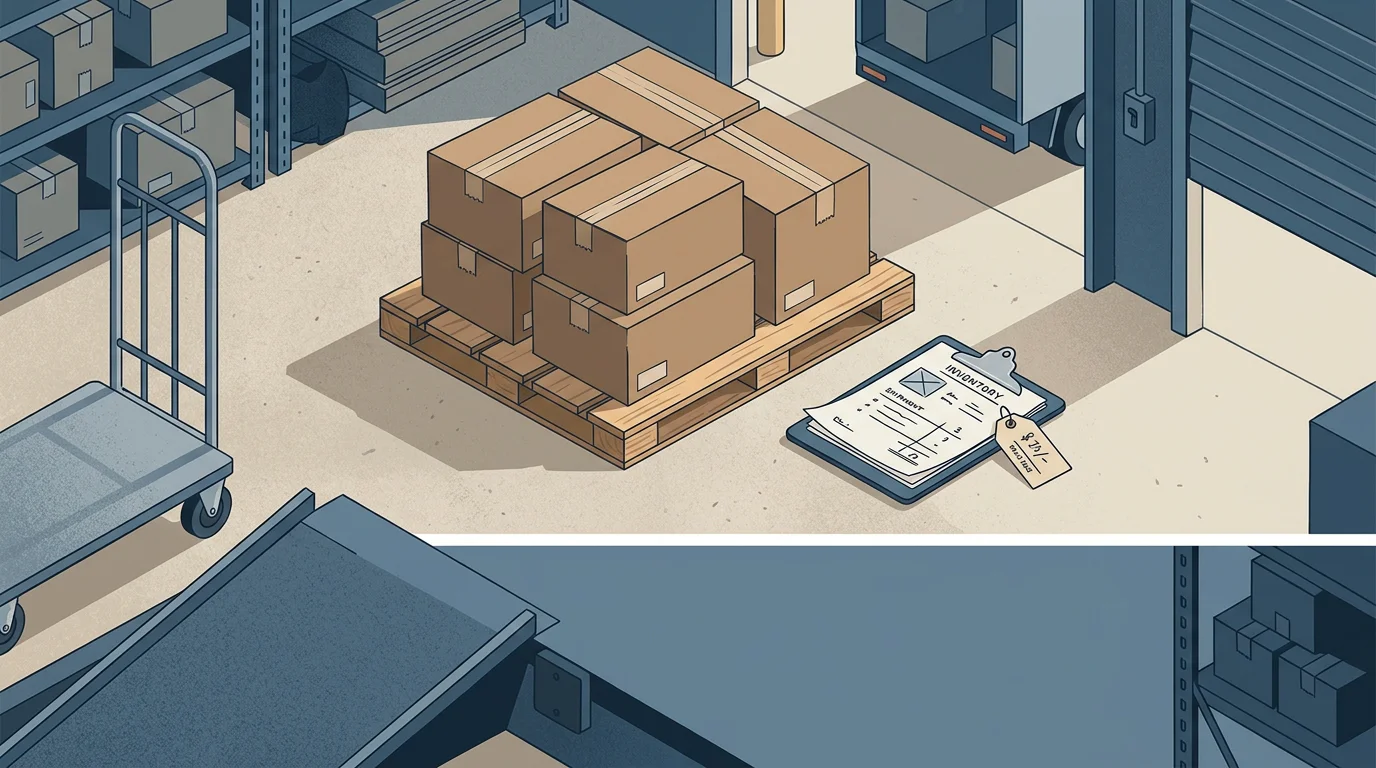
Think of the EXW figure as a factory-gate price. It answers a narrow question: what does it cost to have finished goods sitting on the supplier’s floor, wrapped and labeled? To reach a landed cost, you must add loading, inland haulage, terminal charges, ocean or air freight, insurance, and import duties. The gap between the two can be substantial, so treat any EXW quote as a starting point rather than a final invoice.
Who pays for what under Ex Works terms
Under Ex Works, the allocation of duties is deliberately lopsided. The seller packages the goods and notifies you when they are ready. From that moment, you carry the load. As one legal analysis notes, EXW places the absolute minimum obligation on the seller and the maximum burden on the buyer, which makes it one of the most misunderstood terms in international commerce.
Here is a simplified view of the split between the two parties under this shipping arrangement:
| Task | Seller pays | Buyer pays |
|---|---|---|
| Production and packaging | Yes | No |
| Loading onto collecting vehicle | No | Yes |
| Inland transport to port | No | Yes |
| Export clearance and documents | No | Yes |
| Main freight and insurance | No | Yes |
| Import duties and taxes | No | Yes |
Because so many responsibilities land on you, many importers prefer a term that shifts loading and export clearance back to the supplier. Our explanation of EXW versus FCA shipping terms shows how a small change in the Incoterm can remove real friction at origin.
When risk passes from seller to buyer
Cost is only half the story. The other half is risk. Under Ex Works, liability transfers at a single, precisely defined moment: when the goods are made available at the agreed point, ready for your collecting vehicle. Trade Finance Global explains that the buyer bears the risk and is obliged to pay even while the goods may still sit physically inside the seller’s premises.
The practical consequences are stark. If a forklift damages a pallet during loading, that loss is yours. If a truck is delayed and temperature-sensitive goods spoil on the dock, that loss is yours as well. This is why experienced importers insure the full journey from the point of handover and specify coverage clearly in the contract.
Why the EXW price can mislead US importers
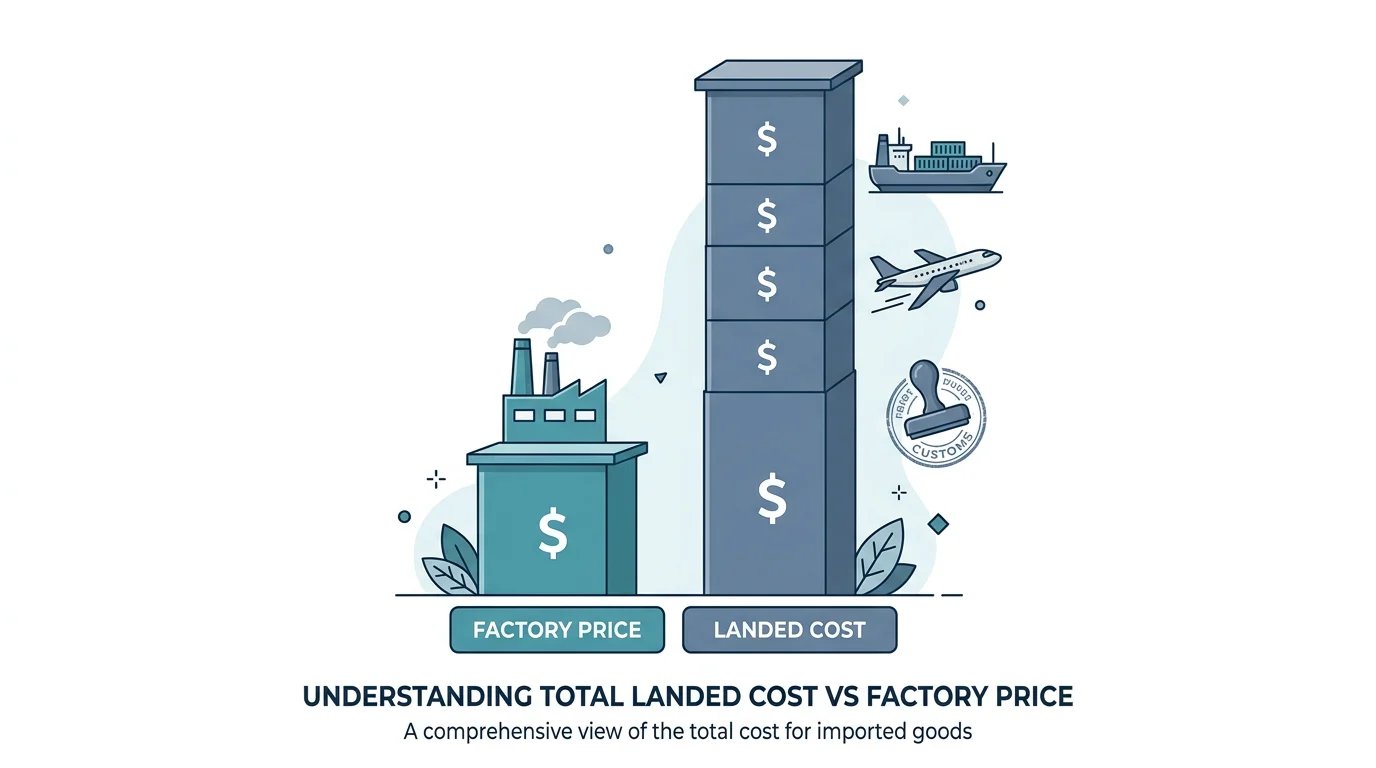
A low ex works quote can quietly erode margins for US businesses that fail to model the full landed cost. There is also a compliance trap that catches American sellers and buyers alike. Shipping Solutions points out that under the Foreign Trade Regulations and the Export Administration Regulations, a US seller can still be identified as the responsible party and contacted by customs authorities, even after choosing EXW to limit involvement.
For you as an importer, the lesson is to convert every EXW figure into a delivered estimate before you commit. That means pricing the freight mode that fits your budget and timeline. Our overview of how to calculate freight costs by mode helps you build that number for air, sea, rail, or express options.
EXW compared with other common Incoterms
EXW sits at one end of the responsibility spectrum. At the opposite end, Delivered Duty Paid asks the seller to handle almost everything, including import duties. The right choice depends on how much of the chain you want to control and how much local expertise you can rely on at each border.
If you would rather receive goods with duties and taxes already settled, a delivered term may suit you better. Our comparison of EXW against DAP delivery terms lays out where each rule shifts the balance of cost and control, which is especially relevant when you are weighing convenience against price.
Bringing the EXW price into focus
Knowing what the EXW price means gives you a clear baseline, not a final cost. It captures the goods at the factory gate and leaves every downstream expense and risk on your side of the table. Treat the figure as the first line of a longer calculation, add loading, freight, insurance, and US import duties, and compare the delivered total against alternatives before you sign. When you price the whole journey rather than the factory door, EXW becomes a manageable tool instead of a hidden liability.
Take action with QG Horizon
Turning an ex works quote into a reliable delivered cost takes route knowledge, customs handling, and clear timelines. If you sell on Amazon FBA and ship from China, that is exactly the gap we close, so you are never guessing what a factory-gate price will become once it reaches a US warehouse.

We manage collection at your supplier, freight, and DDP clearance with duties and taxes included, then deliver straight to the Amazon warehouse. You receive three route options with rates and estimated transit times within 24 hours, plus real-time tracking and support over WhatsApp. Request your free FBA shipping quote from QG Horizon and see the all-in cost before you decide.
Frequently Asked Questions
Does the EXW price include shipping?
No. The ex works price covers only the goods at the factory, including materials, production, and packaging. All shipping, loading, freight, insurance, and customs costs are added separately and paid by the buyer.
Is EXW cheaper than other Incoterms?
The EXW number itself usually looks lower because it excludes logistics. Once you add freight, duties, and handling, the landed cost can match or exceed a delivered term. Always compare full landed totals rather than headline factory prices.
Who is responsible for export clearance under EXW?
The buyer is responsible for export clearance and documentation under Ex Works. This can be difficult because many countries only allow a registered local entity to export, which is one reason importers often prefer FCA or a delivered term instead.
Is EXW a good choice for first-time importers?
EXW suits experienced buyers who can manage origin logistics and compliance. Newer importers often find a fuller-service arrangement safer. Our DDP shipping service handles collection, freight, and customs so you avoid the heaviest EXW responsibilities.
Why does the ICC advise caution with EXW?
The International Chamber of Commerce encourages traders to consider alternatives when goods cross a border, because EXW leaves export obligations unclear. Sellers can still face regulatory duties they assumed they had avoided, creating risk on both sides.
Ready to Optimize Your Amazon Shipping?
Get 3 route options tailored to your products and timeline
Get Your Quote→