FCA Delivery Definition: Free Carrier Incoterms Explained
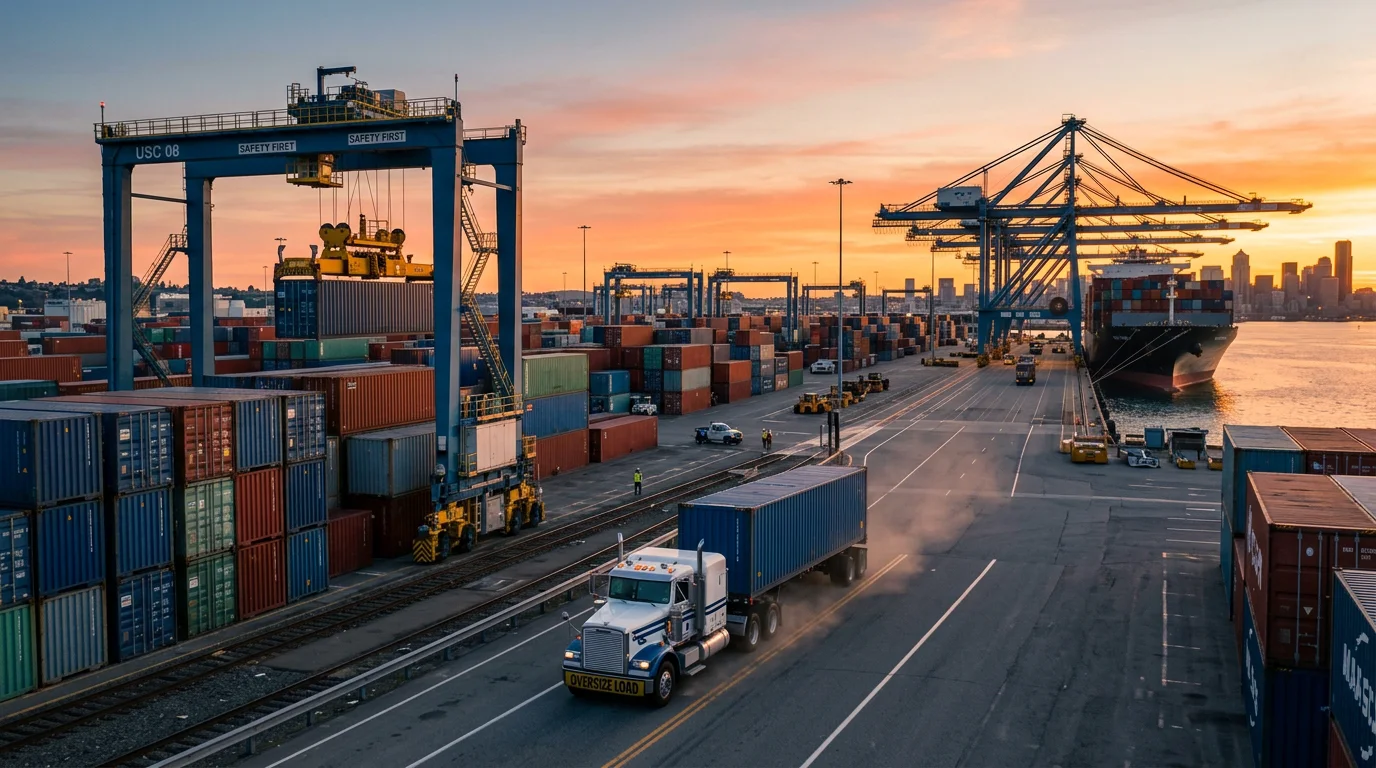
Summary: Under FCA (Free Carrier), the seller delivers goods, cleared for export, to a carrier or place named by the buyer. Risk and cost transfer to the buyer at that handover point. The buyer then arranges and pays for the main carriage, import formalities, and onward transport. FCA suits any transport mode.
Nearly 40% of international sales contracts are drawn up using the Free Carrier rule, which makes it one of the most widely applied trade terms in global commerce. If you import from overseas suppliers, understanding the Free Carrier delivery rule is essential before you sign a purchase order. To go deeper on the mechanics, you may also consult our FCA delivery definition (Incoterms) resource.
FCA belongs to the Incoterms rules published by the International Chamber of Commerce. According to SeaRates data, its popularity comes from a simple advantage: it works with any type of transport and any place of delivery inside the seller’s country. That flexibility, however, only helps you if you know exactly where risk and cost change hands.
What the FCA delivery definition actually means
The fca delivery definition is straightforward once you break it down. FCA stands for “Free Carrier,” and it obliges the seller to hand over goods, cleared for export, to a carrier or a named location chosen by the buyer. From that moment, the buyer takes over responsibility, risk, and the cost of the main journey.
A carrier is any party that undertakes the transport, such as a shipping line, an airline, a trucking company, a railway, or a freight forwarder. FCA is one of the International Chamber of Commerce’s world-famous trade terms, and it is frequently compared with EXW because both prepare goods for a buyer-controlled journey. If you want a plain-language breakdown, our guide on what FCA means in shipping walks through each step.
Where risk and cost transfer under Free Carrier
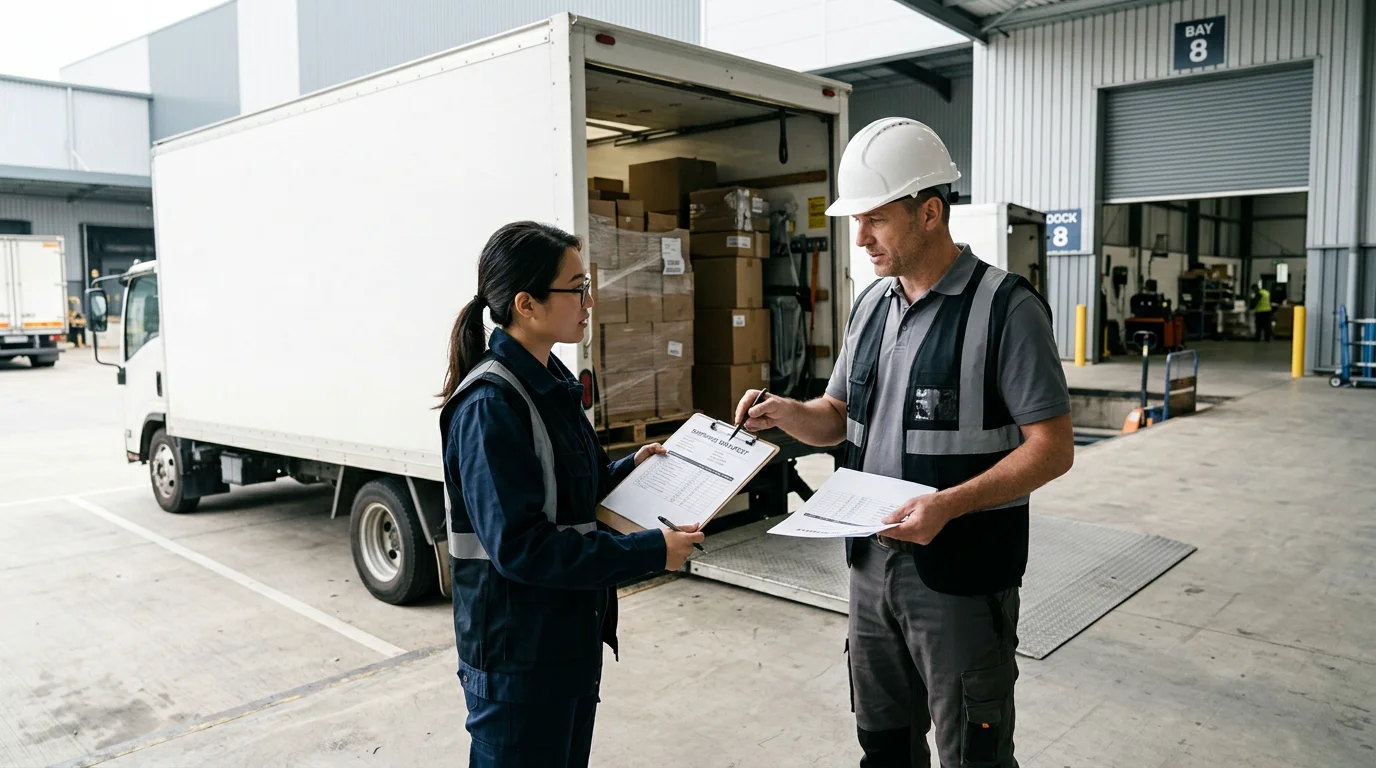
The single most important question with FCA is: where does the named place sit? The answer determines who loads the goods and when liability moves to the buyer. There are two common variants.
- At the seller’s premises: the seller loads the goods onto the buyer’s nominated vehicle. Risk passes once loading is complete.
- At an external location: the seller transports the goods to an agreed point, such as a forwarder’s terminal, where they are placed at the carrier’s disposal ready for unloading.
You do not need to state whether delivery happens at your premises or elsewhere; the named place you specify already makes that clear. Trade Finance Global notes that FCA places more responsibility on the seller than EXW, because the seller generally also handles loading, pre-carriage, and export clearance. Precise contract wording on the exact delivery point prevents costly disputes.
Seller and buyer obligations at a glance
FCA divides duties cleanly, provided both parties read the fine print. The seller prepares and delivers; the buyer moves the goods onward. The table below summarizes the split, with our own coordinated service shown for comparison.
| Responsibility | Seller (FCA) | Buyer (FCA) | Managed with our FBA shipping service |
|---|---|---|---|
| Export packaging and marking | Yes | No | Coordinated for you |
| Export clearance | Yes | No | Handled end to end |
| Loading at named place | If at seller premises | Otherwise | Pickup at supplier |
| Main carriage | No | Yes | Air, sea, express, rail |
| Import duties and taxes | No | Yes | Included via DDP |
| Delivery to final warehouse | No | Yes | To the Amazon warehouse |
The seller must provide the commercial invoice, transport document, and proof of delivery. The buyer arranges the main carriage, secures cargo insurance, and completes import formalities. Our overview of FCA transport terms details how these obligations map onto a real supplier-to-warehouse route.
FCA compared with EXW, FOB, and DDP
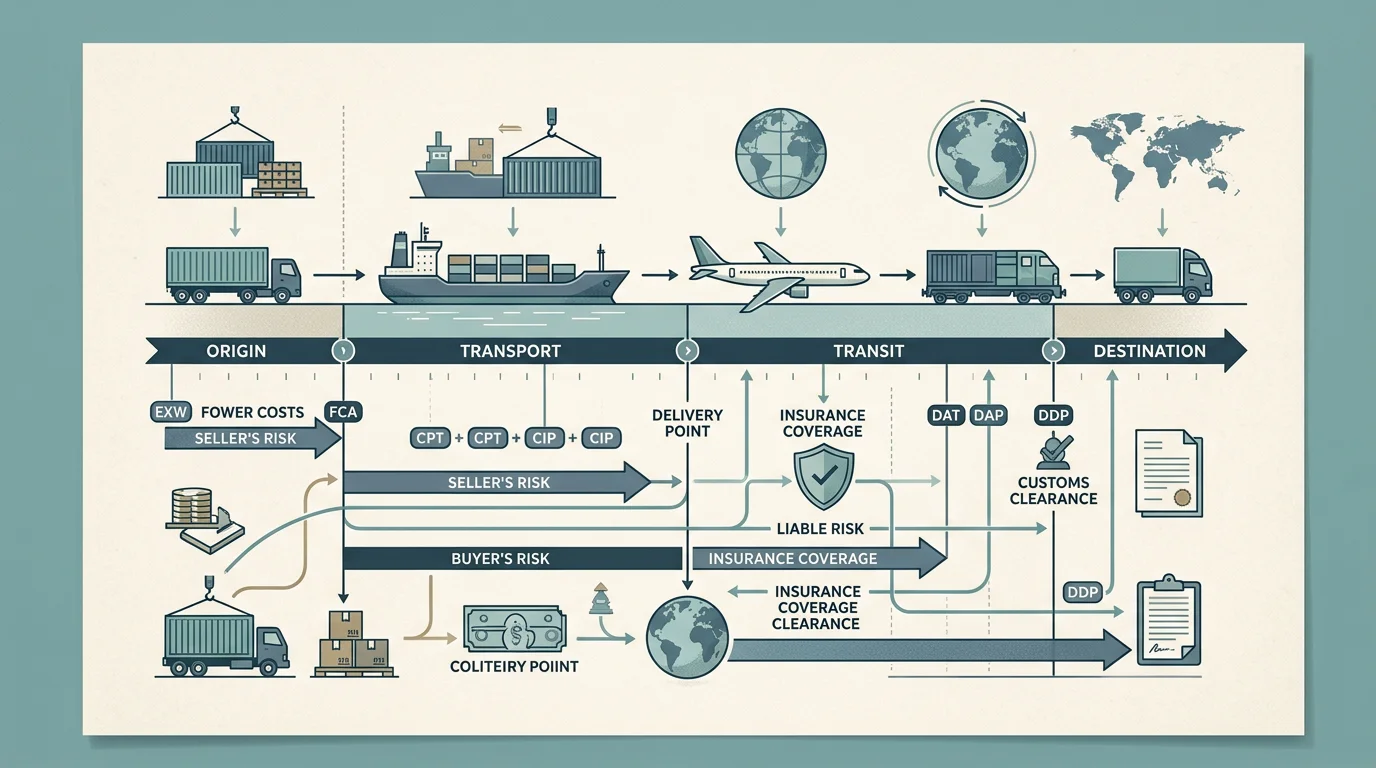
FCA is easy to confuse with neighboring rules, so a short comparison helps. Under EXW, the buyer shoulders all export formalities and even loading, whereas FCA shifts export clearance and origin loading to the seller. FOB applies only to sea and inland waterway transport, while FCA works for any mode.
At the opposite end of the spectrum, DDP (Delivered Duty Paid) makes the seller responsible for everything, including import duties and final delivery. The Incoterms 2020 rules arrange the eleven terms from the least seller responsibility (EXW) to the most (DDP), and FCA sits early in that sequence. Choosing between them depends on how much control over freight and cost you want to retain.
The 2020 bill of lading revision that changed FCA
Why did the ICC revise FCA at all? Sellers shipping by sea under FCA often needed an on-board bill of lading to get paid under a letter of credit, yet risk had already passed before loading onto the vessel. The 2020 update addressed exactly this gap.
According to the EDC export guide, understanding how Incoterms work is essential when negotiating shipping contracts. Under the revised rule, the parties may agree that the buyer instructs the carrier to issue an on-board bill of lading to the seller after loading. This makes FCA a practical alternative to FOB for containerized sea shipments financed by letters of credit, though carrier compliance is never guaranteed.
When to choose FCA for your imports
Imagine you source products from a factory in China and ship them to a fulfillment warehouse in the US. FCA works well here because it lets you control the main carriage and negotiate freight rates directly, while the supplier handles export packaging and clearance. That control matters when timelines and margins are tight across the American market.
FCA does carry a trade-off: you assume risk at the point of origin, which can complicate logistics if your carrier network is thin. Many US importers therefore lean on a single forwarder to manage pickup, freight, and customs. Our summary of FCA terms (shipping terms overview) explains how to combine FCA at origin with duty-paid delivery at destination.
Key takeaways on Free Carrier delivery
The fca delivery definition centers on one clear moment: the seller hands over export-cleared goods to your nominated carrier, and from there the risk and cost of the journey become yours. Specify the named place precisely, confirm who loads the goods, and align documentation with your payment terms. Handled with care, FCA gives you strong control over freight and cost while keeping origin obligations with the supplier who knows the export process best.
Take action with QG Horizon
Understanding FCA is one thing; executing a supplier-to-warehouse shipment without customs delays is another. If you sell on Amazon FBA and source from China, you need a single partner who can collect at the factory, manage the main carriage, and clear customs so your inventory lands on time.
We are Amazon sellers ourselves, and we ship from China to Amazon warehouses with a 24-hour quote offering three route options across air, express sea, ocean, and China-Europe rail. Our DDP service includes duties and taxes in one all-inclusive price, with real-time tracking and WhatsApp support. Request our FCA delivery and Incoterms guidance to move your next shipment with confidence.
Frequently Asked Questions
Does FCA include export clearance?
Yes, export clearance is part of the seller’s responsibilities under FCA. The seller obtains any necessary licenses and completes export formalities before the goods reach the named place for handover.
Who pays for the main carriage under FCA?
The buyer arranges and pays for the main carriage, choosing and instructing the carrier. The seller only covers costs up to the handover point, including pre-carriage and export clearance.
What is the difference between FCA and DDP?
Under FCA, the buyer handles import formalities and delivery after the seller’s handover. Under DDP, the seller is responsible for import duties and delivery all the way to the buyer, which is the model we apply for Amazon FBA shipments.
Can FCA be used for air and rail shipments?
Yes, FCA is a flexible rule suitable for any mode of transport, including air, courier, truck, rail, sea, or multi-modal journeys. That versatility is a key reason it is so widely used in international trade.
When does risk transfer to the buyer under FCA?
Risk passes when the goods are handed over to the buyer’s carrier at the named place. If the named place is the seller’s premises, risk transfers once the seller has loaded the goods onto the buyer’s vehicle.
Ready to Optimize Your Amazon Shipping?
Get 3 route options tailored to your products and timeline
Get Your Quote→