FCA Delivery Destination: How Risk and Costs Are Shared
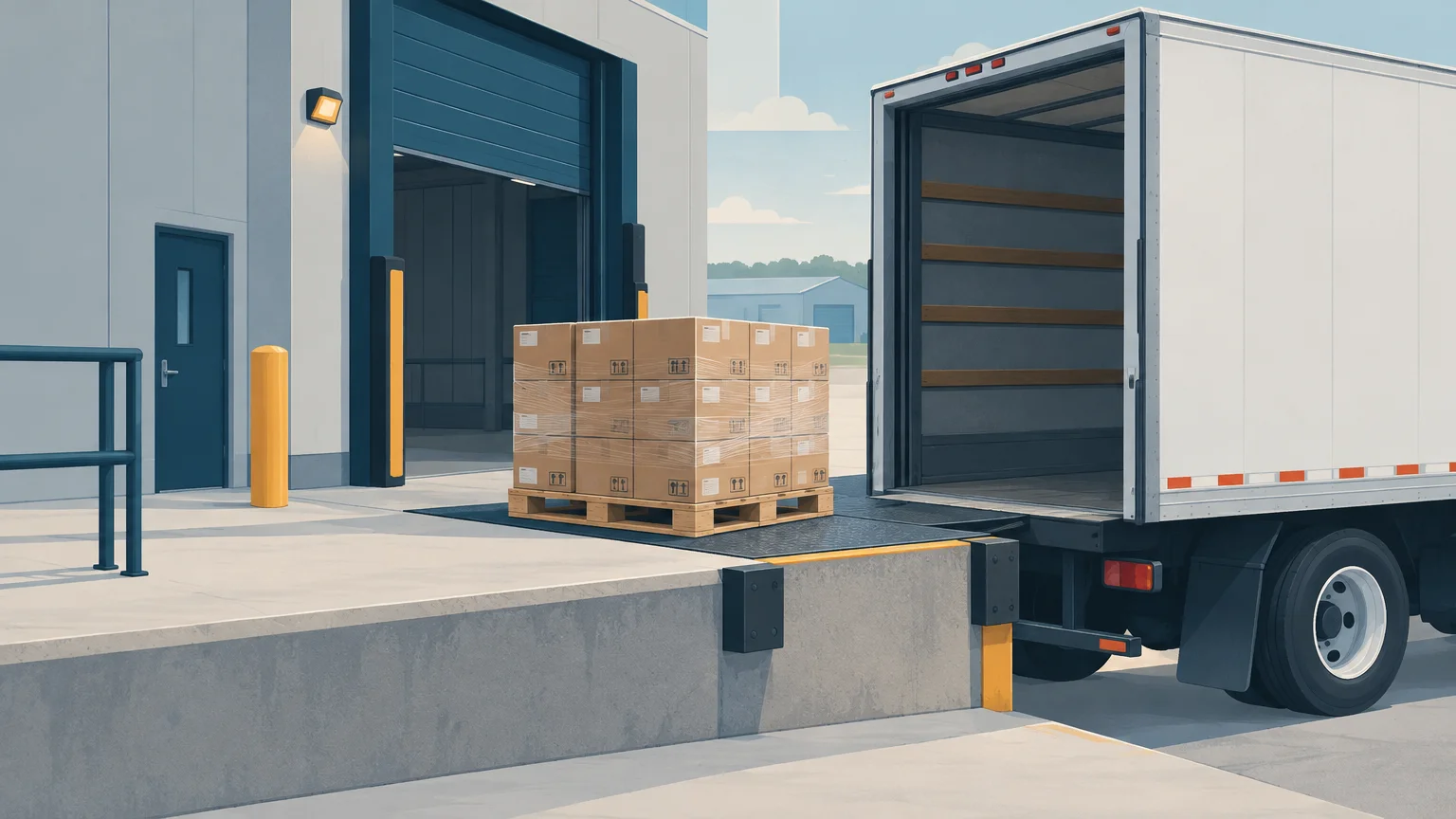
Summary: In FCA, the named place is where the seller completes delivery, not necessarily the buyer’s final destination. The seller clears goods for export and delivers them to the buyer’s nominated carrier; the buyer generally arranges main carriage, import clearance, and destination duties. Specify the precise handover point because it determines when risk transfers.
What does “destination” mean in an FCA sale: the seller’s warehouse, a freight terminal, or your door? An FCA clause can name different handover points, so the word can lead to costly assumptions. If you need to locate that handover in the shipping process, our FCA shipping point explanation clarifies the distinction. The buyer’s delivery address is not automatically the FCA named place.
Under Incoterms® 2020, FCA means the seller delivers export-cleared goods to the buyer’s nominated carrier or another nominated person at the seller’s premises or another named place. The buyer generally takes over main carriage and import responsibilities after delivery. The ICC’s FCA explanation emphasizes naming the precise point, because risk transfers there.
What does FCA identify as the delivery destination?
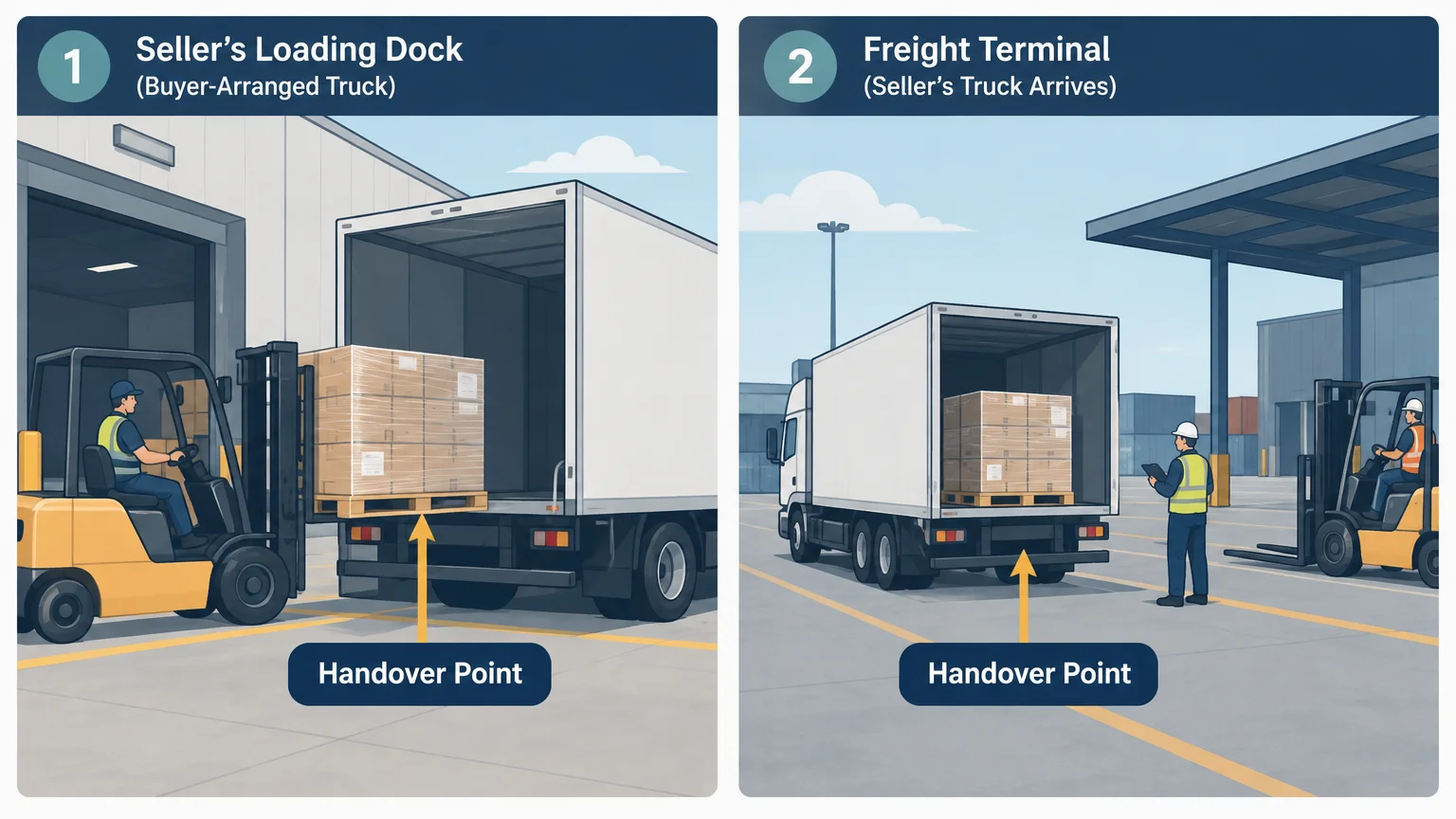
In FCA, the named place marks where the seller delivers the goods to the buyer’s nominated carrier or person. It often lies near the shipment’s origin, but it is not automatically the final destination shown on a purchase order.
For example, a contract might specify delivery at a factory or at a particular freight terminal. If it names only a city, the parties may disagree about where delivery is complete. A street address, facility name, and specific loading or handover point can reduce that uncertainty.
Think of the named place as a boundary in the shipping arrangement, not a promise of delivery to your warehouse or customer. Our FCA delivery definition further explains the handover that gives the term its meaning.
Who arranges freight, export clearance, and import?
FCA divides responsibilities around the agreed delivery point. The seller normally manages delivery up to that point and completes export clearance; the buyer typically arranges the onward journey and import process. Trade.gov’s Incoterms overview explains how Incoterms allocate responsibility for shipment, documentation, insurance, and customs clearance.
- Seller: Prepare the goods, deliver them to the agreed point, and complete applicable export formalities. The seller is generally responsible for costs and risks until delivery under the FCA rule.
- Buyer: Nominate the carrier or other receiving party, take delivery, and generally contract and pay for onward carriage. The buyer also manages import formalities, duties, and taxes.
The exact handover arrangement depends on where the contract places delivery. If the seller agrees to arrange carriage beyond that point, clarify the arrangement and payment responsibilities separately. FCA does not, by itself, require either party to purchase cargo insurance.
How does the named place affect loading and risk?
If the named place is the seller’s premises, delivery is completed when the seller loads the goods onto the collecting vehicle arranged by the buyer. The seller bears the associated risk until the goods have been loaded as required.
If delivery is at another named place, the seller brings the goods there on its arriving vehicle and makes them available to the nominated carrier or person, ready for unloading. The seller is generally not responsible for unloading at that other location. Under either arrangement, the delivery point determines when the risk transfer occurs.
Costs also depend on the named handover and the agreed arrangements. Record who pays for transport to the point, loading or unloading, and any related handling charges. These details help prevent a dispute about which party pays a charge arising at the boundary.
How does FCA compare with EXW, FOB, and DDP?
FCA is not interchangeable with other Incoterms® rules. The main distinctions are the handover point, export responsibilities, and who arranges the main carriage.
- FCA and EXW: Under FCA, the seller handles export clearance and delivers to the buyer’s nominated carrier at the named place. Under EXW, the seller makes the goods available, while the buyer generally carries more responsibility, including export formalities.
- FCA and FOB: FCA can apply to any transport mode. FOB is for sea and inland waterway transport, with delivery and risk transfer when goods are on board the vessel. For containerized cargo, FCA can match the earlier handover to a carrier at a terminal more closely. ICC Sweden’s container guidance discusses the suitability of FCA and other rules for container shipments through ports.
- FCA and DDP: Under FCA, the buyer generally manages main carriage and destination import responsibilities. Under DDP, the seller assumes responsibility for delivering to the named destination and handling import clearance, duties, and taxes.
For US businesses, an Incoterms® rule clarifies the commercial responsibilities agreed by buyer and seller; it does not replace checking applicable customs requirements. Our FCA terms of shipment overview offers additional context for interpreting the term.
What should you specify in an FCA contract?
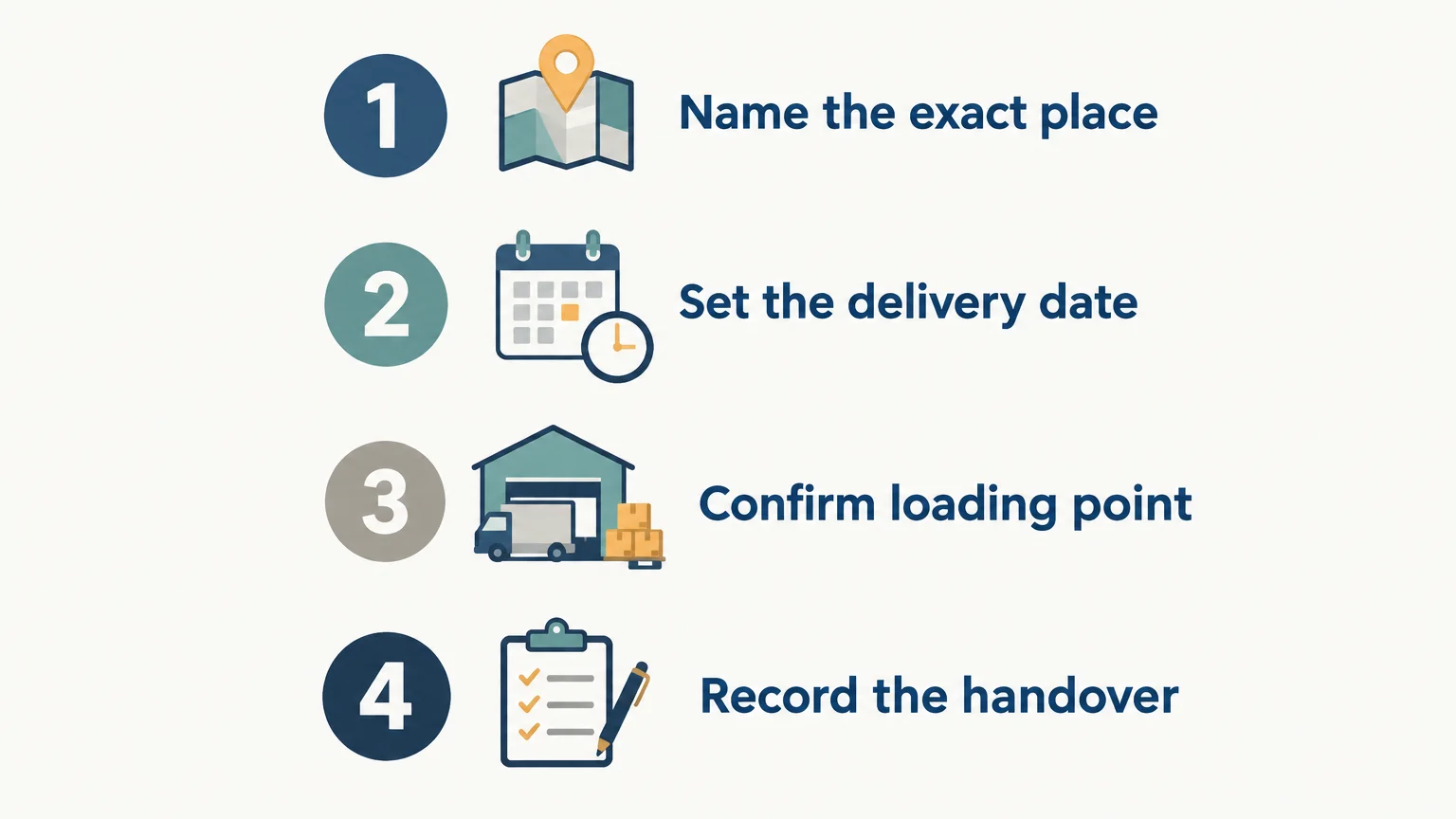
A clear clause helps both parties identify when delivery is complete and who coordinates the next stage. Before signing, confirm the practical details with your supplier and carrier.
- Name the rule and edition used, such as FCA under Incoterms® 2020.
- State the full delivery address and the exact point within the facility.
- Specify the date or delivery period and tell the seller which carrier will receive the goods.
- Confirm who loads or unloads, what delivery evidence is needed, and who handles onward freight and import formalities.
For container shipments, also check how the nominated carrier will document receipt and coordinate terminal handling. A carefully named place can prevent confusion about whether delivery occurred at the factory, depot, or terminal.
When might a coordinated DDP service suit your shipment?
FCA may suit buyers who want to select their own carrier and manage transportation after the named handover. It also leaves the buyer responsible for coordinating destination import procedures, so consider whether your team has the resources and local support to manage those steps.
For comparison, we coordinate supplier pickup in China, international freight, export declaration, destination customs clearance, duties and taxes under DDP, door-to-door delivery, and shipment tracking for Amazon FBA shipments. Our service is a DDP arrangement, not an FCA offering. Our FCA meaning in shipping article provides more background on the trade term.
Conclusion
The FCA named delivery point determines when the seller’s delivery obligation ends and risk passes to the buyer. Confirm the precise place, loading arrangement, carrier, and export responsibilities in the contract. Then compare onward freight and import duties with your team’s ability to manage them before choosing FCA or a different rule.
Need freight coordination beyond the FCA handover?
When your priority is coordinating a shipment from a Chinese supplier through customs and onward to an Amazon warehouse, compare the responsibilities in a door-to-door service with those in FCA. The right arrangement depends on which stages you want to manage yourself.
We coordinate supplier pickup, air, fast-boat, ocean, or rail freight, export declarations, destination customs clearance, DDP duties and taxes, door-to-door delivery, and tracking. Send product details or a packing list to receive three route options with estimated timelines within 24 hours. DDP quotes include destination clearance, duties, and taxes; an additional fee applies when an export declaration uses the supplier’s name for a Chinese export tax refund. Explore our freight forwarding services.
Frequently Asked Questions
What does FCA destination mean?
It usually refers to the named place where the seller hands over the goods under FCA. That place is not necessarily the buyer’s final delivery address.
Does FCA include delivery to my final address?
Not by default. The buyer generally arranges and pays for carriage after the agreed FCA handover point.
Who pays for international freight under FCA?
The buyer generally contracts and pays for carriage from the named place. The seller is responsible for delivery to that point and export clearance, subject to the contract’s arrangements.
Can FCA be used for container shipments?
Yes. FCA can be used for any transport mode, including multimodal shipments, and can define handover at a terminal before a container is loaded onto a vessel.
How does FCA differ from DDP for China-to-Amazon shipping?
With FCA, the buyer generally manages onward freight and destination import responsibilities. Our China-to-Amazon freight-forwarding service uses DDP and coordinates freight, destination customs clearance, duties and taxes, door-to-door delivery, and tracking.
Ready to Optimize Your Amazon Shipping?
Get 3 route options tailored to your products and timeline
Get Your Quote→