FCA Freight Term Explained: A Practical Guide for Sellers
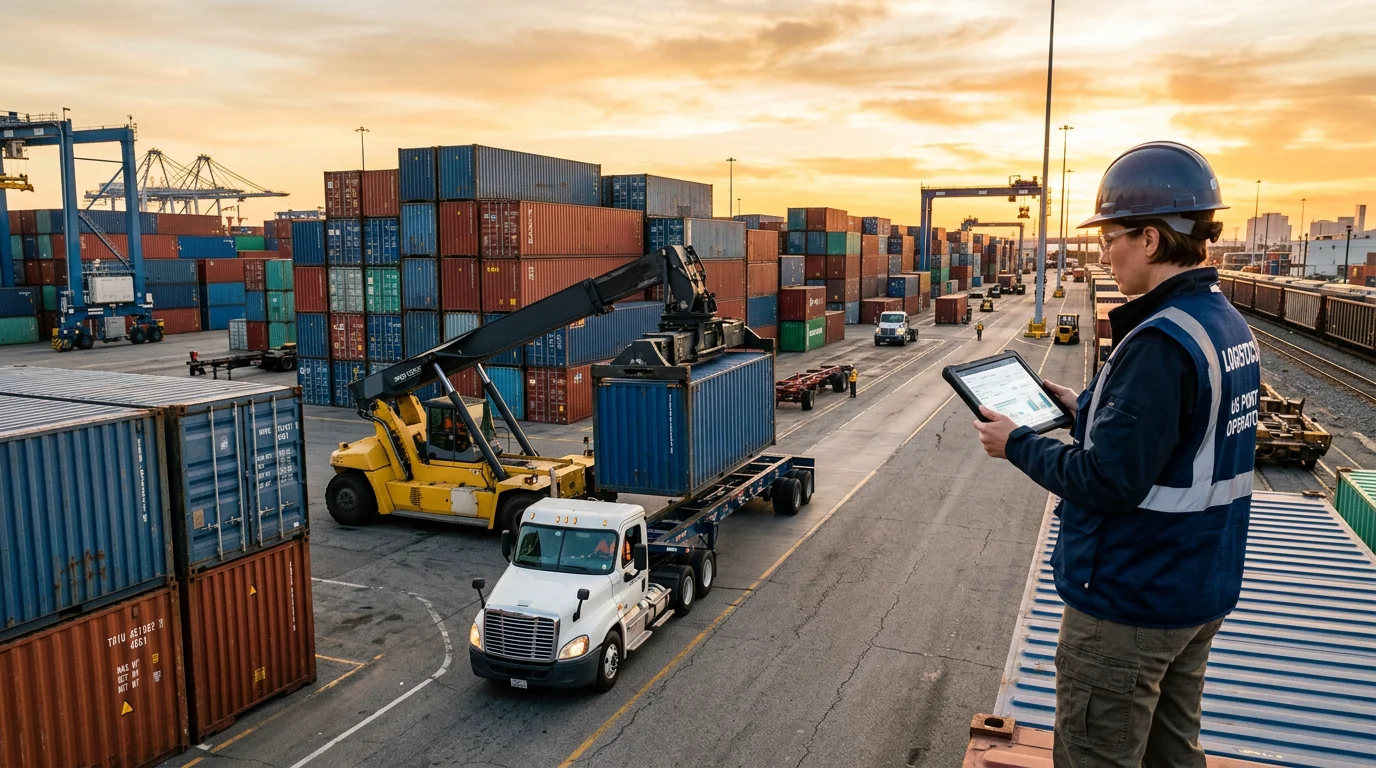
Summary: FCA (Free Carrier) is an Incoterms 2020 rule under which the seller clears the goods for export and delivers them to a carrier at a named place. Risk and cost transfer to the buyer at that point. It works for any transport mode and suits containerized international freight better than FOB.
Nearly four in ten international sales contracts are drawn up using one single Incoterm, and it is not the one most exporters expect. Understanding the FCA freight term is therefore not a niche technicality; it is a commercial skill that protects your margin and your delivery timeline. If you would like a deeper reference while you read, consult our guide to FCA terms of shipment for the operational detail.
FCA stands for “Free Carrier,” one of eleven trade terms defined by the International Chamber of Commerce. According to SeaRates data, FCA is among the most commonly applied rules because it is universal and works with every mode of transport. For US businesses sourcing overseas, choosing the right term determines who pays, who insures, and precisely when liability changes hands.
What the FCA freight term actually means
The fca freight term defines a clear handover point. Under FCA, the seller delivers the goods, cleared for export, to a carrier or another party nominated by the buyer at an agreed location. From that moment, all risks and costs move to the buyer. The named place can be the seller’s own premises or a separate site such as a forwarder’s warehouse or a terminal.
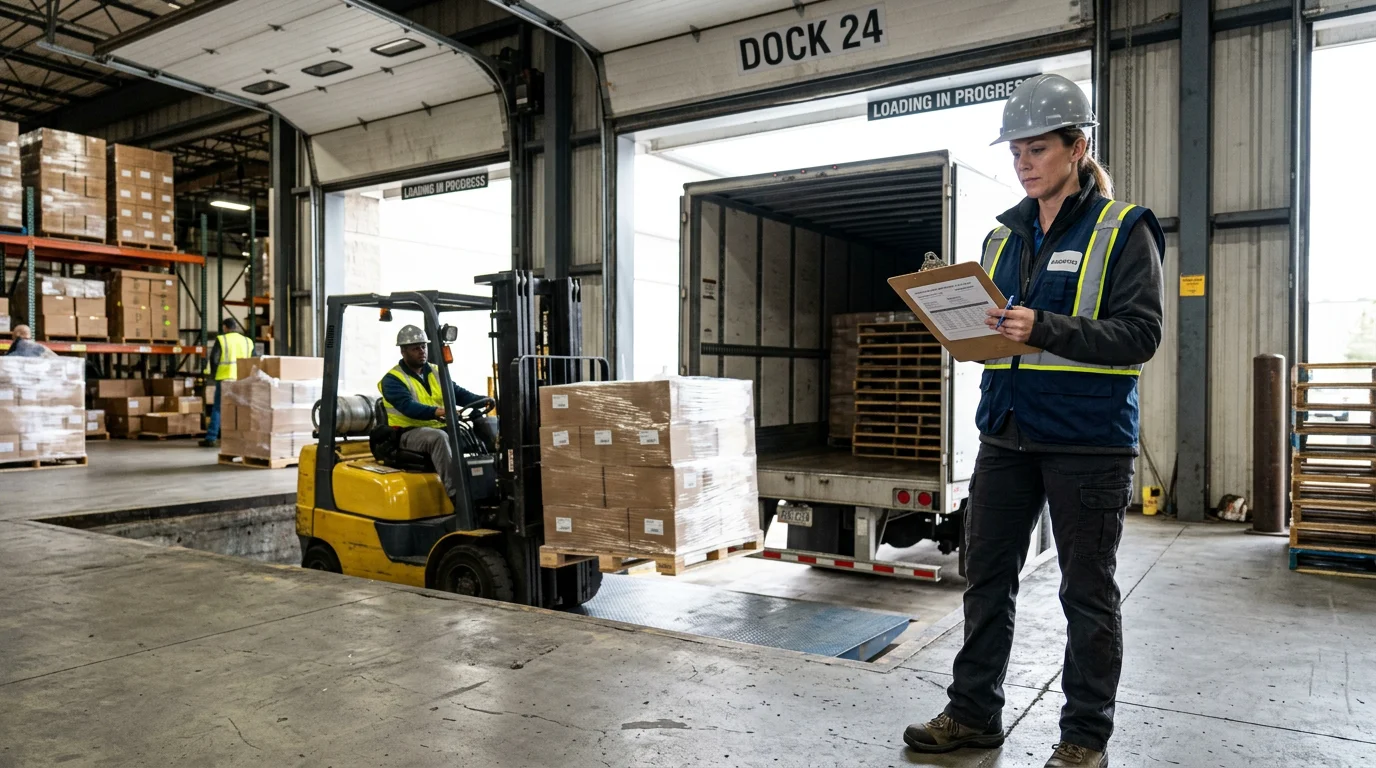
The two scenarios matter. If delivery occurs at the seller’s premises, the seller is responsible for loading the goods onto the buyer’s collecting vehicle. If delivery occurs at another named place, the seller delivers the goods ready for unloading, and the buyer handles the unloading. As Trade Finance Global notes, FCA places more onus on the seller than Ex Works, because the seller must complete export clearance. For a plain-language definition, review our FCA Incoterms definition.
Seller and buyer responsibilities at a glance
Clarity on obligations prevents disputes. The division of duties under FCA is balanced, which is why many buyers prefer it to Ex Works. The seller carries the export side; the buyer carries the main carriage and import side.
The seller is typically responsible for the following:
- Supplying the goods, the commercial invoice, and the packing list.
- Export packaging, marking, and labelling.
- Export licences and customs formalities in the origin country.
- Delivery to the named place, and loading when that place is the seller’s premises.
- Providing proof of delivery to the buyer.
The buyer, in turn, assumes these duties:
- Arranging and paying for the main carriage from the named place.
- Unloading at the named place when goods arrive on the seller’s transport.
- Import customs clearance, duties, and taxes at destination.
- Insurance for the transit legs, which is prudent although not obligatory under FCA.
Neither party is contractually required to insure the goods, so you should address cover explicitly in the sales contract. If you handle regular imports and prefer a single accountable partner, we explain the full sequence in our overview of FCA terms in Incoterms.
The Incoterms 2020 change every seller should know
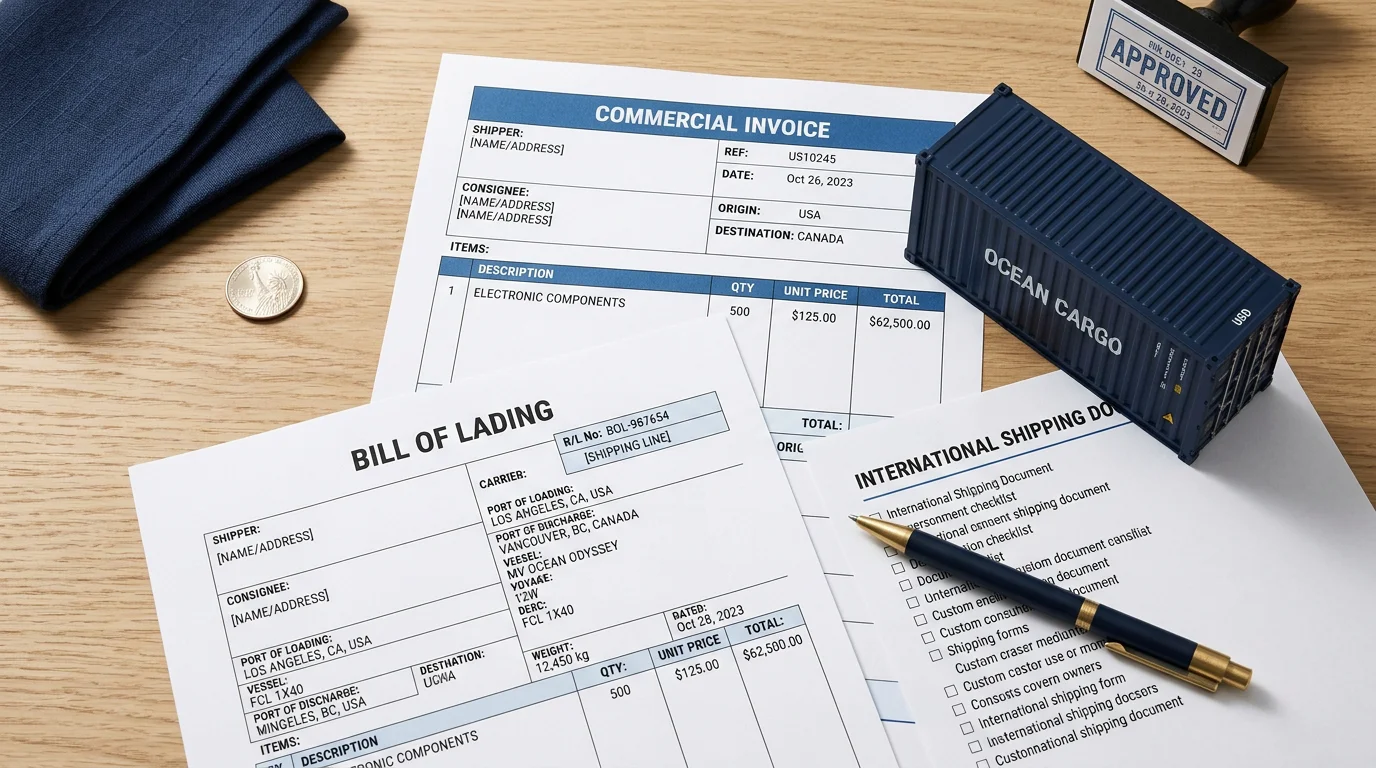
The most significant update to FCA in the current rules concerns the bill of lading. Historically, sellers paid under a letter of credit struggled to obtain an on-board bill of lading, because the carrier was hired by the buyer and had no obligation to the seller. This created payment friction.
Incoterms 2020 introduced a mechanism to address it. For the first time, if the seller requests it, the buyer must instruct its carrier to issue a transport document confirming that the goods have been loaded. This helps the seller satisfy a letter of credit. However, the practical value has limits: the carrier is not legally bound to comply, and it will not issue the document before loading occurs, which may still delay payment.
As of 2026, Shipping Solutions reports that the Incoterms 2020 rules remain the current standard, and that FCA still carries recognisable pitfalls: letter of credit delays, unfamiliar forwarders selected by the buyer, and the risk of goods being diverted after they leave the seller’s control.
FCA compared with other common Incoterms
Choosing between terms is easier when you see the trade-offs side by side. The table below compares FCA with three widely used alternatives, along with how we support each scenario for shippers moving goods into US-bound and other markets.
| Term | Export clearance | Risk transfer point | Import duties | Fit with our service |
|---|---|---|---|---|
| FCA | Seller | At the named place (origin) | Buyer | Supported; we can manage the onward legs and clearance |
| EXW | Buyer | At seller’s premises | Buyer | Heaviest burden on the buyer |
| FOB | Seller | On board the vessel | Buyer | Ocean only; often unworkable for containers |
| DDP | Seller | At destination, duties paid | Seller | Our standard route with duties and taxes included |
FCA is frequently recommended in place of FOB for containerized cargo. As EDC explains, the free carrier rule was designed to eliminate confusion in global sales contracts by defining roles precisely. Under FOB, risk passes only once goods are on board the vessel, a moment the buyer rarely controls; FCA moves that transfer earlier and closer to the buyer’s line of sight.
When choosing FCA makes sense for your shipments
FCA is a strong fit under a specific set of conditions. It suits you best when the cargo is containerized, when you have reliable knowledge of the logistics process in the seller’s country or work with a freight forwarder, and when the goods move directly to a terminal for export. If those conditions are absent, a term that places more responsibility on the seller may serve you better.
This is where the choice becomes commercial rather than legal. If you are unfamiliar with export requirements at origin, a rule such as DDP, where the seller handles more of the chain, can be more practical. For sellers who ship from China into warehouses abroad, we translate these terms into a single managed process; see our explainer on FCA shipping terms before you commit to a contract.
Final thoughts on getting FCA right
Mastering the FCA freight term comes down to three questions: where is the named place, when does risk transfer, and who arranges the main carriage. Define the delivery point precisely in your contract, address insurance explicitly, and confirm your letter of credit needs before you agree to FCA. Handled with care, it gives buyers clarity and gives sellers a clean, defensible handover. Handled loosely, an ambiguous named place is the fastest route to a dispute. Treat the term as a planning tool, not a formality, and it will protect both your cash flow and your delivery schedule.
Take action with QG Horizon
Understanding FCA is one thing; running the shipment without customs delays is another. If you sell on Amazon and source from China, you need a partner who turns Incoterms theory into a delivered pallet at the right warehouse, on time, with the duties handled.
We are Amazon sellers ourselves, and we move goods from your supplier to the Amazon warehouse with real-time tracking and responsive WhatsApp support seven days a week. Our quotes arrive within 24 hours with three route options, and our DDP model includes duties and taxes in one all-inclusive price known in advance. Explore our FCA shipping services and receive a free quote.
Frequently Asked Questions
What does FCA mean in freight shipping?
FCA stands for Free Carrier, an Incoterms 2020 rule. The seller clears the goods for export and delivers them to a carrier at a named place, after which risk and cost pass to the buyer. It applies to any mode of transport.
Who pays for freight under FCA terms?
The buyer pays for the main carriage from the named place to the final destination. The seller covers export packaging, clearance, and delivery to that agreed point. Import duties and taxes are the buyer’s responsibility.
What is the difference between FCA and FOB?
Both are F-group terms where the buyer arranges the main carriage, but risk transfers at different moments. Under FOB, risk passes only when goods are loaded on the vessel; under FCA, it passes earlier at the named place. FCA is generally preferred for containerized cargo.
Does FCA require the seller to arrange insurance?
No. Neither party is obligated to insure the goods under FCA. Because a gap in cover is risky, you should agree explicitly in the sales contract who insures each leg of the journey.
Can QG Horizon handle shipments under FCA terms?
Yes. We manage the onward legs once goods leave the named place, including customs clearance and delivery to the Amazon warehouse. Our DDP option can also fold duties and taxes into a single all-inclusive quote if you prefer the seller to carry more of the chain.
Ready to Optimize Your Amazon Shipping?
Get 3 route options tailored to your products and timeline
Get Your Quote→