FCA Terms of Shipment: A Complete Guide for Importers
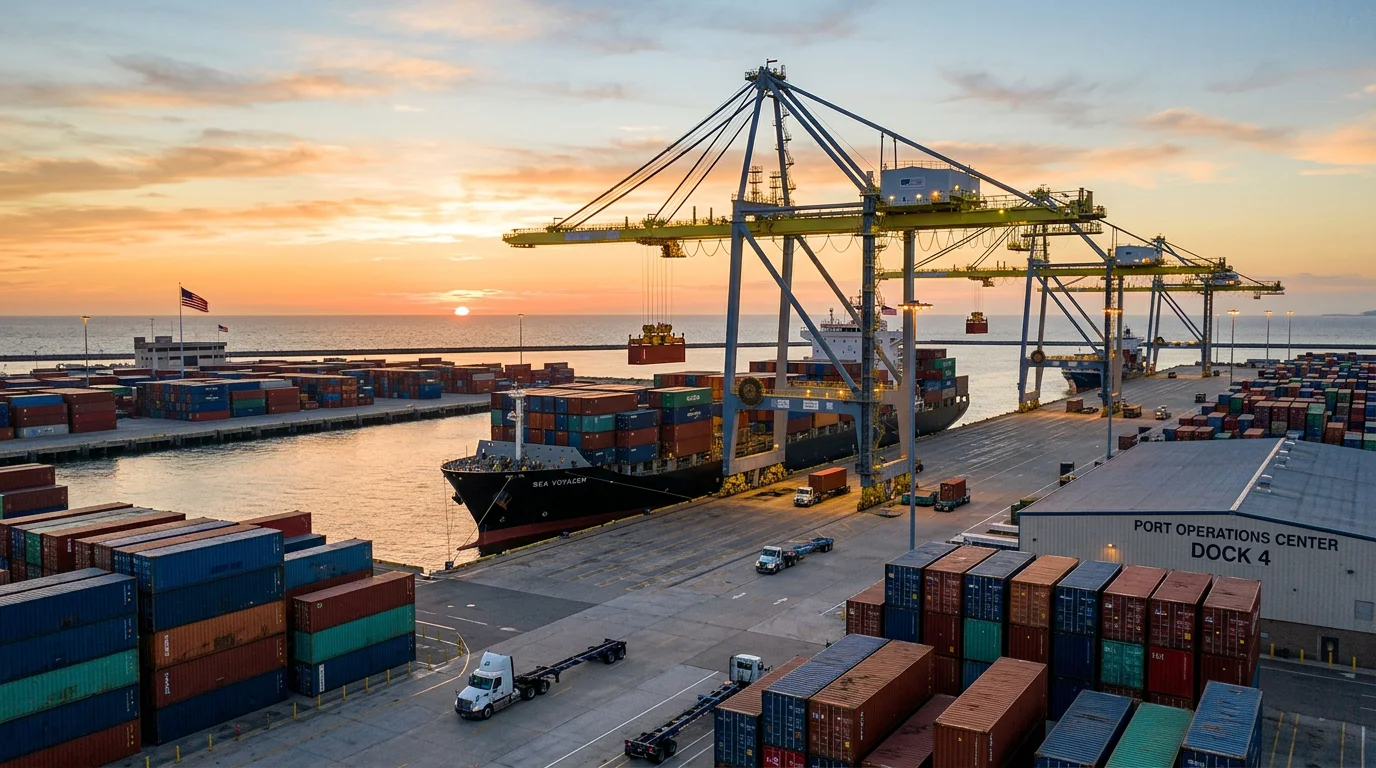
Summary: Under FCA (Free Carrier), the seller clears goods for export and hands them to the buyer’s carrier at a named place, where risk transfers to the buyer.
Choosing the wrong delivery term can turn a profitable order into a costly dispute, and Free Carrier sits at the center of that decision. If you import containerized goods, you have likely weighed it against Ex Works or FOB, yet the details of who loads, who clears, and who bears risk remain easy to misread. Our guide to FCA Incoterms breaks down that logic step by step.
Understanding the FCA terms of shipment matters because Free Carrier is among the most versatile Incoterms 2020 rules, usable across air, road, rail, sea, and multimodal transport. Trade Finance Global notes that the rule first appeared in Incoterms 1980 to accommodate container and roll-on-roll-off transport alongside air, road, and rail. That flexibility is exactly why it deserves careful attention.
What the FCA terms of shipment actually mean
FCA stands for Free Carrier. The fca terms of shipment place two obligations firmly on the seller: clear the goods for export, then deliver them to the carrier nominated by the buyer at an agreed location. From that handover point onward, the buyer assumes all cost and risk.
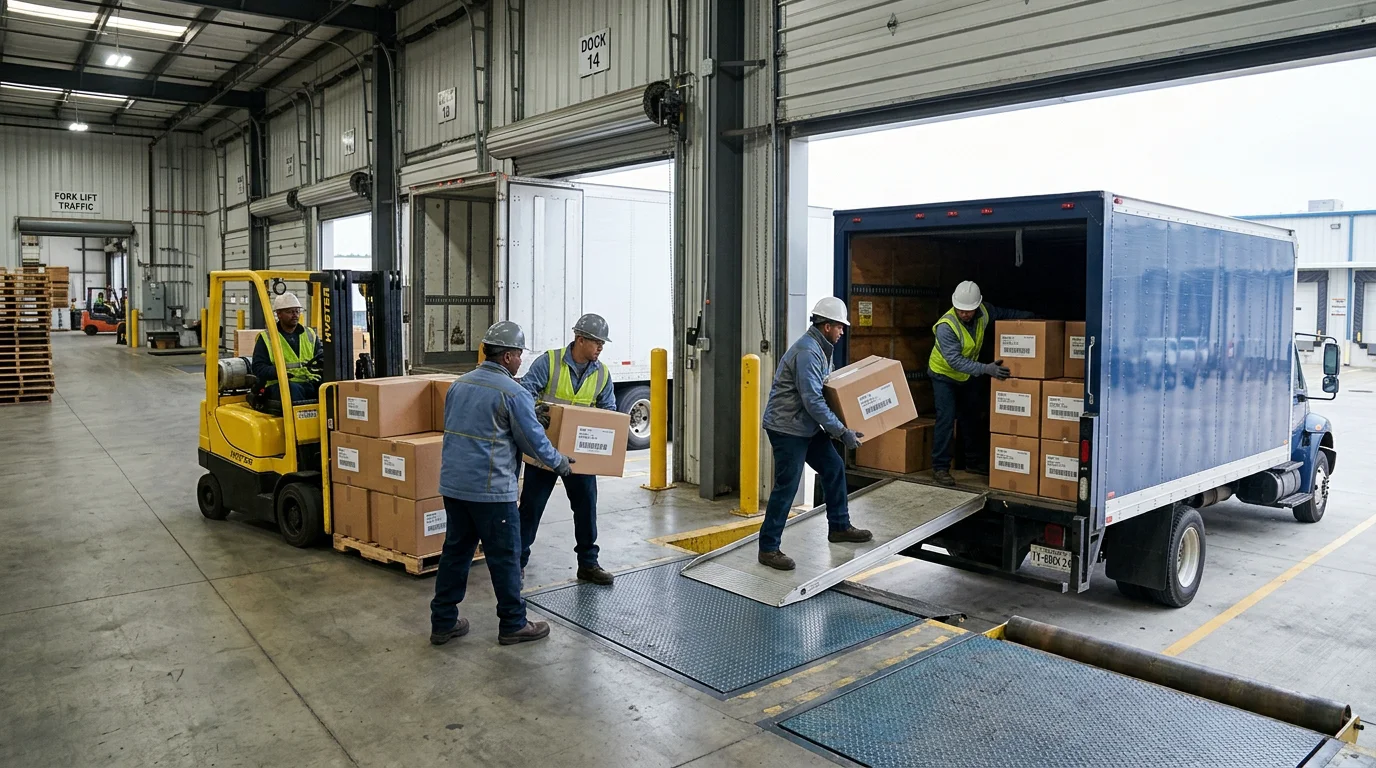
The named place can be one of two things. If it is the seller’s own premises, the seller must load the goods onto the buyer’s collecting vehicle. If it is any other location, such as a freight forwarder’s warehouse or a container terminal, the seller delivers the goods ready for unloading, and the buyer’s side handles the unloading. This dual structure is the single most important feature of Free Carrier terms to grasp before signing a contract.
Seller and buyer responsibilities at a glance
Clarity on obligations prevents disputes. Under Free Carrier, the division of duties follows a consistent pattern, regardless of whether the named place is the factory or a terminal.
| Task | Seller | Buyer |
|---|---|---|
| Commercial invoice and packing list | Yes | No |
| Export packaging and marking | Yes | No |
| Export clearance and licenses | Yes | No |
| Delivery to named place | Yes | No |
| Main carriage (freight) | No | Yes |
| Import formalities, duties, and VAT | No | Yes |
| On-carriage to final destination | No | Yes |
One point is frequently overlooked. Incoterms 2020 impose no mandatory insurance under FCA, so a gap in coverage can appear at the exact moment risk shifts. A clearly drafted sales contract should state who insures which leg of the journey. If you want the full breakdown of each clause, our FCA shipment terms explained resource covers the practical wording.
When and where risk transfers
Risk does not transfer at a vague geographic point. It transfers at the precise moment of delivery. When the named place is the seller’s premises, delivery is complete once the goods are loaded onto the buyer’s vehicle. When the place is elsewhere, delivery occurs when the goods arrive at that location on the seller’s transport, ready to be unloaded by the buyer’s carrier.
This is why naming the place with precision is non-negotiable. A term such as “FCA Shenzhen” alone is ambiguous, because it fails to identify the exact street address where the handover happens. Vague wording is one of the most common sources of costly disputes in international shipping terms, and it is entirely avoidable with a full address in the contract.
FCA versus EXW and FOB
Free Carrier is often compared with two neighbors: Ex Works and FOB. The differences are meaningful. Under EXW, the seller only makes goods available at its premises, leaving the buyer to arrange export clearance in an unfamiliar jurisdiction. FCA improves on this by placing export clearance on the seller, which the ICC recommends for cross-border trade.
According to Export Development Canada, the free carrier, free on board, and free alongside ship rules were all drafted by the ICC to eliminate confusion in global sales contracts. Against FOB specifically, FCA shifts risk earlier, at the named place rather than at the ship’s rail, which gives the buyer clearer control over the moment liability begins. For containerized cargo, that earlier and cleaner cut-off is the practical reason many importers now favor Free Carrier. Our comparison of Incoterms comparison: DAP terms extends this analysis to delivered-at-place arrangements.
The Incoterms 2020 bill of lading change
The most significant revision to FCA under Incoterms 2020 concerns documentation for letter of credit payments. Historically, sellers using Free Carrier struggled to obtain a bill of lading with an on-board notation, because the carrier was hired by the buyer and owed the seller no obligation.
As Shipping Solutions explains, the buyer and seller can now agree in the sales contract that the buyer will instruct its carrier to issue an on-board bill of lading to the seller. This makes FCA far more compatible with letter of credit transactions. One caveat remains: the carrier is still not legally obligated to comply, and even when it does, the document is issued only after loading, so timing delays can still occur.
Using FCA for Amazon FBA shipments from China
For Amazon sellers sourcing in China, Free Carrier can look attractive on paper, yet it leaves the entire main carriage, import clearance, and final delivery on your shoulders. If you are unfamiliar with US customs procedures, that responsibility can trigger the very delays that disrupt FBA restocking. This is where a delivered, duties-paid approach often serves the American market better.
We built our service around exactly that problem. We handle collection at your supplier, freight, customs clearance under DDP with duties and taxes included, and delivery all the way to the Amazon warehouse, with a quote returned within 24 hours and real-time tracking through WhatsApp. Compared with managing an FCA handover yourself, a single point of accountability removes the guesswork.
| Approach | Export clearance | Main carriage | Import duties | Best for |
|---|---|---|---|---|
| EXW | Buyer | Buyer | Buyer | Domestic pickups only |
| FCA | Seller | Buyer | Buyer | Buyers with logistics expertise |
| Our DDP FBA service | Handled by us | Handled by us | Included, paid by us | Amazon sellers wanting a turnkey door-to-warehouse solution |
With route options spanning air (5 to 9 days), express sea (22 to 28 days), ocean (30 to 40 days), and China-Europe rail (20 to 25 days), you can match cost to urgency without piecing together the leg that FCA leaves open.
Conclusion
The FCA terms of shipment give importers a flexible, transport-agnostic rule where the seller clears exports and risk passes cleanly at a named place. The recurring lesson is precision: name the exact delivery address, define insurance, and confirm documentation, especially the on-board bill of lading that Incoterms 2020 made available for letter of credit trades. Handled well, Free Carrier gives the buyer real control over the main carriage. Handled poorly, it exposes you to the customs delays that can derail an FBA restock. For sellers who prefer not to shoulder the freight and clearance themselves, our end-to-end DDP service delivers duties-paid shipments straight to the Amazon warehouse with a single point of contact. To compare your options before committing, review our guide to Incoterms comparison: Fob vs CIF vs DDP.
Frequently Asked Questions
What does FCA mean in shipping?
FCA stands for Free Carrier. The seller clears the goods for export and delivers them to the buyer’s nominated carrier at an agreed named place, where all risk and cost transfer to the buyer.
Is FCA better than FOB for containers?
For containerized cargo, FCA is generally preferred because risk transfers earlier, at the named place rather than at the vessel. This gives the buyer clearer control over when liability begins.
Can I avoid handling FCA logistics for Amazon FBA?
Yes. Rather than managing the main carriage and import clearance yourself, our DDP FBA service collects from your supplier, clears customs with duties included, and delivers to the Amazon warehouse, with a quote in 24 hours.
Ready to Optimize Your Amazon Shipping?
Get 3 route options tailored to your products and timeline
Get Your Quote→