Flexport vs AMZ Prep Freight Forwarding: Which Fits Best?

Summary: Flexport suits tech-focused importers who value digital shipment management and broad supply chain visibility. AMZ Prep is a stronger fit when freight forwarding, FBA preparation, and North American fulfillment should work through one provider. For China-to-Amazon shipments requiring clear DDP handling, route choice, and responsive support, QG Horizon provides another practical option.
A low freight rate can become expensive when customs, labeling, delivery appointments, and Amazon receiving are handled separately. If you are comparing providers, our guide to Amazon FBA freight forwarder alternatives can help you assess the wider market before requesting quotes.
The right choice between Flexport vs AMZ Prep freight forwarding depends on more than the ocean or air rate. You should compare the complete China-to-Amazon workflow, including customs responsibility, duties, FBA preparation, domestic delivery, tracking, support, and the charges excluded from the initial quote. U.S. customs guidance also makes importer and filing responsibilities important parts of the decision, not administrative details to review later. CBP filing guidance provides useful context for this responsibility.
Flexport vs AMZ Prep: Quick Comparison
Both providers can support international freight for e-commerce sellers, but they emphasize different operating models. Flexport centers its offer on a digital freight and supply chain platform. AMZ Prep combines international freight with FBA preparation, domestic fulfillment, and middle-mile services. Industry coverage of end-to-end logistics also highlights the importance of comparing the full supply chain rather than the international freight leg alone. Independent logistics analysis offers additional context on that distinction.
| Criterion | Flexport | AMZ Prep |
|---|---|---|
| China-to-Amazon workflow | International freight quoting, customs support, and delivery to Amazon fulfillment centers through a digital workflow. | Managed freight from supplier to Amazon, with customs, FBA preparation, and final delivery under one program. |
| Freight modes | Ocean, air, trucking, and other inland transport options depending on the lane. | Ocean FCL and LCL, air freight, and domestic FTL or LTL delivery. |
| Customs and duties | Customs services and related options are available, but the quote must be checked for duty, tax, and destination scope. | Customs clearance, ISF filing, and duty handling are presented as part of the managed freight service. |
| Pricing model | Shipment-specific digital quotes, with additional services and destination charges requiring review. | Quote-based freight pricing, including freight, customs, FBA preparation, and delivery in the stated managed program. |
| Visibility and support | Digital shipment tracking, milestones, quotes, and supply chain data through the platform. | Live tracking, automated updates, and a single freight contact from pickup through Amazon check-in. |
| FBA preparation | FBA preparation can be selected through a prep warehouse workflow before delivery to Amazon. | FBA labeling, poly bagging, bundling, shipment creation, and inbound delivery are integrated into the service. |
| Best operational fit | Digitally mature importers, larger shippers, and teams managing broader supply chain activity. | Amazon sellers seeking one provider for freight, FBA preparation, and North American fulfillment. |
Flexport
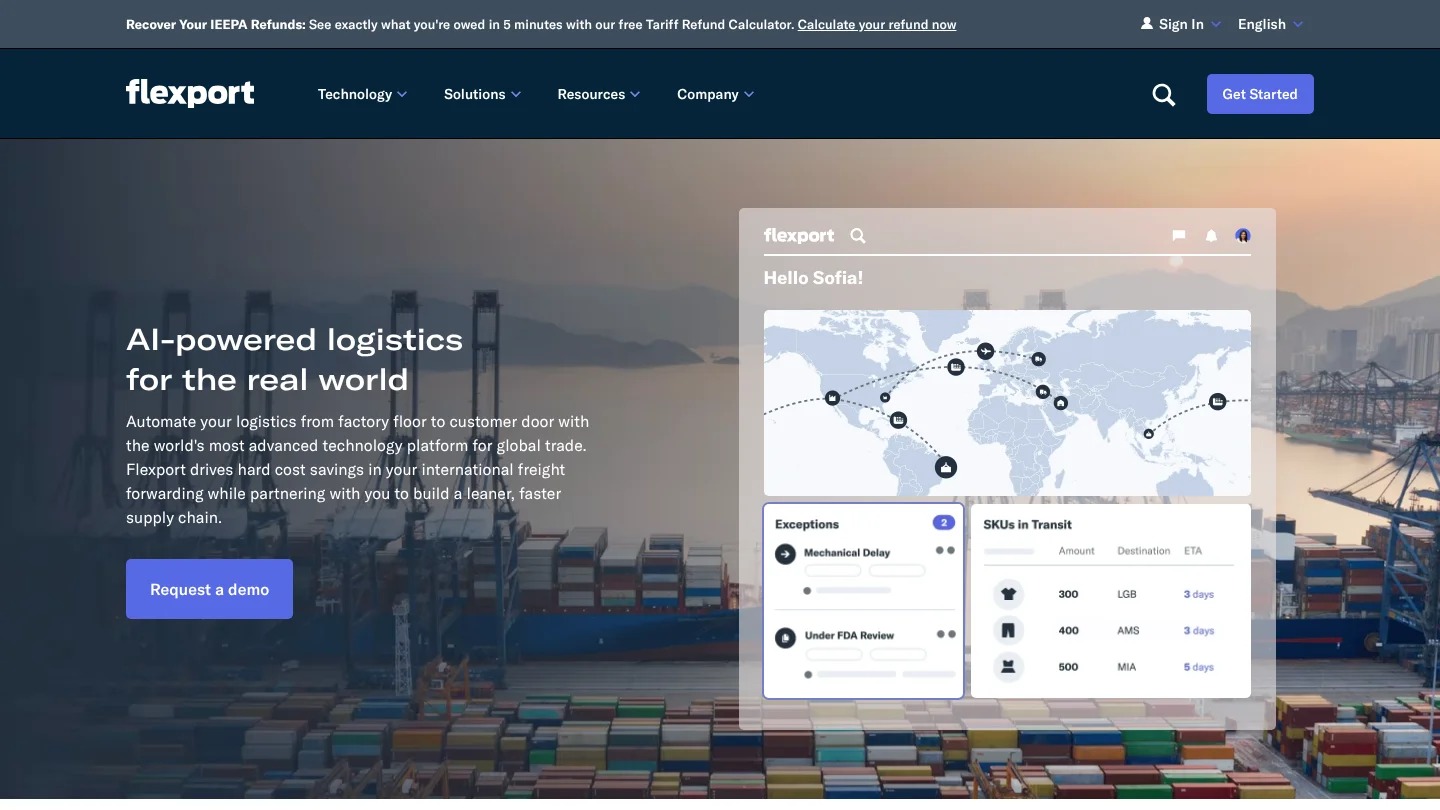
Best for: Flexport is best suited to importers who want a technology-led freight workflow, detailed shipment visibility, and access to broader supply chain services. It can appeal to digitally mature businesses with internal teams that can review quote details, customs requirements, and fulfillment choices.
Flexport supports international freight bookings for shipments moving from suppliers to Amazon fulfillment centers. Its workflow can use supplier addresses, product information, target delivery dates, and Amazon shipment details. Depending on the setup, sellers can select delivery directly to Amazon, forward inventory to a prep warehouse, or use replenishment storage before sending inventory onward.
The platform approach can reduce manual email coordination. It also gives larger importers a structured way to review shipment milestones, quotes, exceptions, and related supply chain costs. However, the digital workflow does not remove the need to check the commercial scope of each quote. Customs duties, destination charges, cargo insurance, final delivery, and preparation services may not all be included in the first displayed rate.
Pros:
- Strong digital visibility for shipment status, milestones, and quote management.
- International freight services suited to ocean and air import programs.
- Options for direct Amazon delivery, FBA preparation, and replenishment workflows.
- Useful for businesses managing multiple suppliers, lanes, or supply chain processes.
Cons:
- Quote comparisons require careful review of duties, customs, final delivery, and additional services.
- The platform may feel complex for first-time importers seeking a highly guided process.
- Its broad supply chain model can be more than a small seller needs for a straightforward shipment.
AMZ Prep
Best for: AMZ Prep is best suited to e-commerce brands that want freight forwarding, FBA preparation, and North American fulfillment connected through one provider. It is particularly relevant when inventory needs to move beyond the port and into Amazon fulfillment centers or other sales channels.
AMZ Prep presents freight as a managed service from the factory to the fulfillment center. Its stated scope includes ocean FCL and LCL, air freight, factory pickup, international tracking, customs clearance, ISF filing, duty handling, FBA labeling, preparation, and delivery to Amazon fulfillment centers.
The main practical advantage is operational continuity. A seller can use one logistics relationship for international freight and the preparation work that follows arrival. AMZ Prep also describes a network of more than 50 fulfillment centers across the United States, Canada, the United Kingdom, and Europe, which can support brands with broader fulfillment requirements.
Pros:
- Combines international freight and FBA preparation within one managed workflow.
- Supports ocean FCL, ocean LCL, air freight, and domestic delivery services.
- Provides live tracking and automated milestone updates for shipments.
- Useful for brands that also need DTC, retail, or multi-channel fulfillment.
Cons:
- The broader fulfillment network may be unnecessary for sellers who only need a single international freight leg.
- Final pricing still depends on origin, product type, shipment size, destination, and required services.
- Sellers should confirm the exact scope of duties, insurance, prep, and Amazon delivery in the written quote.
Which Freight Model Fits Your Shipment?

The best provider depends on where your main operational risk sits. If your priority is platform visibility and broader supply chain data, Flexport may be more suitable. If your priority is keeping freight, FBA preparation, and domestic fulfillment under one relationship, AMZ Prep may be more convenient.
Choose a digital freight model when visibility is the priority
A digital freight model is useful when your team manages several suppliers, recurring containers, multiple destinations, or complex internal reporting. Centralized shipment data can make it easier to monitor exceptions and compare bookings. This approach still requires internal attention to customs scope, importer responsibility, Amazon shipment data, and charges that sit outside the base freight rate.
Choose an integrated FBA model when handoffs create risk
An integrated FBA model is useful when you want the same provider to manage freight arrival, preparation, labeling, and delivery into Amazon. It can reduce the number of vendors involved in an inbound shipment. This is especially relevant for sellers without a dedicated logistics department or for brands managing frequent replenishment alongside other fulfillment channels.
For additional decision criteria, our guide on how to choose a freight forwarder for Amazon FBA explains how shipment size, urgency, product characteristics, customs handling, and tracking needs should influence your selection.
Customs, Duties, and Importer Responsibility
Customs is one of the most important differences between a convenient quote and a predictable landed cost. You should identify who prepares the declaration, who acts as importer of record, who pays duties and taxes, and what happens if customs requests additional documents.
Flexport provides customs and trade services through its freight workflow, but sellers should confirm the exact duty and tax treatment for each shipment. A quote that covers international freight may still require separate review of customs fees, duties, final delivery, cargo insurance, and other destination costs.
AMZ Prep presents customs clearance, ISF filing, and duty handling as part of its managed freight program. This can simplify coordination, but the written quotation should still identify the applicable product classification, declared value, duty assumptions, exclusions, and any charges caused by inspections or unusual handling.
Our DDP service follows a different positioning. We coordinate supplier pickup, export declaration, international freight, destination customs clearance, duties and taxes, and door-to-door delivery to an Amazon warehouse. Our stated routes use DDP, with QG Horizon acting as the official importer of record at destination according to our FAQ. The standard Chinese export declaration is included, while an additional fee applies when the declaration is made under the supplier’s name for a Chinese export tax refund.
Pricing and Quote Transparency
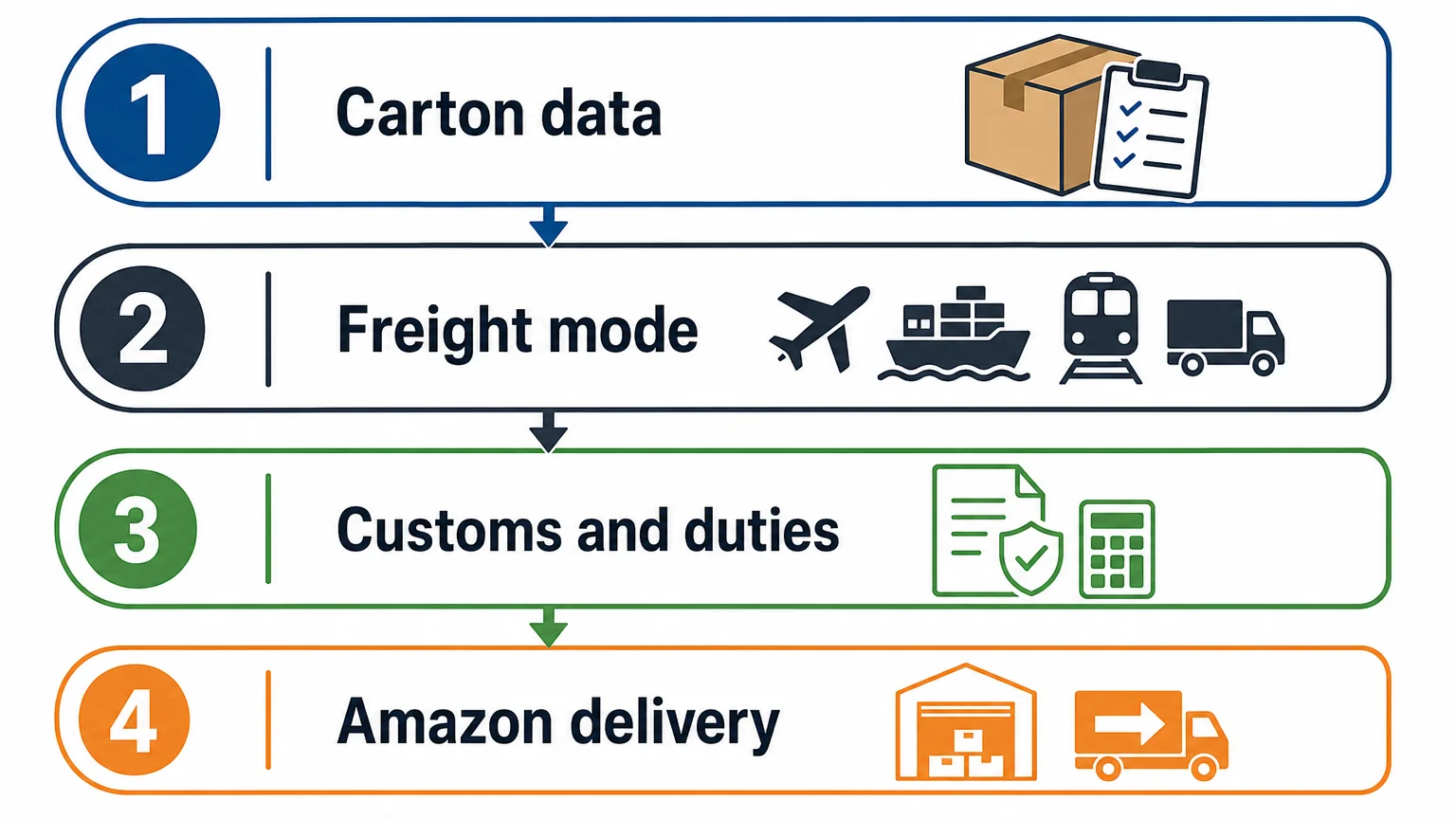
Freight pricing is shipment-specific, so a meaningful comparison requires the same shipment data for every provider. Send the supplier address, carton count, dimensions, weight, product description, declared value, Amazon destination, cargo-ready date, and required delivery window.
For Flexport, review whether the quote includes origin pickup, export handling, international freight, customs brokerage, duties, insurance, destination handling, FBA preparation, and final delivery. A lower international freight rate may not produce a lower landed cost if important services are added later.
For AMZ Prep, ask how the managed quote separates freight, customs, preparation, domestic delivery, and any additional services. Its integrated model can simplify budgeting, but the exact product category, shipment size, origin, and destination still determine the final amount.
Our quote process provides three route options with pricing and estimated timelines within 24 hours after receiving the shipment information. Sellers can compare air, fast boat, ocean, and rail according to urgency, budget, shipment scale, and destination. DDP quotes are presented as all-inclusive, subject to the stated supplier-name export-declaration fee exception.
Where QG Horizon Fits
QG Horizon is a China-based, Shenzhen-operated freight forwarder focused on moving inventory from Chinese suppliers to Amazon warehouses worldwide. We coordinate supplier pickup, Chinese export declarations, international freight, customs clearance, DDP duties and taxes, door-to-door delivery, tracking, and shipment support.
Our route structure is designed for sellers who want a practical choice between speed and cost. Air is positioned for urgent, lightweight, or high-value inventory. Fast boat supports regular cartons where speed and cost must be balanced. Ocean suits large, planned, or non-urgent shipments. Rail provides a China-Europe option for mid-size flows.
The team consists of Amazon sellers who became freight forwarders and states that it has shipped from China for more than five years. We also state that tested routes may produce average savings of 10% to 20% per shipment, but this is a first-party, unverified claim rather than an independent performance guarantee.
For a broader perspective on our operating model, see how QG Horizon compares to traditional freight forwarders. The practical fit is strongest when you need China-origin coordination, DDP handling, route comparison, and direct communication without managing multiple logistics stages yourself.
Conclusion
Flexport is a compelling option for digitally mature importers that prioritize platform visibility and broad supply chain management. AMZ Prep is more attractive when freight forwarding, FBA preparation, and North American fulfillment should be connected through one provider. For China-to-Amazon sellers comparing practical route choices, DDP scope, support, and transparent shipment coordination, QG Horizon’s China-to-Amazon freight forwarding model deserves consideration alongside both providers.
Plan Your China-to-Amazon FBA Shipment
Choosing a freight forwarder is easier when the route, customs scope, and delivery expectations are clear before your supplier releases the cargo. QG Horizon helps Amazon sellers compare transport options according to budget, urgency, product characteristics, shipment size, and destination.
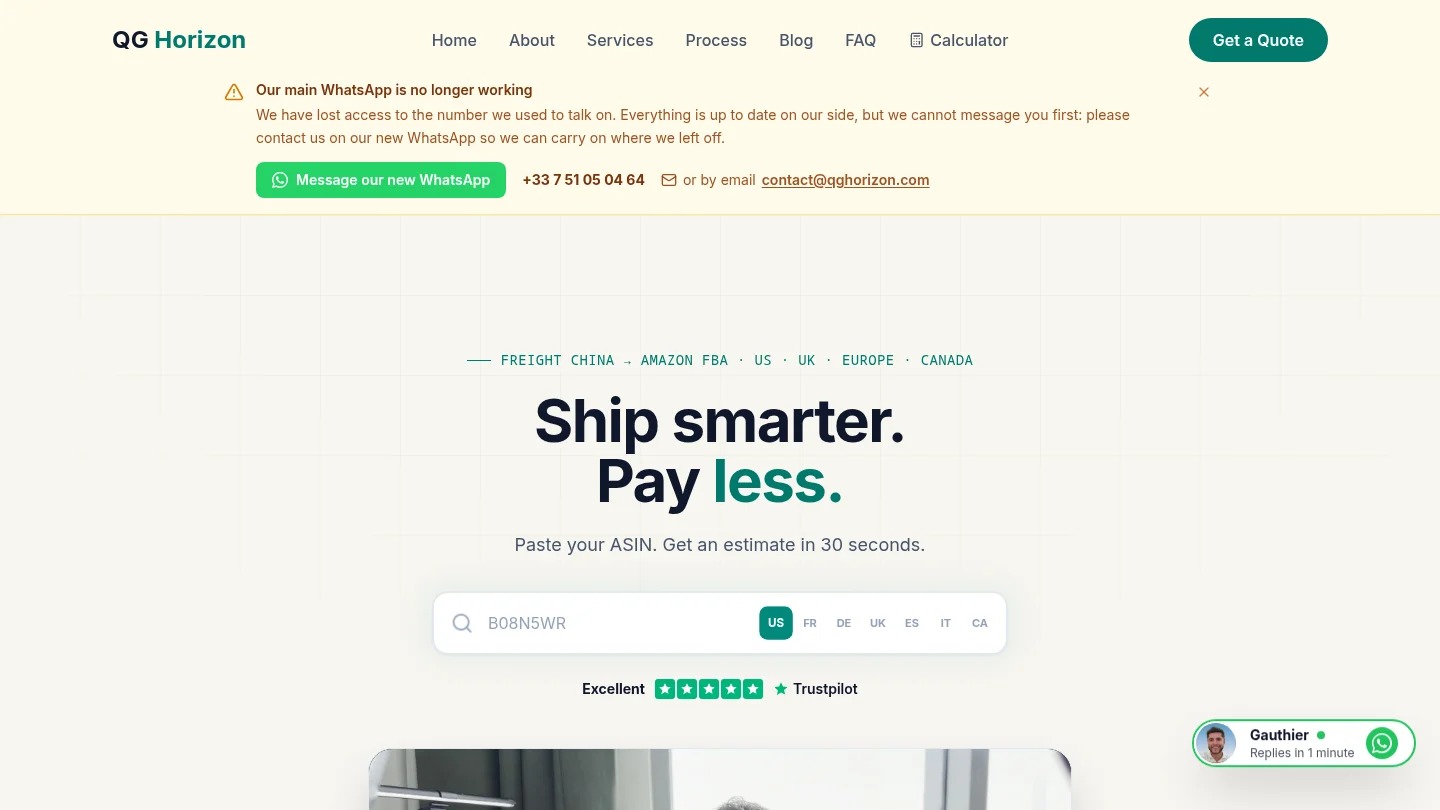
Our team coordinates supplier pickup, export declarations, international freight, DDP customs handling, duties and taxes, door-to-door delivery, tracking, and shipment support. Submit your shipment details or packing list to compare route options and request Amazon FBA freight forwarding services.
Frequently Asked Questions
Is Flexport or AMZ Prep better for China-to-Amazon FBA?
Flexport is generally better suited to importers prioritizing digital visibility and broader supply chain management. AMZ Prep is better suited to sellers who want freight forwarding, FBA preparation, and North American fulfillment connected through one provider.
Does Flexport include FBA preparation?
Flexport can support an FBA preparation workflow through a prep warehouse before inventory moves to Amazon. You should confirm the required labeling, preparation services, distribution method, and related charges in the shipment quote.
What freight modes does AMZ Prep handle?
AMZ Prep supports ocean FCL and LCL, air freight, and domestic FTL or LTL delivery. The most suitable option depends on shipment volume, product characteristics, urgency, origin, and destination.
Who acts as importer of record on a DDP shipment?
The importer of record depends on the contractual setup and the provider’s customs arrangement. Confirm this responsibility in writing, together with duty payment, tax treatment, documentation obligations, and the process for customs exceptions.
How should you compare freight forwarding quotes?
Use identical shipment details and compare the complete landed-cost scope. Review pickup, export handling, freight mode, customs, duties, taxes, insurance, FBA preparation, destination delivery, exclusions, tracking, and support before selecting a provider.
Ready to Optimize Your Amazon Shipping?
Get 3 route options tailored to your products and timeline
Get Your Quote→