FOB Freight Terms Explained: A Guide for US Importers
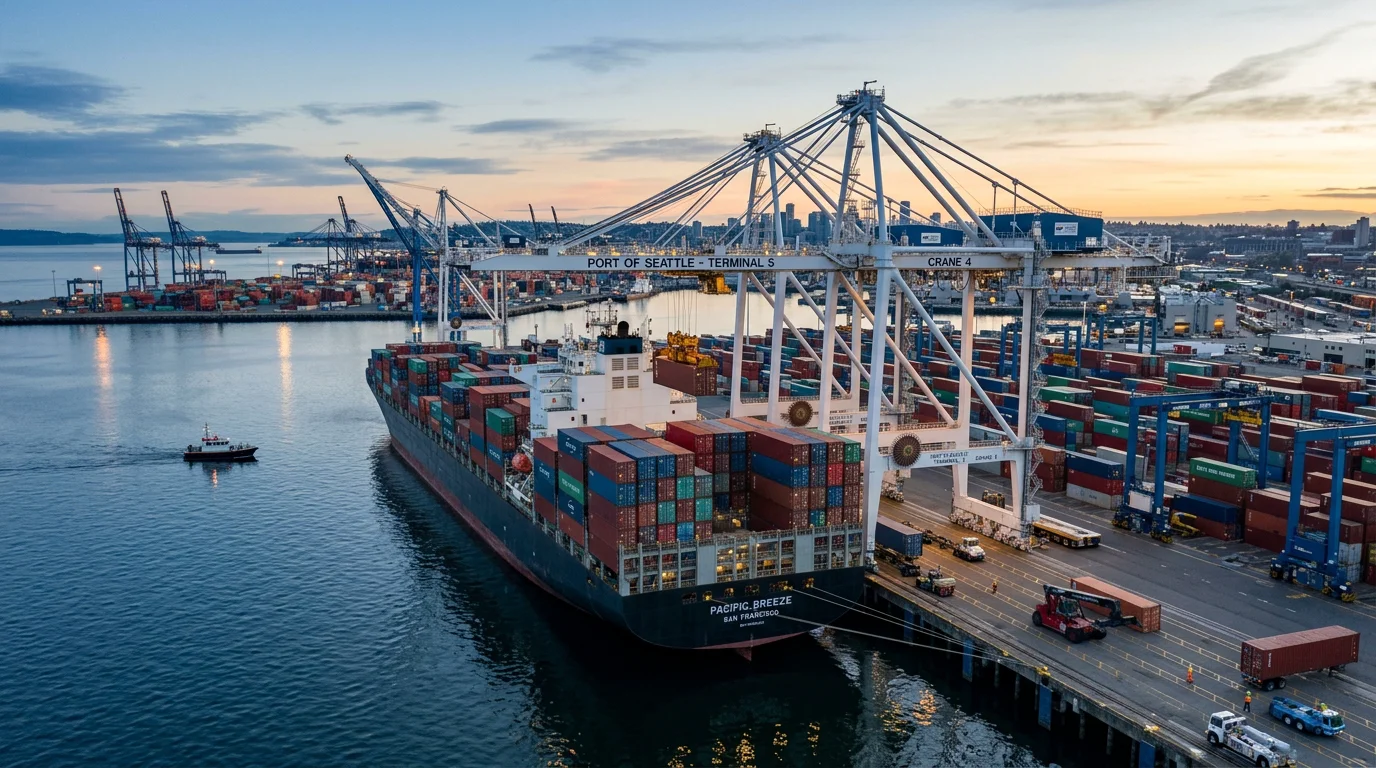
Summary: FOB, or Free on Board, defines the exact point at which responsibility, cost, and risk for goods pass from a seller to a buyer during shipping. Under FOB terms, the seller loads the cargo, and the buyer assumes control once the goods are on board. Choosing the right FOB arrangement protects your margins and clarifies liability.
Roughly nine in ten items in a typical American home arrived by sea, and nearly every one of those shipments carried a shipping term that decided who paid and who carried the risk. When you import products, the difference between profit and loss often hides inside three small letters. Understanding FOB freight terms is therefore not a formality; it is a financial decision that shapes your landed cost. To see how the origin point specifically shifts exposure onto your shipment, review How FOB origin affects your shipment.
FOB stands for “Free on Board,” a designation published by the International Chamber of Commerce. According to the ICC Academy, FOB means the seller delivers the goods loaded on board the vessel nominated by the buyer at the port of shipment, and at that point the risk of loss transfers to the buyer. This single rule governs billions of dollars in trade every year, yet many US buyers misread it.
What FOB Actually Means in Shipping
The acronym is simple, but the interpretation depends on context. In international ocean trade, FOB is one of eleven official Incoterms. Approved Forwarders explains that Incoterms are three-letter designations created by the ICC to define responsibilities between buyers and sellers for transportation costs and liability.
Under FOB, the seller handles packing, inland transport to the origin port, export clearance, and the cost of loading the cargo onto the ship. Once the goods rest on board, the transfer of risk passes to you, the buyer. From that moment, you pay ocean freight, insurance, unloading, and final delivery.
One caution matters for American importers. Some contracts spell out “Freight on Board” instead of “Free on Board.” That phrasing is not a recognized industry term and can create confusion in a dispute, so insist on the correct wording in every purchase order.
Where Risk and Cost Change Hands
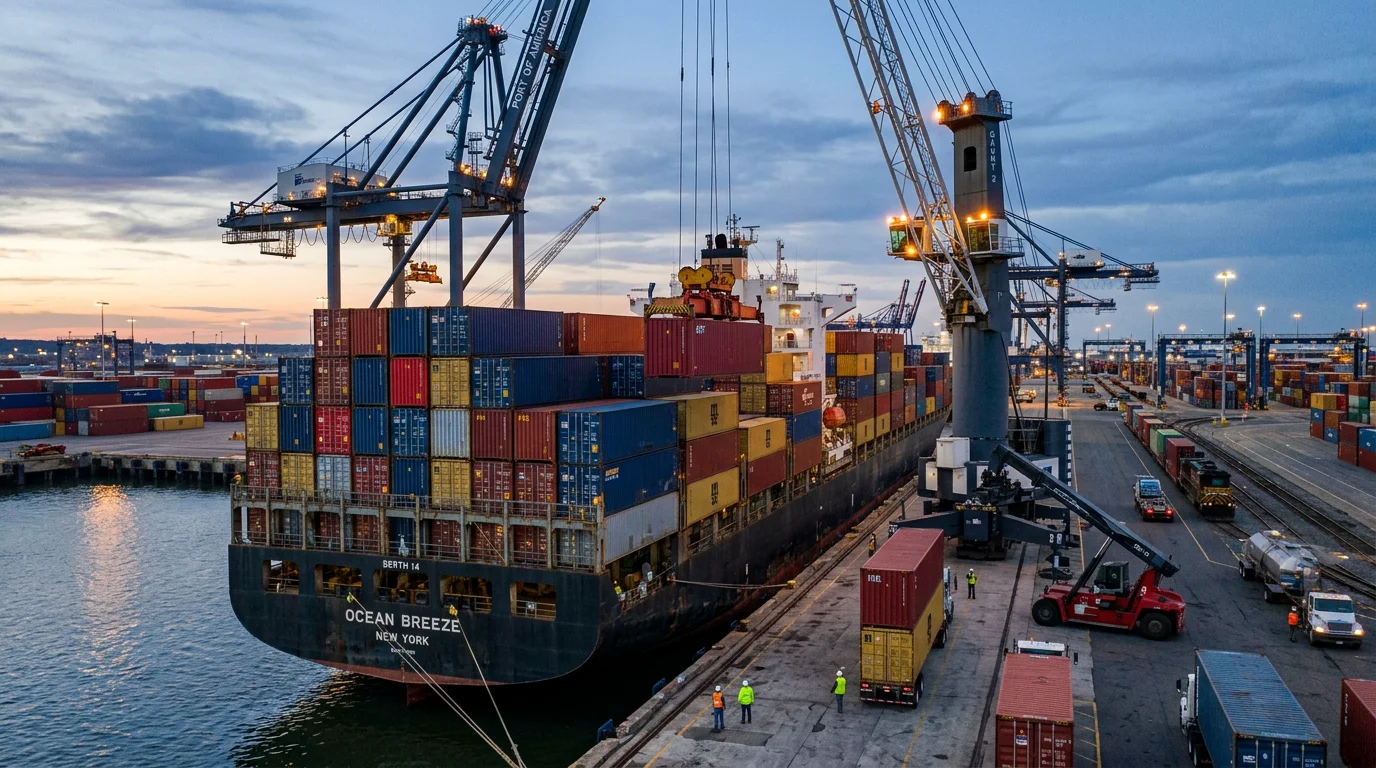
Picture a shipment of 1,000 units leaving a factory in Shenzhen bound for a warehouse in the US. With FOB, the supplier moves those units to the origin port and loads them. The instant the cargo is aboard the vessel, the liability becomes yours.
This precise handover is what makes FOB attractive to buyers. Shipping Solutions notes that under Incoterms 2020, the seller fulfills its obligation when the goods are loaded on the vessel nominated by the buyer at the named port of shipment, and the buyer bears costs from that point forward.
Because risk passes at a single, verifiable location, FOB gives you a clean audit trail. If damage occurs during ocean transit, responsibility rests clearly with your side of the transaction, which simplifies insurance claims and accounting entries.
FOB Origin Versus FOB Destination
In domestic US commerce, FOB carries a slightly different meaning than in international Incoterms. Here the term appears as either “FOB origin” or “FOB destination,” and the distinction determines who owns the goods while they move.
With FOB origin (also called FOB shipping point), the sale is complete at the seller’s dock, and you take ownership and liability the moment the carrier collects the goods. With FOB destination, ownership stays with the seller until the shipment reaches your door. The choice reshapes your risk profile and your balance sheet.
Each option also pairs with a freight-payment instruction. “Prepaid” means the seller pays the carrier; “collect” means you pay. For a deeper margin comparison between the two structures, see our breakdown of FOB shipping point vs FOB destination.
The Four Common FOB Combinations
The two location terms combine with the two payment terms to create four practical arrangements used across the American market. The table below compares who pays, who bears the cost, and who owns the goods in transit.
| FOB Term | Who Pays Freight | Who Owns Goods in Transit | Who Files Claims |
|---|---|---|---|
| FOB Origin, Freight Collect | Buyer | Buyer | Buyer |
| FOB Origin, Freight Prepaid | Seller | Buyer | Buyer |
| FOB Destination, Freight Collect | Buyer | Seller | Seller |
| FOB Destination, Freight Prepaid | Seller | Seller | Seller |
Why FOB Is Not Always the Best Choice
FOB remains one of the most widely quoted terms for ocean cargo, yet it is not the ideal fit for every shipment. The rise of containerization changed the picture significantly.
UPS Supply Chain Solutions confirms that FOB should be used only for sea or inland waterway transport where the parties intend to place the goods on board a vessel. When your cargo travels in a sealed container handed over at a container yard, the FCA term often protects you better, because risk transfer under FOB assumes loading directly onto the ship.
If your goods enter the shipping chain at a container terminal rather than at the vessel itself, insisting on FOB can leave a gap in liability. Reviewing your Incoterm before you sign avoids that exposure. When you want a supplier arrangement that fits your actual cargo flow, our guide to Negotiate better FOB terms with your supplier walks through the leverage points that matter.
How FOB Terms Affect Your Bottom Line
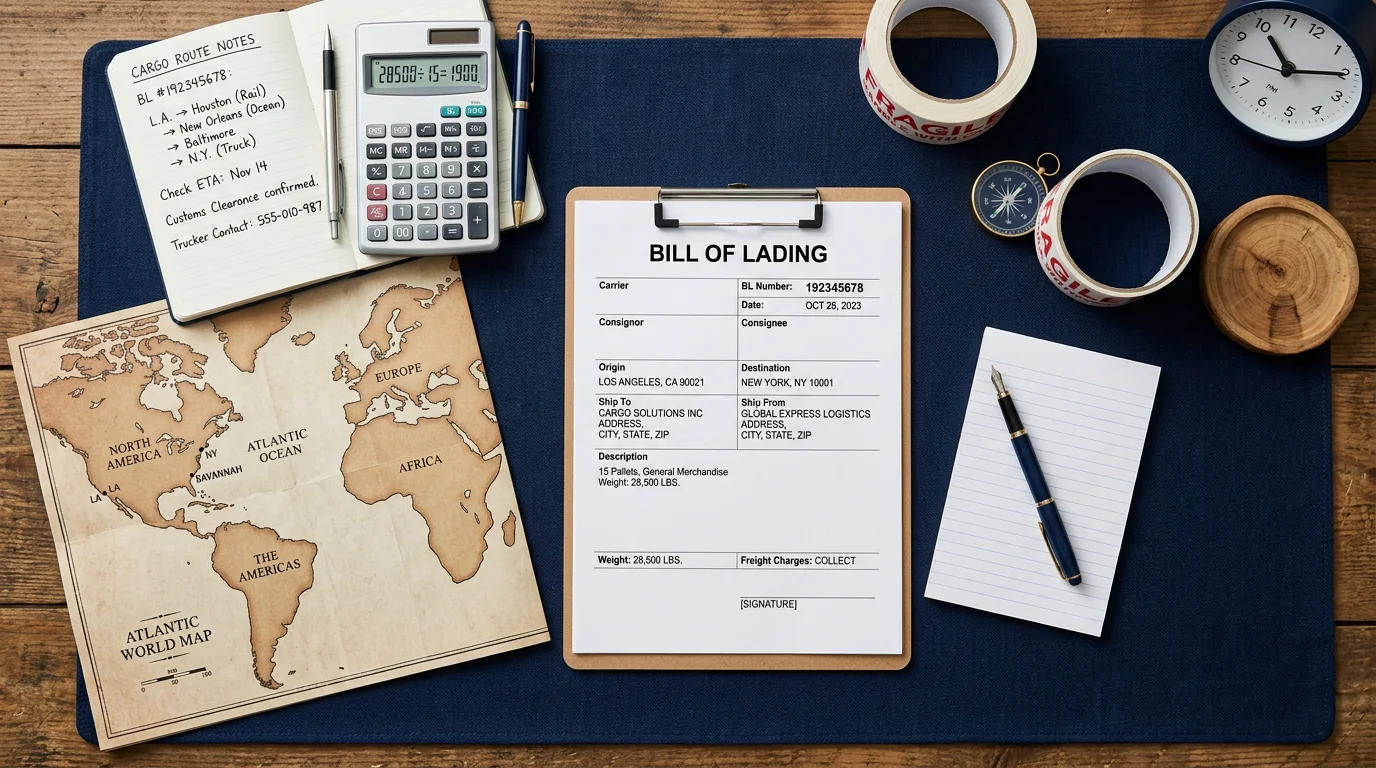
Every FOB decision touches your landed cost. When you accept FOB origin, you gain control over the main carriage, which means you can shop routes, negotiate ocean rates, and often reduce total spend. You also absorb the risk during transit, so adequate cargo insurance becomes essential.
When you accept FOB destination, you trade control for simplicity. The seller carries the risk until delivery, but that convenience is usually priced into the product cost. For growing US businesses, knowing when you take ownership lets you plan insurance, forecast cash flow, and file claims correctly.
The party that controls the freight controls the cost. FOB decides which party that is.
Clarity on these terms also protects your customs position. Import duties and taxes attach at specific moments in the journey, and misreading the FOB point can trigger unexpected charges or delays at the border.
Making FOB Work for Your Imports
Mastering FOB freight terms turns a confusing acronym into a lever you can pull. Confirm whether your contract follows Incoterms 2020 or North American usage, name the exact port, and decide deliberately between origin and destination based on the risk you are willing to carry. When your cargo moves in sealed containers, question whether FOB or FCA serves you better. Treat every FOB clause as a cost and liability decision, document it precisely, and pair it with the right insurance. Done well, this discipline keeps your margins intact and your shipments predictable.
Take action with QG Horizon
Understanding FOB is the first step; executing a smooth shipment from the factory to your Amazon warehouse is the next. If you sell on Amazon FBA and ship from China, the handover point you negotiate directly shapes what happens after the goods leave the port, and that is where reliable execution matters most.
We are a freight forwarder specialized in Amazon FBA shipping from China, managing pickup at your supplier, DDP customs clearance with duties and taxes included, and delivery to the Amazon warehouse. You receive three route options with estimated rates and transit times within 24 hours, plus real-time tracking through WhatsApp. To ship confidently under clear our DDP FBA shipping service, reach out for a free quote today.
Frequently Asked Questions
What does FOB stand for in shipping?
FOB stands for “Free on Board,” a term published by the International Chamber of Commerce. It defines the point at which cost and risk for goods move from the seller to the buyer. It should not be written as “Freight on Board,” which is not a recognized industry term.
Who pays for shipping under FOB terms?
It depends on the specific arrangement. Under FOB origin freight collect, you as the buyer pay the freight, while under FOB destination freight prepaid the seller pays. The location term and the payment term together decide who covers each cost.
When does risk transfer under FOB?
In international ocean shipping under Incoterms 2020, risk transfers when the goods are loaded on board the vessel at the port of shipment. From that moment, the buyer bears responsibility for loss or damage. Adequate cargo insurance is strongly advised from this point.
Is FOB the same as FCA?
No, although the two terms are similar. FOB applies only to sea and inland waterway transport where goods are loaded onto a vessel, while FCA suits containerized cargo handed over at a terminal. For sealed containers, FCA often protects the buyer more effectively.
How does FOB affect my Amazon FBA imports?
Your FOB point determines when you assume risk and cost for goods traveling from China. Once you own the cargo at the port, you must arrange onward freight, customs, and delivery. Our DDP FBA shipping service handles those steps end to end so duties and taxes are known in advance.
Ready to Optimize Your Amazon Shipping?
Get 3 route options tailored to your products and timeline
Get Your Quote→