FOB Incoterm Explained: A 2026 Guide for US Importers
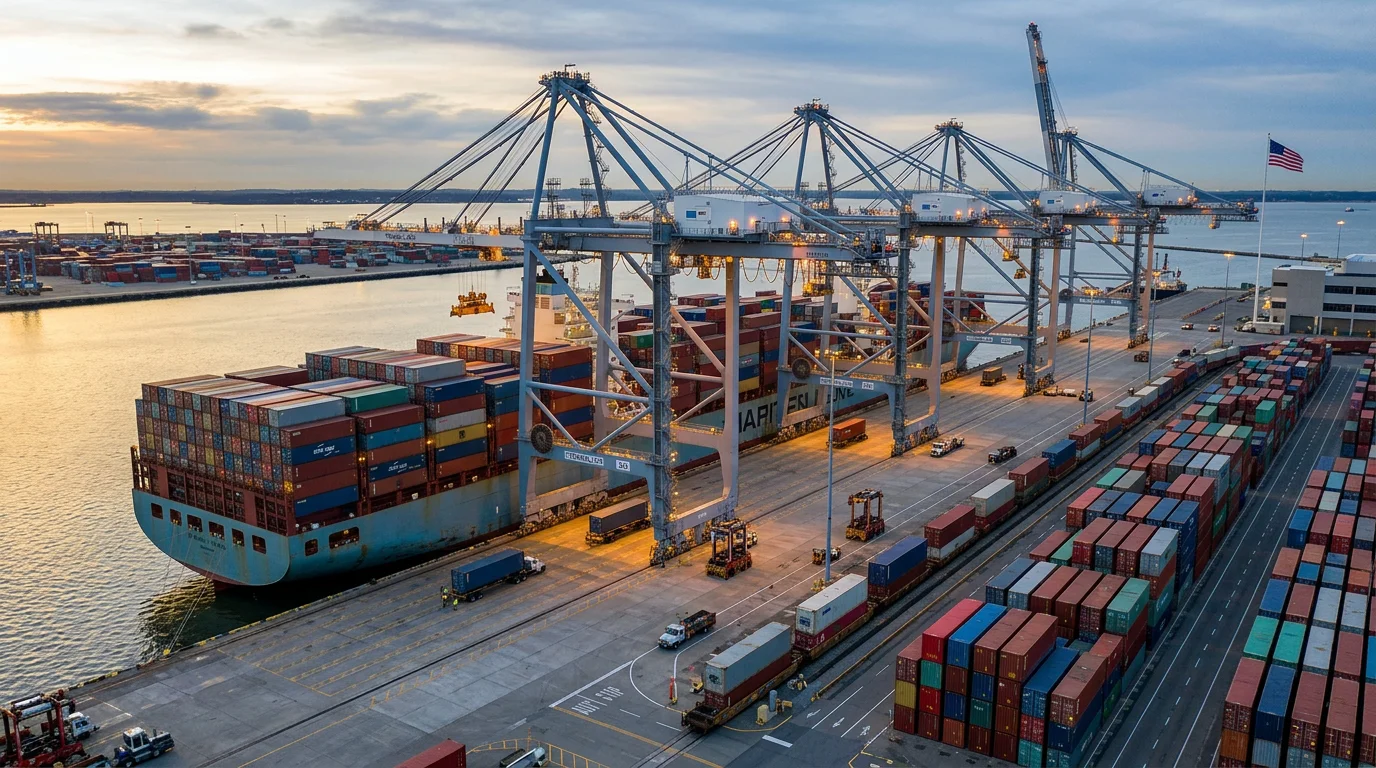
Summary: Under FOB, the seller loads goods onto the vessel at the origin port; risk and cost then pass to the buyer. It applies only to sea and inland waterway freight.
More than four-fifths of everything the world trades travels across the ocean, and each of those shipments needs a rule that states exactly where the seller’s job ends and the buyer’s begins. For companies sourcing from Asia, that rule is frequently Free on Board. To ground the practical side, our overview of the FOB Incoterms 2026 key updates maps the changes importers face this year.
Choosing the wrong term can add thousands of dollars in unexpected charges and expose you to customs risk. The stakes are considerable, because maritime transport moves over 80% of goods traded worldwide by volume, according to UN Trade and Development. Understanding how responsibility shifts is therefore essential for any US business importing by sea.
What the FOB Incoterm actually means
In practice, the fob incoterm defines the precise moment when responsibility for goods transfers from the seller to the buyer during sea transport. The seller delivers the goods, cleared for export, and loaded on board the vessel nominated by the buyer at the named port of shipment. From that point, the buyer bears all costs and risks.
FOB is one of the eleven Incoterms rules published by the International Chamber of Commerce. The current edition remains Incoterms 2020, and it stays fully valid in 2026. The ICC revises these rules roughly every ten years, so the next update is not expected before 2030.
The term is deliberately restricted to sea and inland waterway freight. A contract should always name the exact port, written as “FOB [Named Port of Shipment]”. For example, “FOB Shanghai” means the seller loads the goods onto a vessel at Shanghai, after which the buyer takes over. It is worth noting that the phrase “FOB China” alone is not a valid instruction, because no specific loading port is stated.
Who pays for what under FOB
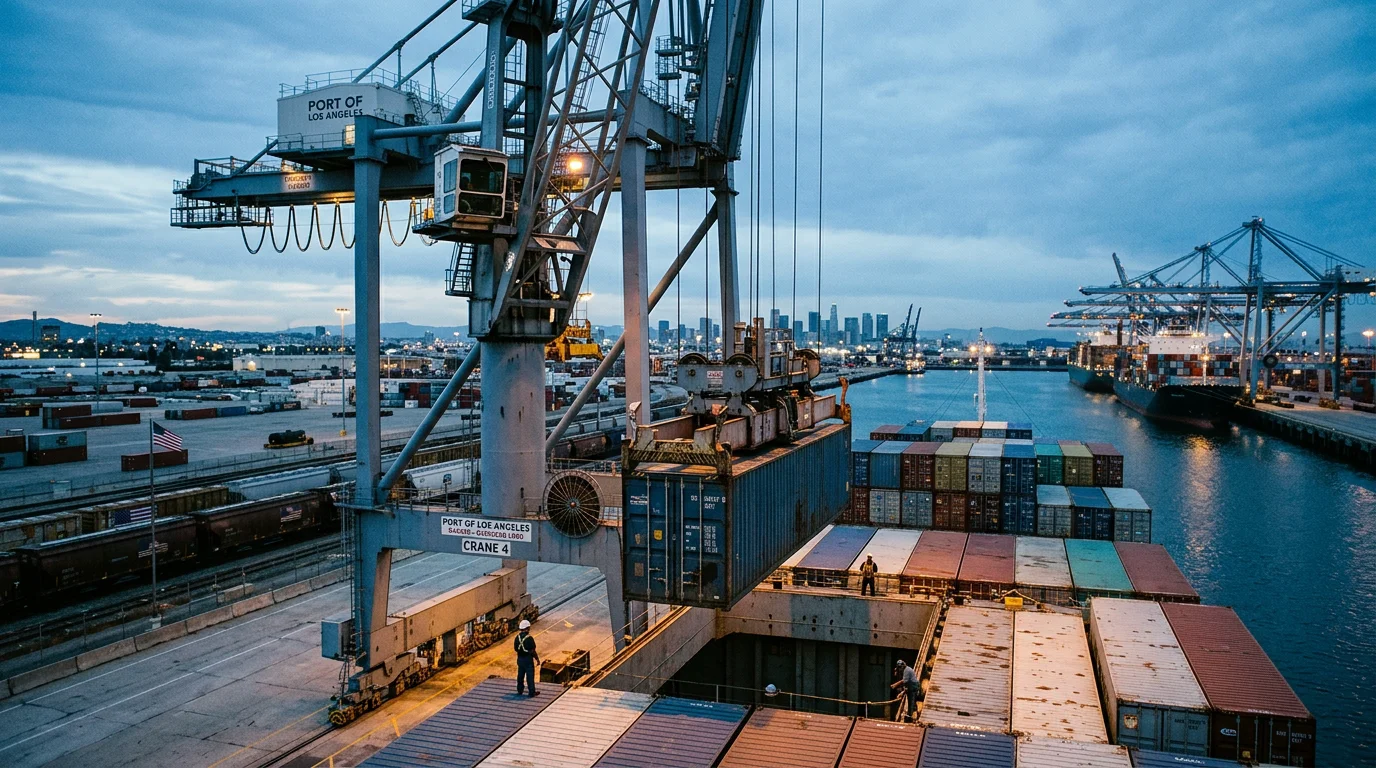
The strength of FOB lies in its clear division of duties. The seller carries the goods to the port, clears them for export, and loads them onto the ship. The buyer arranges and pays for the ocean freight, insurance, import clearance, duties, and final inland delivery.
| Responsibility | Seller | Buyer |
|---|---|---|
| Export packaging and documentation | Yes | No |
| Inland transport to the port of shipment | Yes | No |
| Export customs formalities | Yes | No |
| Loading onto the vessel | Yes | No |
| Main ocean carriage | No | Yes |
| Cargo insurance | No | Yes |
| Import duties and clearance | No | Yes |
| Delivery to final warehouse | No | Yes |
The exact transfer of risk deserves attention. Under Incoterms 2020, the seller must place the goods on board the vessel nominated by the buyer, and from that point risk passes to the buyer. According to Trade Finance Global, “on board” is no longer defined by the goods crossing the ship’s rail; the contract now specifies what loading means for the cargo in question.
FOB shipping point versus FOB destination in the US
American buyers often meet a source of confusion. US domestic commerce uses two variants, FOB Shipping Point and FOB Destination, that are not part of the Incoterms rules but appear widely in domestic purchase agreements.
The core difference is where title and risk change hands. FOB Shipping Point (also called FOB Origin) transfers risk and ownership to the buyer as soon as the shipment leaves the seller’s location. FOB Destination keeps risk with the seller until the goods reach the buyer. These accounting distinctions matter for domestic contracts, but they should never be mixed with the international sea-freight rule. For a deeper walk-through, see our breakdown of FOB shipping point vs FOB destination.
FOB, CIF, and DDP: choosing the right term
The most consequential choice when negotiating with an overseas supplier is usually FOB against its alternatives. Under CIF (Cost, Insurance and Freight), the seller pays the ocean freight and arranges minimum insurance, yet risk still transfers at the origin port. Under DDP (Delivered Duty Paid), the seller handles everything, including US import duties.
| Feature | FOB | CIF | DDP | Our DDP FBA service |
|---|---|---|---|---|
| Who pays main freight | Buyer | Seller | Seller | Included |
| Freight cost visibility | High | Low | Low | All-in price known upfront |
| Import duties handled by | Buyer | Buyer | Seller | Included (duties and taxes) |
| Delivery point | Origin port | Destination port | Buyer address | Amazon warehouse |
| Real-time tracking | Buyer arranges | Buyer arranges | Varies | WhatsApp, 7 days a week |
FOB gives you control over carrier choice and clear freight pricing, while CIF often hides a marked-up freight charge. DDP looks simple but can bundle duty and freight costs you cannot audit. For sellers who want a single, transparent price to the Amazon warehouse, we manage collection, customs, and delivery in DDP so there are no surprises. Our comparison of FOB vs CIF vs DDP details each scenario.
When FOB is the wrong choice
A common and costly mistake is applying FOB to containerized cargo. Under FOB, risk officially transfers only when goods are loaded on board. Yet with containers, the shipper usually hands cargo to the carrier at a terminal, where it may wait for days before loading, leaving a dangerous gap in responsibility.
For containerized or multimodal freight, FCA (Free Carrier), CPT, or CIP are the correct alternatives. FOB remains best suited to bulk or non-containerized goods where the seller has direct access to the vessel. If a supplier quotes FOB for an air or express shipment, request a switch to FCA to reflect the true handover point.
Why FOB matters for US importers in 2026
Trade conditions are shifting quickly, which makes term selection more important than ever. US goods imports from China totaled 308.4 billion dollars in 2025, down 29.7 percent from 2024, according to the Office of the US Trade Representative. Tariff volatility now feeds directly into how importers structure their contracts.
Volumes still concentrate on this corridor. In August 2025, China’s share of total US container imports stood near 34.5 percent, per Descartes. With freight rates swinging and Red Sea rerouting adding transit time, controlling your own carriage under FOB can protect both budget and schedule when applied correctly.
How to secure better FOB terms
Negotiating strong FOB terms starts with precision. Always specify the exact port and the Incoterms version in writing, request itemized quotes that separate inland charges from port handling, and confirm your supplier can genuinely load at the named port. These steps prevent most ambiguity-related disputes.
Coordinating carriage, customs, and delivery is where many importers lose time. We collect goods at the factory, manage the formalities, and deliver to the Amazon warehouse under DDP, with live updates by WhatsApp and three route options quoted within 24 hours. For sharper leverage before you sign, review our tips to negotiate better FOB terms with your supplier.
Conclusion
The FOB Incoterm remains a balanced, transparent choice for sea freight, transferring risk the instant goods are loaded on board and giving buyers full control of carriage. The essential caution stays the same in 2026: reserve FOB for bulk or non-containerized cargo, name the exact port, and switch to FCA for containers. Given that over 80 percent of world trade still moves by sea, getting this rule right protects your margin and your delivery dates. Our team turns that clarity into a single, all-in price to the warehouse, with duties, taxes, and real-time tracking included. To move forward with confidence, explore our guide to negotiate better FOB terms with your supplier and plan your next shipment.
Frequently Asked Questions
Is FOB the same as Freight on Board?
Yes, the two phrases refer to the same rule. The official Incoterms name is “Free on Board”, and you should use that wording on contracts to avoid ambiguity.
Can I use FOB for container shipments?
It is not recommended. Because containers sit at a terminal before loading, FOB leaves a risk gap. FCA is the correct term for containerized or multimodal cargo.
Who arranges insurance under FOB?
The buyer does. Once goods are on board, risk sits with the buyer, so cargo insurance should be secured separately. Our DDP service can bundle the full journey to the Amazon warehouse instead.
Ready to Optimize Your Amazon Shipping?
Get 3 route options tailored to your products and timeline
Get Your Quote→