FOB Meaning in Business: Free On Board Terms Explained
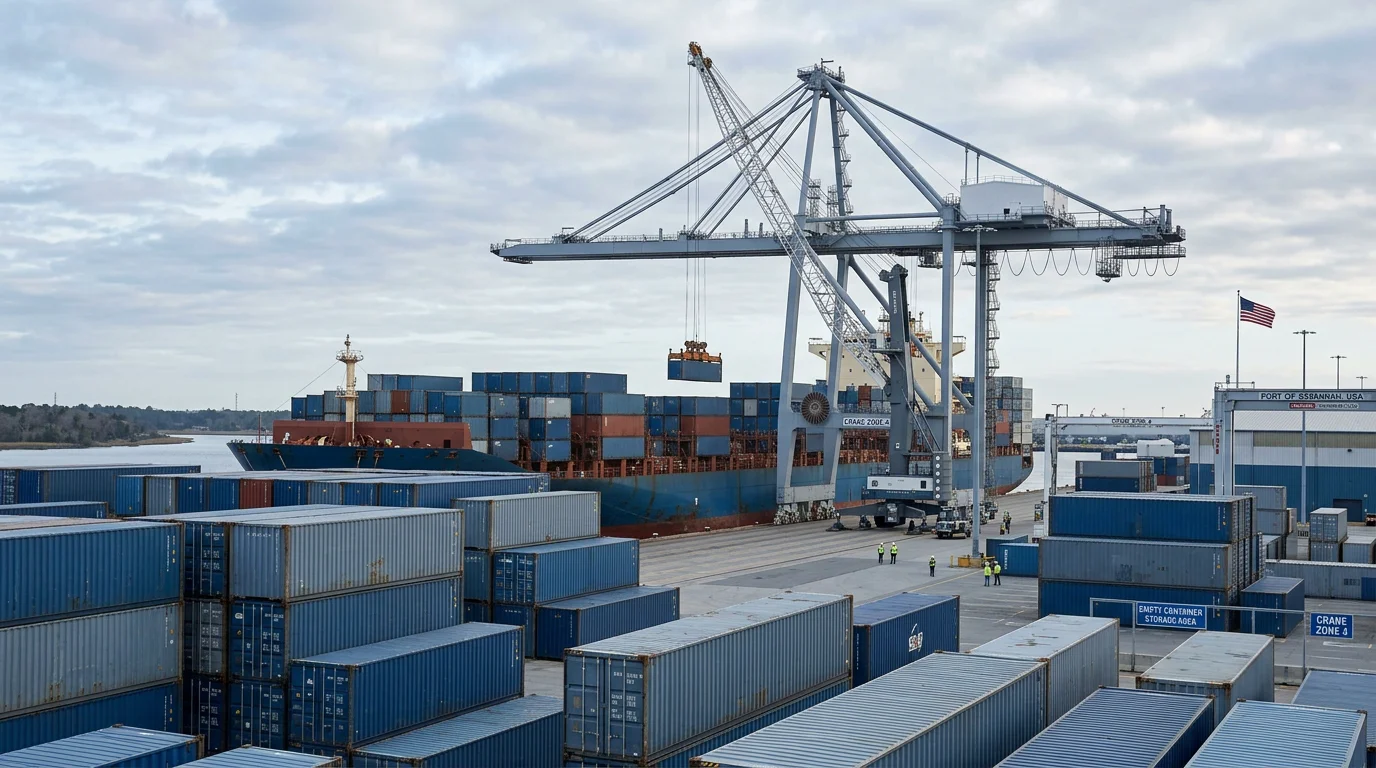
Summary: FOB stands for Free On Board, a shipping term that fixes the exact moment when risk, cost, and responsibility pass from the seller to the buyer. In international sea freight it transfers when goods are loaded on board the vessel. Knowing which party owns the cargo at each stage protects your margins and clarifies who files claims.
More than 80 percent of the world’s traded goods travel across oceans, yet a single three-letter term still causes disputes in purchasing departments. That term is FOB. Whether you import one pallet or tens of thousands of units, understanding what Free On Board means for your business directly affects your costs and your liability. For a practical starting point, our guide to what FOB means in shipping sets out the essentials.
The stakes are considerable. According to UN Trade and Development, maritime trade volumes reached 12,720 million tons in 2024, and over 80 percent of goods by volume move by sea. When that much value depends on shipping contracts, a misunderstood term is not a technicality. It decides who absorbs a loss when a container is damaged mid-voyage.
What Free On Board really means for your business
Business owners who type “fob meaning business” into a search bar are usually asking one practical question: who is responsible for my goods, and when? FOB answers exactly that. Free On Board is a designation that identifies the precise point at which liability and cost shift from the seller to the buyer.
The term is used with a named location. In international shipping, “FOB [port of loading]” means the seller pays to bring the goods to the port and load them onto the vessel. Once the cargo is on board, the buyer assumes the freight, insurance, and onward transport. That single boundary shapes every negotiation that follows.
A frequent point of confusion is the phrase “Freight On Board.” It is not an official term. Relying on it in a contract invites ambiguity, so the recognised meaning of Free On Board should always be used instead.
How FOB shifts risk, cost, and ownership
Picture a container of electronics leaving Shenzhen. A storm damages the cargo halfway across the Pacific. Who pays? Under FOB terms, the answer depends on one thing: had the goods already crossed onto the vessel? If yes, the buyer carries that risk transfer and files the marine insurance claim.
Under the International Chamber of Commerce and its Incoterms 2020 rules, FOB is reserved for sea and inland waterway transport, and risk passes when goods are loaded on board at the named port of shipment. Importantly, Incoterms govern delivery, cost, and risk, not ownership. The transfer of legal title is set separately by your contract of sale.
Separating these three elements protects you. Cost tells you what you pay. Risk tells you who bears a loss. Title tells you who legally owns the goods. Treating them as one is a common and expensive mistake.
FOB Origin versus FOB Destination in the US market
Within the US, FOB carries a domestic meaning that differs from the international standard. Here the term is written into sales agreements to fix where responsibility passes, and two variants dominate: FOB Origin and FOB Destination.
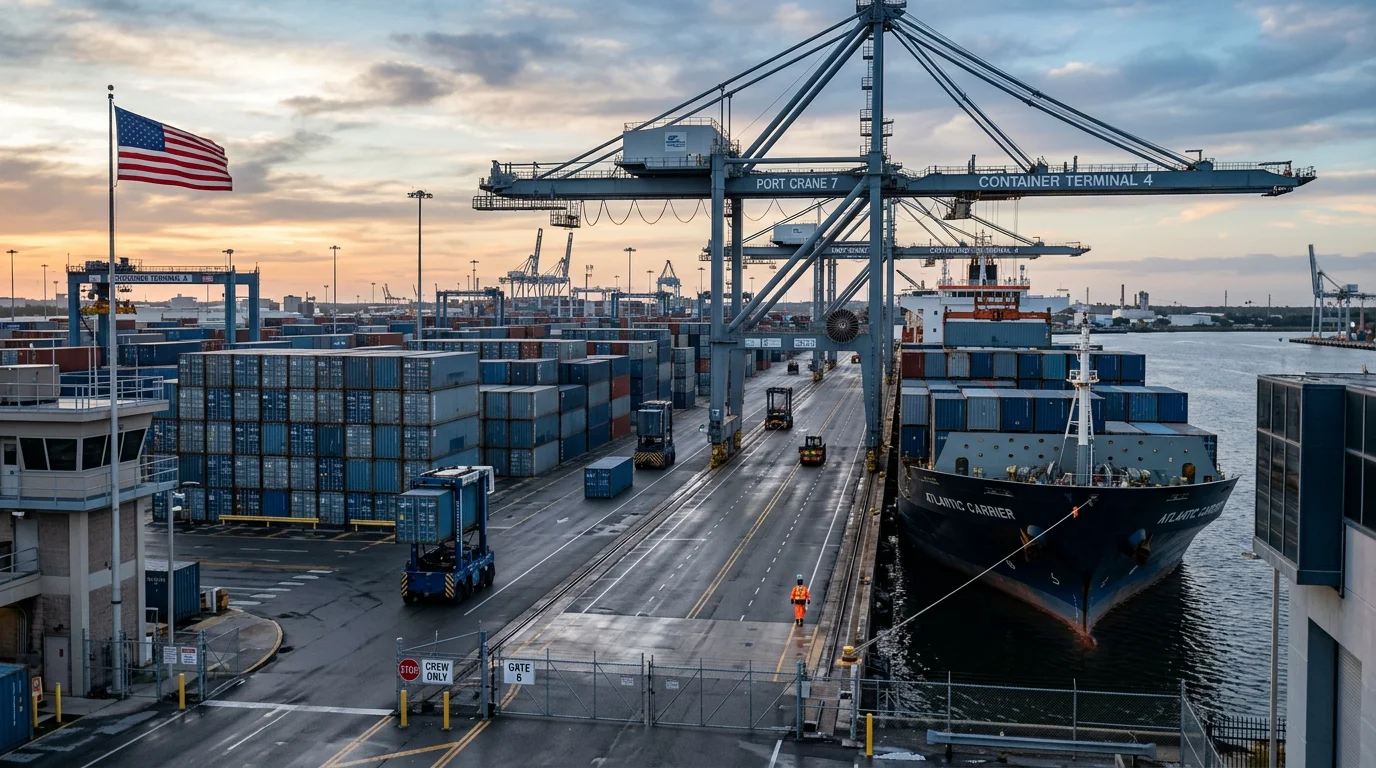
With FOB Origin, sometimes called FOB shipping point, responsibility passes to the buyer the moment the carrier collects the goods. With FOB Destination, the seller remains responsible until the goods arrive at the buyer’s location. The Uniform Commercial Code codifies this in section 2-319, requiring the seller to bear the expense and risk of placing goods with the carrier at the shipment point, and nothing beyond.
| Criterion | FOB Origin | FOB Destination |
| Responsibility transfers | At carrier pickup | On delivery to buyer |
| Transit risk | Buyer | Seller |
| Files freight claims | Buyer | Seller |
| Arranges shipment protection | Buyer | Seller |
In both cases the physical shipment is identical. Only the allocation of responsibility changes. That is why every purchase order, quote, and bill of lading should state the FOB terms explicitly.
FOB or FCA? Why the term matters for containers
Here is a nuance that trips up many importers. Although FOB remains the most familiar sea-freight term, it was designed for non-containerised cargo passing over the ship’s rail. For sealed containers, the ICC recommends FCA (Free Carrier), where risk transfers earlier, when goods are handed to the carrier rather than loaded on board.
The distinction is not academic. With a sealed container, it is nearly impossible to prove when damage occurred, so choosing the wrong term can leave a gap in your coverage. If you are weighing your options, our breakdown of FCA versus FOB freight terms explains why the choice matters for your risk profile.
One legal point reinforces the care required. As one legal analysis notes, the domestic UCC version of FOB can apply to truck, rail, air, or sea, while the international Incoterms version is limited to waterborne transport. Always specify which framework governs your contract.
Freight collect, freight prepaid, and your invoice
FOB terms determine ownership and risk. Payment terms determine who pays the carrier. They often align, but they are not the same, and confusing them creates billing disputes.
- Freight prepaid: the seller pays the carrier directly. This frequently accompanies FOB Destination.
- Freight collect: the buyer pays the transportation charges. This is often paired with FOB Origin.
- Prepaid and add: the seller pays the carrier, then adds the charge to the buyer’s invoice.
Consider a real risk. A distributor once received goods under FOB Origin, freight prepaid. Even though the vendor paid the freight, the distributor owned the cargo in transit. Refusing a damaged shipment meant returning something it already owned. Reviewing both the FOB terms and the payment terms on each order prevents that trap.
Choosing FOB terms that protect your FBA margins
For sellers importing into Amazon fulfilment centres, the FOB choice is a margin decision. Buying FOB from a Chinese supplier gives you control over the ocean leg, the forwarder, and the insurance, but it also transfers the transit risk onto your business the moment the cargo is loaded.
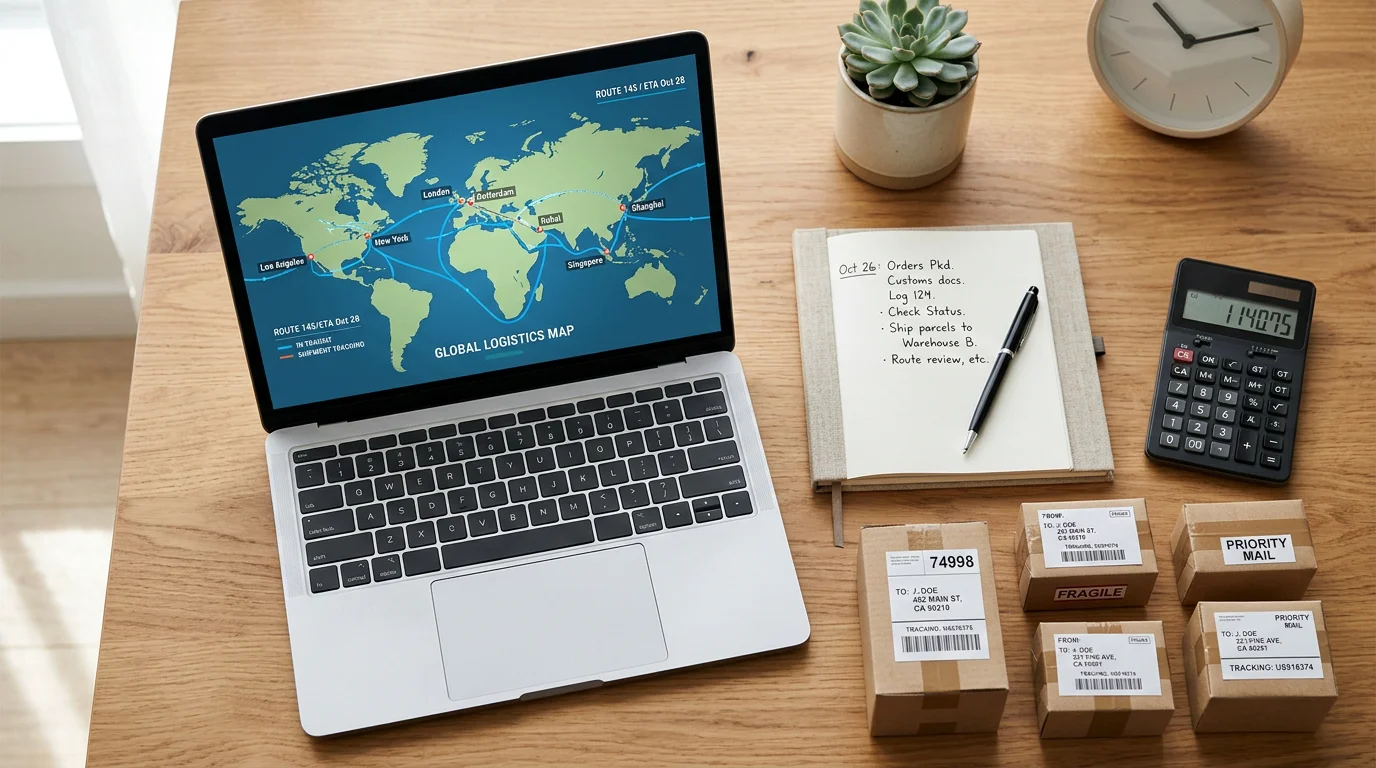
That transfer point shapes your exposure to customs duties, delays, and damage claims. To understand how the term reshapes your liability, see our analysis of FOB origin and business risk, and compare the two options directly in our review of FOB shipping point versus FOB destination. The right term depends on how much of the journey you want to control and how confident you are managing freight, insurance, and clearance yourself.
Turning FOB knowledge into cleaner shipments
Understanding the meaning of Free On Board for your business is less about memorising a definition and more about controlling three separate levers: cost, risk, and title. State the FOB point explicitly, confirm whether the domestic UCC or international Incoterms framework applies, and check the payment terms alongside it. Do that on every purchase order, and you convert a term that causes disputes into a tool that protects your margins and clarifies accountability from factory floor to final warehouse.
Take action with QG Horizon
Once you know how FOB shifts risk to your side of the transaction, the practical challenge becomes managing that risk on real shipments from China to your Amazon warehouses. That is precisely where we remove the guesswork, so a shipping term never turns into an unexpected cost.
We handle collection at your supplier, freight, and DDP customs clearance with duties and taxes included, delivering straight to the Amazon fulfilment centre. You receive three route options with prices and estimated transit times within 24 hours, plus real-time tracking and support over WhatsApp seven days a week. Explore our DDP Amazon FBA shipping service and ship with clarity from factory to warehouse.
Frequently Asked Questions
What does FOB stand for in business?
FOB stands for Free On Board. It is a shipping term that identifies the point at which cost and risk pass from the seller to the buyer. It should not be read as “Freight On Board,” which is not a recognised term.
Does FOB determine who owns the goods?
No. Under Incoterms, FOB governs delivery, cost, and risk, but not the legal transfer of ownership. Title passes according to your separate contract of sale, so both should be defined clearly.
What is the difference between FOB Origin and FOB Destination?
With FOB Origin, responsibility transfers to the buyer at pickup, so the buyer bears transit risk. With FOB Destination, the seller remains responsible until the goods reach the buyer’s location.
Should I use FOB or FCA for container shipments?
For sealed containers, the ICC recommends FCA because risk transfers when goods are handed to the carrier rather than loaded on board. FOB was designed for non-containerised cargo, so FCA often reflects reality more accurately.
How does FOB affect Amazon FBA imports from China?
Buying FOB gives you control over the ocean leg but transfers transit risk to you at the port of loading. We can manage that stage end to end with DDP clearance and delivery to the Amazon warehouse, so duties and timelines are known in advance.
Ready to Optimize Your Amazon Shipping?
Get 3 route options tailored to your products and timeline
Get Your Quote→