FOB Meaning in Shipping: Free on Board Terms Explained
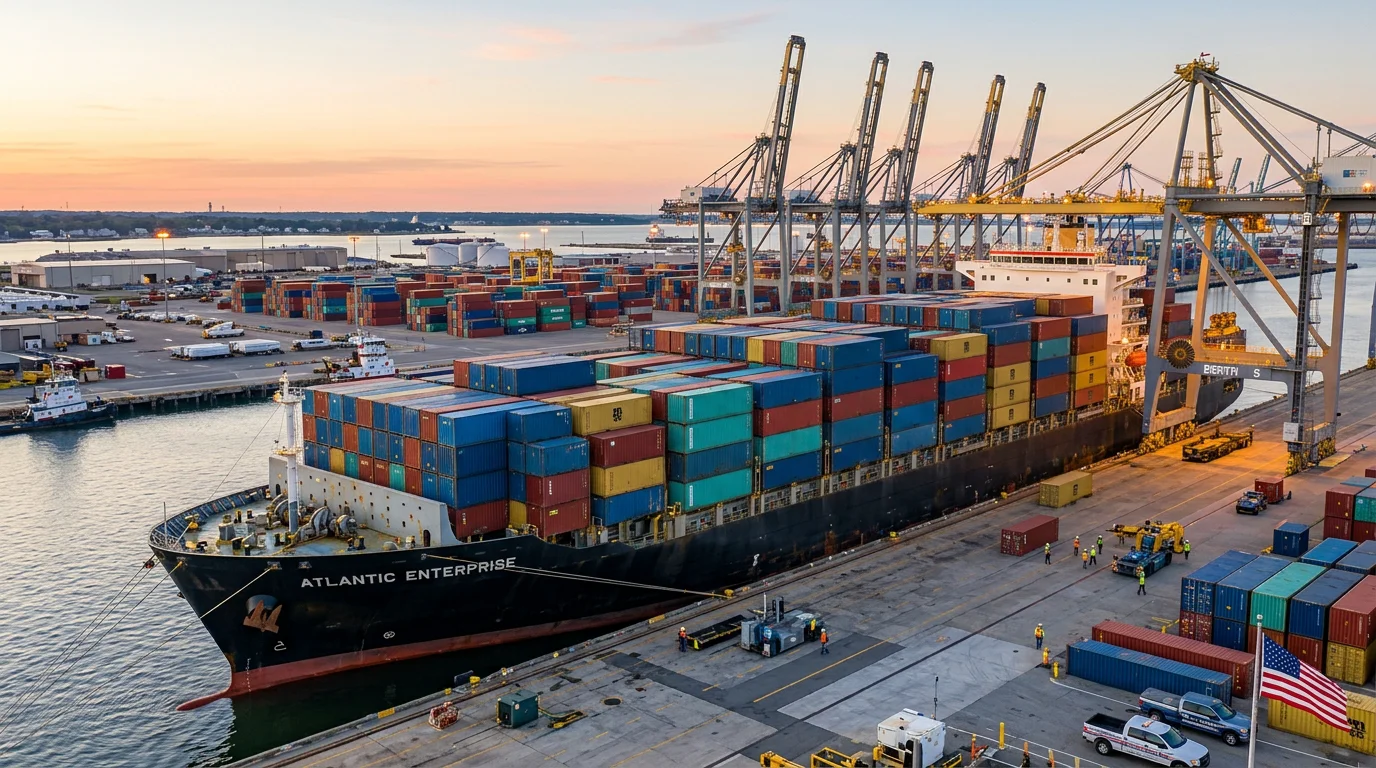
Summary: FOB (Free on Board) marks the point where cost and risk shift from seller to buyer once goods are loaded on the vessel. It is one of 11 official Incoterms.
Three letters at the end of a supplier quote can decide who pays thousands of dollars if a container is damaged at sea. For importers, few abbreviations carry as much weight as FOB. If you have ever wondered what the term actually commits you to, our explainer on what FOB means is a useful companion to this article. Understanding the meaning of FOB in shipping is the difference between a predictable landed cost and an unwelcome surprise.
Searches for the fob meaning shipping question keep rising as more small businesses import directly from overseas factories. FOB stands for Free on Board, and it is a delivery rule that defines exactly when the seller’s responsibility ends and yours begins. According to the US Commerce Department, FOB is one of four Incoterms reserved specifically for sea or inland waterway transport.
What Free on Board actually means
FOB stands for Free on Board, a term published by the International Chamber of Commerce as part of the Incoterms standard. It specifies the moment when obligations, costs, and risk for the delivery of goods pass from the seller to the buyer. The rule is always paired with a named port of loading, for example “FOB Shenzhen.”
Under this term, the seller delivers the goods, cleared for export, onto the vessel nominated by the buyer. From that point, the buyer assumes everything that follows. In practice, the transfer of risk happens when the cargo is loaded on board. If you would like the full step-by-step picture, our full FOB shipping overview walks through each stage from factory to port.
Who pays for what under FOB
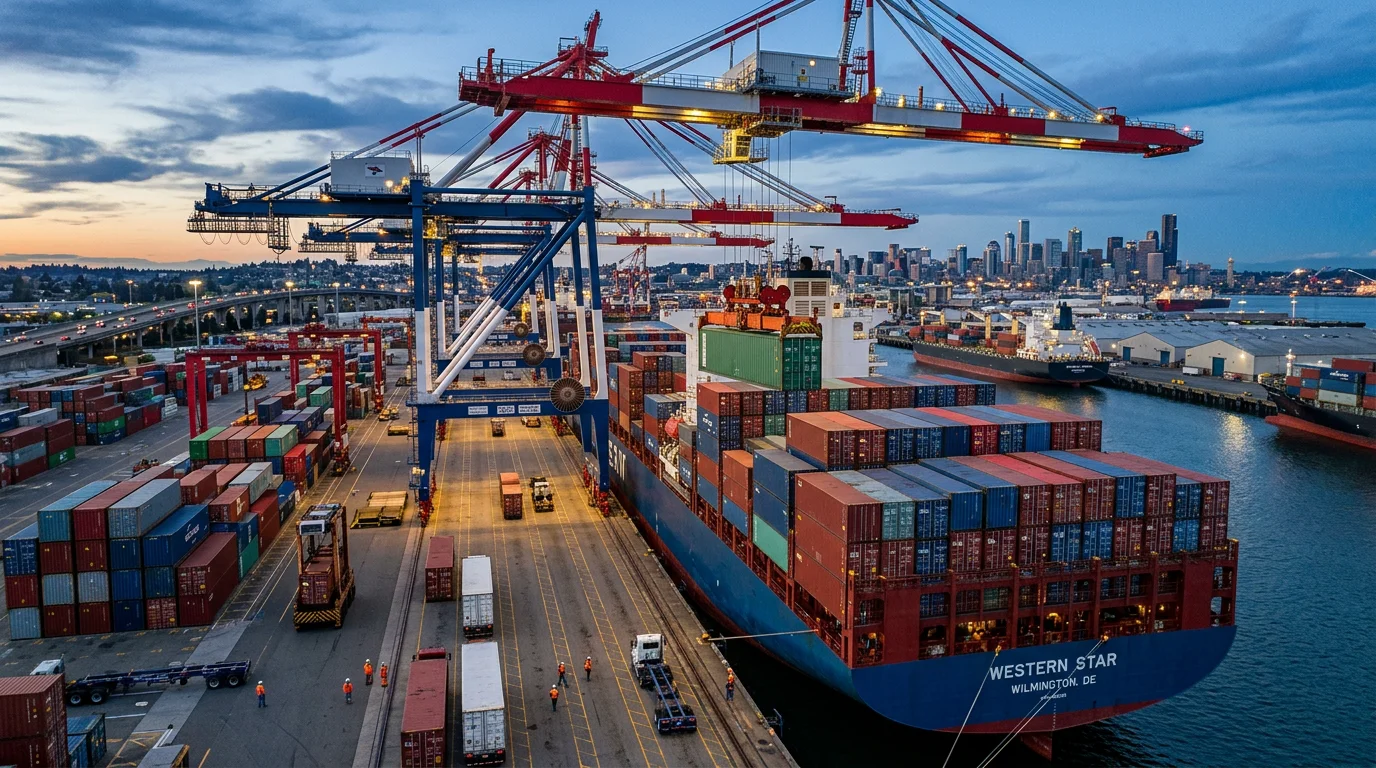
The clean split of duties is what makes FOB popular with importers. The seller covers the early legs of the journey, and the buyer takes over once the goods are aboard.
According to the ICC Academy, the seller must complete all export formalities and deliver the goods loaded on the vessel at the port of shipment. The buyer must contract the carrier, pay the port-to-port transport costs, and handle import formalities. Concretely, the responsibilities break down like this:
- Seller pays: inland transport to the port, export customs clearance, origin port charges, and loading onto the vessel.
- Buyer pays: ocean freight, marine insurance (optional but advised), destination port charges, import duties, and final delivery.
One nuance matters here. Under the current rules, the buyer must inform the seller in time of the vessel’s name and the loading point. If the buyer fails to do so and the goods cannot be loaded, the risk can transfer earlier. For a closer look at this handoff, see our breakdown of FOB shipment meaning.
FOB shipping point versus FOB destination
Here is where confusion often begins. In North American domestic trade, FOB is written into sales agreements with two variants that do not exist in the international Incoterms version. The distinction decides where liability changes hands.
“FOB shipping point” (also called FOB origin) means the sale is complete at the seller’s dock, so the buyer carries freight cost and liability during transit. “FOB destination” means the seller keeps responsibility until the goods reach the buyer’s location. Each is then paired with “freight prepaid” or “freight collect” to indicate who actually pays the carrier.
| Term / option | Risk transfers | Who pays freight | Best suited for |
|---|---|---|---|
| FOB shipping point | At origin / on loading | Buyer (collect) | Experienced importers wanting control |
| FOB destination | At buyer’s location | Seller (prepaid) | One-off or low-volume buyers |
| QG Horizon DDP service | Managed end to end | All-inclusive, duties and taxes included | Amazon FBA sellers wanting one fixed price |
If you sell on Amazon and want to protect your margins, the choice between these terms is not academic. We handle the entire chain from a Chinese factory to the Amazon warehouse, so you avoid the gray areas that FOB alone leaves open.
Why FOB is not always the right choice
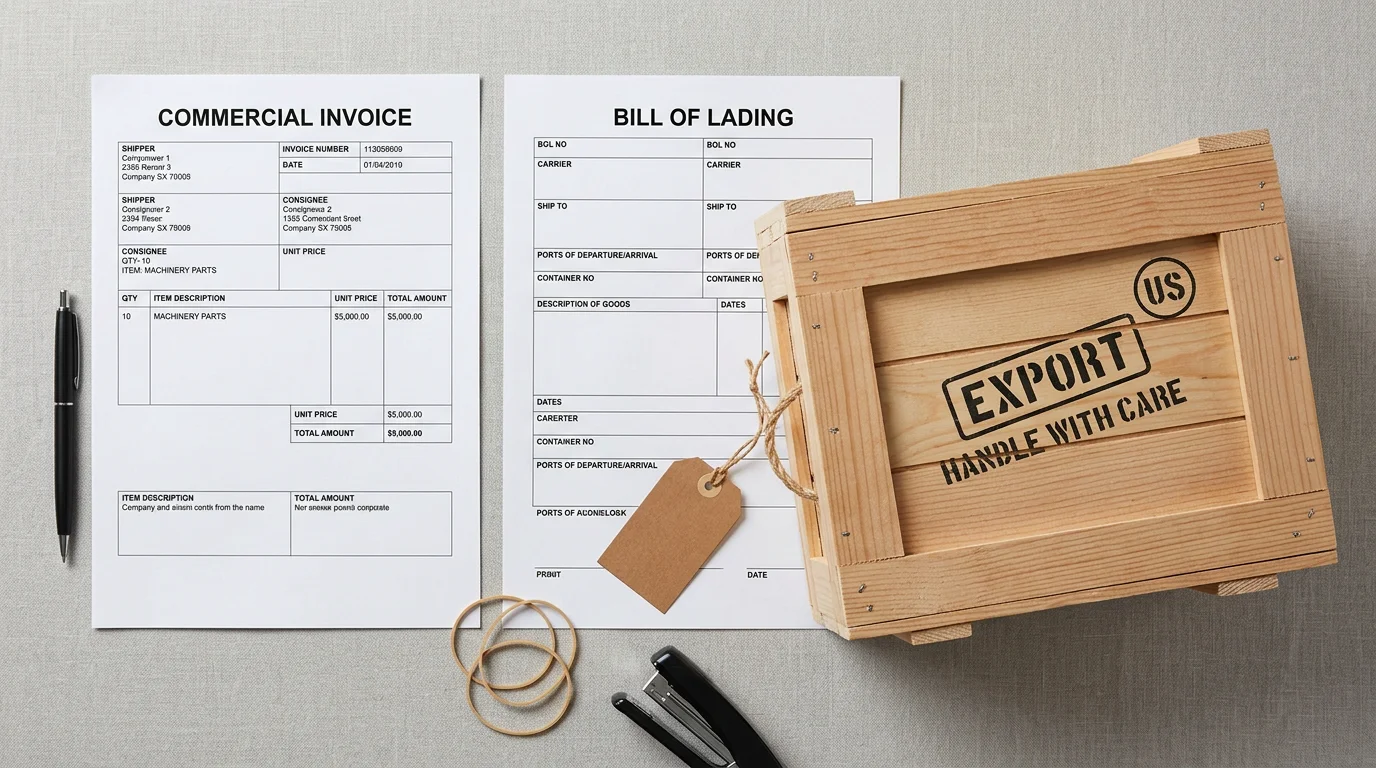
FOB was designed in the era of sailing ships, when goods were passed over the ship’s rail by hand. That history still shapes the rule today, and it creates a modern blind spot.
Because FOB transfers risk only when goods are physically loaded on the vessel, containers that sit at a terminal for days before loading fall into an ambiguous zone. The ICC therefore recommends FCA (Free Carrier) for containerized cargo, where risk passes at the point of handover. FOB remains best suited to bulk, non-containerized goods such as grain, steel, or vehicles.
There is also a measurement dimension that matters for trade at scale. A 2024 OECD working paper notes that the FOB-type value of trade captures the goods plus transport to the exporting border, while CIF adds international transport and insurance. The gap between the two, the CIF/FOB margin, widened significantly after 2020 as freight costs surged, which is exactly the volatility importers feel in their landed costs.
A common mistake: “Freight on Board”
You will often see FOB expanded as “Freight on Board.” This is not correct. The term “Freight on Board” appears in no version of the Incoterms and is not defined by the US Uniform Commercial Code. US courts have even found it is not a recognized industry term. To avoid contract disputes, always write “Free on Board” and specify the Incoterms edition, for example “FOB Shanghai (Incoterms 2020).”
Conclusion
At its core, the meaning of FOB in shipping is a single decisive moment: risk and cost pass to you once your goods are loaded on the vessel. That clarity gives buyers control and usually a lower price, but it also leaves the longest and most expensive leg of the journey, plus customs and final delivery, squarely on your shoulders. With CIF/FOB margins still elevated since 2020, managing that stretch well protects your profit. Our specialised Amazon FBA service removes the guesswork by carrying your cargo from the Chinese factory all the way to the warehouse under one fixed, duties-included price. To plan your next import with confidence, explore our guide to FOB shipping point versus destination.
Frequently Asked Questions
Does FOB include insurance?
No. Under FOB, neither party is obligated to arrange insurance. Once goods are loaded, the buyer carries the risk, so purchasing marine cargo insurance for the main voyage is strongly advised.
Is FOB suitable for container shipping?
Not ideally. Because containers sit at terminals before loading, the ICC recommends FCA for containerized cargo. FOB remains best for bulk, non-containerized goods loaded directly onto a vessel.
Who arranges the main shipping under FOB?
The buyer nominates the vessel and contracts the carrier for the ocean leg. If you prefer a single point of contact, we manage pickup, freight, DDP customs clearance, and delivery to the Amazon warehouse for you.
Ready to Optimize Your Amazon Shipping?
Get 3 route options tailored to your products and timeline
Get Your Quote→