FOB Origin Definition: Impact on Your Amazon FBA Risk Profile


Understanding the implications of FOB Origin can spell the difference between success and financial loss for Amazon FBA sellers. This shipping term, which places liability on the buyer once goods leave the seller’s dock, introduces a level of risk that many sellers overlook. As costs and responsibilities shift, a clear grasp of FOB Origin becomes essential for navigating international logistics. This post will dissect the definition and importance of FOB Origin, elucidating its significance in shaping risk profiles for Amazon FBA operations. By mastering this concept, sellers can better manage their logistics and mitigate potential pitfalls.
FOB Origin Definition: Impact on Your Amazon FBA Risk Profile
- Definition of FOB Origin
- FOB Origin is a shipping term that indicates the seller’s responsibility for the goods ceases once they are loaded onto the shipping vessel or vehicle.
- From that moment, the buyer assumes all risk and costs associated with the shipment, including transportation, insurance, and customs duties.
- Importance in Shipping and Logistics
- This term is crucial for Amazon FBA sellers, as it directly affects their cost structure and liability.
- Since the buyer is responsible for the goods during transit, any damages or losses incurred after leaving the seller’s dock become the buyer’s financial burden.
- Understanding FOB Origin is essential for selecting appropriate shipping methods and carriers, as sellers need to ensure that their logistics partners can handle potential risks effectively.
- It influences risk management strategies in international shipping, highlighting the need for proper insurance coverage and carrier reliability to mitigate potential losses.
- Risk Profile Implications for Sellers
- Amazon FBA sellers utilizing FOB Origin must be aware of the increased risk profile associated with this shipping term.
- The potential for damage, theft, or loss during transit can lead to significant financial implications.
- Sellers should implement robust risk management practices, including thorough research on carriers, obtaining insurance, and maintaining accurate shipping documentation to safeguard against unforeseen issues.
| Risk Factor | Implication |
|---|---|
| Damage During Transit | Financial responsibility falls to the buyer, impacting profit margins. |
| Theft or Loss | Potential for significant financial loss; insurance is essential. |
| Carrier Reliability | Choosing a dependable carrier reduces risks associated with shipping. |
| Documentation Errors | Inaccurate paperwork can lead to customs delays and additional costs. |
FOB Origin and Amazon FBA
- Role in Amazon FBA Logistics
- FOB Origin facilitates direct delivery to Amazon fulfillment centers, allowing for efficient inventory replenishment.
- The cost structure is significantly impacted, as sellers must account for freight responsibilities from the point of loading, potentially increasing shipping expenses.
- It influences inventory management strategies, requiring sellers to carefully plan shipment schedules to avoid stockouts or excess inventory at Amazon warehouses.
- Risk Profile Implications for Sellers
- Under FOB Origin terms, buyers become liable for goods during transit, which increases their risk exposure significantly.
- Any loss or damage that occurs after the goods leave the seller’s premises becomes the buyer’s financial responsibility, necessitating robust insurance coverage.
- Potential delays in shipping can adversely affect delivery performance metrics, impacting seller ratings and customer satisfaction on Amazon.
- Understanding the responsibilities associated with FOB Origin is essential for managing risk effectively, as sellers must ensure they have adequate measures in place to protect their inventory during transit.
| Risk Factor | Implication |
|---|---|
| Freight Responsibility | Increased shipping costs and liabilities for the buyer. |
| Inventory Management | Need for precise shipment timing to avoid stock issues. |
| Potential Delays | Negative impact on performance metrics and seller reputation. |
| Insurance Necessity | Essential to mitigate financial losses from damages or theft. |
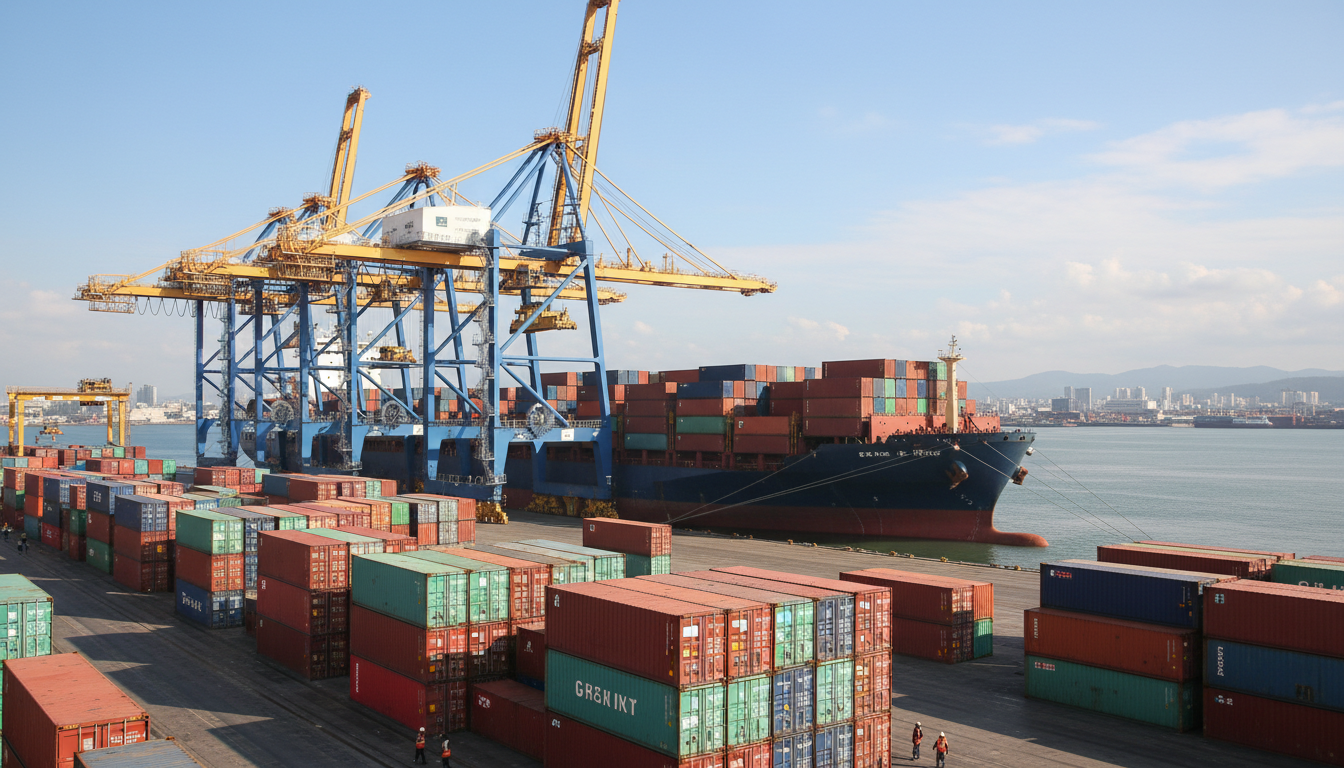
Risks Associated with FOB Origin
- Potential Losses and Damages
- When using FOB Origin, once goods leave the seller’s dock, any potential loss or damage during transit becomes the buyer’s responsibility.
- Statistics indicate that up to 30% of shipments experience damages while in transit, highlighting the vulnerability sellers face under FOB Origin terms.
- Common issues encountered by sellers include misrouted shipments, inadequate packaging leading to damages, and unforeseen delays that can result in lost inventory.
- Case Studies of FOB Origin Issues
- A seller who shipped 500 units of a high-value electronic product via FOB Origin encountered significant losses when a carrier mishandled the shipment, resulting in 100 damaged units. The seller was unable to recover costs due to a lack of insurance, emphasizing the financial risks involved.
- In another instance, a seller failed to provide accurate shipping documentation, resulting in customs delays and additional fees. This not only delayed the shipment but also incurred unexpected costs that significantly impacted the seller’s profit margins.
- A third case involved a seller who experienced a complete loss of a shipment due to theft during transit. The absence of adequate insurance coverage left the seller to absorb the entire loss, underscoring the crucial need for comprehensive insurance as part of risk management strategies.
| Risk Factor | Implication |
|---|---|
| Damage During Transit | Financial responsibility falls to the buyer, impacting profit margins. |
| Documentation Errors | Inaccurate paperwork can lead to customs delays and additional costs. |
| Theft or Loss | High potential for financial loss; insurance is essential. |
| Carrier Reliability | Choosing a dependable carrier reduces risks associated with shipping. |
Mitigating Risks in FOB Origin Shipping
- Insurance Options
- Shipping insurance is critical for Amazon FBA sellers using FOB Origin, as it protects against potential losses during transit.
- Types of insurance available include:
- All-Risk Coverage: Covers most incidents, including theft and damage.
- Named Perils Coverage: Covers specific risks outlined in the policy, which may exclude some common threats.
- Marine Cargo Insurance: Specifically designed for goods transported over water, providing tailored coverage for maritime risks.
- Choosing the right insurance policy involves assessing shipment value, understanding coverage limits, and considering the specific risks associated with the chosen shipping routes.
- Choosing Reliable Carriers
- Selecting dependable freight carriers is essential to minimize risks associated with FOB Origin. Key criteria include:
- Carrier Reputation: Researching reviews and testimonials to gauge reliability and service quality.
- Performance History: Analyzing metrics such as on-time delivery rates and claims history to evaluate carrier efficiency.
- Service Offerings: Confirming that the carrier has experience handling shipments similar to those being transported.
- Establishing strong communication with carriers can mitigate risks by ensuring clarity on shipping expectations, timelines, and any potential issues that may arise during transport.
- Best Practices for Amazon FBA Sellers
- Adhering to proper documentation is essential for ensuring smooth customs clearance and minimizing delays. Key documents include:
- Commercial Invoice: Details the transaction and value of the goods.
- Packing List: Provides a detailed account of items being shipped.
- Bill of Lading: Serves as the contract between the seller and carrier.
- Scheduling shipments strategically can help avoid delays and disruptions, particularly during peak shipping seasons.
- Continuous monitoring of shipments using tracking systems allows sellers to manage risks effectively, enabling proactive responses to potential issues such as delays or customs holds.
| Strategy | Details |
|---|---|
| Insurance Options | Critical to protect against losses; consider all-risk or marine cargo insurance. |
| Choosing Reliable Carriers | Evaluate carriers based on reputation, performance history, and service offerings. |
| Best Practices | Ensure proper documentation, schedule shipments strategically, and monitor shipments continuously. |
Final Words
Final Words
Understanding FOB Origin is critical for Amazon FBA sellers navigating the complexities of international shipping. By recognizing that the seller’s responsibility ends once goods are loaded, sellers can better manage their risk profiles. The implications of FOB Origin influence logistics strategies and cost structures, necessitating effective risk assessment and carrier selection.
To mitigate potential losses during transit, investing in insurance and adhering to best practices is essential. By mastering the FOB Origin definition and its impact on risk, sellers can enhance their operational efficiency and protect their investments. Embracing these strategies ultimately fosters a more secure and successful Amazon FBA experience.
FAQ
Q: What is FOB Origin?
A: FOB Origin indicates that the seller’s responsibility ends when goods are loaded for shipment, transferring risk and costs to the buyer from that point onward.
Q: Why is FOB Origin important in shipping?
A: FOB Origin influences shipping costs, liabilities, and carrier selection, making it crucial for effective risk management in international trade.
Q: How does FOB Origin affect Amazon FBA logistics?
A: FOB Origin impacts direct deliveries to fulfillment centers, cost structures, and inventory management strategies for Amazon FBA sellers.
Q: What risks are associated with FOB Origin?
A: Risks include potential loss or damage during transit, with statistics indicating up to 30% of shipments may incur damages.
Q: How can sellers mitigate risks in FOB Origin shipping?
A: Sellers can mitigate risks by selecting reliable carriers, obtaining shipping insurance, and following best practices for documentation and shipment scheduling.
Q: What types of insurance are available for Amazon FBA sellers?
A: Various insurance options exist, including marine cargo insurance and transit insurance, tailored to cover potential losses based on shipment value.
Q: What criteria should be used to select reliable carriers?
A: Key criteria include carrier reputation, performance history, and the ability to maintain strong communication throughout the shipping process.
Q: What best practices should Amazon FBA sellers follow?
A: Best practices include proper documentation for customs, scheduling shipments to avoid delays, and continuous monitoring for real-time risk management.
Ready to Optimize Your Amazon Shipping?
Get 3 route options tailored to your products and timeline
Get Your Quote→