FOB Origin Meaning: What It Means for Buyers and Sellers
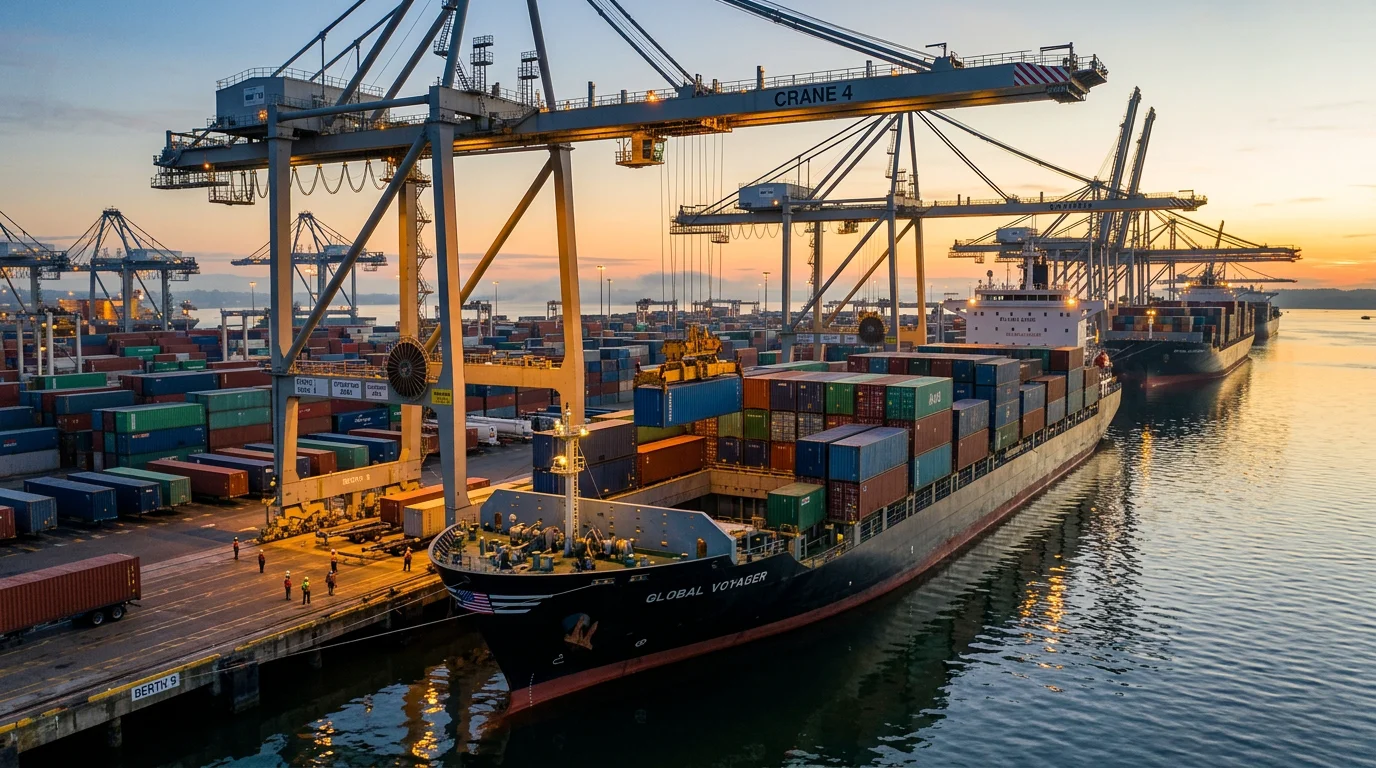
Summary: FOB origin means the buyer takes ownership and risk the moment goods leave the seller’s shipping point, then covers all onward freight, insurance, and duties.
Who bears the loss if your container is destroyed halfway across the Pacific? The answer often depends on three small letters printed on your purchase order. Understanding what FOB origin means determines who owns the goods, who pays freight, and who absorbs liability during transit. For sellers sourcing products and importing them into the US, that single distinction can decide whether a damaged load becomes your problem or your supplier’s. Our breakdown of FOB origin and your FBA risk profile shows how the term shapes everyday sourcing decisions.
The term traces back to the age of sailing ships, yet it still governs modern supply contracts worth billions of dollars. It is deceptively simple on paper and expensive to misread in practice. Before you sign, you must know exactly where responsibility ends for the seller and begins for you.
What Does FOB Origin Mean?
The fob origin meaning is straightforward at its core. FOB stands for “Free On Board,” and the word “origin” identifies the point where ownership and risk change hands. Under FOB origin terms, the buyer assumes title, liability, and cost as soon as the goods are loaded at the seller’s shipping point.
From that moment, every expense belongs to the buyer. This includes ocean freight, marine insurance, destination handling, and import customs clearance. The seller only pays to pack the goods, deliver them to the departure point, and load them.
FOB is one of eleven Incoterms rules published by the International Chamber of Commerce. It remains among the most widely used terms in international sourcing, particularly for buyers importing from Asian factories. For a plain-language walkthrough, see our explainer on what FOB means in shipping.
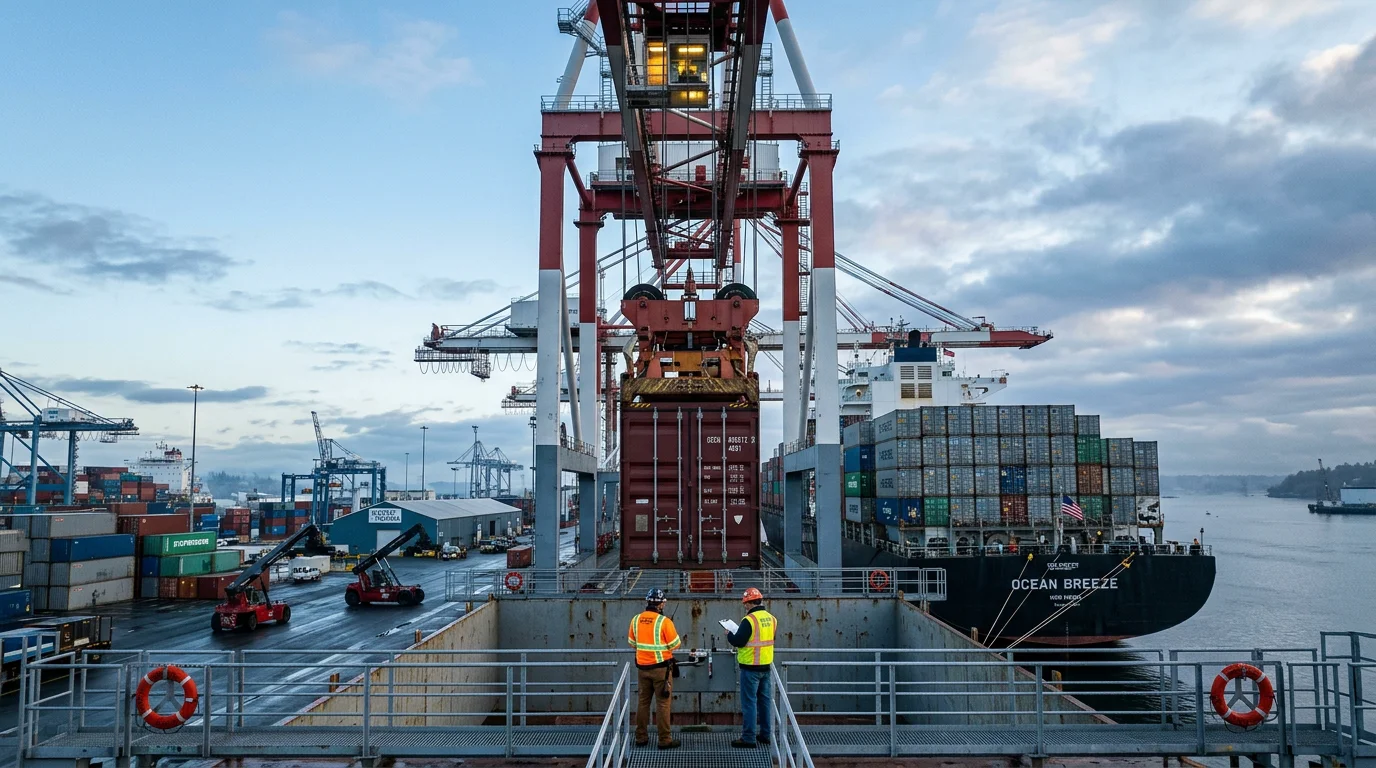
FOB Origin vs FOB Destination: Who Pays and Who Owns
The opposite of FOB origin is FOB destination. The difference is not cosmetic; it decides who owns a lost shipment and who eats the freight bill. Under FOB origin, the buyer takes control early. Under FOB destination, the seller keeps risk and cost until the goods arrive.
The table below summarizes the practical split between the two terms.
| Aspect | FOB Origin (Shipping Point) | FOB Destination |
|---|---|---|
| Ownership transfers | At the seller’s shipping point | At the buyer’s location |
| Risk during transit | Buyer | Seller |
| Freight cost typically paid by | Buyer | Seller |
| Recorded on buyer’s balance sheet | When goods leave the seller | When goods arrive |
| Best suited for | Buyers wanting control over logistics | Buyers wanting price certainty |
The choice affects your accounting as much as your logistics. With FOB origin, you record inventory the moment it leaves the factory, even though it has not physically arrived. That timing shapes your books, your insurance obligations, and your exposure to freight costs.
Seller and Buyer Responsibilities Under FOB Origin
Consider a US retailer buying goods from a factory in China under FOB origin terms. The seller handles the first leg and the paperwork that goes with export. The buyer handles everything after the goods are aboard the vessel.
The seller’s responsibilities usually include the following:
- Packing the goods securely for export.
- Delivering them to the named port and loading them on board.
- Clearing the goods for export and providing documentation such as the commercial invoice and bill of lading.
The buyer’s responsibilities begin at the point of loading and include the following:
- Arranging and paying for ocean freight and marine insurance.
- Managing import customs, duties, and taxes at destination.
- Absorbing any loss or damage that occurs in transit.
This division explains why FOB appeals to experienced buyers: you gain full control over carrier choice and routing. To understand where the term came from and why factories default to it, review our article on the origin of FOB and its definition.
FOB Origin in US Law vs International Incoterms
Here is a nuance that trips up many US buyers. The phrase “FOB origin” belongs mainly to North American domestic usage, while international sea shipments follow the ICC Incoterms standard, where FOB always means “Free On Board” and applies only to sea and inland waterway transport.
Domestically, the term carries legal weight under statute. According to UCC Section 2-319, when a contract states FOB the place of shipment, the seller must ship the goods and bear the expense and risk only until they are in the carrier’s possession. The code treats FOB as a binding delivery term, not merely a price label.
This dual meaning is why precision matters. A contract that simply reads “FOB Shanghai” can be interpreted differently under Incoterms 2020 than under a US domestic reading. Naming the governing standard explicitly, such as “FOB Shanghai (Incoterms 2020),” removes the ambiguity before a dispute arises.
Why FOB Origin Matters More for US Importers in 2026
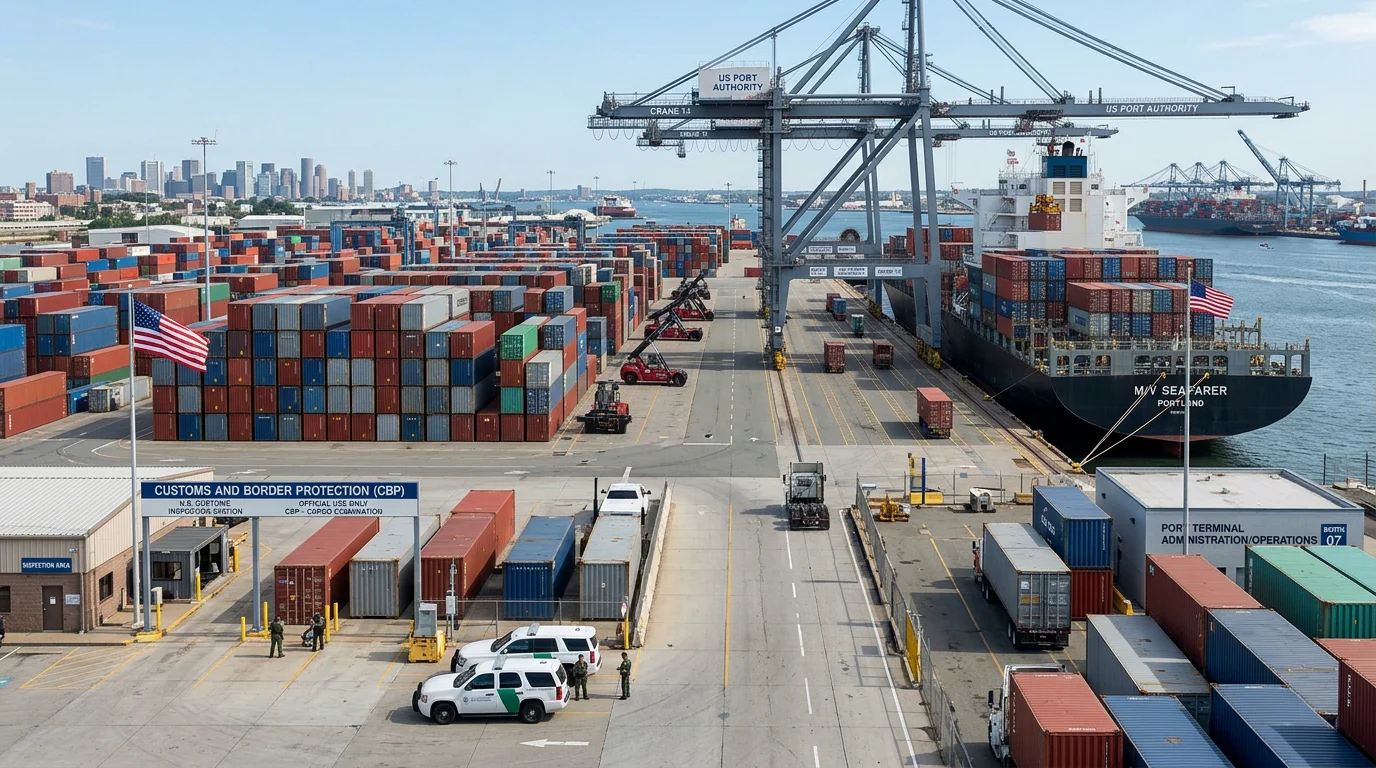
Under FOB origin, you are the importer of record, so every duty and tax lands on you. That responsibility has grown heavier following a major shift in US customs policy. The old assumption that low-value parcels arrived duty-free no longer holds.
In 2025, the US government suspended the long-standing exemption for small shipments. According to US Customs and Border Protection, duty-free de minimis treatment for imports valued at $800 or less was indefinitely suspended, effective August 29, 2025. All covered shipments now face applicable duties regardless of value.
The policy stems from Executive Order 14324, signed on July 30, 2025, which suspended duty-free de minimis treatment for all countries. For any buyer purchasing FOB origin from overseas, this change directly raises the total landed cost that you, not the seller, must cover.
The scale of the change is significant. The same agency reported that de minimis shipments rose sharply from 134 million in 2015 to 1.36 billion in 2024, more than four million packages every day. That volume is now subject to fuller duty assessment across the American market.
The direction of travel is clear for US businesses. The Federal Register notes that the “One Big Beautiful Bill” Act enacted a statutory termination of the de minimis exemption effective July 1, 2027. Buyers on FOB origin terms must plan their duty budgets accordingly.
How to Protect Yourself When Buying FOB Origin
FOB origin rewards buyers who manage the second half of the journey well. It punishes those who do not. Because risk transfers early, a single gap in insurance or a customs delay can wipe out your margin.
Three practices reduce that exposure. First, secure cargo insurance from the moment goods are loaded. Second, confirm the exact FOB point and the Incoterms edition in writing. Third, work with a partner who manages freight, customs, and delivery as one chain.
This is where we help. We manage collection at the factory, freight, DDP customs clearance with duties and taxes included, and delivery all the way to the Amazon warehouse, with real-time tracking through WhatsApp. When the paperwork and the risk are yours, that end-to-end coverage removes the guesswork. Before your next order, learn how to negotiate FOB terms with your supplier so the split of costs works in your favor.
Conclusion
FOB origin places ownership and risk in your hands the instant goods leave the seller’s shipping point. That control is valuable, but it comes paired with responsibility for freight, insurance, and duties. With the US de minimis exemption suspended since August 2025 and set for statutory termination in 2027, the cost of misreading your FOB origin terms has never been higher. Treat the term as a financial decision, not a formality, and confirm every detail in writing. Because we handle collection, DDP customs, and delivery to the Amazon warehouse under a single point of contact, the risk that FOB origin transfers to you becomes far easier to manage. To move your next shipment with confidence, read our guide to negotiating better FOB terms.
Frequently Asked Questions
Does FOB origin mean the buyer pays for shipping?
Yes. Under FOB origin, the buyer assumes freight, insurance, and duties once the goods are loaded at the shipping point. The seller only covers packing, delivery to the port, and loading.
Is FOB origin the same as FOB shipping point?
In North American usage, the two terms are treated as equivalent. Both indicate that ownership and risk pass to the buyer at the seller’s location rather than at the destination.
Who handles customs duties under FOB origin?
The buyer is responsible for import customs and duties at destination. When you ship with us, we manage this through our DDP service, so duties and taxes are included in one known price before departure.
Ready to Optimize Your Amazon Shipping?
Get 3 route options tailored to your products and timeline
Get Your Quote→