FOB Seller Responsibilities: Costs, Risk, and US Terms
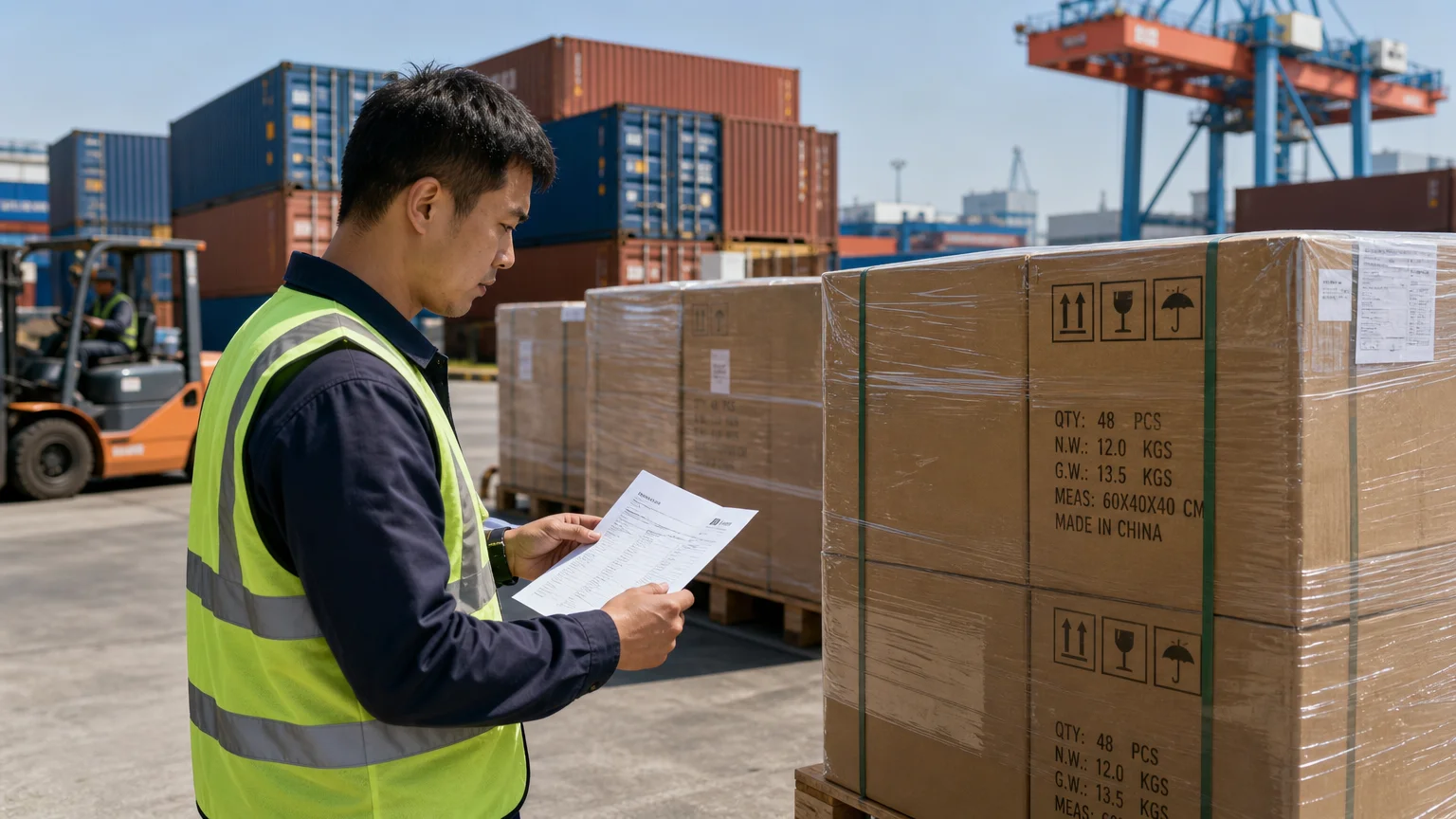
Summary: A FOB seller is responsible for getting goods to the named port, completing export formalities, and placing the cargo on board under the international FOB Incoterm. After loading, the buyer normally carries the main ocean freight, insurance choice, import clearance, duties, and delivery. Clear wording matters because US domestic FOB terms can assign responsibilities differently.
When a supplier quotes FOB, the price is not the same as a delivered cost. The fob seller usually takes responsibility through export clearance and loading at the named port, while you assume major costs and transit risk after the cargo is on board. If you are buying from China for Amazon FBA, start by checking the handover point and by reading our practical article on how to negotiate better FOB terms with your supplier.
That distinction affects your landed margin, insurance decision, customs planning, and inventory timing in the US. Department of Commerce guidance identifies FOB as one of the Incoterms 2020 rules for sea and inland waterway transport, with a named port of loading. Your supplier’s unit price is therefore only one part of the shipment economics.
What does an FOB seller actually pay for?
Under the international FOB Incoterm, the seller must deliver the goods on board the vessel at the named port of shipment. The seller also handles the export steps required to move the cargo out of the origin country, unless the sales contract states another arrangement.
In a typical China to US transaction, the seller’s responsibilities may include:
- Preparing and packing the goods according to the contract.
- Completing Chinese export clearance and required documentation.
- Moving the goods from the factory to the named origin port.
- Paying agreed origin handling and terminal charges.
- Loading the goods onto the vessel at the named port.
The exact allocation can change when the purchase order adds special terms. For example, the parties may agree that certain origin charges are included in the product price or billed separately. You should therefore request a written cost breakdown instead of relying on the three letters alone.
Which costs move to the buyer after loading?
Consider a supplier offering a product at “FOB Shenzhen.” The quoted price normally covers the goods and the seller’s costs up to loading at Shenzhen. It does not automatically cover the complete journey to your warehouse or Amazon fulfillment center.
Once the cargo is on board, the buyer commonly arranges or pays for:
- Ocean freight from the origin port to the destination port.
- Marine insurance, if the buyer chooses to purchase coverage.
- Destination port handling and unloading charges.
- Import customs clearance and any required customs bond.
- Import duties, taxes, and other government charges.
- Inland delivery from the destination port to the final facility.
This division is why an FOB quote can appear attractive while producing a higher final cost than expected. You should compare the supplier’s FOB price with the full landed cost, including freight, customs, duties, delivery, inspection, insurance, and potential storage.
Risk also matters. If goods are damaged after they are loaded on board, the buyer generally manages the claim because the risk has already moved to the buyer. The contract should identify the named port, the applicable Incoterms version, the cargo description, and the insurance responsibility.
Why do the named port and loading point matter?
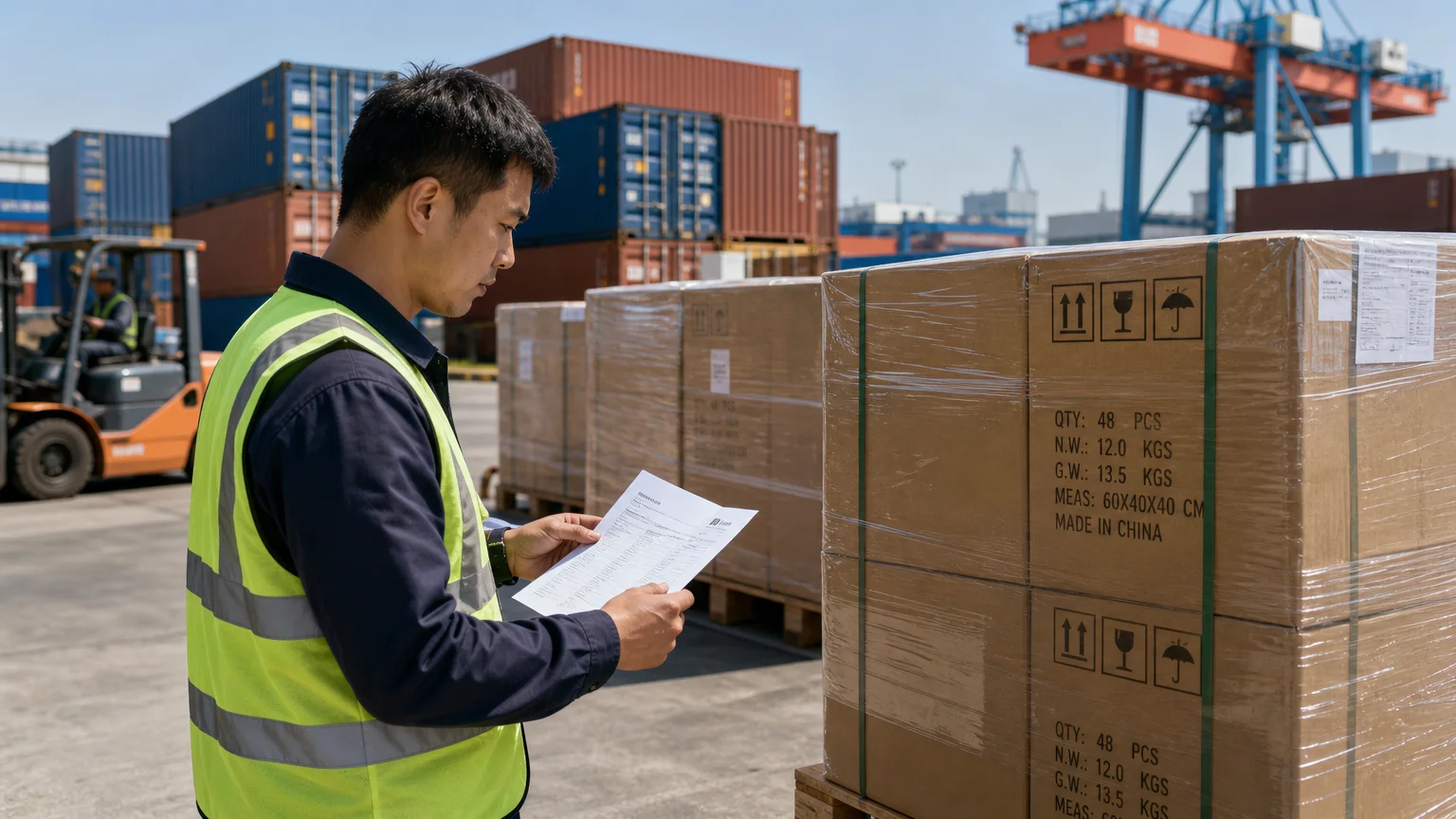
“FOB Shenzhen” and “FOB Los Angeles” do not describe the same commercial result. The first identifies the seller’s port of loading. The second would identify a destination port, but it may create confusion if the parties are using domestic US terminology rather than the international Incoterm.
For international purchasing, write the term with the named port and the version, such as “FOB Shenzhen, Incoterms 2020.” This makes the intended risk point easier to interpret and helps your freight forwarder build the correct quote.
Domestic US contracts can use FOB origin and FOB destination differently. Under federal acquisition rules, FAR delivery terms describe different points for delivery, freight responsibility, and destination handling. Do not assume that a US domestic FOB clause has the same meaning as FOB under international Incoterms.
You should also confirm how the cargo is handed over. International FOB is designed for sea and inland waterway transport, with delivery completed when the goods are on board the vessel. If your shipment involves air freight, rail, road transport, or a container collected at the factory, another delivery rule may fit the physical handover more accurately.
How does an FOB seller quote become your landed cost?
A low FOB price can hide several costs that appear later in the shipping process. Your purchasing decision should begin with a cost map rather than a unit price comparison.
The basic calculation is:
Landed cost = product price + origin costs + international freight + insurance + import costs + destination delivery.
The product price may be quoted on an FOB basis, while the remaining charges depend on route, shipment size, cargo characteristics, destination, customs classification, and delivery requirements. Weight and volume can change the most suitable freight mode, especially when products are bulky or have a low value per kilogram.
In its 2024 analysis, the OECD CIF-FOB analysis used the difference between CIF and FOB values to study international transport and insurance costs. The practical lesson for importers is simple: costs beyond the FOB point are economically significant and should be estimated before the order is confirmed.
For Amazon FBA inventory, you should add any inspection, relabeling, carton preparation, appointment, storage, and delivery charges that apply before Amazon receives the goods. Our analysis of hidden costs behind FOB pricing can help you review the quote line by line.
When can FOB work for an Amazon FBA seller?
FOB can be practical when you have an established freight partner, understand import procedures, and want direct control over the international ocean shipment. It may also suit planned full-container or large-volume orders where you can coordinate booking, customs, insurance, and final delivery efficiently.
The arrangement becomes more demanding when you are managing small shipments, urgent restocking, a product launch, or several suppliers at once. In those situations, separate coordination between the supplier, forwarder, customs broker, trucking provider, and Amazon receiving process can create delays or unexpected charges.
Our guidance on FOB shipping for Amazon FBA sellers explains how the term affects inventory planning. You should choose the arrangement according to your operational capacity, not only the supplier’s quoted price.
For sellers who prefer a single logistics process, our DDP Amazon FBA shipping service coordinates supplier pickup, international freight, customs clearance, duties and taxes, delivery, and shipment tracking. This approach can reduce the number of separate handoffs you need to manage, although every shipment still requires a route-specific quote.
What should you confirm before signing an FOB purchase order?
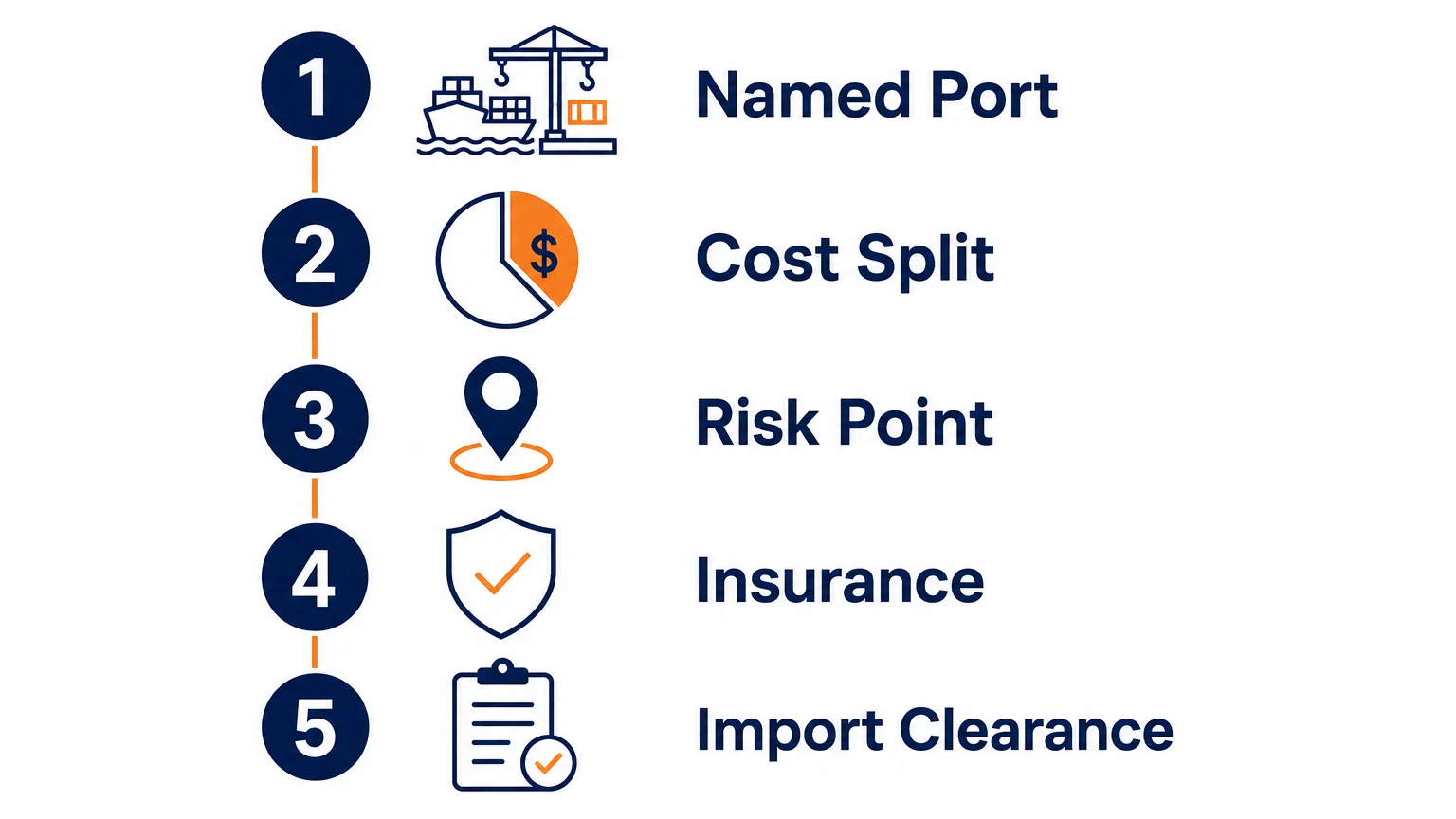
Before you accept the supplier’s terms, ask for written answers to the following questions:
- What is the exact named port of shipment?
- Does the contract state Incoterms 2020 or another agreed version?
- Which origin charges are included in the quoted product price?
- When does risk transfer under the agreed wording?
- Who books and pays for the vessel and main freight?
- Who purchases marine insurance?
- Who handles US customs entry, duties, taxes, and delivery?
- Are special export declarations or supplier-name declarations subject to additional fees?
- Are the product classification, carton dimensions, and shipment weight accurate?
These questions are especially important when freight markets are changing. A February 2026 IMF working paper examined shipping-time changes and CIF to FOB margins as channels linking supply chain disruption with import prices.
You should also verify Amazon requirements before dispatch. Check carton labels, product labels, shipment plans, receiving restrictions, delivery appointments, and any product-specific import rules. A correct FOB clause does not remove your responsibility to ensure that the shipment can enter the US and reach the intended Amazon facility.
FOB or DDP: which arrangement suits your shipment?
FOB gives you more direct control after the cargo reaches the origin port, but it also transfers more coordination and risk to you. DDP places more of the customs and delivery process with the logistics provider, including duties and taxes under the agreed quote.
FOB may suit a buyer with strong freight expertise and a preferred carrier network. DDP may suit an Amazon seller who values one point of coordination, predictable delivery responsibilities, shipment visibility, and fewer customs tasks.
The right choice depends on product value, shipment size, urgency, destination, customs requirements, and your ability to manage exceptions. You should compare both structures using a complete cost and responsibility schedule rather than comparing the supplier’s unit prices alone.
Make the FOB decision from the full shipment picture
A FOB seller arrangement usually covers the goods through export clearance and loading at the named origin port. You then need to account for ocean freight, insurance, import clearance, duties, destination delivery, and the risk that follows loading. For US Amazon FBA shipments, confirm the port, Incoterms version, cost split, documentation, and receiving requirements before approving the order. A complete landed-cost review will give you a more reliable basis for protecting margin and planning inventory.
Take action with QG Horizon
If the FOB cost split is creating uncertainty, you can simplify the shipment by working with one logistics partner from supplier pickup through Amazon delivery. We help Amazon FBA and private-label sellers compare routes according to urgency, budget, product characteristics, shipment volume, and destination requirements.
Our service structure includes supplier pickup in China, air, ocean, fast-boat, or rail freight, DDP customs handling, duties and taxes management, door-to-door delivery, tracking, and shipment updates. We provide three route options so you can evaluate the trade-offs before selecting a solution. Learn more about our FOB shipping and freight services.
Frequently Asked Questions
What is an FOB seller responsible for?
An FOB seller normally prepares the goods, completes export formalities, transports them to the named origin port, and loads them on board the vessel. The exact allocation can change if the purchase contract adds different cost or handling terms.
Who pays freight under FOB?
Under the international FOB Incoterm, the buyer normally pays the main ocean freight from the origin port onward. The buyer also commonly manages insurance, import clearance, duties, and delivery after arrival.
Does FOB include insurance?
FOB does not automatically require the seller to purchase insurance for the buyer’s ocean transit. You should decide whether coverage is appropriate and identify the responsible party in the purchase contract.
Can FOB be used for air freight?
International FOB is intended for sea and inland waterway transport. For air, rail, road, or multimodal shipments, you should review another delivery rule that matches the actual handover point.
Can QG Horizon help with an FOB shipment?
QG Horizon can review shipment details, compare available freight routes, and coordinate China pickup, freight, customs handling, DDP services, delivery, and tracking. You can provide product information or a packing list so the shipment can be assessed according to its weight, volume, destination, and urgency.
Ready to Optimize Your Amazon Shipping?
Get 3 route options tailored to your products and timeline
Get Your Quote→