FOB: What Does It Stand for and Why It Matters in 2026
Summary: FOB stands for “Free on Board,” a shipping Incoterm that defines when liability and cost responsibility shift from seller to buyer at the named port of loading.
If you have ever reviewed a supplier quote or a purchase order, you have probably encountered the three letters FOB and wondered what they actually mean. Of the 11 different Incoterms currently used in international freight, Free on Board (FOB) is the one you will encounter most frequently. Whether you are sourcing inventory from overseas factories or coordinating domestic deliveries across the US, understanding what FOB means in shipping is essential for managing costs and protecting your margins.
The question “FOB: what does it stand for” may seem straightforward, yet the answer has layers. The term carries different weight in international Incoterms, in US domestic commerce, and in practical accounting. This article unpacks each dimension, explains the key FOB variants, and shows you how to apply them to real purchasing decisions in 2026.
What Does FOB Stand For? The Core Definition
FOB (Free on Board) is a term in international commercial law specifying at what point respective obligations, costs, and risk involved in the delivery of goods shift from the seller to the buyer under the Incoterms standard published by the International Chamber of Commerce. You may also hear “Freight on Board” used informally, but all variations refer to the same Incoterm: Free on Board, which is the official Incoterms name.
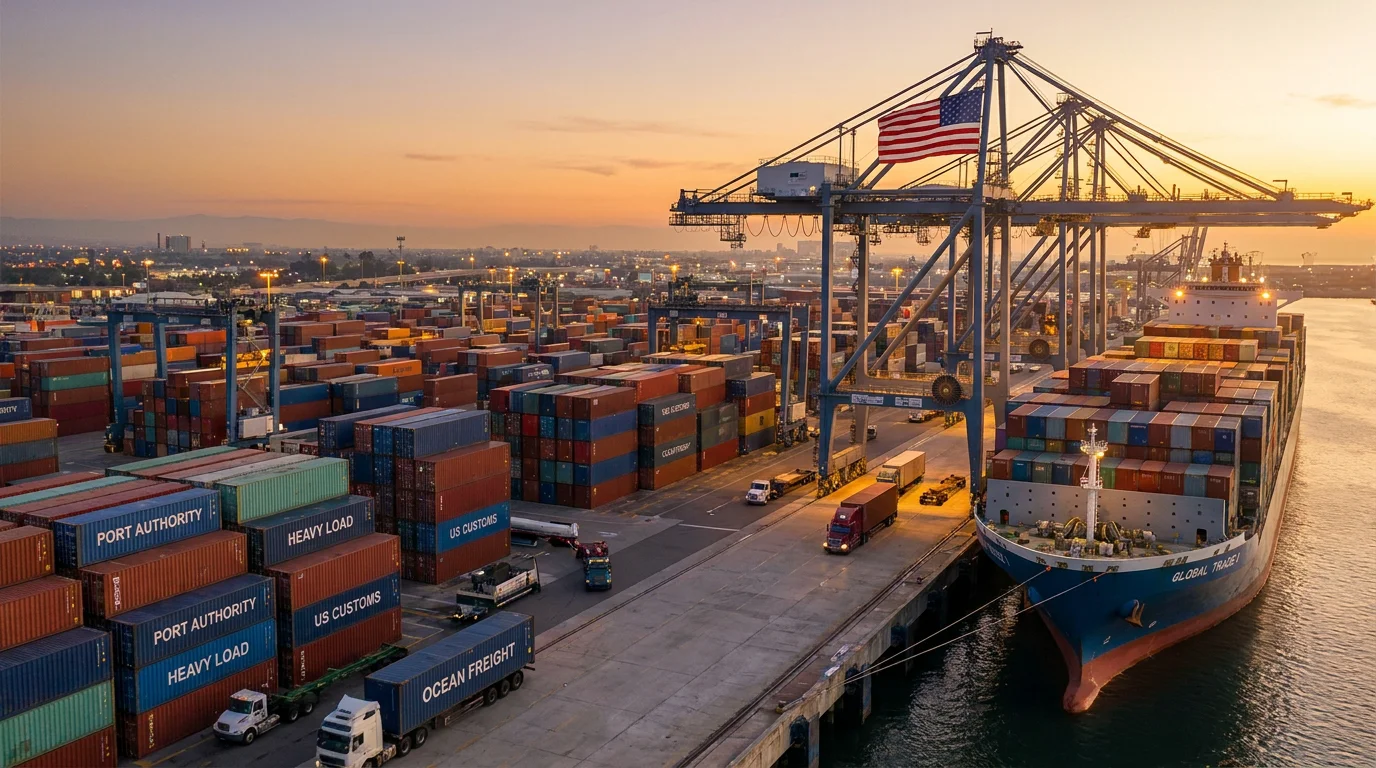
Breaking it down word by word, the term “free” refers to the supplier’s obligation to deliver goods to a specific location, meaning the supplier is “free” of responsibility; “on board” simply means that the goods are on the ship. In practice, the seller handles everything until the cargo is loaded onto the vessel at the agreed port. From that moment, the buyer assumes all risk and cost.
FOB in International Trade: The Incoterms Framework
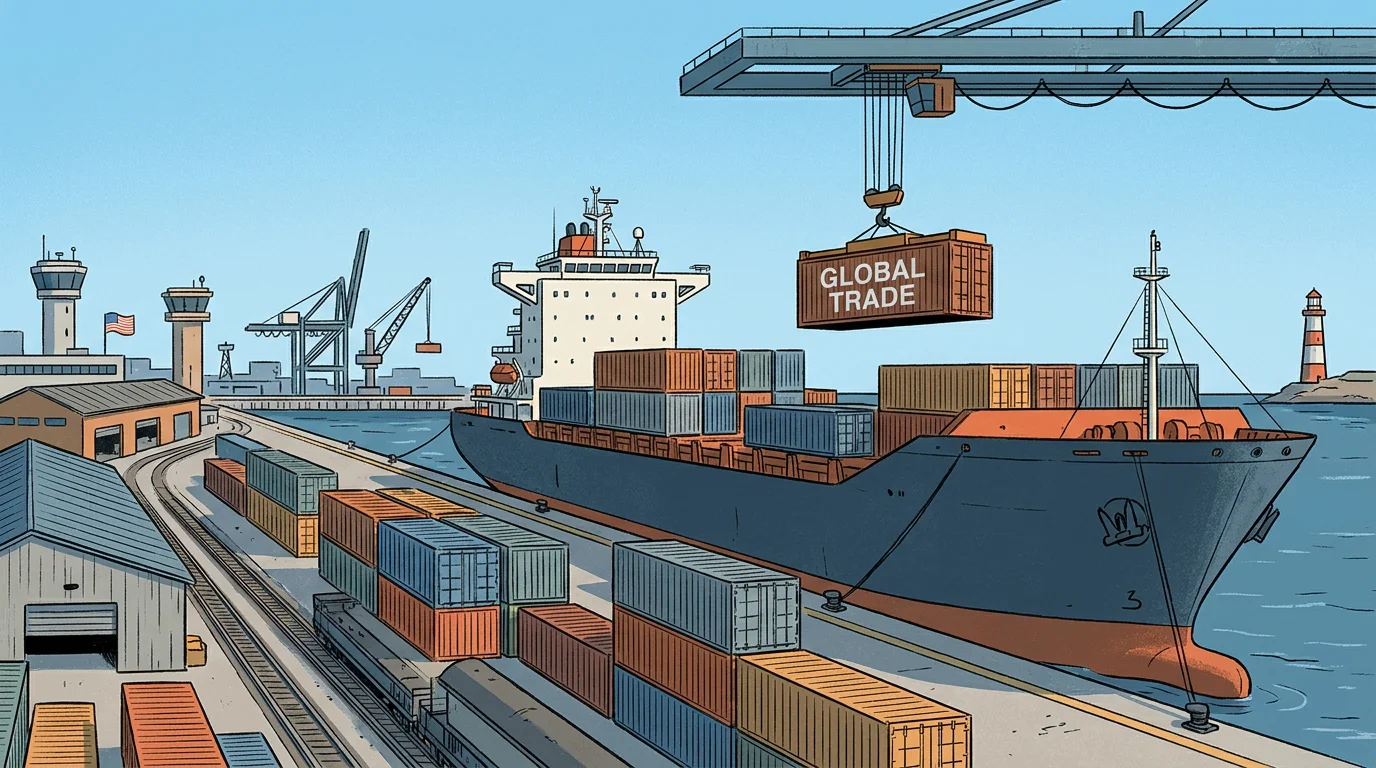
Shipping Incoterms were created by the International Chamber of Commerce (ICC) in 1936, with the main goal of helping everyone be clear about the deal terms for shipping goods to avoid conflicts or legal disputes. Updated every decade, Incoterms 2020 remains the current version as of 2026. FOB sits among four Incoterms designed exclusively for sea and inland waterway transport.
Under the Incoterms 2020 rules, FOB works as follows: the seller pays for transportation of the goods to the port of shipment plus loading costs, the buyer pays the cost of marine freight transport, insurance, unloading, and transportation from the arrival port to the final destination, and the passing of risks occurs when the goods are loaded on board at the port of shipment.
An important nuance many importers overlook is that as with all Incoterms, FOB does not define the point at which ownership of the goods is transferred. Ownership is governed by the sales contract and the bill of lading, not by the Incoterm itself. Keeping this distinction clear will save you from costly misunderstandings during negotiations.
FOB Shipping Point vs FOB Destination: Two Critical Variants
Beyond the international Incoterms definition, in US domestic commerce, FOB has two common variants that affect accounting treatment and risk allocation. These are not part of Incoterms but are widely used in US purchase agreements. Understanding both is vital for any seller or buyer operating within the American market.
FOB shipping point (also called FOB origin): risk and ownership pass to the buyer as soon as the shipment leaves the seller’s location, and the buyer bears any loss or damage during transit. This variant is common when the seller wishes to minimize exposure to transit risk.
FOB destination: risk and ownership pass to the buyer only when the shipment arrives at the destination, and the seller bears any loss or damage during transit. For a deeper dive into how these variants affect your bottom line, consult our guide on FOB shipping point vs FOB destination.
| Variant | Risk Transfers | Who Typically Pays Freight | Best For |
|---|---|---|---|
| FOB Shipping Point | At seller’s dock | Buyer | Buyers who want carrier control |
| FOB Destination | At buyer’s dock | Seller | Buyers who want less transit risk |
| FOB (Incoterms) | Loaded on vessel at port | Buyer (ocean leg) | International sea freight |
Freight Collect vs Freight Prepaid: The Payment Layer
FOB terms do not stop at risk transfer. A second modifier determines who pays the transportation bill. You will typically see one of four combinations on shipping documents:
- FOB Origin, Freight Collect: the buyer assumes risk at origin and pays freight charges.
- FOB Origin, Freight Prepaid: the buyer assumes risk at origin, but the seller pays freight charges.
- FOB Destination, Freight Collect: the seller retains risk until delivery, yet the buyer pays freight charges.
- FOB Destination, Freight Prepaid: the seller retains risk until delivery and also covers freight charges.
You should always confirm “who pays” explicitly in the purchase agreement because domestic FOB is not standardized across all US contracts. A single assumption can translate into thousands of dollars of unexpected cost.
Why FOB Matters for E-Commerce Sellers and Importers
Approximately 38% of global maritime contracts use FOB terms according to ICC trade surveys, making it the second most popular Incoterm after CIF for ocean shipments. For US-based Amazon FBA sellers importing from China, FOB is often a preferred choice because it gives buyers more visibility and control over shipping.
However, the FOB price might look cheaper than CIF or DDP, but you must add the additional logistics costs to get the real landed cost. Origin port handling, ocean freight, destination charges, customs duties, and last-mile delivery all fall on the buyer under FOB terms. A thorough landed-cost analysis is essential before committing to any Incoterm. For a side-by-side comparison, see our resource on FOB vs CIF vs DDP compared.
When you choose FOB, you gain the freedom to select your own freight forwarder and negotiate ocean rates directly. In 2026, with volatile rates, this control is valuable. We help Amazon FBA sellers manage this entire post-FOB process, from carrier booking through DDP customs clearance and final delivery to Amazon warehouses, so that the complexity does not outweigh the savings.

FOB vs FCA: When FOB Is Not the Right Fit
FOB is not appropriate for container shipments under the Incoterms 2020 rules. This surprises many importers. The reason is straightforward: under FOB, risk transfers only when the goods are physically loaded onto the ship, whereas in FCA (Free Carrier) the transfer can happen earlier, for example at the terminal; FOB is therefore not recommended for containerized cargo, as containers are usually delivered to the terminal days before loading and there is a gray area of responsibility if damage occurs before loading.
In practice, many sellers still quote “FOB” for containerized shipments out of habit. FOB is the most commonly used trade term, but in practice it is used without reference to any version of the Incoterms rules; in such cases, it is then up to the seller and buyer to agree in their contract on what they mean. If you are shipping full containers (FCL) from China, you should verify whether FCA might offer cleaner risk allocation. For a full breakdown of these nuances, explore our guide on FOB Incoterms explained.
Common Mistakes When Using FOB Terms
In 2025 global trade data, improper Incoterm usage contributed to over 15% of logistics disputes, according to industry reports. Many of these disputes stem from avoidable errors. Here are the most frequent pitfalls:
- Not specifying the port. Writing “FOB China” is vague. “FOB Shanghai” differs significantly from “FOB Ningbo” in terms of inland transport costs, so the named port must be specified.
- Confusing Incoterms FOB with domestic FOB. Domestic shipments within the United States or Canada often use a different meaning, specific to North America, which is inconsistent with the Incoterms standards.
- Skipping cargo insurance. Incoterms do not cover ownership transfer, force majeure, or contract breaches, and they also rarely mandate insurance except in CIP and CIF, making separate coverage essential.
- Ignoring landed cost. A low FOB price means little if ocean freight, duties, and last-mile fees push total costs above a CIF or DDP quote.
How to Choose Between FOB and Other Incoterms
Your ideal Incoterm depends on experience, shipment size, and risk tolerance. Of the 11 Incoterms, buyers and sellers use three the most due to their cost-effectiveness and flexibility: FOB (Free on Board), CIF, and DAP. Here is a simplified decision framework:
- New importers with limited freight knowledge may prefer CIF or DDP, where the seller handles more logistics.
- Experienced buyers who want rate control and already work with a freight forwarder benefit most from FOB.
- Sellers using Amazon FBA often find that FOB paired with a specialized forwarder strikes the best balance between cost savings and operational simplicity.
For a detailed look at the definition of FOB and how it applies specifically to Amazon FBA workflows, we have created a dedicated resource for newcomers. Our team at QG Horizon handles the post-FOB complexity, from carrier booking to DDP clearance and final delivery to Amazon warehouses, so you can focus on selling.
Conclusion
Understanding what FOB stands for is the first step toward better control of your supply chain. Free on Board defines a precise transfer point for risk and cost, and knowing how to read FOB terms on contracts, invoices, and bills of lading can prevent disputes and protect your margins. According to ICC trade surveys, approximately 38% of global maritime contracts rely on FOB terms, confirming its central role in international commerce. Whether you are a first-time importer or a seasoned Amazon seller, the right Incoterm combined with the right logistics partner makes all the difference.
With a single point of contact from factory pickup through DDP customs clearance and warehouse delivery, we simplify every stage that comes after FOB loading. Request a free quote from our FBA freight team and see how streamlined your next shipment can be.
Frequently Asked Questions
Does FOB mean the seller pays for shipping?
Not entirely. Under FOB terms, the seller pays for inland transport to the port and loading onto the vessel. The buyer pays for ocean freight, insurance, and all destination costs. The exact split depends on whether the agreement is FOB Origin, FOB Destination, Freight Collect, or Freight Prepaid.
Is FOB still valid for containerized cargo?
Officially, the ICC recommends FCA (Free Carrier) rather than FOB for containerized shipments, because containers are handed to the terminal before loading. In practice, many suppliers still quote FOB for container orders. If you use FOB in this context, clarify the exact risk transfer point in your contract.
How can an Amazon FBA seller benefit from FOB terms?
FOB gives you the freedom to choose your own freight forwarder and negotiate competitive ocean rates. At QG Horizon, we manage the entire journey after the FOB point, including carrier booking, customs clearance, and last-mile delivery to Amazon fulfillment centers, helping sellers save an estimated 10 to 20 percent per shipment.
Ready to Optimize Your Amazon Shipping?
Get 3 route options tailored to your products and timeline
Get Your Quote→