Freight and Forwarding Explained: Key Insights for Sellers

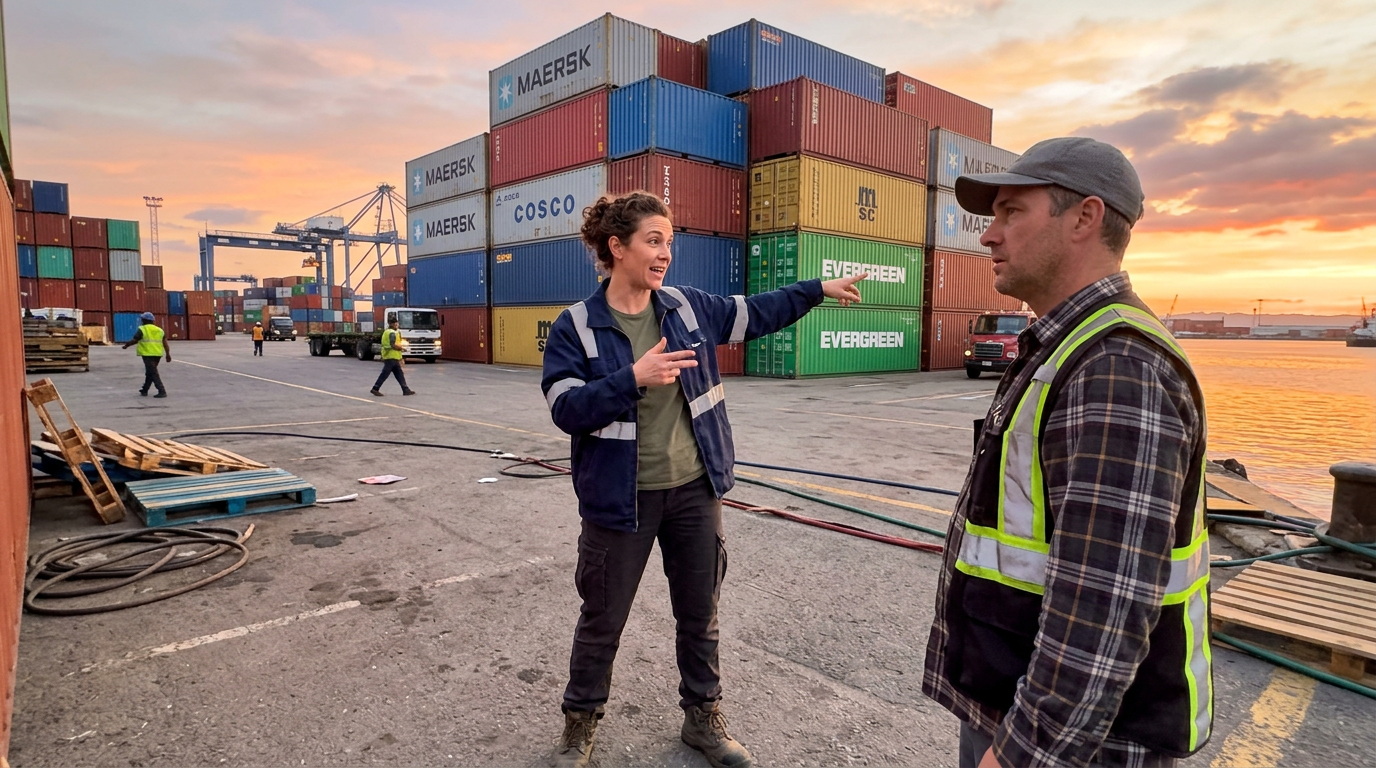
Navigating the complexities of freight and forwarding can feel like deciphering a foreign language for many Amazon sellers. With a myriad of shipping options, customs regulations, and cost considerations, it’s easy to see why logistics often become a daunting challenge. However, mastering these elements is crucial for success in the competitive e-commerce landscape. This blog post will demystify freight forwarding, providing essential insights tailored specifically for Amazon sellers. By understanding the intricacies of this logistics component, sellers can streamline their supply chain, reduce costs, and enhance their overall operational efficiency.
Freight and Forwarding Explained: Key Insights for Sellers
Freight forwarding is a vital logistics component for Amazon sellers, facilitating the movement of goods from manufacturers to fulfillment centers. It involves several interconnected processes essential for successful international shipping, including:
- Shipping: Selecting the appropriate method (air, sea, or ground) based on urgency, cost, and product type.
- Customs Clearance: Navigating customs regulations and ensuring compliance with import/export laws, which includes the preparation of necessary documentation.
- Documentation: Handling essential paperwork like commercial invoices, packing lists, and bills of lading to ensure smooth transit and compliance.
The significance of freight forwarding lies in its ability to streamline operations, reduce costs, and ensure compliance with international shipping regulations. By effectively managing these logistics, Amazon sellers can enhance their supply chain efficiency, minimize delays, and ultimately improve customer satisfaction.
Key insights for sellers include:
- Understanding the complexities of shipping methods and selecting the most cost-effective options.
- The importance of customs compliance to avoid unexpected delays and fees.
- The necessity of accurate and timely documentation to facilitate smooth transit.
Incorporating these practices into logistics planning can significantly impact overall operational success for Amazon sellers.
Shipping Methods
Amazon sellers have multiple shipping options to choose from, each with its advantages and disadvantages. Selecting the appropriate shipping method is critical for balancing speed, cost, and product type. Below are the primary freight transport options available:
- Air Freight:
- Speed: Very fast shipping method, ideal for urgent restocks and product launches.
- Ideal for: Small, high-value items that require quick delivery.
- Cost: Generally more expensive than other options, making it less viable for bulk shipments.
- Sea Freight:
- Cost-effective: Offers significant savings for larger shipments, making it suitable for bulk orders.
- Transit Times: Subject to longer transit times, which may not be ideal for time-sensitive products.
- Ideal for: Large quantities and heavy goods where cost efficiency is a priority.
- Ground Transportation:
- Utility: Useful for final-mile delivery and regional shipping, especially within countries.
- Cost: Typically has lower costs compared to air freight, but speed varies based on distance.
- Ideal for: Domestic shipments where speed is less of a concern, and delivery routes are well-established.
| Shipping Method | Pros | Cons |
|---|---|---|
| Air Freight | Fast delivery, ideal for urgent needs | Higher costs, not suitable for bulk |
| Sea Freight | Cost-effective for large shipments | Longer transit times, less ideal for urgent items |
| Ground Transportation | Lower costs for domestic shipments | Speed varies, limited to regional deliveries |
Understanding these shipping methods allows Amazon sellers to make informed decisions that align with their business goals, ensuring timely and cost-effective logistics.
Customs Regulations
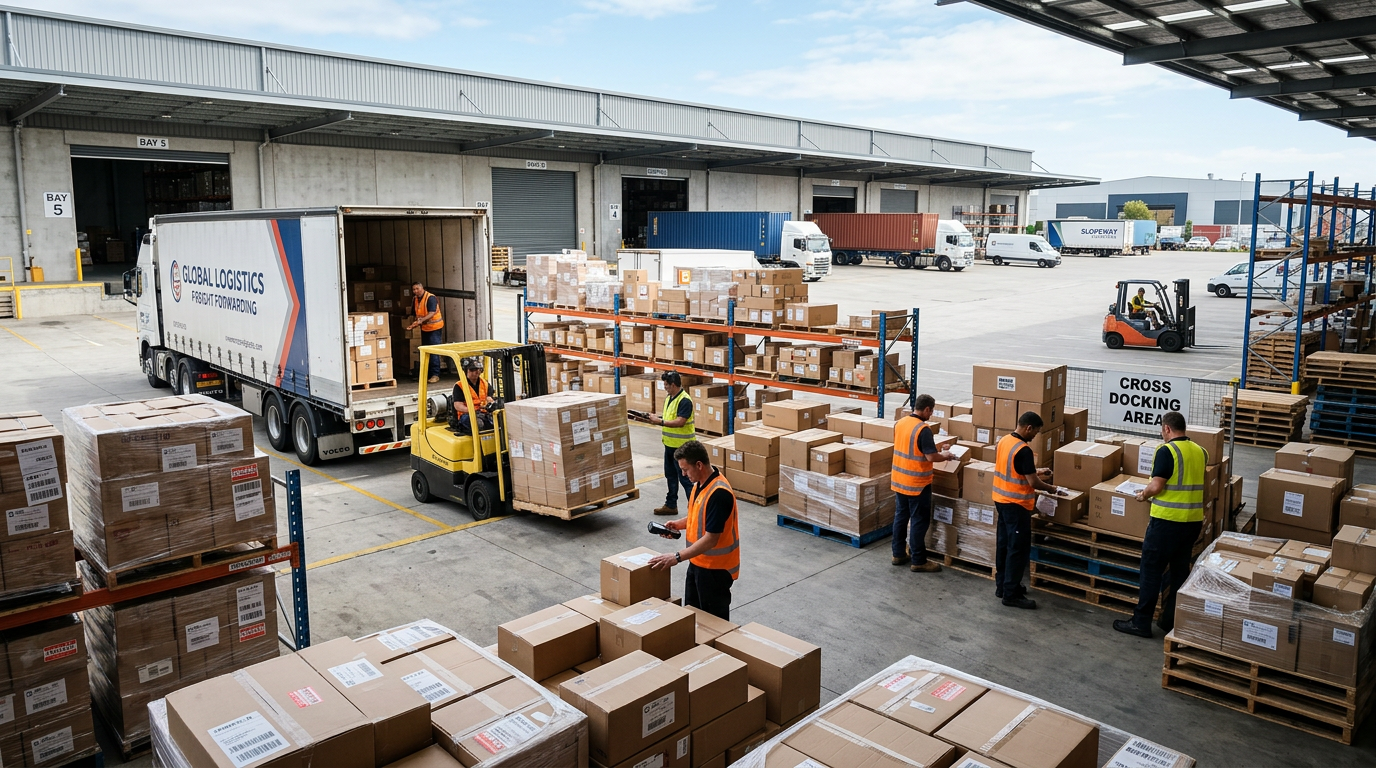
Understanding customs regulations is crucial for Amazon sellers to avoid delays and additional costs in the shipping process. The customs clearance process encompasses several key elements that sellers must navigate effectively to ensure smooth international shipping:
- HS Code Classification:
- Accurate HS code classification is vital for determining applicable duties and taxes on imported goods.
- Sellers should ensure proper categorization to avoid costly penalties and delays.
- Documentation Requirements:
- Essential paperwork for smooth customs clearance includes:
- Commercial Invoice: Details the transaction between the seller and buyer.
- Packing List: Provides itemized details of the shipment contents.
- Bill of Lading: Serves as a transport contract between the shipper and carrier.
- Import Permits: May be required for specific products depending on the destination country.
- Compliance Verification:
- Sellers must ensure that products comply with local regulations, which may include:
- CE Marking: Required for products sold in the European Economic Area to indicate conformity with health, safety, and environmental protection standards.
- FDA Regulations: Necessary for food, drugs, and medical devices imported into the United States.
Navigating these customs regulations effectively is essential for Amazon sellers to minimize the risk of customs holds, unexpected fees, and shipment delays. By understanding and adhering to these requirements, sellers can streamline their logistics operations and enhance overall supply chain efficiency.
| Customs Aspect | Importance | Key Documents |
|---|---|---|
| HS Code Classification | Ensures accurate duty calculations | HS Code List |
| Documentation Requirements | Facilitates smooth customs clearance | Commercial Invoice, Packing List, Bill of Lading, Import Permits |
| Compliance Verification | Ensures adherence to local regulations | CE Mark, FDA certificates |
Cost Considerations
Cost considerations are a critical aspect of freight forwarding for Amazon sellers. Understanding the various factors that influence shipping costs can help sellers make informed decisions and optimize their logistics budget. Key elements include:
- Weight Factors:
- Actual Weight: The physical weight of the shipment.
- Volumetric Weight: Calculated based on the dimensions of the package, often used by carriers to determine pricing for lightweight, bulky items.
- Cost Optimization:
- Consolidation Services: Combining multiple shipments into one to reduce per-unit shipping costs. This is especially beneficial for sellers with smaller orders or multiple SKU shipments.
- Budget Planning:
- Seasonal Shipping: Planning shipments during off-peak times to avoid increased surcharges during high-demand periods, such as holidays.
Sellers must evaluate these factors carefully to maintain shipping efficiency and cost-effectiveness. Proper budgeting and planning can lead to significant savings and improved cash flow management.
| Cost Factor | Description |
|---|---|
| Actual Weight | The total weight of the shipment as measured. |
| Volumetric Weight | Weight calculated based on the dimensions of the package. |
| Consolidation Services | Combining multiple shipments to lower overall shipping costs. |
| Seasonal Shipping | Planning shipments to avoid peak surcharges during busy periods. |
Choosing a Freight Forwarder
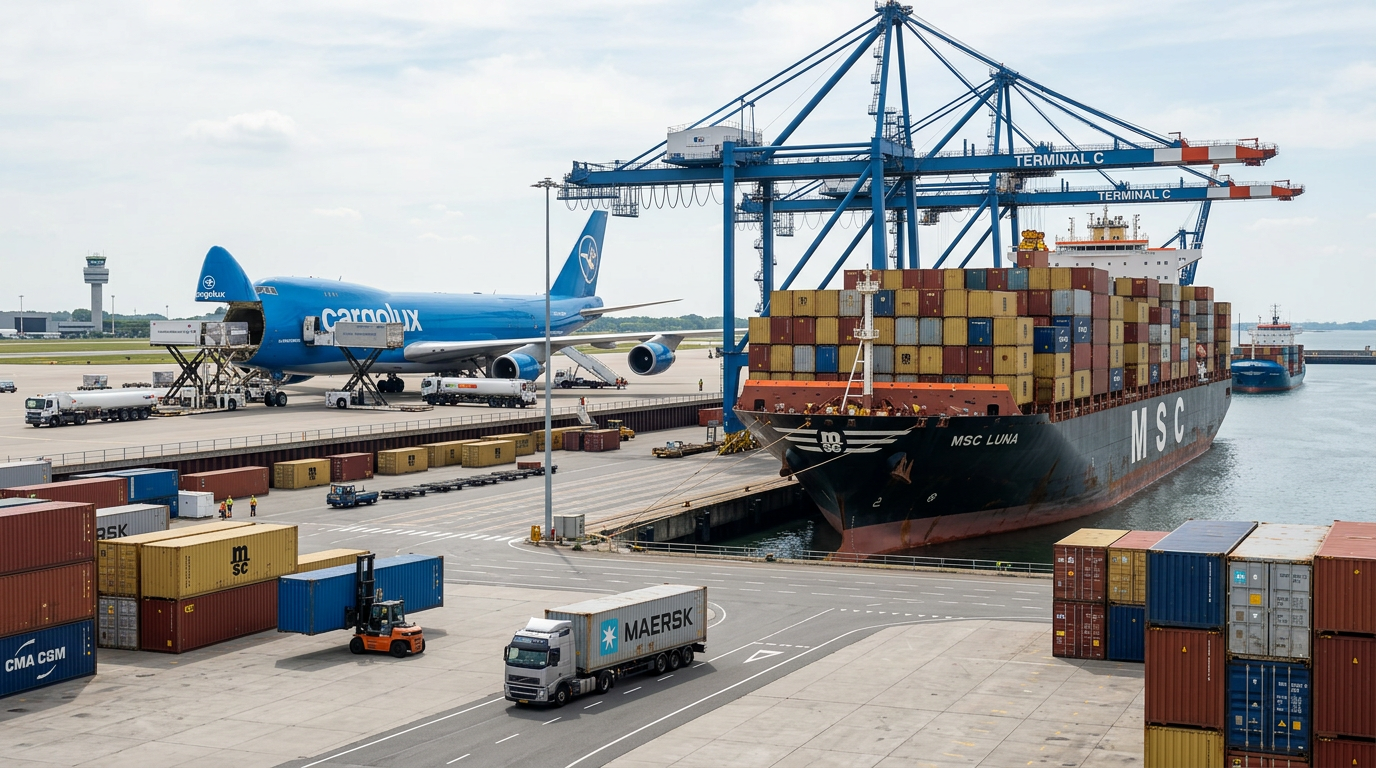
Selecting the right freight forwarder is crucial for successful logistics management for Amazon sellers. A proficient freight forwarder can streamline shipping processes, ensure compliance, and minimize costs. Key qualities to consider when choosing a freight forwarder include:
- Experience: Look for a forwarder with a proven track record in e-commerce and familiarity with Amazon’s logistics requirements.
- Industry Knowledge: A forwarder should understand the nuances of international shipping, including customs regulations and market-specific requirements.
- Reliability: Assess their reputation for timely deliveries and problem-solving capabilities during disruptions.
Questions to ask potential freight forwarders include:
- Customs Clearance Processes: Inquire about their procedures for handling customs documentation and compliance to avoid delays.
- Tracking Capabilities: Ensure they offer robust tracking systems that provide real-time updates on shipment status.
- Service Options: Discuss available shipping methods, consolidation services, and additional support like insurance or warehousing.
By focusing on these key qualities and questions, Amazon sellers can make informed decisions that enhance their logistics operations and contribute to overall business success.
| Key Qualities | Importance |
|---|---|
| Experience | Proven ability to navigate challenges in logistics and e-commerce. |
| Industry Knowledge | Expertise in customs regulations and shipping requirements specific to Amazon. |
| Reliability | Consistent performance in meeting delivery timelines and resolving issues. |
Best Practices for Amazon Sellers
Implementing best practices in freight forwarding can significantly enhance shipping efficiency for Amazon sellers. Adopting these strategies ensures timely deliveries, compliance with regulations, and optimized costs.
- Optimizing Operations:
- Conduct thorough inventory forecasting to determine optimal shipment timing based on sales trends.
- Implement just-in-time inventory strategies to reduce holding costs while ensuring stock availability.
- Tracking Shipments:
- Utilize real-time tracking tools to maintain visibility of shipments from origin to Amazon fulfillment centers.
- Set up proactive alerts for delays or issues during transit, allowing for timely interventions.
- DDP Solutions:
- Consider using Delivered Duty Paid (DDP) shipping options to simplify the import process.
- DDP covers all duties and taxes upfront, eliminating unexpected fees upon delivery and ensuring compliance with destination country regulations.
| Best Practice | Description | Benefits |
|---|---|---|
| Optimizing Operations | Forecast inventory needs and plan shipments accordingly. | Reduces holding costs, enhances stock availability. |
| Tracking Shipments | Use real-time tracking tools for shipment visibility. | Improves communication and reduces uncertainty. |
| DDP Solutions | Utilize DDP to cover all duties and taxes upfront. | Simplifies import process, avoids surprise fees. |
By integrating these best practices, Amazon sellers can streamline their logistics operations, ultimately enhancing their overall business performance.
Common Pitfalls to Avoid
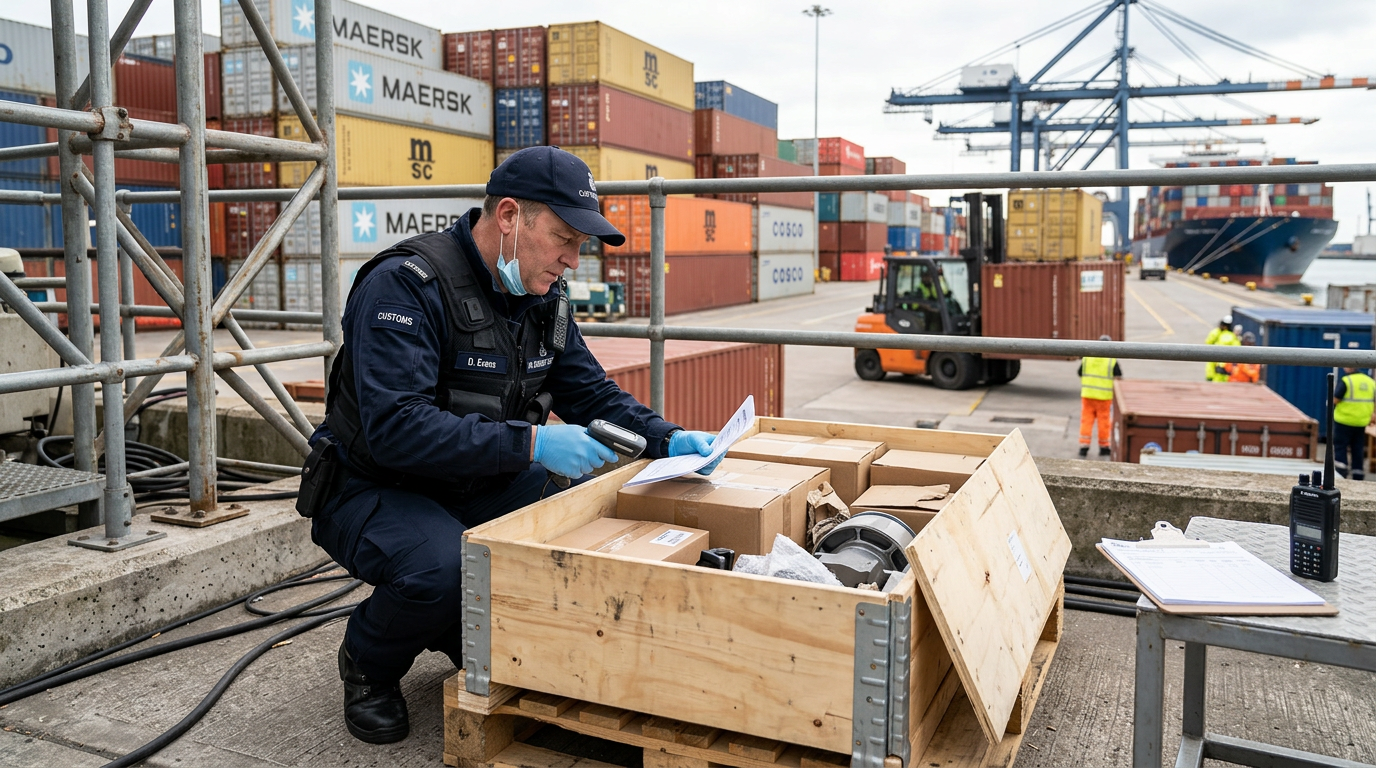
Amazon sellers often encounter common pitfalls in freight forwarding that can lead to increased costs and delays. Recognizing these challenges is essential for streamlining logistics and ensuring successful shipping operations. Key pitfalls include:
- Shipping Terms:
- Ensure clarity on terms like DDP (Delivered Duty Paid), FOB (Free On Board), and EXW (Ex Works). Misunderstanding these terms can result in unexpected costs and responsibilities.
- Cost Underestimation:
- Factor in all possible fees, including customs duties, taxes, and handling charges. Sellers should prepare for fluctuations in costs that can arise from currency exchange rates and seasonal surcharges.
- Compliance Issues:
- Stay informed on regulations, including documentation requirements and import restrictions, to avoid customs holds. Non-compliance can lead to significant delays and additional fees.
- Inadequate Documentation:
- Ensure all necessary documentation (commercial invoices, packing lists, bills of lading) is prepared accurately. Missing or incorrect paperwork can result in customs clearance delays.
- Ignoring Technology:
- Leverage tracking tools and logistics software for real-time visibility. Ignoring these resources can lead to miscommunication and lack of control over shipments.
| Pitfall | Consequences | Prevention |
|---|---|---|
| Misunderstanding Shipping Terms | Unexpected fees and responsibilities | Clarify terms before agreements |
| Cost Underestimation | Budget overruns, unexpected charges | Include all potential fees in estimates |
| Compliance Issues | Customs holds, fines | Stay updated on regulations |
| Inadequate Documentation | Delays in customs clearance | Prepare accurate documents |
| Ignoring Technology | Lack of visibility and miscommunication | Utilize tracking and logistics software |
Final Words
Final Words
Effective freight forwarding is crucial for Amazon sellers, ensuring timely and compliant product deliveries from manufacturers to fulfillment centers. Understanding various shipping methods—air, sea, and ground—enables sellers to align their strategies with urgency and cost. Navigating customs regulations is equally important to avoid delays, while careful cost considerations can lead to optimized logistics budgets.
Choosing a reliable freight forwarder and implementing best practices can significantly enhance shipping efficiency. By avoiding common pitfalls, sellers can streamline their operations and focus on growth. Mastering the ins and outs of freight and forwarding explained: everything Amazon sellers should know will lead to a smoother shipping experience.
FAQ
Q: What is freight forwarding?
A: Freight forwarding is a logistics process that facilitates the movement of goods from manufacturers to fulfillment centers, covering shipping, customs clearance, and documentation.
Q: What are the main shipping methods available for Amazon sellers?
A: Amazon sellers can choose from air freight for quick deliveries, sea freight for bulk shipments, and ground transportation for domestic final-mile delivery.
Q: Why are customs regulations important for Amazon sellers?
A: Understanding customs regulations is essential to avoid shipping delays and additional costs, ensuring compliance with HS code classification and necessary documentation.
Q: What factors influence freight costs for Amazon sellers?
A: Freight costs depend on weight, dimensions, shipping method, and can be optimized by calculating actual vs. volumetric weights and considering seasonal surcharges.
Q: How should Amazon sellers choose a freight forwarder?
A: Sellers should look for freight forwarders with experience, reliability, and knowledge of Amazon requirements, asking about customs processes and tracking capabilities.
Q: What best practices can Amazon sellers implement for shipping?
A: Sellers should optimize operations through inventory forecasting, utilize real-time tracking tools, and consider DDP shipping solutions to simplify logistics and improve efficiency.
Q: What common pitfalls should Amazon sellers avoid in freight forwarding?
A: Sellers should clarify shipping terms, account for all potential costs, including customs duties, and stay informed about compliance regulations to prevent delays and additional expenses.
Ready to Optimize Your Amazon Shipping?
Get 3 route options tailored to your products and timeline
Get Your Quote→