Freight Density Calculator: Slash Your Amazon FBA Costs

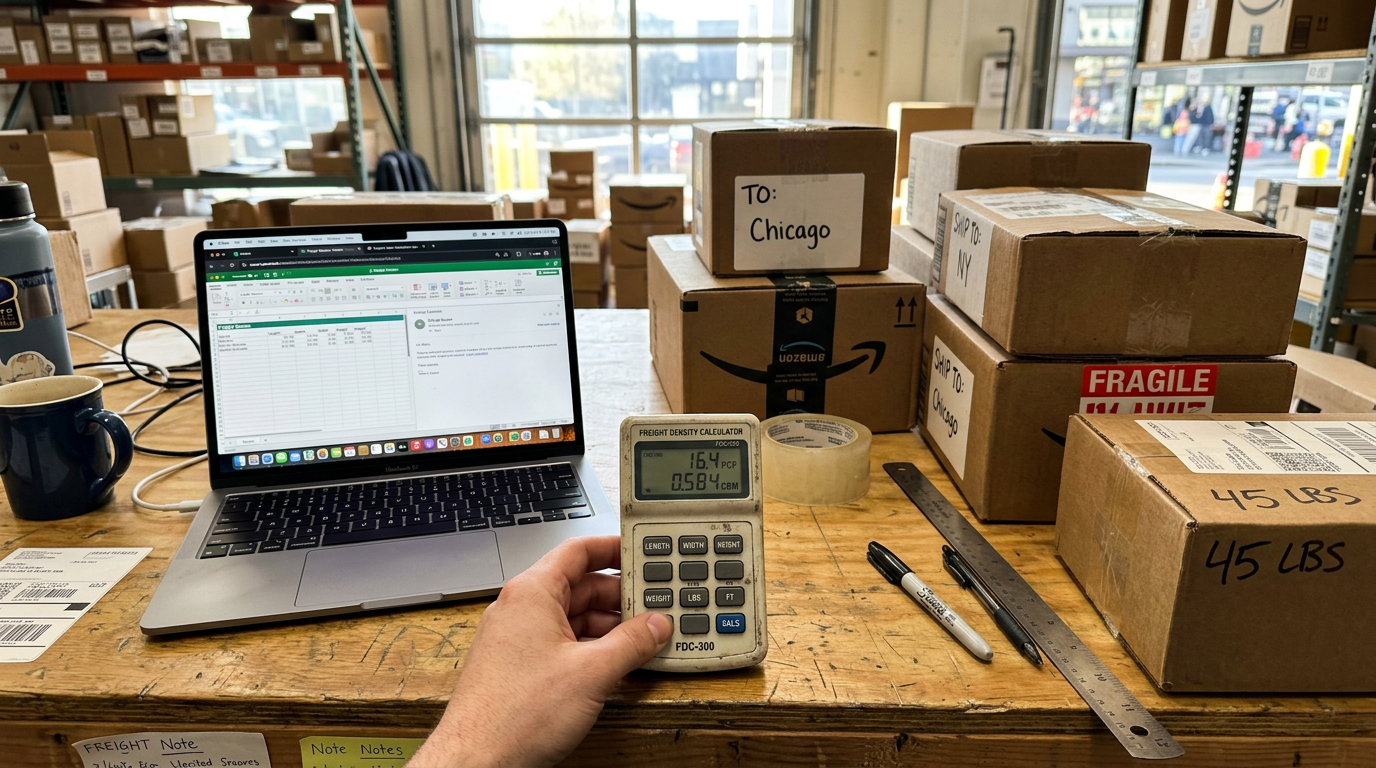
Are you unknowingly throwing money away on Amazon FBA shipping? Many sellers overlook a crucial factor that can significantly impact their logistics costs: freight density. Understanding this concept can mean the difference between escalating expenses and streamlined savings. By mastering freight density calculations, sellers can optimize their shipping strategies and avoid common pitfalls that lead to overpayment. This guide will explore the importance of freight density, how to calculate it, and actionable tips to ensure your Amazon FBA shipping remains cost-effective and efficient.
Freight Density Calculator: Slash Your Amazon FBA Costs
Freight density is defined as the ratio of weight to volume of a shipment, calculated using the formula:
Freight Density = Weight (lbs) / Volume (cubic feet)
Understanding freight density is crucial for Amazon FBA sellers as it directly impacts shipping costs. Shipping companies often use dimensional weight pricing, meaning that if the volumetric weight exceeds the actual weight, they will charge based on the former. Higher freight density typically results in lower shipping rates, allowing sellers to maximize profit margins.
Consider the following factors that influence freight density:
- Product Shape: Irregularly shaped items may occupy more volume, leading to a higher shipping cost despite lower weight.
- Packaging: Poor packaging can increase the volume of the shipment. Optimizing packaging can reduce volume and improve density.
- Weight Distribution: Evenly distributing weight can affect the shipment’s overall dimensions and density calculations.
To calculate freight density accurately:
- Measure the weight of the shipment in pounds.
- Calculate the volume in cubic feet (Length x Width x Height).
- Apply the formula to determine freight density.
By leveraging a freight density calculator, sellers can ensure they are charged correctly based on their shipment’s actual density, avoiding unnecessary overcharges.
| Weight (lbs) | Volume (cubic feet) | Freight Density (lbs/cubic feet) |
|---|---|---|
| 50 | 10 | 5 |
| 30 | 5 | 6 |
| 70 | 20 | 3.5 |
In this example, a shipment weighing 30 lbs with a volume of 5 cubic feet has a higher freight density than a 70 lbs shipment occupying 20 cubic feet. Understanding these calculations allows Amazon FBA sellers to optimize their shipping strategies and reduce costs effectively.
How to Calculate Freight Density
To calculate freight density, sellers can use the following formula:
Freight Density = Weight (lbs) / Volume (cubic feet)
Understanding how to accurately determine freight density is essential for Amazon FBA sellers to avoid overpaying for shipping. Here’s a step-by-step guide on using a freight density calculator effectively:
- Measure the Weight
- Weigh the shipment in pounds (lbs). Ensure that you account for all packaging materials, as they contribute to the total weight.
- Calculate the Volume
- Measure the dimensions of the package in inches (Length, Width, Height).
- Convert these measurements into cubic feet using the formula:
Volume (cubic feet) = (Length x Width x Height) / 1728
(Note: 1728 is the number of cubic inches in a cubic foot.)
- Apply the Freight Density Formula
- Insert the weight and volume into the freight density formula.
- For example, if a shipment weighs 50 lbs and has a volume of 10 cubic feet:
Freight Density = 50 lbs / 10 cubic feet = 5 lbs/cubic foot.
- Evaluate Factors Influencing Freight Density
- Product Shape: Irregularly shaped items may occupy more volume, which can increase shipping costs.
- Packaging: Optimize packaging to reduce the shipment’s volume. Excessive packaging can lead to higher charges.
- Weight Distribution: Properly distributing weight can help minimize the dimensions and improve density calculations.
By understanding and using a freight density calculator, Amazon FBA sellers can make informed shipping decisions that help optimize costs.
| Weight (lbs) | Volume (cubic feet) | Freight Density (lbs/cubic feet) |
|---|---|---|
| 50 | 10 | 5 |
| 30 | 5 | 6 |
| 70 | 20 | 3.5 |
This example illustrates how different weights and volumes affect freight density calculations, enabling sellers to identify the most economical shipping options.
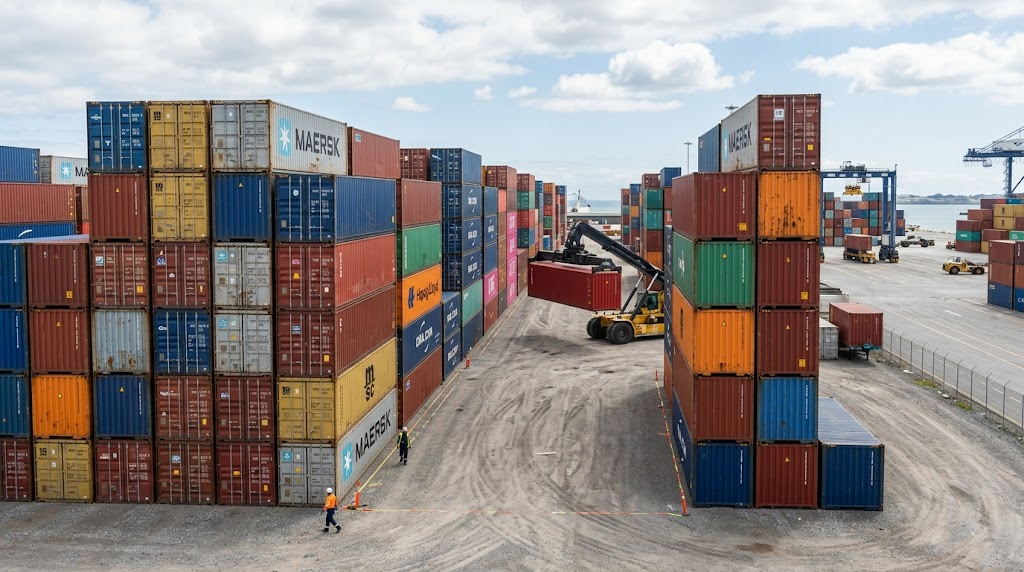
Tips for Avoiding Overpayment in Amazon FBA Shipping
Amazon FBA sellers must be vigilant to avoid overpaying for shipping. Here are practical tips and strategies to minimize costs effectively:
- Understand Volumetric Weight:
Shipping companies often charge based on dimensional weight when it exceeds actual weight. Calculate volumetric weight using the formula:
Volumetric Weight (lbs) = (Length x Width x Height) / 166
This helps identify potential overcharges before shipment.
- Optimize Packaging:
Poor packaging can significantly increase the volume of shipments. Use smaller boxes and appropriate padding materials to minimize excess space. Aim for a snug fit that protects products without inflating dimensions unnecessarily.
- Leverage Freight Density Calculations:
Regularly calculate freight density to understand how weight and volume impact shipping costs. Use the formula:
Freight Density = Weight (lbs) / Volume (cubic feet)
Higher density shipments usually incur lower shipping rates; optimize your shipments accordingly.
- Consolidate Shipments:
Combine multiple smaller shipments into one larger shipment when feasible. This can reduce the per-unit shipping cost and improve overall freight density.
- Use Accurate Data for Shipping Quotes:
Provide precise weight and dimensions when requesting shipping quotes. Inaccurate information can lead to unexpected charges. Always double-check packaging before shipment.
- Monitor Shipping Costs Regularly:
Keep track of shipping costs for different carriers. Compare rates and services regularly to ensure you’re getting the best deal available.
Implementing these strategies and leveraging freight density calculations can lead to significant savings for Amazon FBA sellers, enhancing profitability.
| Tip | Benefit |
|---|---|
| Understand Volumetric Weight | Avoid overcharges based on dimensional weight. |
| Optimize Packaging | Reduce volume and enhance freight density. |
| Leverage Freight Density Calculations | Maximize shipping efficiency and minimize costs. |
| Consolidate Shipments | Lower per-unit shipping costs. |
| Use Accurate Data for Shipping Quotes | Prevent unexpected charges and ensure transparency. |
| Monitor Shipping Costs Regularly | Stay competitive and informed on the best rates. |
Case Studies and Examples
Real-world applications of freight density calculations have demonstrated significant cost savings for Amazon FBA sellers. Here are a few examples that highlight effective shipping strategies focused on optimizing freight density:
- Case Study: Electronics Seller
An electronics seller shipped a batch of items weighing 500 lbs with a total volume of 50 cubic feet. After calculating the freight density, they found it to be 10 lbs/cubic foot. By optimizing packaging to reduce volume while maintaining safety, they managed to reduce the shipment volume to 40 cubic feet, increasing freight density to 12.5 lbs/cubic foot. This adjustment saved them $300 in shipping costs due to lower dimensional weight charges.
- Case Study: Apparel Seller
An apparel seller frequently faced high shipping fees due to bulky packaging. After conducting a freight density analysis, they switched to compression bags for their garments. This change reduced the volume from 100 cubic feet to 70 cubic feet while maintaining the same weight of 300 lbs. The increase in freight density from 3 lbs/cubic foot to 4.29 lbs/cubic foot resulted in a $500 reduction in shipping expenses for a single shipment.
- Case Study: Home Goods Seller
A home goods seller shipped a variety of items totaling 1,200 lbs with a volume of 150 cubic feet. After assessing freight density, they realized that the volumetric weight was significantly higher than the actual weight. By re-evaluating their packaging and consolidating smaller items into fewer boxes, they achieved a new volume of 100 cubic feet. This maneuver increased their freight density from 8 lbs/cubic foot to 12 lbs/cubic foot, yielding a cost savings of $800 on shipping.
These examples illustrate that understanding and applying freight density calculations can lead to substantial savings on shipping costs, enabling Amazon FBA sellers to improve their bottom line.
| Seller Type | Initial Weight (lbs) | Initial Volume (cubic feet) | Initial Freight Density (lbs/cubic feet) | Final Volume (cubic feet) | Final Freight Density (lbs/cubic feet) | Cost Savings |
|---|---|---|---|---|---|---|
| Electronics | 500 | 50 | 10 | 40 | 12.5 | $300 |
| Apparel | 300 | 100 | 3 | 70 | 4.29 | $500 |
| Home Goods | 1,200 | 150 | 8 | 100 | 12 | $800 |
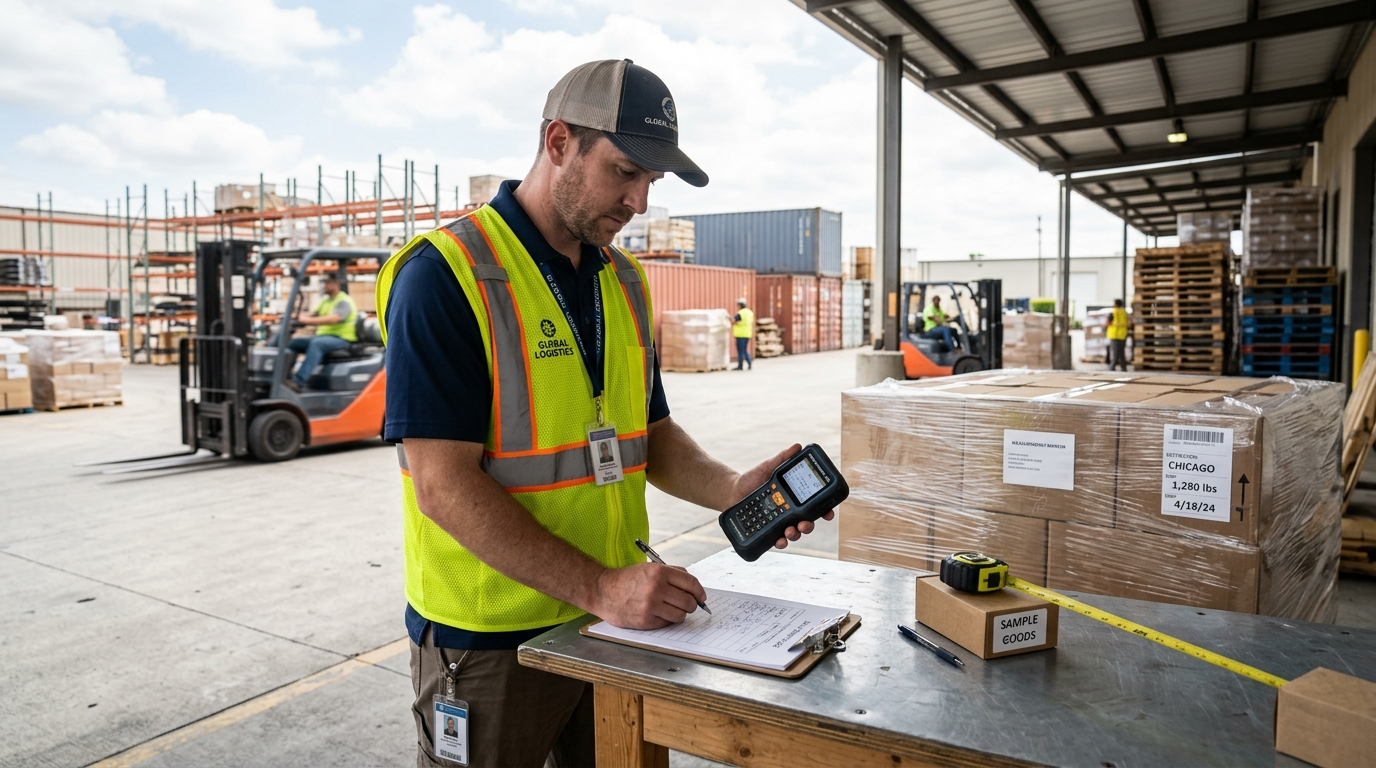
Additional Resources
To enhance the effectiveness of freight density calculations and shipping optimization, Amazon FBA sellers can utilize various online tools and resources. Here are some recommended freight density calculators and additional reading materials:
- Freight Density Calculators
- Easy Freight Density Calculator: A user-friendly tool that helps calculate freight density based on weight and volume inputs.
- Freightos Density Calculator: A comprehensive tool offering insights into dimensional weight pricing alongside standard freight density calculations.
- ShipGooder: This calculator allows sellers to compare shipping costs based on different freight density scenarios.
- Shipping Optimization Tools
- Easyship: A platform providing shipping solutions, including freight density analysis and cost-saving strategies for e-commerce businesses.
- ShipStation: This tool integrates with e-commerce platforms to streamline shipping processes, offering insights on freight density and cost optimization.
- Further Reading on Shipping Optimization
- Amazon Seller Central: The official resource for Amazon sellers, featuring guidelines on shipping best practices and cost management.
- Practical Guide to Freight Density: An online article detailing the importance of freight density in logistics and how it affects shipping costs.
By utilizing these tools and resources, Amazon FBA sellers can gain valuable insights into their shipping strategies, ensuring they avoid overpaying for logistics while maximizing profitability.
| Resource Type | Resource Name | Description |
|---|---|---|
| Calculator | Easy Freight Density Calculator | User-friendly tool for calculating freight density. |
| Calculator | Freightos Density Calculator | Comprehensive calculator with dimensional weight pricing insights. |
| Calculator | ShipGooder | Compare shipping costs based on different freight density scenarios. |
| Tool | Easyship | Shipping solutions platform with freight density analysis. |
| Tool | ShipStation | Integrates with e-commerce platforms to streamline shipping. |
| Reading | Amazon Seller Central | Official resource for guidelines on shipping best practices. |
| Reading | Practical Guide to Freight Density | Online article discussing freight density importance in logistics. |
Final Words
Final Words
Understanding freight density is crucial for Amazon FBA sellers aiming to optimize their shipping costs. By effectively calculating freight density, sellers can uncover opportunities to reduce expenses and improve shipping efficiency. Utilizing a freight density calculator ensures accurate assessments, helping to avoid common pitfalls that lead to overpayment.
Real-world examples demonstrate how precise freight density calculations result in significant cost savings, empowering sellers to make informed decisions. By leveraging the right tools and strategies, sellers can streamline their logistics processes. Ultimately, mastering freight density will enhance profitability and create a smoother shipping experience. Embrace the Freight Density Calculator: How to Avoid Overpaying for Amazon FBA Shipping as a valuable asset in your logistics toolkit.
FAQ
Q: What is freight density?
A: Freight density is the ratio of weight to volume in a shipment. It is crucial for determining shipping costs, as higher density often leads to lower rates.
Q: Why is freight density significant in logistics?
A: Freight density significantly impacts shipping costs, as carriers charge based on the space occupied and weight. Understanding it helps optimize logistics and reduce expenses.
Q: How do you calculate freight density?
A: To calculate freight density, use the formula: Density = Weight (lbs) / Volume (cubic feet). Consider product shape and packaging when performing this calculation.
Q: What are common mistakes in Amazon FBA shipping?
A: Common mistakes include underestimating volumetric weight and not optimizing packaging. These errors can lead to unnecessary costs in shipping and logistics.
Q: How can sellers avoid overpaying in FBA shipping?
A: Sellers can avoid overpaying by using accurate freight density calculations, optimizing packaging, and being aware of volumetric weight to improve shipping efficiency.
Q: What are some examples of freight density success stories?
A: Case studies demonstrate significant cost savings through precise freight density calculations, showcasing effective shipping strategies that lowered overall shipping expenses.
Q: Where can I find additional freight density resources?
A: Additional resources include online freight density calculators and articles on shipping optimization strategies that can assist Amazon sellers in improving their logistics operations.
Ready to Optimize Your Amazon Shipping?
Get 3 route options tailored to your products and timeline
Get Your Quote→