Freight Forwarders in Texas vs China-Based Forwarders: Key Insights


In the world of Amazon FBA, choosing the right freight forwarder can make or break a seller’s success. Should sellers lean towards Texas-based forwarders for their proximity to fulfillment centers, or do the cost advantages of China-based options reign supreme? This blog post explores the pros and cons of these two freight forwarding strategies, helping FBA sellers navigate the complexities of international shipping. By the end, readers will gain valuable insights into which option aligns best with their logistics goals, ensuring a streamlined import process that enhances their bottom line.
Freight Forwarders in Texas vs China-Based Forwarders: Key Insights
Freight forwarders serve as intermediaries between sellers and logistics providers, facilitating the movement of goods across international borders. For Amazon FBA sellers, choosing the right freight forwarder is crucial for optimizing shipping efficiency, cost-effectiveness, and compliance with regulatory requirements.
Role of Freight Forwarders
- Definition: Freight forwarders manage the logistics of transporting goods from the point of origin to the destination, handling various shipping methods, documentation, and customs clearance.
- Importance for FBA Sellers:
- Streamline supply chain operations.
- Ensure compliance with import regulations.
- Provide guidance on shipping methods tailored to product type and market.
Comparative Overview
| Factor | Texas-Based Forwarders | China-Based Forwarders |
|---|---|---|
| Cost | Generally higher due to local operational expenses. | Typically lower due to competitive pricing structures. |
| Shipping Speed | Faster transit times to US fulfillment centers. | Longer shipping times due to distance and logistics. |
| Supplier Access | Limited access to global suppliers. | Broader access to manufacturers and suppliers. |
| Communication | Easier communication with local agents. | Potential language barriers and time zone differences. |
| Customs Handling | Familiarity with US customs regulations. | Complex customs procedures may require additional documentation. |
Understanding these key insights allows FBA sellers to weigh their options based on specific needs, budget constraints, and logistical requirements. Choosing between Texas-based and China-based freight forwarders ultimately depends on the seller’s operational priorities and market strategy.
Pros of Freight Forwarders in Texas for FBA
- Proximity to Fulfillment Centers:
Texas-based freight forwarders are strategically located near major Amazon fulfillment centers. This proximity leads to shortened transit times, significantly reducing the risk of delays in shipping. Sellers can expect quicker replenishment of stock, which is crucial for maintaining inventory levels and meeting customer demand.
- Faster Shipping Times:
Utilizing Texas-based freight forwarders can result in an average shipping time reduction of 2-5 days compared to international alternatives. This speed is particularly beneficial during peak selling seasons or when launching new products, allowing sellers to capitalize on market trends and maximize revenue potential.
- Better Communication:
Collaboration with local logistics providers enhances communication and coordination throughout the shipping process. Texas-based forwarders understand regional logistics intricacies and customs requirements, facilitating smoother operations. Immediate access to local agents enables real-time problem resolution and streamlined information exchange, which is vital for maintaining supply chain efficiency.
- Compliance with Local Regulations:
Texas forwarders are well-versed in U.S. import regulations and compliance standards. This knowledge assists sellers in navigating the complexities of customs requirements and ensures that all documentation is accurate and timely, reducing the likelihood of customs delays or penalties.
- Reduced Risk of Damage:
The shorter distance and quicker transit times also minimize the risk of product damage during shipping. With less time in transit, products are less likely to be exposed to conditions that could impact their quality, thereby enhancing customer satisfaction and reducing return rates.
| Advantage | Description |
|---|---|
| Proximity to Fulfillment Centers | Shortened transit times and reduced risk of delays. |
| Faster Shipping Times | Average shipping time reduction by 2-5 days. |
| Better Communication | Enhanced collaboration with local logistics providers. |
| Compliance with Local Regulations | Expertise in U.S. import regulations and customs requirements. |
| Reduced Risk of Damage | Less time in transit minimizes potential product damage. |
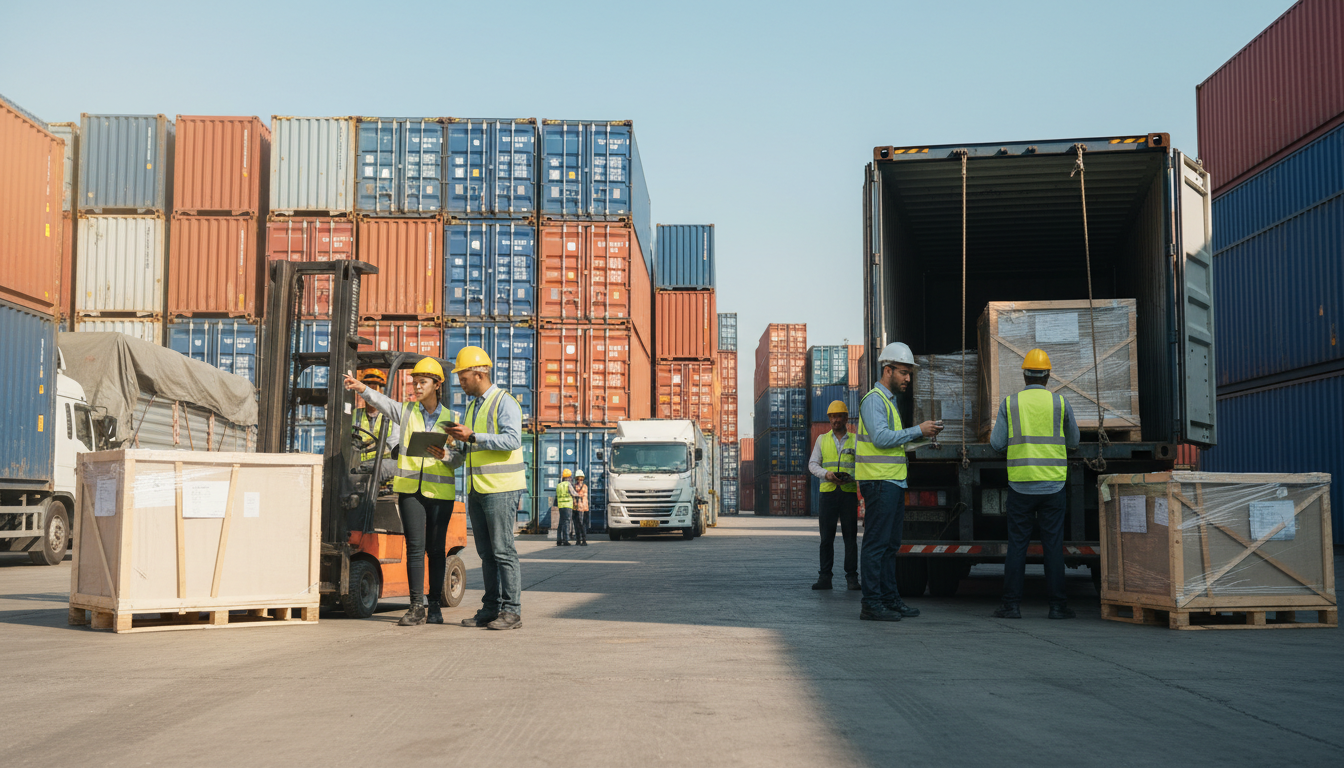
Cons of Freight Forwarders in Texas for FBA
- Higher Costs:
Texas-based freight forwarders typically charge higher fees, often 10-20% more than their China-based counterparts. This cost differential arises from local operational expenses, including labor and infrastructure. For Amazon FBA sellers, these increased shipping costs can significantly impact profit margins, especially for products with lower price points.
- Limited Supplier Access:
Texas freight forwarders often have fewer sourcing options compared to those based in China. While they may offer reliable shipping services, the limited access to a broader range of manufacturers can hinder sellers’ ability to diversify their product offerings. This restriction may force sellers to compromise on quality or pricing, ultimately affecting competitiveness in the marketplace.
- Dependence on Local Market:
Sellers utilizing Texas-based forwarders may find themselves reliant on the local market for sourcing, which can lead to challenges in product availability or innovation. The dynamic nature of international trade means that sellers could miss out on emerging trends or cost-effective products sourced from China.
- Potential for Delayed Shipments:
While Texas-based forwarders provide proximity to U.S. fulfillment centers, they may still face delays due to domestic logistics issues or increased demand. Such delays can disrupt inventory management strategies, leading to stockouts and potential loss of sales on the Amazon platform.
| Disadvantage | Description |
|---|---|
| Higher Costs | Fees can be 10-20% more than China-based options. |
| Limited Supplier Access | Fewer sourcing options compared to Chinese suppliers. |
| Dependence on Local Market | Reliance on the local market may hinder product diversity. |
| Potential for Delayed Shipments | Domestic logistics issues may still cause delays. |
Pros of China-Based Forwarders for FBA
- Lower Costs:
China-based freight forwarders typically offer shipping rates that are 30-50% cheaper than their Texas counterparts. This cost advantage stems from lower operational expenses, competitive pricing, and the ability to leverage economies of scale when dealing with international shipments. For FBA sellers focused on maximizing profit margins, this is a significant consideration.
- Access to Suppliers:
China is home to thousands of manufacturers across various industries, providing a vast pool of sourcing options for FBA sellers. This access allows sellers to find competitive pricing and diverse product offerings, enabling them to scale their inventory quickly. With the right freight forwarder, sellers can easily coordinate shipments from multiple suppliers, streamlining the sourcing process.
- Established Relationships:
Many China-based freight forwarders have established relationships with local manufacturers, which can lead to more reliable and efficient shipping processes. These relationships often result in better communication, smoother negotiations, and priority handling of shipments. Sellers can benefit from the freight forwarder’s expertise in navigating local customs and logistics challenges, ensuring a more seamless import experience.
- Comprehensive Service Offerings:
Many China-based freight forwarders provide a range of services beyond just transportation, including cargo insurance, quality inspections, and customs clearance assistance. This comprehensive approach helps reduce the burden on FBA sellers, especially those who may lack experience in international logistics. By consolidating services with a single provider, sellers can simplify their supply chain management.
- Flexibility in Shipping Options:
China-based forwarders often offer various shipping methods tailored to specific needs, such as air freight for urgent deliveries or sea freight for cost-effective bulk shipments. This flexibility allows sellers to choose the most suitable option based on their inventory management strategy and market demands.
| Advantages | Description |
|---|---|
| Lower Costs | Shipping rates 30-50% cheaper than Texas-based options. |
| Access to Suppliers | Thousands of manufacturers available for diverse products. |
| Established Relationships | Built-in trust and reliability with local manufacturers. |
| Comprehensive Services | Cargo insurance, quality inspections, and customs support. |
| Flexibility in Shipping | Various shipping methods to suit different business needs. |
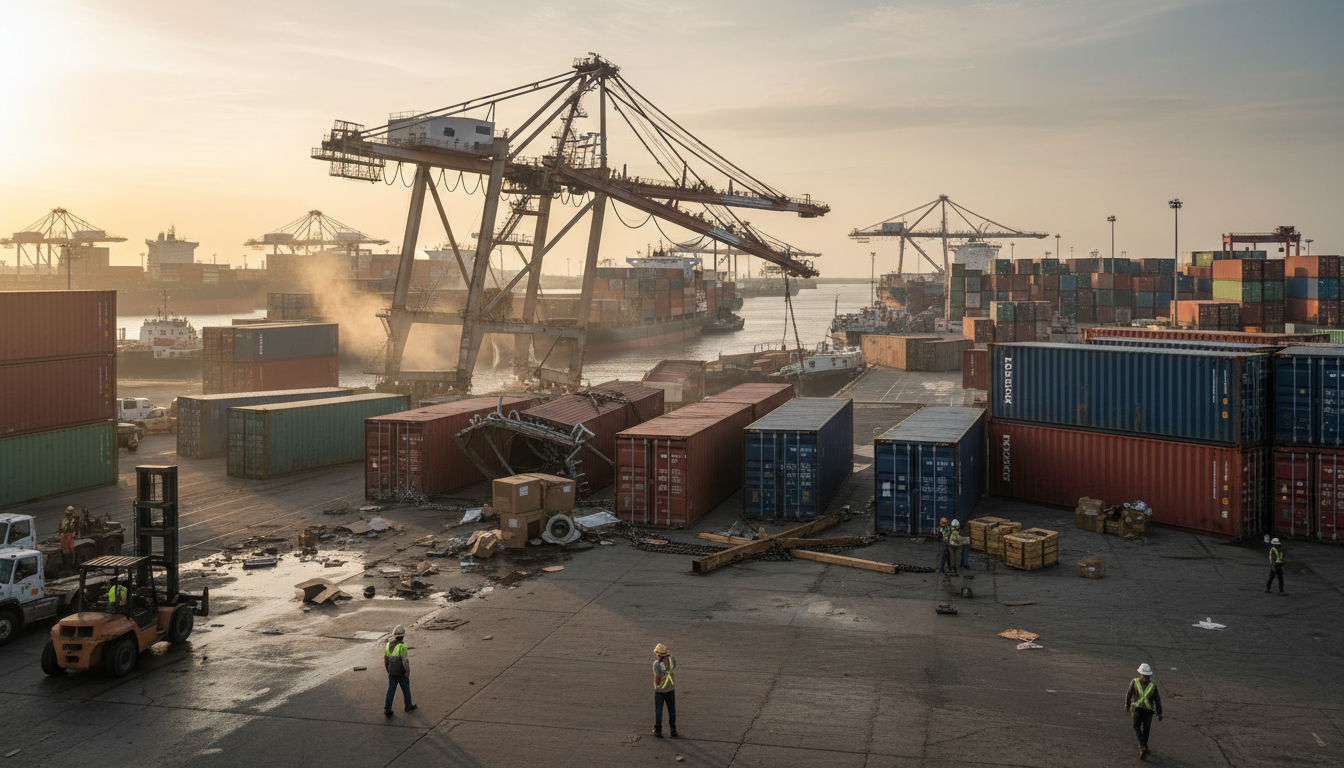
Cons of China-Based Forwarders for FBA
- Longer Shipping Times:
When utilizing China-based freight forwarders, average shipping times can increase by 10-14 days compared to domestic alternatives. This extended transit period can significantly impact inventory levels and order fulfillment for FBA sellers, particularly during high-demand seasons when rapid restocking is critical.
- Language Barriers:
Communication can be a challenge with China-based freight forwarders due to language differences. Misunderstandings may arise, leading to errors in shipping instructions, documentation, or compliance requirements. These issues can further complicate the logistics process and create delays.
- Complex Customs Processes:
Navigating the customs landscape can be daunting when working with China-based forwarders. The required documentation, such as commercial invoices and packing lists, must be precise to avoid shipment holds. Failure to comply with customs regulations may lead to additional fees, delays, or even shipment rejections, creating uncertainty and potential financial loss for sellers.
- Time Zone Differences:
The time zone difference between the U.S. and China can hinder timely communication and responsiveness. This delay in feedback can slow down decision-making processes, affecting shipment schedules and overall efficiency.
- Increased Risk of Damage or Loss:
Longer transit times and complex logistics increase the risk of cargo damage or loss. Managing claims for lost or damaged goods can be a cumbersome process, further complicating the supply chain for FBA sellers.
| Challenge | Impact on FBA Sellers |
|---|---|
| Longer Shipping Times | Delayed inventory replenishment and potential stockouts. |
| Language Barriers | Increased risk of miscommunication and errors. |
| Complex Customs Processes | Risk of delays, additional fees, or shipment rejections. |
| Time Zone Differences | Slower communication and decision-making. |
| Increased Risk of Damage or Loss | Complicated claims process and potential financial losses. |
Key Considerations for FBA Sellers
Inventory Management
Effective inventory management is critical for Amazon FBA sellers to maintain optimal stock levels and avoid stockouts or overstock situations. Sellers should implement inventory forecasting tools that analyze sales trends and seasonality to plan shipments accordingly. Utilizing a just-in-time inventory strategy can help reduce storage fees at Amazon fulfillment centers while ensuring products are readily available when demand peaks.
Shipping Efficiency
Balancing cost and speed is vital for FBA sellers. Choosing the right freight method based on product type and market demand can optimize shipping efficiency. For instance, air freight may be preferred for high-demand items requiring rapid restocks, while sea freight is more suitable for bulk shipments of lower-cost products. Sellers should also consider multi-modal shipping options to leverage the strengths of both air and ocean freight, allowing for flexible responses to market fluctuations without compromising on delivery speed.
Case Studies
Examining real-world examples can provide valuable insights for FBA sellers evaluating freight forwarders. For instance, a seller focusing on seasonal products used a Texas-based forwarder to ensure timely shipments during peak holiday seasons, significantly increasing sales due to rapid replenishment. Conversely, another seller opted for a China-based forwarder to capitalize on lower costs when launching a new product line, despite longer transit times. These case studies illustrate the importance of aligning freight forwarding choices with specific business needs and operational strategies.
| Consideration | Texas-Based Forwarders | China-Based Forwarders |
|---|---|---|
| Inventory Management | Faster restock capabilities, reducing out-of-stock risks. | Lower shipping costs can affect cash flow management. |
| Shipping Efficiency | Quicker transit times, ideal for high-demand products. | More cost-effective for bulk shipments, but slower. |
| Case Studies | Successful seasonal strategy with faster logistics. | Cost-saving strategies with longer lead times. |
By carefully considering these factors, FBA sellers can make informed decisions when selecting freight forwarders that align with their business goals and operational requirements.

Final Words
Final Words
Understanding the dynamics between freight forwarders in Texas and their China-based counterparts is crucial for optimizing FBA logistics. Texas forwarders offer faster shipping and improved communication, yet they come with higher costs and limited supplier access. Conversely, China-based forwarders provide cost advantages and a wider selection of manufacturers, but may introduce longer shipping times and complex customs processes.
FBA sellers must weigh these pros and cons carefully. By considering factors like inventory management and shipping efficiency, they can make informed decisions that enhance their supply chain. Ultimately, selecting the right freight forwarder is vital for achieving a smooth and successful import process. Embracing the right logistics strategy can significantly improve operational efficiency and profitability in the competitive Amazon marketplace.
FAQ
Q: What is the role of freight forwarders for FBA sellers?
A: Freight forwarders facilitate the shipment of goods for FBA sellers, managing logistics, customs clearance, and transportation to ensure efficient delivery to Amazon fulfillment centers.
Q: What advantages do Texas-based freight forwarders offer for FBA?
A: Texas freight forwarders provide proximity to fulfillment centers, faster shipping times, and improved communication with local logistics providers, enhancing overall operational efficiency.
Q: What are the potential drawbacks of using Texas freight forwarders?
A: Disadvantages include higher costs, which can be 10-20% more than China-based options, and limited access to a broader range of global suppliers.
Q: What benefits do China-based freight forwarders provide for FBA sellers?
A: China-based forwarders offer lower shipping costs, access to a wide variety of suppliers, and established relationships with manufacturers, which can enhance sourcing efficiency.
Q: What challenges do FBA sellers face when using China-based freight forwarders?
A: Challenges include longer shipping times, potential language barriers causing miscommunication, and complex customs processes that require detailed documentation.
Q: What key considerations should FBA sellers keep in mind regarding freight forwarding?
A: FBA sellers should focus on inventory management strategies, shipping efficiency balancing cost and speed, and learning from case studies of successful logistics solutions.
Ready to Optimize Your Amazon Shipping?
Get 3 route options tailored to your products and timeline
Get Your Quote→