How Import Duties Work for Amazon FBA Sellers Shipping from China


Navigating the complexities of import duties can feel like walking a tightrope for Amazon FBA sellers shipping from China. With varying tax rates and strict compliance requirements, understanding these duties is not just a formality; it’s a necessity that can make or break a seller’s profitability. Import duties are taxes imposed on goods entering a country, and their impact on shipping costs is significant. This post aims to demystify import duties, outlining their definitions, importance, and calculation methods, equipping sellers with the knowledge to optimize their logistics and pricing strategies effectively.
Understanding Import Duties
- Definition of Import Duties
- Import duties are taxes levied on goods coming into a country.
- They are calculated based on the total value of the shipment.
- Different products have different duty rates, determined by classification under the Harmonized System (HS) code.
- Importance for Amazon FBA Sellers
- Crucial for cost management in pricing strategies, as higher duties can significantly increase the cost of goods sold.
- Affect profitability and competitive pricing on Amazon; sellers must incorporate these duties into their pricing models to maintain margins.
- Non-compliance can lead to delays in customs clearance, fines, and potentially the seizure of goods, which can disrupt inventory flow and sales.
| Product Type | Typical Duty Rate |
|---|---|
| Electronics | 0-10% |
| Clothing | 10-30% |
| Toys | 0-15% |
| Household Goods | 5-20% |
How Import Duties are Calculated
- Determining the Value of Goods
- The total value of goods includes the invoice value, shipping costs, and insurance.
- Accurate classification using HS codes is crucial for determining the correct duty rate and ensuring compliance with customs regulations.
- Duty Rates and Tariffs
- Duty rates vary significantly by product category and are established by the destination country’s customs authority.
- Sellers should refer to the tariff schedules provided on official customs websites to determine applicable rates for their specific products.
- Additional Fees to Consider
- Sellers should also account for handling fees, VAT, and any other associated customs charges that may arise during importation.
- Understanding these additional fees helps in accurately forecasting total shipping costs and avoiding unexpected expenses.
| Fee Type | Description | Typical Amount |
|---|---|---|
| Handling Fee | Charge by customs for processing the shipment. | $50 – $200 |
| VAT | Value-added tax imposed on imported goods. | 0% – 25% depending on the country |
| Customs Bond Fee | Fee for securing the customs bond required for imports. | $100 – $500 |
| Brokerage Fee | Fee charged by customs brokers for handling customs clearance. | $100 – $300 |
Steps to Calculate Import Duties for Your Shipments
- Step-by-Step Calculation Guide
- Identify the Total Value of Your Shipment
- This includes the purchase price of the goods, shipping costs, and any insurance fees associated with the shipment.
- Determine the Applicable Duty Rate Based on the HS Code
- Use the Harmonized System (HS) code to classify your product accurately.
- Refer to the relevant customs tariff schedule to find the corresponding duty rate.
- Calculate VAT or Other Additional Fees, If Applicable
- Depending on the destination country, you may need to calculate VAT or additional customs fees.
- Check local regulations for any specific fees that may apply.
- Sum These Values for the Total Import Duty Cost
- Add the calculated duty and any additional fees to determine the total import duty cost for your shipment.
- Useful Tools and Calculators
- Online duty calculators can simplify the process of calculating import duties.
- Recommended software tools designed for Amazon sellers can help track and calculate import duties efficiently.
- When using these tools, ensure you have accurate product information and HS codes to get reliable estimates.
| Tool Type | Description |
|---|---|
| Online Duty Calculator | Web-based tools that calculate import duties based on product value and HS code. |
| Customs Brokerage Software | Platforms that assist with customs documentation and duty calculations. |
| Inventory Management Tools | Software that integrates with Amazon to provide duty estimates and track costs. |
Compliance and Regulations
- Required Documentation for Customs
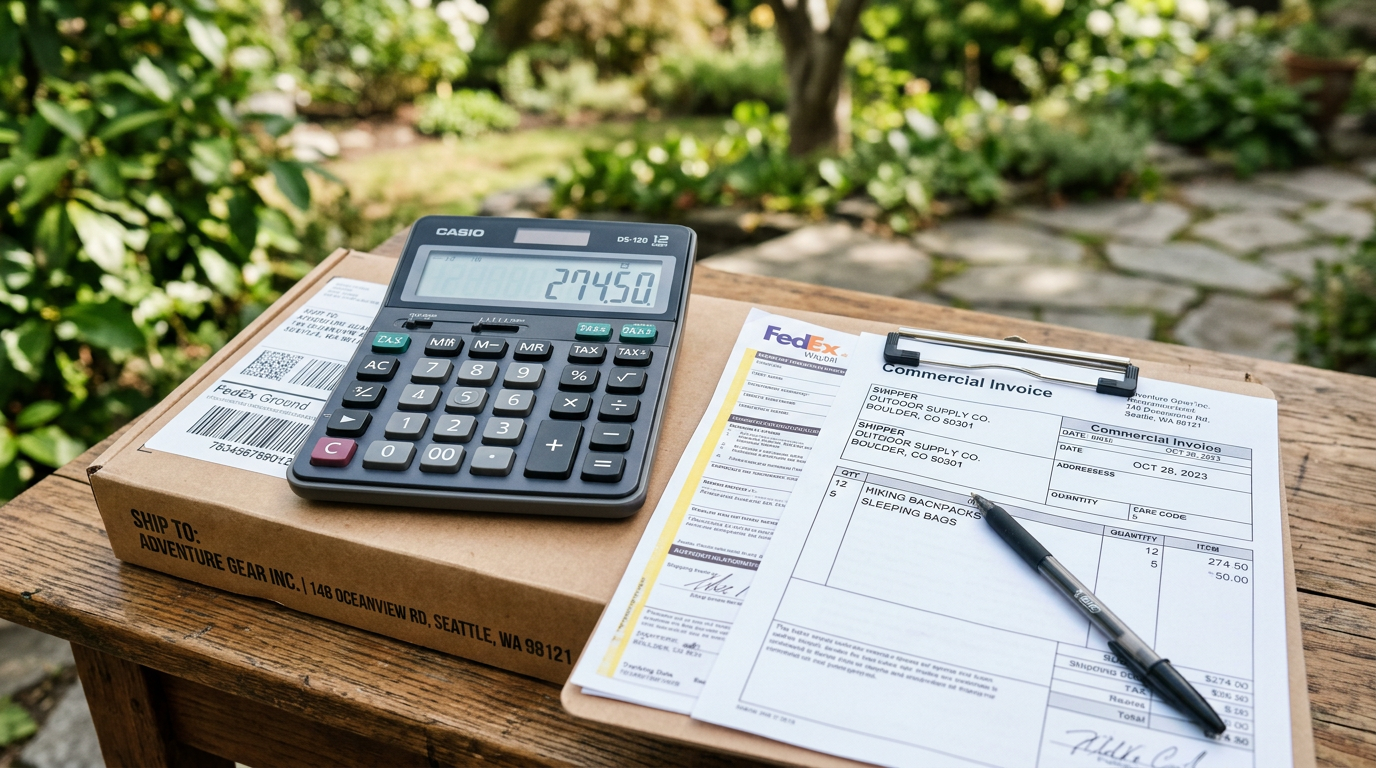
- Commercial Invoice: A detailed document that includes the seller’s and buyer’s information, product descriptions, quantities, and pricing.
- Packing List: Outlines the contents of each package, including weights and dimensions, to facilitate customs inspection.
- Bill of Lading: A legal document between the shipper and carrier detailing the type, quantity, and destination of the goods being carried.
- Importance of Accurate HS Code Classification: HS codes are crucial for determining the applicable duty rates. Accurate classification ensures compliance and avoids delays due to incorrect duty assessments.
- Tips for Ensuring Compliance
- Verify Product Compliance with Local Regulations: Ensure that the products meet safety and regulatory standards of the destination country, such as CE marking or FDA approval.
- Maintain Accurate Records of Shipments and Duties Paid: Keep organized records of all customs documents, invoices, and payment receipts to streamline the customs process and resolve any disputes.
- Engage Customs Brokerage Services for Complex Shipments: Utilize customs brokers to navigate intricate regulations, especially for high-value or restricted items, which can simplify the clearance process and reduce the risk of penalties.
- Checklist of Compliance Steps for Sellers
- Documentation: Ensure all necessary documents are prepared and accurate.
- Product Compliance: Verify that products adhere to local laws and regulations.
- Record Keeping: Maintain thorough records of all transactions and communications with customs.
- Brokerage Services: Consider hiring a customs broker for assistance with complex shipments.
| Document Type | Description |
|---|---|
| Commercial Invoice | Details seller and buyer information, product details, and pricing. |
| Packing List | Outlines the contents and specifics of each shipment package. |
| Bill of Lading | Legal document confirming the carriage of goods and their destination. |
Impact on Pricing and Profit Margins
- Adjusting Your Pricing Strategy
- Amazon FBA sellers should incorporate import duties into their overall pricing model to avoid eroding profit margins.
- Conduct a competitive pricing analysis to ensure that prices remain attractive while still covering the added costs associated with duties. This can involve adjusting the base price or exploring alternative sourcing strategies to mitigate duty impacts.
- Case Studies of Duty Impact on Products
- For example, electronics often carry a duty rate between 0-10%. If a seller imports a smartphone valued at $300 with a 5% duty, the total cost before shipping would be $315. This adjustment must be reflected in the selling price to maintain profitability.
- In contrast, clothing items, which can have duty rates of 10-30%, significantly affect the final pricing. A $50 shirt with a 25% duty would cost $62.50 before shipping, necessitating careful consideration in setting the retail price to ensure sales viability.
| Product Category | Duty Rate | Price Impact |
|---|---|---|
| Electronics | 0-10% | Increases total cost by $15 (for a $300 item at 5% duty) |
| Clothing | 10-30% | Increases total cost by $12.50 (for a $50 item at 25% duty) |
| Toys | 0-15% | Increases total cost by $7.50 (for a $50 item at 15% duty) |
| Household Goods | 5-20% | Increases total cost by $10 (for a $50 item at 20% duty) |
- Understanding the impact of import duties on product pricing is essential for Amazon FBA sellers. By strategically adjusting prices and accounting for these costs, sellers can ensure they remain competitive while protecting their profit margins.
Resources for Amazon FBA Sellers
- Links to Official Customs Websites
- U.S. Customs and Border Protection (CBP)
- European Commission Taxation and Customs Union
- Canada Border Services Agency (CBSA)
- Customs authorities of key importing countries should be regularly consulted for updates on tariff changes and import regulations.
- Recommended Tools for Managing Duties
- Duty Calculation Software: Tools like SimplyDuty or DutyCalculator can help sellers accurately estimate import duties based on product classification and country of origin.
- Community Forums: Amazon Seller Central forums and Reddit groups are useful for sharing experiences and strategies regarding import duties.
- Educational Resources: E-books and webinars focused on international shipping and compliance provide in-depth knowledge about import duties and best practices for managing them.
- Summary of Key Resources
- Customs Websites: Ensure compliance and stay informed on regulations.
- Duty Calculators: Tools to estimate duties ahead of shipping.
- Seller Community Forums: Platforms for advice and shared experiences.
- Educational Materials: Resources for continuous learning about import duties and customs regulations.
| Resource Type | Description |
|---|---|
| Customs Websites | Official sites for regulations and updates on tariffs. |
| Duty Calculators | Tools for estimating import duties based on product specifics. |
| Seller Community Forums | Online platforms for collaboration and advice among sellers. |
| Educational Materials | Webinars and e-books providing insights into import duties and logistics. |

Final Words
Final Words
Understanding import duties is essential for Amazon FBA sellers shipping from China. The process involves calculating duties, knowing compliance regulations, and adjusting pricing strategies to maintain profitability.
Import duties directly impact shipping costs, making it crucial to grasp their implications. By following a structured approach to calculate these duties, sellers can avoid delays and penalties.
Utilizing resources such as customs websites and duty calculators will enhance confidence in managing international shipments. Mastering how import duties work for Amazon FBA sellers shipping from China ultimately leads to a smoother logistics experience and greater business success.
FAQ
Q: What are import duties?
A: Import duties are taxes imposed on goods entering a country, calculated based on the total shipment value, varying by product type and origin.
Q: Why are import duties important for Amazon FBA sellers?
A: Import duties are crucial for cost management, affecting pricing strategies, profitability, and compliance. Non-compliance can lead to delays and fines.
Q: How are import duties calculated?
A: Duties are calculated based on the value of goods, specific duty rates, and additional fees such as VAT and handling charges.
Q: What factors determine the value of goods for duty calculation?
A: The value includes the invoice price, shipping costs, and insurance, requiring accurate HS codes for proper classification.
Q: What additional fees should sellers consider when calculating import duties?
A: Sellers should account for handling fees, VAT, and other customs charges, often summarized in a table for clarity.
Q: What are the steps to calculate import duties for shipments?
A: Steps include identifying shipment value, determining applicable duty rates, calculating VAT, and summing these for total duty costs.
Q: What tools can assist in calculating import duties?
A: Online duty calculators and software tools are available to track import duties, enhancing accuracy and simplifying the calculation process.
Q: What documentation is required for customs clearance?
A: Essential documents include the commercial invoice, packing list, and bill of lading, with accurate HS code classification being vital.
Q: How can sellers ensure compliance with customs regulations?
A: Sellers should verify product compliance, maintain accurate records, and engage customs brokerage services for complex shipments.
Q: How do import duties impact pricing strategies for Amazon sellers?
A: Sellers should incorporate duties into pricing models, conducting competitive analysis to ensure pricing remains attractive while covering costs.
Q: What resources are available for Amazon FBA sellers regarding import duties?
A: Resources include official customs websites, duty calculators, community forums, and educational materials to help manage import duties effectively.
Ready to Optimize Your Amazon Shipping?
Get 3 route options tailored to your products and timeline
Get Your Quote→