How LTL Carriers Work for Amazon FBA Deliveries Efficiently

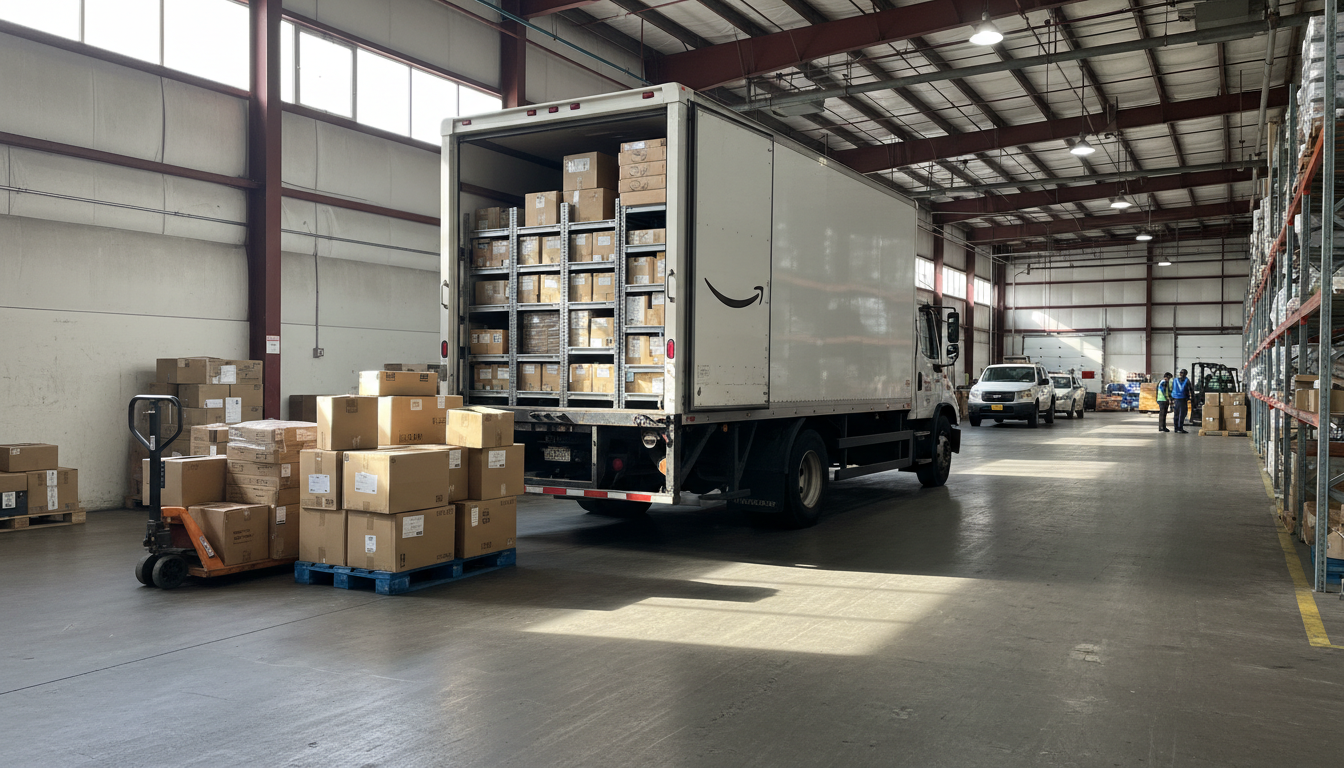
Are Amazon FBA sellers missing out on significant savings and efficiency by ignoring LTL carriers? Less-than-Truckload (LTL) shipping offers a powerful solution for those managing moderate shipment volumes, yet many remain unaware of its benefits. By consolidating smaller loads, LTL carriers not only reduce costs but also enhance operational agility. This post will explore how LTL carriers work, their advantages for Amazon sellers, and practical strategies to maximize their use. Understanding LTL shipping can transform logistics from a headache into a streamlined process, enabling sellers to scale without sacrificing quality or service.
How LTL Carriers Work for Amazon FBA Deliveries Efficiently
LTL (Less Than Truckload) shipping is designed for transporting smaller freight loads that do not require a full truck. This method is particularly advantageous for Amazon sellers with moderate shipment volumes, allowing them to ship products without incurring the costs associated with a Full Truckload (FTL) shipment.
LTL carriers operate by consolidating multiple shipments from various customers into one truckload. This consolidation optimizes costs, as the shipping expenses are shared among multiple shippers, making it a cost-effective solution for e-commerce deliveries. The process involves several key steps:
- Pickup: The LTL carrier schedules a pickup from the seller’s location, ensuring that shipments are collected in a timely manner.
- Consolidation: After pickup, the freight is taken to a terminal where it is consolidated with other shipments destined for similar routes. This step is crucial for maximizing load efficiency.
- Transportation: The consolidated shipments are then transported to the destination terminal. During this phase, the LTL carrier provides tracking information, allowing sellers to monitor their shipments in real-time.
- Final Delivery: Once the freight reaches the destination terminal, it is sorted and dispatched for final delivery to Amazon fulfillment centers. The carrier coordinates the delivery schedule to meet Amazon’s requirements.
The use of LTL shipping enables Amazon sellers to maintain flexibility in their supply chain operations. It allows sellers to scale their shipments based on demand without the need for a full truck, ensuring that inventory levels remain optimized and costs are kept in check.
Overall, LTL carriers play a vital role in the logistics of Amazon FBA, providing an efficient and economical shipping solution for sellers looking to streamline their operations.
Advantages of LTL for Amazon FBA
LTL (Less Than Truckload) shipping provides several key benefits for Amazon FBA sellers, making it an attractive option for managing their logistics needs.
- Cost Efficiency:
- LTL shipping is generally more affordable than Full Truckload (FTL) shipping, particularly for smaller shipments. Since costs are shared among multiple shippers, sellers can save on transportation expenses, allowing for better margins on their products.
- Flexibility and Scalability:
- LTL carriers offer significant flexibility, enabling sellers to adjust shipment sizes based on demand without the commitment of a full truckload. This adaptability helps sellers manage inventory levels more effectively, responding to market fluctuations and seasonal demand without incurring additional costs.
- Reduced Risk of Damage:
- LTL carriers prioritize careful handling and tracking of shipments, which minimizes the risk of product damage during transit. With the ability to monitor shipments in real-time, sellers can address potential issues proactively, ensuring their products arrive at Amazon fulfillment centers in optimal condition.
- Improved Delivery Times:
- Many LTL carriers have established routes and partnerships that can expedite delivery times compared to other shipping methods. This reliability is crucial for Amazon sellers who need to maintain stock levels to meet customer demands efficiently.
- Access to Specialized Services:
- LTL carriers often provide specialized services tailored to the needs of e-commerce businesses, such as expedited shipping options and enhanced tracking capabilities. These services support Amazon sellers in maintaining high service levels and customer satisfaction.
| Benefit | Description |
|---|---|
| Cost Efficiency | More affordable than FTL, especially for smaller shipments. |
| Flexibility and Scalability | Adjust shipment sizes based on demand without committing to full truckloads. |
| Reduced Risk of Damage | Careful handling and tracking minimize product damage during transit. |
| Improved Delivery Times | Established routes can expedite deliveries compared to other methods. |
| Access to Specialized Services | Tailored services like expedited shipping and enhanced tracking for e-commerce needs. |
These advantages make LTL shipping a strategic choice for Amazon FBA sellers, enhancing their logistics operations while providing cost-effective and efficient solutions.
How LTL Shipping Works
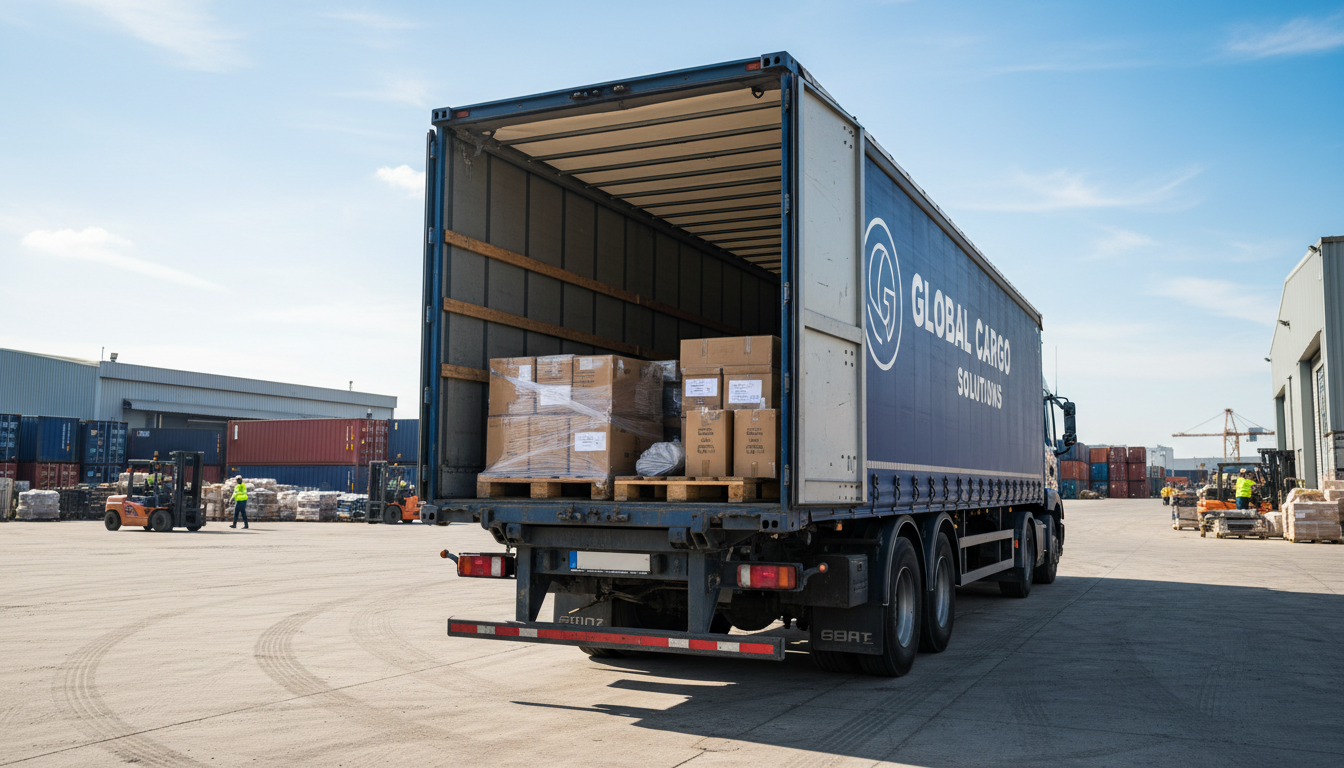
The LTL (Less Than Truckload) shipping process is designed to efficiently handle smaller shipments that do not require an entire truck. This method is particularly beneficial for Amazon FBA sellers who often need to ship moderate volumes of products. The following steps outline how LTL shipping operates:
- Pickup: The process begins with scheduling a pickup from the seller’s location. LTL carriers coordinate with sellers to ensure timely collection of shipments.
- Consolidation at Terminal: After pickup, the freight is transported to a terminal where it is consolidated with other shipments bound for similar destinations. This maximizes the truck’s load efficiency and reduces overall shipping costs.
- Transportation: Once consolidated, the truck departs for the destination terminal. During this phase, LTL carriers provide tracking information, allowing sellers to monitor their shipments in real-time and stay informed about any potential delays.
- Final Delivery: Upon reaching the destination terminal, the shipments are sorted and dispatched for final delivery to Amazon fulfillment centers. The carrier manages the delivery schedule to align with Amazon’s requirements, ensuring compliance with their time-sensitive operations.
Key terminology relevant to LTL shipping includes:
| Term | Description |
|---|---|
| Freight Class | A classification that determines shipping rates based on the product’s characteristics, such as weight, dimensions, and density. |
| Consolidation | The process of combining multiple shipments into one truckload for efficient transportation. |
| Terminal | A facility where freight is sorted, stored, and transferred between different transportation modes. |
| Tracking | Real-time monitoring of shipments, providing updates on the shipment’s status and location. |
Understanding these steps and key terms allows Amazon sellers to navigate the LTL shipping process effectively, optimizing their logistics operations while minimizing costs and ensuring timely deliveries.
Best Practices for Amazon Sellers
Selecting the right LTL carrier is crucial for optimizing shipping operations for Amazon FBA. Here are actionable best practices to enhance efficiency and ensure compliance:
- Research Carrier Ratings:
- Assess potential LTL carriers based on their service reliability and performance ratings. Utilize platforms that provide reviews and ratings from other e-commerce sellers to gauge the carriers’ reputation and customer service.
- Understand Cost Structures:
- Request quotes from multiple LTL carriers to compare pricing. Pay attention to base rates, fuel surcharges, accessorial charges, and any additional fees that may apply. Understanding these costs will help in budgeting and cost management.
- Prepare Shipments Properly:
- Ensure all shipments are labeled correctly according to Amazon’s guidelines. This includes proper barcoding, product descriptions, and any necessary documentation. Packing should meet Amazon’s packaging requirements to prevent issues during delivery.
- Schedule Pickups in Advance:
- Coordinate with the selected LTL carrier to schedule pickups well in advance. This ensures that shipments are collected on time, reducing delays and aligning with Amazon’s inventory replenishment needs.
- Utilize Tracking Systems:
- Leverage the tracking tools provided by LTL carriers to monitor shipments in real-time. This visibility allows sellers to stay informed about their shipments’ status, anticipate potential delays, and proactively address any issues that may arise.
- Maintain Communication with Carriers:
- Establish clear communication channels with the LTL carrier. Regular updates and check-ins can help ensure that any potential problems are quickly identified and resolved, thereby minimizing disruptions to the shipping process.
- Document Everything:
- Keep thorough records of all shipping documents, including bills of lading, invoices, and correspondence with the carrier. This documentation will be invaluable for resolving disputes or issues that may arise during transit.
By implementing these best practices, Amazon sellers can enhance their shipping efficiency with LTL carriers, ensuring timely deliveries and compliance with Amazon’s requirements.

Challenges and Considerations
LTL (Less Than Truckload) shipping presents several challenges for Amazon FBA sellers that must be managed effectively to ensure smooth operations.
- Potential Delays:
- One of the main challenges is the potential for delays due to the consolidation of shipments. Since LTL carriers combine multiple shipments, the process can add additional transit time. Sellers need to account for this when planning inventory levels and delivery timelines, especially during peak seasons.
- Understanding Pricing Structures:
- Pricing for LTL shipping can be complex and varies greatly based on factors such as distance, weight, and freight class. Sellers must familiarize themselves with these variables to accurately estimate shipping costs and avoid unexpected expenses. Engaging with a knowledgeable freight forwarder can help clarify these pricing mechanisms.
- Effective Communication:
- Clear communication with LTL carriers is essential for navigating the challenges of LTL shipping. Sellers should maintain an open line of communication regarding shipping schedules, any changes in delivery instructions, and tracking updates. This proactive approach can help mitigate issues and ensure that shipments arrive on time.
By addressing these challenges head-on, Amazon sellers can optimize their logistics and maintain a competitive edge in the marketplace.
Final Words
Final Words
Implementing LTL shipping can significantly enhance Amazon FBA logistics. By understanding how LTL carriers operate, sellers can optimize their operations while benefiting from cost efficiency and flexibility.
The advantages of LTL, such as reduced damage risk and scalability, make it an attractive option for those with moderate shipment volumes.
However, it’s essential to navigate challenges like potential delays and varying pricing structures.
With the right practices and communication, mastering how LTL carriers work for Amazon FBA deliveries can lead to a more streamlined and successful shipping experience.
FAQ
Q: What is LTL shipping?
A: LTL shipping involves transporting smaller freight loads that do not fill an entire truck, making it suitable for Amazon sellers with moderate shipment volumes.
Q: How do LTL carriers optimize costs?
A: LTL carriers consolidate multiple shipments into one truck, enhancing efficiency and reducing costs for e-commerce deliveries.
Q: What are the advantages of using LTL for Amazon FBA?
A: LTL offers cost efficiency, flexibility in shipment sizes, and reduced risk of product damage due to careful handling and tracking.
Q: How does LTL shipping work for Amazon FBA?
A: The LTL shipping process includes pickup, freight consolidation at a terminal, transportation to the destination, and final delivery to Amazon fulfillment centers.
Q: What is freight class in LTL shipping?
A: Freight class determines shipping costs based on product characteristics, influencing pricing in the LTL shipping process.
Q: How can Amazon sellers choose the right LTL carrier?
A: Sellers should research carrier ratings, reliability, and cost structures to select a suitable LTL carrier for their needs.
Q: What are best practices for shipping with LTL carriers?
A: Proper shipment preparation includes correct labeling, adhering to Amazon’s guidelines, and scheduling pickups in advance for efficiency.
Q: What challenges may arise with LTL shipping?
A: Potential delays due to shipment consolidation and varying pricing structures based on distance and weight can pose challenges for sellers.
Q: How can communication improve LTL shipping outcomes?
A: Effective communication with LTL carriers helps navigate challenges and ensures timely deliveries, enhancing overall shipment management.
Ready to Optimize Your Amazon Shipping?
Get 3 route options tailored to your products and timeline
Get Your Quote→