How to Choose the Right Freight Forwarder for Amazon FBA Effectively


Choosing the wrong freight forwarder can derail an Amazon FBA business, leading to delays, increased costs, and frustrated customers. With numerous options in the market, identifying the right one is crucial for maintaining a smooth supply chain. A well-selected freight forwarder not only manages logistics but also ensures compliance and optimizes shipping costs. This guide will outline essential criteria for evaluating freight forwarders, empowering Amazon sellers to make informed decisions that enhance their operational efficiency and profitability. Understanding these factors can mean the difference between success and setbacks in the competitive e-commerce landscape.
Understanding the Role of a Freight Forwarder for Amazon FBA
Freight forwarders serve as intermediaries between sellers and shipping carriers, managing logistics and transportation to ensure seamless delivery of products to Amazon fulfillment centers. Their expertise is crucial for Amazon FBA sellers navigating complex international shipping requirements. Key responsibilities of freight forwarders include:
- Logistics Management: Freight forwarders coordinate the entire shipping process, from the point of origin to the final destination, ensuring timely and efficient transport.
- Customs Clearance: They handle all customs documentation and procedures, which is vital for compliance with import regulations, ultimately reducing delays and penalties.
- Carrier Negotiation: Freight forwarders negotiate rates and services with various shipping carriers, optimizing costs while ensuring reliability and speed.
- Compliance Assurance: They ensure that all shipments meet destination country regulations, including product safety standards and import duties, minimizing the risk of customs holds.
- Risk Management: Freight forwarders provide cargo insurance options and develop contingency plans to address potential disruptions in the supply chain.
Selecting the right freight forwarder can significantly impact the success of Amazon FBA sellers. By leveraging their services, sellers can focus on growing their business while ensuring that their logistics needs are met efficiently and effectively.
Key Factors to Consider When Choosing a Freight Forwarder for Amazon FBA
When selecting a freight forwarder for Amazon FBA, sellers must evaluate several critical factors to ensure reliable and efficient shipping. Here’s a checklist of key considerations:
- Experience with Amazon FBA:
- Verify that the freight forwarder has substantial experience in handling shipments for Amazon FBA.
- Look for familiarity with Amazon’s specific requirements and guidelines, including labeling, packaging, and shipping protocols.
- Pricing Transparency:
- Assess the pricing model and ensure it is clear without hidden fees.
- Request a detailed quotation covering all potential costs, including freight, customs duties, and additional services.
- Customer Service Quality:
- Evaluate the responsiveness and availability of customer support.
- Ensure they provide dedicated account management for personalized assistance.
- Reliability and Track Record:
- Research reviews and testimonials from other Amazon sellers to gauge the freight forwarder’s reliability.
- Investigate their history of on-time deliveries and handling customs efficiently.
- DDP Solutions:
- Confirm that the freight forwarder offers Delivered Duty Paid (DDP) shipping solutions to simplify import processes.
- This service ensures that all duties and taxes are paid upfront, avoiding surprise fees at delivery.
- Customs Clearance Expertise:
- Ensure the freight forwarder has a strong understanding of customs regulations relevant to the destination country.
- Check their ability to manage documentation and compliance to prevent delays at customs.
- Communication Practices:
- Look for a freight forwarder that maintains open lines of communication throughout the shipping process.
- Real-time tracking updates and proactive notifications about shipment status should be standard.
By carefully assessing these factors, Amazon FBA sellers can choose a freight forwarder that aligns with their logistical needs, ultimately streamlining their supply chain and enhancing operational efficiency.
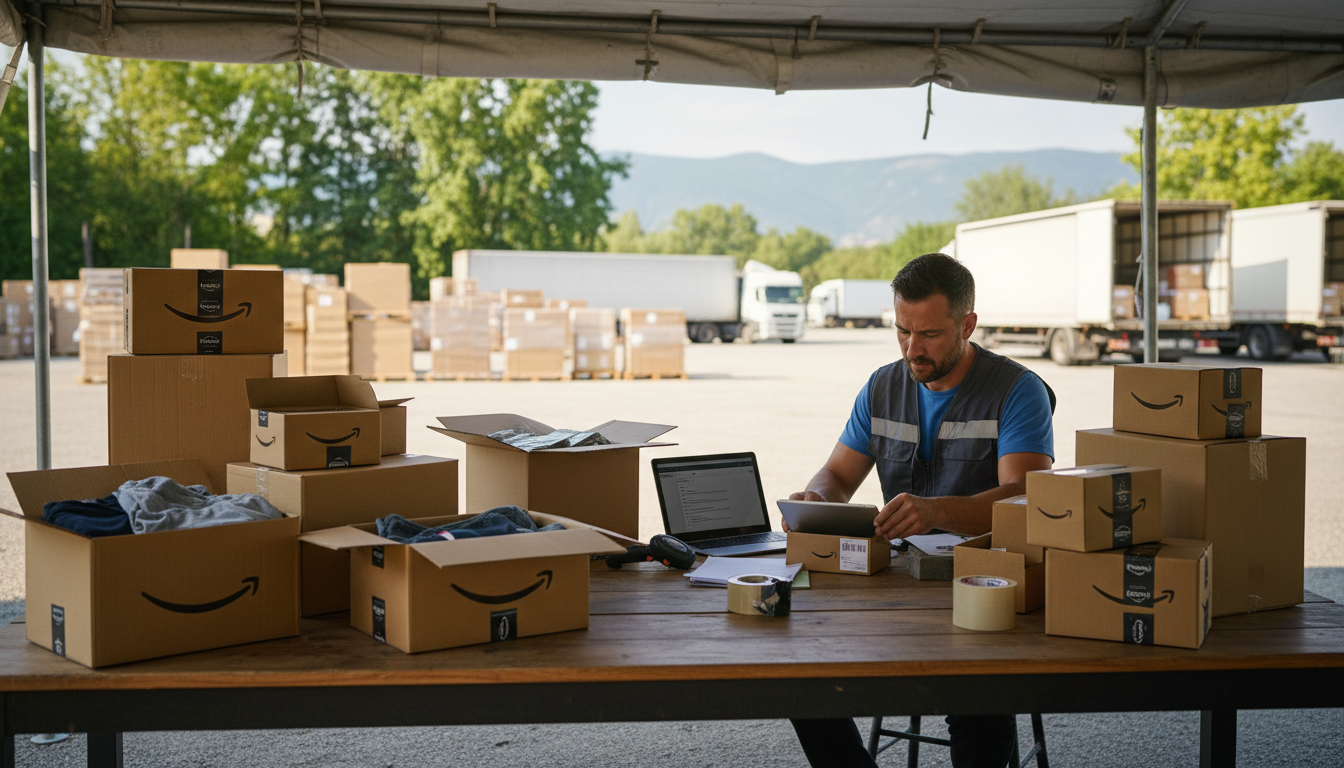
Evaluating Freight Forwarder Performance and Reliability
Assessing the performance and reliability of freight forwarders is essential for Amazon FBA sellers. Effective evaluation involves utilizing specific performance metrics and creating a structured comparison system. Key steps include:
- Timely Deliveries:
- Review historical data on delivery times for each freight forwarder.
- Assess the percentage of on-time deliveries to gauge reliability.
- Customer Feedback:
- Collect testimonials from other Amazon sellers who have used the services of potential freight forwarders.
- Look for patterns in feedback regarding service quality, communication, and problem resolution.
- Freight Forwarder Reviews:
- Research online reviews on platforms dedicated to freight forwarder evaluations.
- Factor in ratings and comments from multiple sources to get a comprehensive view.
- Scoring System Development:
- Create a scoring matrix to objectively evaluate freight forwarders on key criteria. Consider the following criteria for scoring:
| Criteria | Weight (%) | Forwarder A Score | Forwarder B Score | Forwarder C Score |
|---|---|---|---|---|
| Cost | 30 | |||
| Service Quality | 40 | |||
| Responsiveness | 30 |
- Comparison Analysis:
- Assign scores based on the above criteria for each freight forwarder.
- Calculate a weighted total score for each forwarder to determine which offers the best overall performance.
By systematically evaluating freight forwarders based on these metrics, Amazon FBA sellers can make informed decisions that align with their shipping needs and expectations.
Questions to Ask Potential Freight Forwarders
When evaluating potential freight forwarders for Amazon FBA, sellers should ask targeted questions to ensure they choose the right partner. Here’s a comprehensive list of essential questions to consider:
- Experience with Amazon FBA:
- What is your experience in handling shipments specifically for Amazon FBA?
- Can you provide references from other Amazon sellers you’ve worked with?
- Customs Processes:
- How do you handle customs clearance, and what documentation do you require from me?
- What steps do you take to ensure compliance with destination country regulations?
- Insurance Options:
- What insurance options do you offer for my shipments, and what do they cover?
- How do you handle claims for lost or damaged cargo?
- Pricing Structures:
- Can you explain your pricing model? Are there any additional fees I should be aware of?
- How do you calculate shipping costs, and do you offer volume discounts?
- Technology Capabilities:
- What tracking systems do you have in place to monitor shipments in real-time?
- How do you manage documentation digitally, and will I have access to it?
- Communication Practices:
- How frequently will you provide updates on shipment status?
- What is your preferred method of communication for urgent issues?
- Flexibility and Support:
- How do you handle unexpected delays or issues during shipping?
- Are you able to accommodate split shipments or changes in delivery instructions?
These questions will help Amazon sellers assess a freight forwarder’s competency, reliability, and ability to fulfill their specific shipping needs.

Common Pitfalls When Choosing a Freight Forwarder for Amazon FBA
Amazon FBA sellers often encounter several common pitfalls when selecting a freight forwarder, which can lead to costly delays and operational challenges. Understanding these mistakes can help sellers make informed decisions and choose the right logistics partner. Key pitfalls include:
- Selecting Based Solely on Price:
- Focusing only on the lowest shipping rates can compromise service quality and reliability.
- Cheaper options may lack essential services or have hidden fees that increase overall costs.
- Failing to Verify Credentials:
- Not checking the freight forwarder’s licenses, certifications, and industry experience can lead to compliance issues.
- Verify their affiliations with reputable organizations, such as the International Freight Forwarders Association.
- Neglecting to Understand Service Limitations:
- Some freight forwarders may not offer comprehensive services required for Amazon FBA, such as DDP shipping or customs clearance.
- Evaluate their capabilities in handling specific product types and shipping destinations.
- Ignoring References and Reviews:
- Skipping the process of checking references or customer feedback can result in partnering with unreliable forwarders.
- Research online reviews and seek testimonials from other Amazon sellers who have used their services.
- Not Reviewing Contracts Carefully:
- Failing to read and understand the terms of service can lead to unexpected liabilities and service limitations.
- Pay attention to cancellation policies, liability clauses, and dispute resolution processes.
By avoiding these common pitfalls, Amazon FBA sellers can enhance their chances of selecting a competent and reliable freight forwarder that meets their specific logistics needs.
| Pitfall | Consequences |
|---|---|
| Selecting Based Solely on Price | Compromised service quality and potential hidden fees |
| Failing to Verify Credentials | Compliance issues and risks of partnership with unqualified forwarders |
| Neglecting to Understand Service Limitations | Inadequate services leading to shipping delays |
| Ignoring References and Reviews | Risk of unreliable service and operational disruptions |
| Not Reviewing Contracts Carefully | Unexpected liabilities and unfavorable contract terms |
Comparing Freight Forwarders: Services and Pricing
When selecting a freight forwarder for Amazon FBA, it’s essential to compare multiple options based on their services and pricing models. A structured comparison will help sellers identify the most suitable freight forwarder tailored to their specific needs. Key factors to consider include:
- Service Types:
- Air Freight (Express and Standard)
- Sea Freight (FCL and LCL)
- Customs Clearance services
- DDP Shipping solutions
- Warehousing and Storage options
- Pricing Models:
- Flat-rate pricing versus variable pricing
- Per-unit or volumetric weight calculations
- Additional fees for customs clearance, insurance, or special handling
- Delivery Times:
- Average transit times for different shipping methods
- Speed of customs clearance processes
- Customer Support Levels:
- Availability of live support and communication channels
- Responsiveness to inquiries and issues
The following table provides a comparison of services and pricing among different freight forwarders:
| Freight Forwarder | Service Types | Pricing Model | Average Delivery Time | Customer Support |
|---|---|---|---|---|
| Forwarder A | Air, Sea, Customs Clearance | Flat-rate + additional fees | 5-7 days (Air), 20-30 days (Sea) | 24/7 Live Support |
| Forwarder B | Air, DDP Shipping | Variable pricing based on weight | 3-5 days (Air) | Email and Phone Support |
| Forwarder C | Sea, Customs Clearance, Warehousing | Per unit pricing | 25-35 days (Sea) | Business Hours Support |
| Forwarder D | Air, Sea, DDP, Warehousing | Flat-rate with no hidden fees | 4-6 days (Air), 15-25 days (Sea) | Dedicated Account Manager |
By using this comparison framework, Amazon sellers can make informed decisions based on service offerings, pricing transparency, delivery speed, and the quality of customer support. Prioritizing these elements will lead to smoother operations and enhanced performance for their FBA businesses.
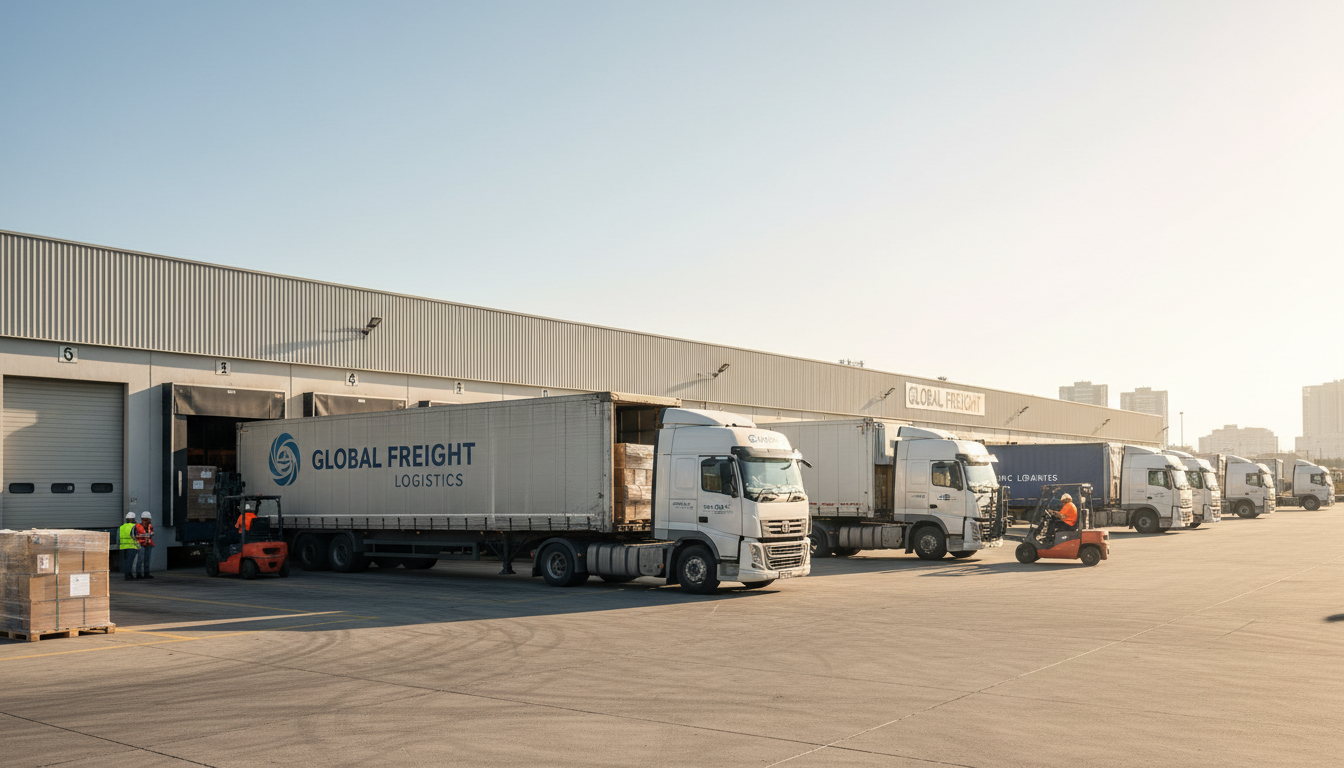
Tips for Streamlining Your Freight Forwarder Selection Process
To effectively choose the right freight forwarder for Amazon FBA, sellers can implement several practical strategies that enhance their selection process and improve logistics efficiency. Here are key tips:
- Utilize Technology Tools:
- Leverage shipment tracking software to monitor the progress of cargo in real-time.
- Use digital platforms for documentation management to ensure all paperwork is readily accessible.
- Maintain Open Communication:
- Establish clear and consistent communication channels with potential freight forwarders.
- Schedule regular check-ins to discuss shipping plans, timelines, and any potential issues.
- Establish Clear Expectations:
- Outline specific requirements and expectations upfront, including delivery timelines, pricing structures, and service levels.
- Craft a Service Level Agreement (SLA) to formalize commitments regarding performance metrics.
- Build Relationships with Multiple Freight Forwarders:
- Develop connections with more than one freight forwarder to create flexibility in your logistics strategy.
- This approach allows for quicker adjustments to shipping plans in response to market changes or disruptions.
- Request Detailed Proposals:
- Ask for comprehensive proposals from potential freight forwarders that include pricing, services offered, and case studies.
- Compare these proposals objectively to determine the best fit for your shipping needs.
- Evaluate Performance and Reliability:
- After initial selection, continuously assess the performance of your freight forwarder against established KPIs.
- Use metrics such as on-time delivery rates and responsiveness to gauge reliability.
Implementing these strategies can streamline the freight forwarder selection process, enabling Amazon sellers to make informed choices that support their business objectives.
Final Words
Final Words
Navigating the complexities of freight forwarding is crucial for Amazon FBA sellers. Understanding the role of freight forwarders, key factors for selection, and performance evaluation can significantly impact shipping efficiency.
Asking the right questions and avoiding common pitfalls further enhances the decision-making process. Comparing services and pricing, while implementing best practices, ensures a well-informed choice.
By leveraging these insights, sellers can confidently choose the right freight forwarder for Amazon FBA, leading to a smoother import experience and increased operational success. Embrace these strategies to elevate your shipping game.
FAQ
Q: What is the role of a freight forwarder for Amazon FBA?
A: Freight forwarders manage logistics, handle customs, and ensure compliance, playing a crucial role in coordinating shipments and negotiating with carriers for Amazon FBA sellers.
Q: What benefits do freight forwarders provide for Amazon FBA?
A: Freight forwarders offer DDP shipping, customs clearance expertise, and reduce administrative burdens, enhancing the efficiency of Amazon FBA operations for sellers.
Q: How can sellers choose the right freight forwarder for Amazon FBA?
A: Sellers should evaluate experience with Amazon FBA, pricing transparency, customer service quality, and communication practices when selecting a freight forwarder.
Q: What performance metrics should be used to evaluate freight forwarders?
A: Timely deliveries, customer feedback, and reviews serve as key performance metrics for assessing and comparing freight forwarders’ reliability and service quality.
Q: What questions should sellers ask potential freight forwarders?
A: Sellers should inquire about the freight forwarder’s experience with Amazon FBA, customs processes, insurance options, pricing structures, and technology capabilities for tracking shipments.
Q: What common pitfalls should sellers avoid when choosing a freight forwarder?
A: Sellers should avoid selecting based solely on price, failing to verify credentials, and neglecting to understand service limitations, ensuring thorough contract reviews.
Q: How can sellers compare freight forwarders effectively?
A: Creating a comparison table that includes services, pricing models, delivery times, and support levels allows sellers to evaluate and select freight forwarders systematically.
Q: What tips can help streamline the freight forwarder selection process?
A: Utilizing technology tools, maintaining open communication, and building relationships with multiple freight forwarders can enhance flexibility and streamline the selection process.
Ready to Optimize Your Amazon Shipping?
Get 3 route options tailored to your products and timeline
Get Your Quote→