How to Palletize an Amazon FBA Shipment Efficiently

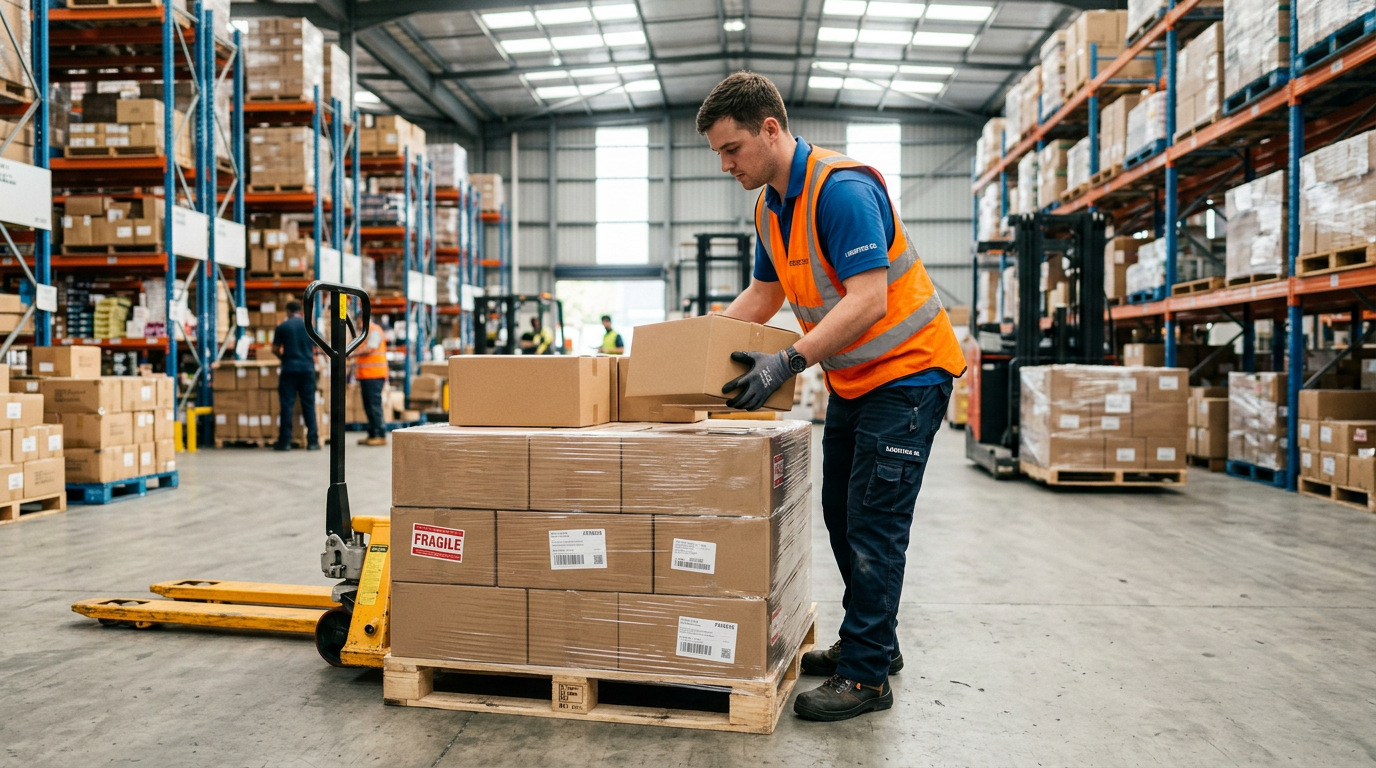
How many shipments have you lost or delayed due to improper palletization? For Amazon FBA sellers, mastering the art of palletization isn’t just about efficiency; it’s essential for compliance with Amazon’s stringent shipping guidelines. In this blog post, readers will learn step-by-step how to effectively palletize their shipments, ensuring they avoid costly mistakes and delays. By understanding the requirements and employing the right tools, sellers can optimize their logistics processes, streamline their supply chains, and ultimately boost their bottom line.
Step 1: Understanding Palletization for Amazon FBA Shipments
Palletization involves organizing and securing products on a pallet for efficient shipping. For Amazon FBA sellers, proper palletization is essential to meet Amazon’s shipping requirements and facilitate smooth logistics operations.
Adhering to Amazon’s shipping guidelines is critical. Failure to comply can result in shipment delays, increased costs, or even refusal of delivery. Below are the key requirements for successful palletization:
- Maximum Pallet Dimensions:
- Standard size is 48″ x 40″.
- Weight Limit per Pallet:
- The maximum weight allowed is 1500 lbs.
Non-compliance with these requirements can lead to various consequences, including:
- Increased likelihood of shipment rejections.
- Additional fees for non-compliant pallets.
- Extended processing times at Amazon fulfillment centers.
Understanding these fundamental aspects of palletization is crucial for Amazon FBA sellers to ensure their shipments are processed efficiently and without unnecessary complications.
Step 2: Materials and Tools Needed for Palletizing
Utilizing the right materials and tools can streamline the palletization process for Amazon FBA shipments. Below is a comprehensive list of essential materials and tools necessary for effective palletizing.
- Essential Materials:
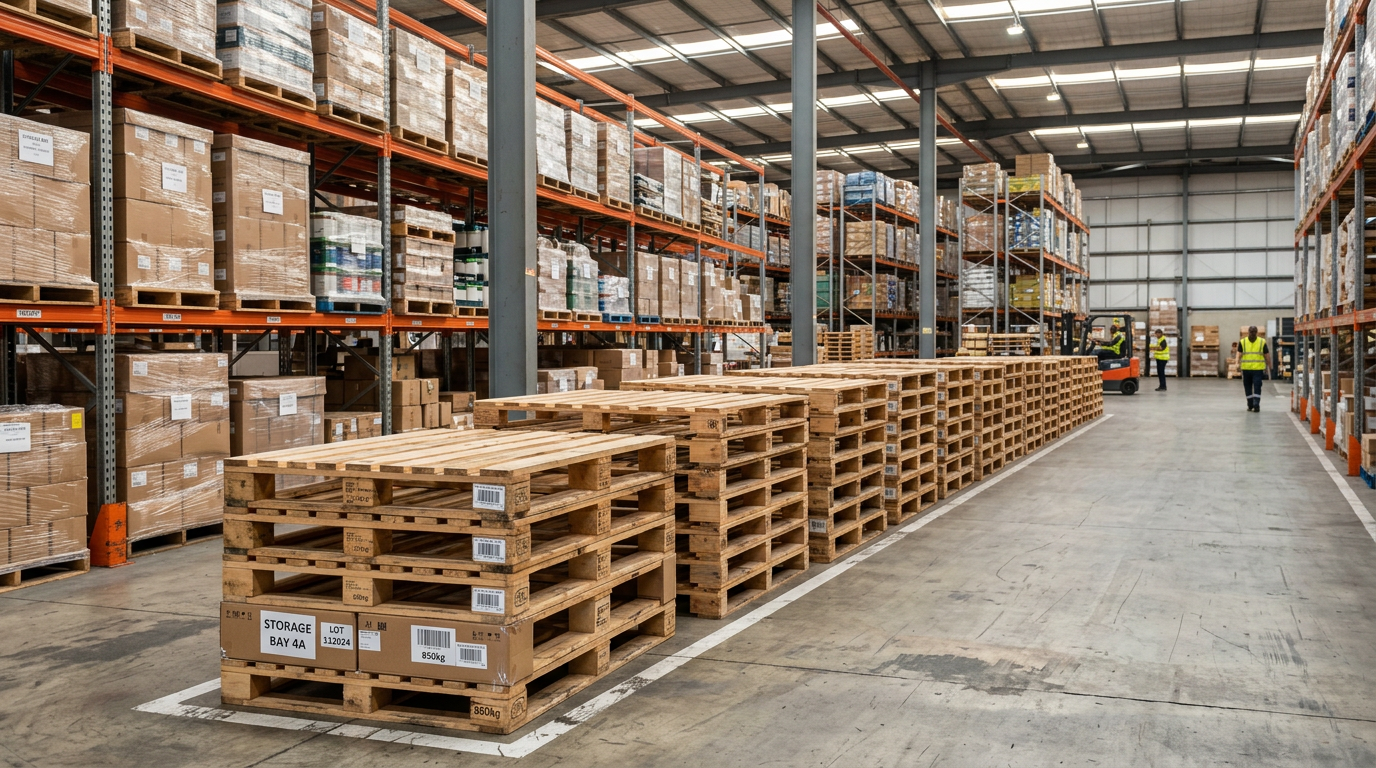
- Pallets: Standard size is 48″ x 40″. Ensure they are in good condition and free from damage.
- Shrink Wrap: Use durable shrink wrap to secure products on the pallet and protect them during transit.
- Packing Tape: High-quality packing tape is essential for sealing boxes and securing layers of packaging together.
- Cardboard Sheets: Place these between layers of products to prevent damage and facilitate organization.
- Tools for Assistance:
- Pallet Jacks: These tools are crucial for moving pallets efficiently, especially when dealing with heavy loads.
- Strapping Tools: Utilize these for securing products tightly, reducing the risk of shifting during transport.
- Scales: Accurate scales are necessary for verifying the weight of pallets to ensure compliance with Amazon’s weight limits.
Tips for Selecting High-Quality Materials:
- Inspect pallets for any signs of damage, such as cracks or splinters, which can compromise safety.
- Choose shrink wrap that is thick enough to withstand the rigors of shipping while providing adequate protection.
- Ensure packing tape is strong and adhesive to prevent boxes from opening during transit.
- Select cardboard sheets that are sturdy and can support the weight of the products stacked on top.
Step 3: Step-by-Step Palletizing Process
A systematic approach to palletizing ensures efficiency and compliance with Amazon’s requirements. Follow these steps for effective palletization of your shipment:
- Measure Product Dimensions Accurately
- Use a measuring tape to determine the length, width, and height of each item.
- Ensure that all products fit within the pallet dimensions (maximum 48″ x 40″).
- Calculate Total Weight
- Weigh each product individually and add them up to get the total weight of the pallet.
- Ensure that the total weight does not exceed the 1500 lbs limit.
- Organize Products Efficiently on the Pallet
- Layer Heavier Items at the Bottom:
- Start with the heaviest products at the base to create a stable foundation.
- Place Lighter Items on Top:
- Stack lighter items carefully on top of heavier ones to maintain balance.
- Utilize Cardboard Sheets
- If necessary, insert cardboard sheets between layers to minimize shifting and protect products.
- This also helps to distribute weight evenly across the pallet.
- Secure Items Using Shrink Wrap and Strapping
- Wrap the entire pallet with shrink wrap to hold the items in place securely.
- Use strapping tools to reinforce the stability of the load, preventing movement during transit.
- Ensure the Pallet is Balanced and Stable
- Check that the weight is evenly distributed across the pallet.
- Adjust items as needed to prevent tipping during transport.
Quick Reference Steps:
- Measure product dimensions.
- Calculate total weight.
- Organize products (heavier items first).
- Use cardboard sheets if needed.
- Secure with shrink wrap and strapping.
- Ensure stability and balance.
Step 4: Labeling Requirements for Amazon FBA Shipments
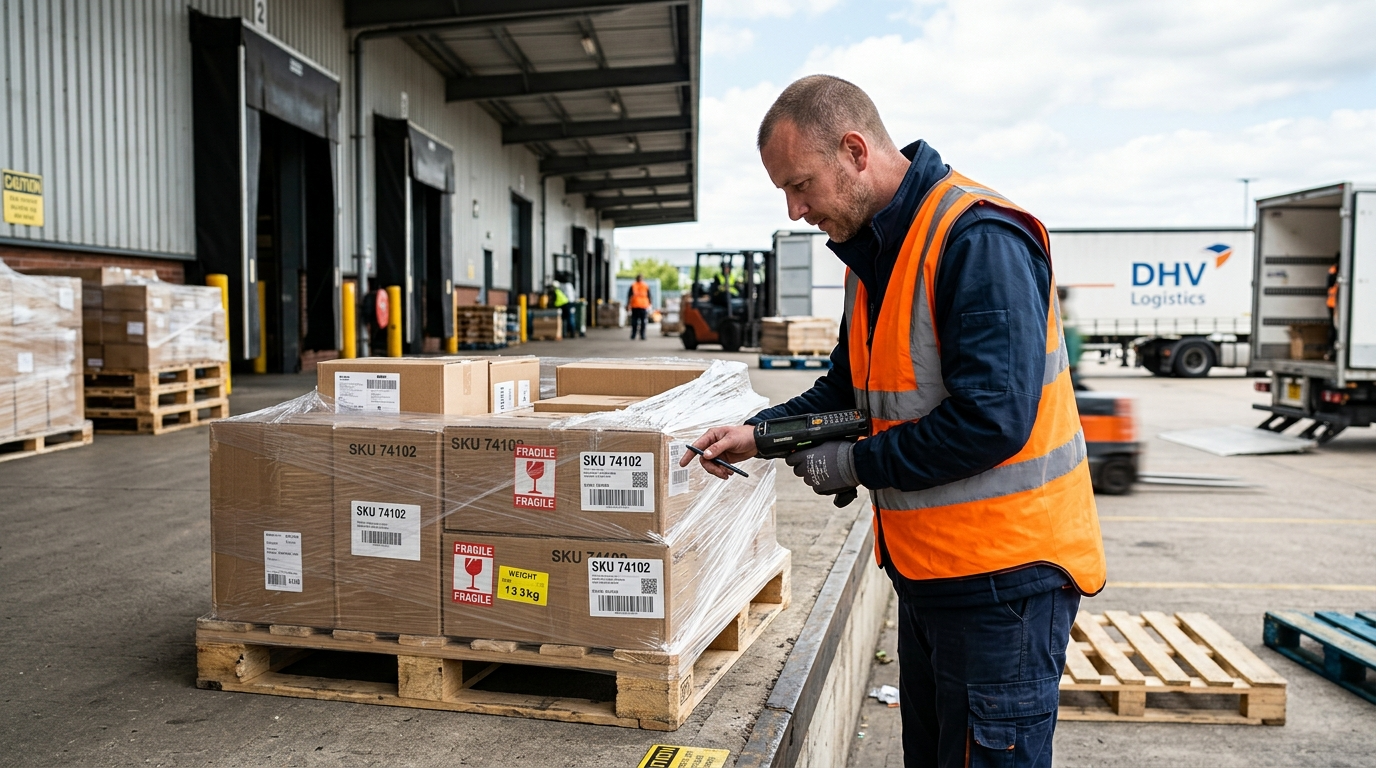
Proper labeling is essential for smooth processing and tracking of Amazon FBA shipments. Accurate labels ensure that products are easily identifiable throughout the logistics process, preventing delays and complications.
Importance of Accurate Labeling
- Accurate labeling facilitates efficient processing at Amazon fulfillment centers.
- Properly labeled shipments reduce the risk of misplacement or delays during transit.
- Clear identification helps maintain inventory accuracy within Amazon’s system.
Amazon’s Labeling Guidelines
- Pallet Labels:
- Must be placed on the side of the pallet for visibility.
- Barcode and SKU Information:
- Labels must include clear barcodes that are scannable.
- SKU information should be legible to avoid misidentification of products.
Creating and Applying Labels
- Using Amazon’s FBA Labeling Service:
- Sellers can opt for Amazon’s FBA Labeling Service, which simplifies the labeling process.
- Ensuring Labels are Scannable:
- Labels should be clearly printed and not obscured by shrink wrap or other packaging materials.
- Label Application:
- Affix labels securely to prevent them from peeling or falling off during transit.
Common Labeling Mistakes to Avoid
- Incorrect SKU Numbers:
- Always double-check SKU numbers to ensure they match the products being shipped.
- Labels Not Securely Attached:
- Ensure labels are applied firmly to prevent them from becoming detached or damaged.
By adhering to these labeling requirements and best practices, sellers can enhance the efficiency of their Amazon FBA shipments and minimize potential issues during processing.
Step 5: Common Pitfalls and Troubleshooting Tips
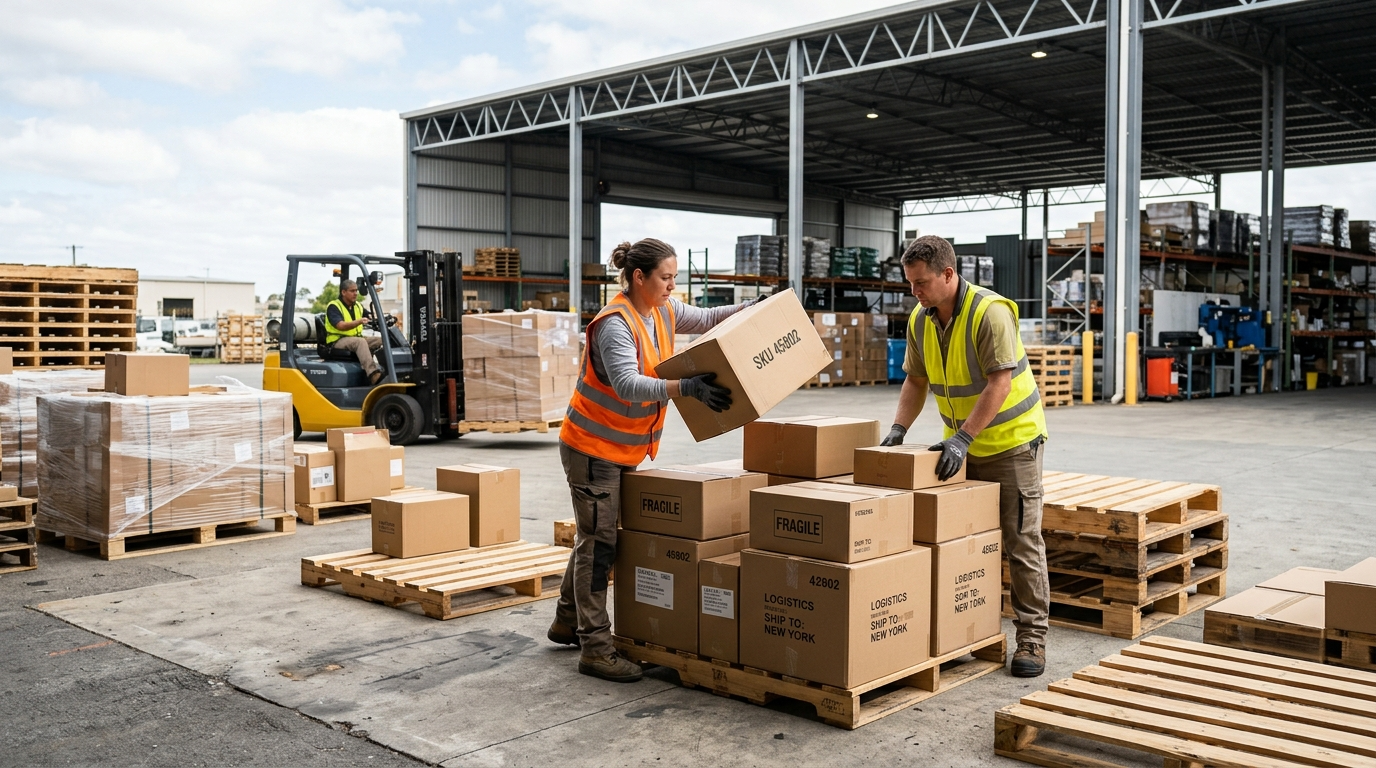
Identifying common mistakes can help streamline the palletizing process and avoid issues that may lead to shipment delays or additional costs. Below are frequent pitfalls and actionable solutions for Amazon FBA sellers.
- Common Issues Encountered During Palletizing:
- Incorrect Dimensions:
- Pallets may exceed Amazon’s maximum dimensions, leading to shipment rejections.
- Overweight Pallets:
- Exceeding the 1500 lbs weight limit can result in extra fees and processing delays.
- Troubleshooting Tips for These Issues:
- Double-Check Measurements:
- Always verify product dimensions and pallet size before finalizing your shipment.
- Use a Scale:
- Weigh each pallet to ensure compliance with Amazon’s weight limits and avoid penalties.
- Advice for Streamlining the Palletizing Process:
- Create a Checklist:
- Develop a comprehensive checklist that outlines every step of the palletization process to ensure nothing is overlooked.
- Organize Products by SKU:
- Sort products by SKU to facilitate faster packing and minimize errors during the palletization process.
Troubleshooting Summary:
- Verify pallet dimensions against Amazon requirements.
- Weigh pallets accurately before shipment.
- Use a checklist to track each step.
- Organize products by SKU for efficiency.
Step 6: Final Checklist for Successful Palletization
A final checklist can help ensure every step of the palletization process is completed effectively. Use the following checklist to confirm the critical aspects of your Amazon FBA shipment before finalizing:
- Confirm Pallet Dimensions and Weight:
- Ensure pallets do not exceed 48″ x 40″ dimensions.
- Verify that the total pallet weight is within the 1500 lbs limit.
- Verify Product Labeling and SKU Accuracy:
- Check that all products are labeled correctly with scannable barcodes.
- Ensure SKU numbers match the inventory records to avoid discrepancies.
- Ensure Stability and Security of the Pallet:
- Confirm products are securely fastened with shrink wrap and strapping.
- Inspect the pallet to make sure it is balanced and stable.
- Check for Compliance with Amazon’s Shipping Guidelines:
- Review Amazon’s requirements for palletization to avoid delays.
- Ensure all labeling and packaging align with Amazon’s standards.
- Documentation:
- Keep all necessary shipping and customs documentation readily available.
- Ensure that all paperwork is accurate to facilitate a smooth customs process.
By following this checklist, sellers can enhance the efficiency and accuracy of their palletization process, ensuring their shipments meet Amazon’s standards.
Final Words
Final Words
Executing a seamless palletization process for Amazon FBA shipments is essential for compliance and efficiency. Understanding Amazon’s pallet requirements, using the right materials, and following a step-by-step guide can significantly reduce the risk of delays and extra fees.
Being aware of common pitfalls and having a final checklist ensures that sellers can confidently manage their shipments. Proper palletization not only enhances operational efficiency but also contributes to a positive overall experience.
By mastering how to palletize an Amazon FBA shipment (step-by-step), sellers can streamline their logistics and focus on growing their business.
FAQ
Q: What is palletization in Amazon FBA shipments?
A: Palletization is the process of organizing products on pallets for shipment, ensuring compliance with Amazon’s shipping guidelines and minimizing delays.
Q: Why is adherence to Amazon’s shipping guidelines important?
A: Following Amazon’s shipping guidelines is crucial to prevent shipment delays, additional fees, and to ensure the products arrive in good condition.
Q: What are the maximum pallet dimensions for Amazon FBA?
A: The maximum pallet dimensions for Amazon FBA shipments are 48″ x 40″.
Q: What is the weight limit per pallet for Amazon FBA?
A: The weight limit per pallet for Amazon FBA shipments is 1500 lbs.
Q: What materials are essential for palletizing?
A: Essential materials for palletizing include standard pallets, shrink wrap, packing tape, and cardboard sheets.
Q: What tools can assist in the palletizing process?
A: Useful tools for palletizing include pallet jacks, strapping tools, and scales for weight verification.
Q: What are the steps in the palletizing process?
A: Key steps include measuring product dimensions, calculating total weight, organizing products, using cardboard sheets, securing items, and ensuring pallet stability.
Q: What are the labeling requirements for Amazon FBA shipments?
A: Pallet labels must be placed on the pallet’s side, featuring clear barcodes and SKU information for accurate tracking.
Q: How can sellers create and apply labels for FBA shipments?
A: Sellers can use Amazon’s FBA Labeling Service and ensure labels are clear and not obscured by shrink wrap.
Q: What common mistakes should be avoided in palletizing?
A: Common mistakes include incorrect dimensions, overweight pallets, and poorly attached labels, all of which can lead to shipment issues.
Q: What troubleshooting tips can help with palletizing issues?
A: Troubleshooting tips include double-checking measurements, using a scale for weight compliance, and creating a pre-palletizing checklist.
Q: What is included in a final checklist for successful palletization?
A: A final checklist should confirm pallet dimensions, verify labeling accuracy, ensure pallet stability, and check compliance with Amazon’s guidelines.
Ready to Optimize Your Amazon Shipping?
Get 3 route options tailored to your products and timeline
Get Your Quote→