How to Sell on Amazon: A Step-by-Step Guide for 2026
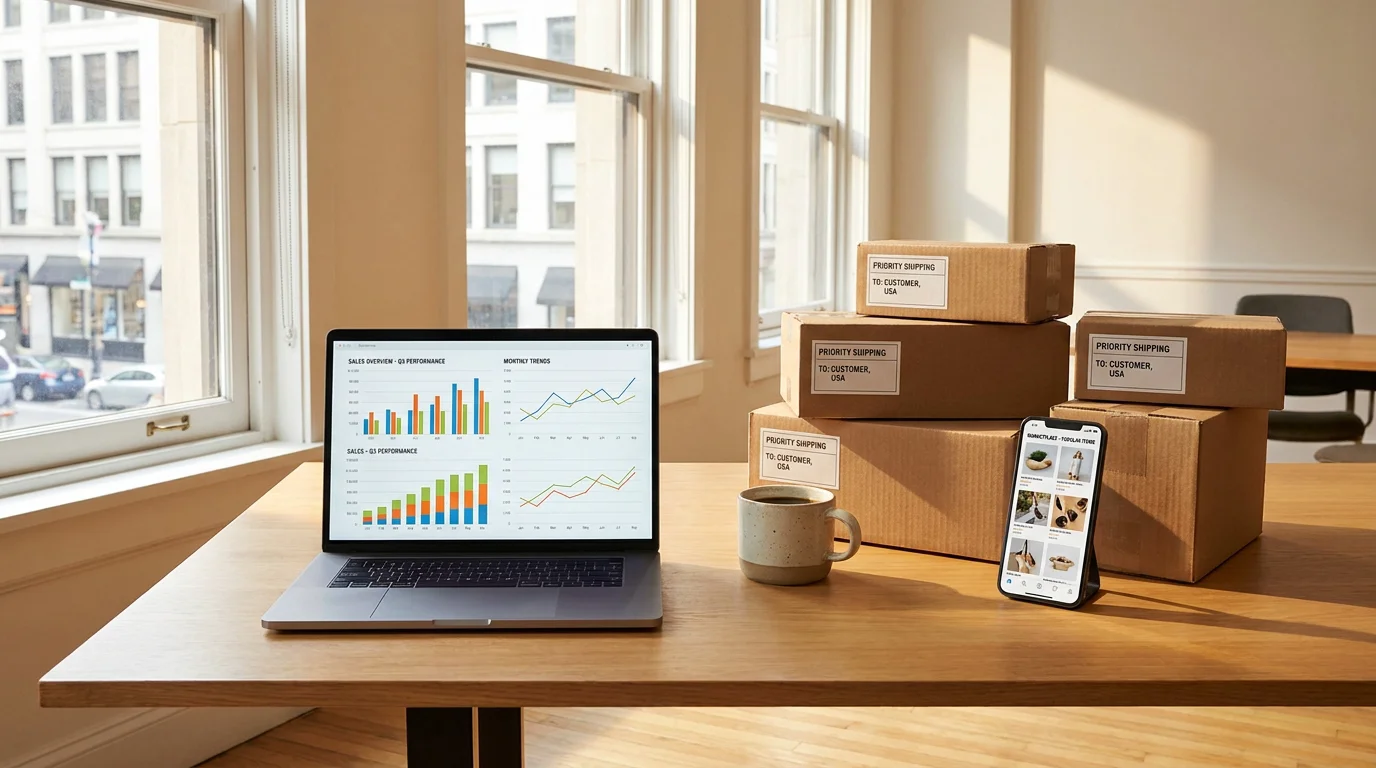
Summary: Selling on Amazon requires choosing a plan, listing products, and managing fulfillment; 58% of new sellers achieve profitability within 12 months.
In Q4 2025, third-party sellers accounted for 61% of paid units sold on Amazon, underscoring the enormous opportunity open to independent entrepreneurs. With over 310 million active customers worldwide, the marketplace remains the single most powerful channel for reaching US consumers. If you have been considering how to sell on Amazon, the timing is favorable, but competition demands a clear strategy.
This resource walks you through every stage, from account creation to profitable scaling. Whether you are sourcing products from domestic wholesalers or importing from overseas manufacturers, understanding each step will help you avoid costly mistakes. For sellers who ship from China, our team at QG Horizon simplifies the entire logistics chain; you can start by learning how to open an Amazon seller account the right way.
Why the Amazon Marketplace Still Matters in 2026
In 2025, Amazon generated $716.9 billion in net sales, up from $638.0 billion in 2024. Forecasts point to approximately $790 billion in 2026, representing around 11% year-over-year growth. These figures make Amazon by far the largest online retail platform in the world, and the trajectory continues upward.
In 2025, Amazon generated approximately $440 billion in US e-commerce sales, accounting for 35.7% of the total US online retail market. For any business that wants to reach American shoppers at scale, ignoring this channel is not an option. Among online retailers, Amazon holds a 37.6% market share.
The marketplace is also becoming more selective. Amazon registered just 165,000 new sellers in 2025, the lowest number in a decade, down 44% from 2024. At the same time, the active seller count dropped from 2.4 million in 2021 to 1.65 million by the end of 2025. The implication is clear: casual experimenters are leaving, while disciplined operators are thriving.
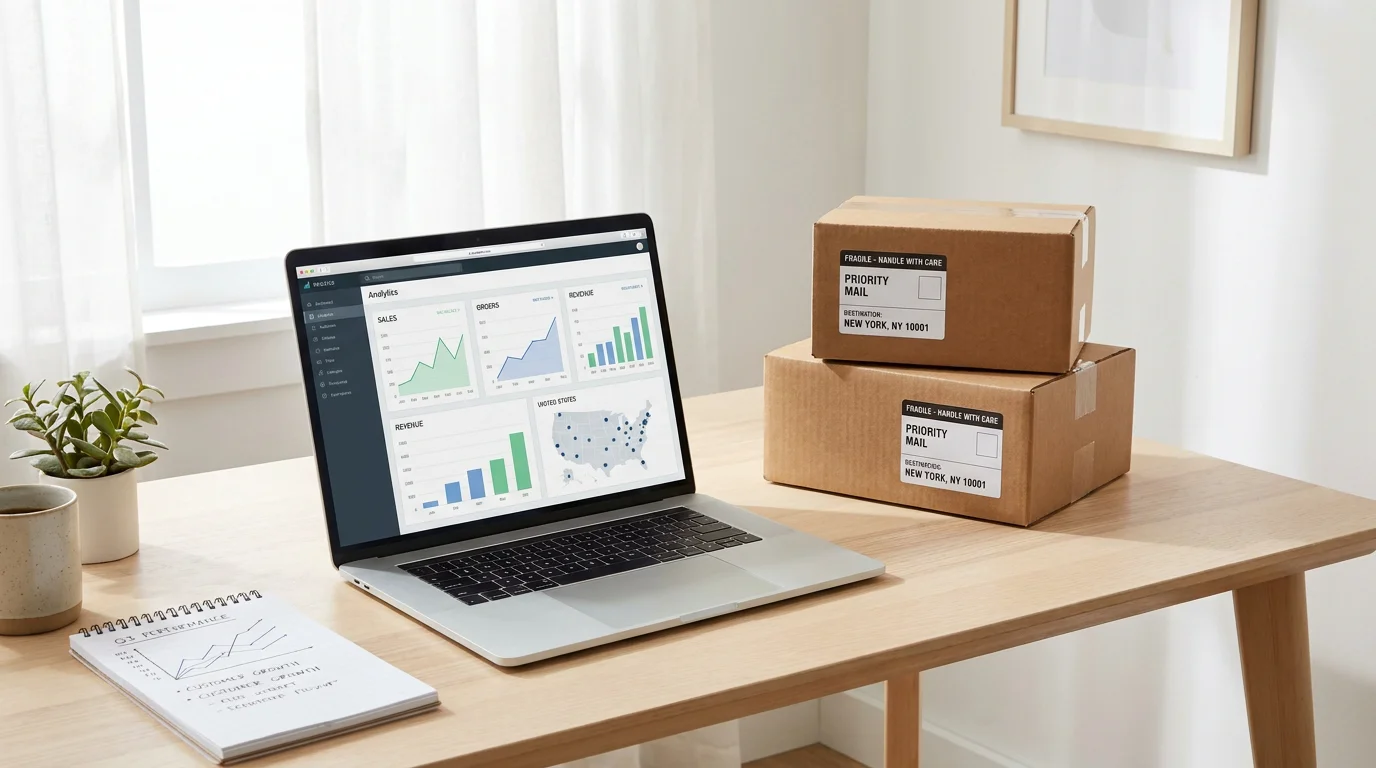
Choosing Your Selling Plan and Account Type
Amazon offers two seller plans. The Individual plan charges $0.99 per item sold and is suited for people who sell fewer than 40 units per month. The Professional plan costs $39.99 per month regardless of volume and unlocks advanced tools such as bulk listing, advertising, and access to restricted categories.
Most serious sellers opt for the Professional plan from the start. It grants eligibility for the Buy Box, which is where the vast majority of conversions happen. You will also gain access to Amazon Seller Central, the hub for managing inventory, orders, advertising campaigns, and performance metrics.
To register, you will need a valid government ID, a credit card, tax information, a phone number, and a bank account. Amazon verifies new accounts, and the process typically takes between 24 hours and several days. Ensure all documentation is accurate to prevent delays.
Selecting a Profitable Product and Business Model
Product selection is the single most consequential decision you will make. Three common models dominate the marketplace: private label (creating your own branded product), wholesale (reselling established brands at volume), and retail arbitrage (buying discounted goods from retail stores and reselling them online).
Private label accounts for the majority of FBA businesses because it offers the highest margins and brand control. Start by analyzing demand using Amazon’s Best Sellers page and tools such as Amazon Brand Analytics. Eco-friendly products, health and wellness items, and home office accessories are among the top trending categories for 2026.
Validate your product idea before committing capital. Check the number of reviews on competing listings, the average selling price, and the estimated monthly sales volume. A niche with moderate demand and fewer than 500 reviews on the top listings typically signals a viable entry point.
Sourcing, Manufacturing, and Quality Control
Once you have identified your product, the next step is sourcing. Many US sellers import from Chinese manufacturers through platforms such as Alibaba or through sourcing agents. Negotiating samples, confirming certifications, and performing quality inspections before mass production are non-negotiable steps.
Changes in US import rules in 2026 removed duty-free thresholds for some products shipped into the US. This means that sellers importing goods must budget for duties and customs clearance. Understanding Delivered Duty Paid (DDP) shipping arrangements is essential to avoid unexpected costs at the border.
This is precisely where our DDP freight solutions add value. We handle everything from factory pickup in China through international freight, customs clearance, and final delivery to Amazon warehouses, so you receive a single all-inclusive quote with no hidden charges. Our team, based in Shenzhen and experienced as Amazon sellers ourselves, helps you choose between air freight (5 to 9 days), express sea (22 to 28 days), rail (20 to 25 days), or standard ocean freight (30 to 40 days) depending on your timeline and budget.
Creating Optimized Product Listings
Around 900,000 sellers now use AI tools to generate product listings on Amazon. Whether you leverage AI assistance or write manually, your listing must be built to convert. The key elements include a keyword-rich title, five compelling bullet points, a detailed product description, and high-resolution images (minimum seven, including lifestyle and infographic shots).
Focus on the customer’s problem and how your product solves it. Use backend search terms strategically to capture additional long-tail queries without cluttering the visible listing. If your brand is enrolled in Amazon Brand Registry, you can create A+ Content with enhanced images, comparison charts, and brand storytelling modules that have been shown to lift conversion rates significantly.
Customers who engage with Amazon’s AI shopping assistant Rufus are 60% more likely to complete a purchase. Projections suggest Rufus could handle up to 35% of all Amazon searches by the end of 2026. This makes natural, conversational content in your listings more important than ever; keyword stuffing no longer works.
Understanding Fulfillment: FBA, FBM, and the Hybrid Approach
82% of third-party sellers use Fulfillment by Amazon (FBA) to complete orders. With FBA, you send inventory to Amazon’s warehouses, and Amazon picks, packs, ships, and handles customer service and returns. Your products become eligible for Prime’s fast delivery promise, which is a powerful conversion lever.
Fulfilled by Merchant (FBM) means you store and ship products yourself. This model works for oversized goods, low-velocity items, or sellers who want to maintain full control of inventory. A growing number of experienced sellers combine both methods. The hybrid approach can save 15% to 40% on costs while maintaining competitive delivery speeds.
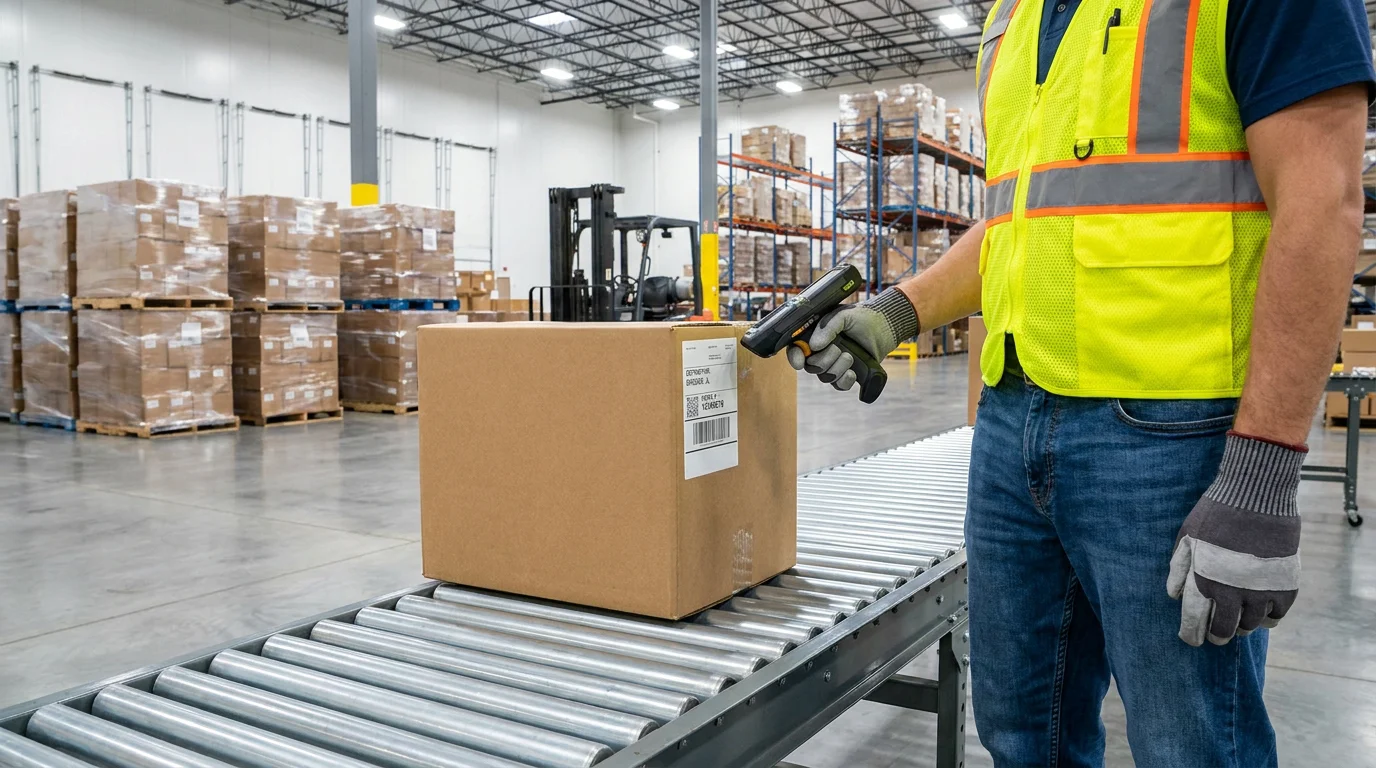
Significant fees and compliance changes are affecting sellers in 2026, including rising FBA fees and stricter inventory and storage policies. Keeping your Inventory Performance Index (IPI) high is critical to avoid excess storage surcharges. Plan your shipments carefully and consider using a freight partner who can time deliveries to your FBA replenishment schedule.
If you import from China, we coordinate the entire journey from your supplier’s factory to the Amazon fulfillment center. A single point of contact, real-time tracking, and a quote delivered within 24 hours allow you to plan restocks with confidence. Learn more about how to succeed as an Amazon seller with a streamlined supply chain.
Launching, Advertising, and Scaling Your Sales
A strong launch sets the trajectory for your product’s long-term ranking. Begin with Sponsored Products campaigns targeting your highest-converting keywords. Amazon PPC cost-per-click increased 18% to 32% in early 2026, so managing your advertising budget with precision is essential.
Amazon’s ad business grew 22% in Q4 2025, and annual ad revenue exceeded $68 billion in 2025. Advertising is clearly a core part of the Amazon ecosystem now, and sellers who invest strategically see outsized returns. Use Sponsored Brands to drive awareness and Sponsored Display to retarget shoppers who visited your listing but did not convert.
Beyond paid ads, leverage external traffic sources (social media, email lists, influencer partnerships) to drive initial velocity. Amazon’s Brand Referral Bonus program provides a credit of roughly 10% on sales from external traffic, effectively reducing your referral fee.
As you scale, keep a close eye on your unit economics. Factor in product cost, shipping and customs fees, Amazon referral and FBA fees, advertising spend, and returns. More than 55% of small-to-mid-size Amazon businesses report profit margins above 15%. Maintaining those margins requires continuous optimization of sourcing costs, ad efficiency, and inventory velocity.
Protecting Your Brand and Staying Compliant
If you sell a private label product, enrolling in Amazon Brand Registry is essential. It provides access to tools such as Transparency (anti-counterfeiting labels), Project Zero (automated removal of counterfeit listings), and A+ Content. Registration requires a trademark registered in the US or other applicable country.
Compliance extends beyond brand protection. Product safety certifications (such as CPSC for children’s items or FDA registration for supplements) must be in place before you list. Amazon can suspend listings or entire accounts for compliance violations, so maintain thorough documentation of all certifications, invoices, and supplier agreements.
58% of sellers achieve profitability within 12 months. However, 22% never become profitable. The difference often comes down to operational discipline: accurate cost tracking, compliant product documentation, and a reliable supply chain.
Common Mistakes to Avoid When Selling on Amazon
Many new sellers underestimate the importance of accurate landed cost calculations. If you do not know the exact cost of getting your product from the factory to the Amazon shelf, you cannot price competitively while protecting your margin. This is especially true for sellers importing from overseas, where freight rates, duties, and customs brokerage fees can fluctuate.
Other frequent pitfalls include launching with too many SKUs at once (start with one or two), neglecting listing optimization after the initial launch, and failing to monitor inventory levels closely enough. Stockouts damage your organic ranking, and excess inventory generates steep storage fees.
Finally, do not rely exclusively on Amazon for your business. Diversify into additional channels over time, but master the Amazon fundamentals first. The sellers who win treat this platform as a serious, data-driven business rather than a side project.
Conclusion
With revenues projected at approximately $790 billion for 2026, the Amazon marketplace is larger and more competitive than ever. Success depends on selecting the right product, creating a high-converting listing, managing logistics efficiently, and advertising with discipline. Selling on Amazon rewards operators who invest in knowledge, precision, and reliable partners at every link in the chain.
For sellers who source products from China, having a freight partner that specializes in Amazon FBA logistics, with transparent DDP pricing and proven shipping routes, can mean the difference between healthy margins and constant surprises. Request a free quote from our FBA freight team and take the guesswork out of your next shipment.
Frequently Asked Questions
How much does it cost to start selling on Amazon?
The Professional selling plan costs $39.99 per month plus referral fees that vary by category (typically 8% to 15%). If you use FBA, you will also pay fulfillment and storage fees. Initial inventory investment varies widely, but many private label sellers begin with $2,000 to $5,000 in product and shipping costs.
Is Fulfillment by Amazon (FBA) worth it for new sellers?
For most new sellers, yes. FBA grants Prime eligibility, which significantly boosts conversion rates and search visibility. It also removes the operational burden of packing and shipping. If you are importing from China, our DDP freight service delivers directly to Amazon warehouses so you can start selling as soon as inventory is checked in.
How long does it take to become profitable on Amazon?
Data indicates that 58% of sellers reach profitability within their first 12 months. The timeline depends on product selection, advertising efficiency, and how well you control costs such as sourcing, freight, and Amazon fees. Sellers who plan their logistics carefully from day one tend to reach profitability faster.
Ready to Optimize Your Amazon Shipping?
Get 3 route options tailored to your products and timeline
Get Your Quote→