Incoterms FCA Definition: Free Carrier Rule Explained
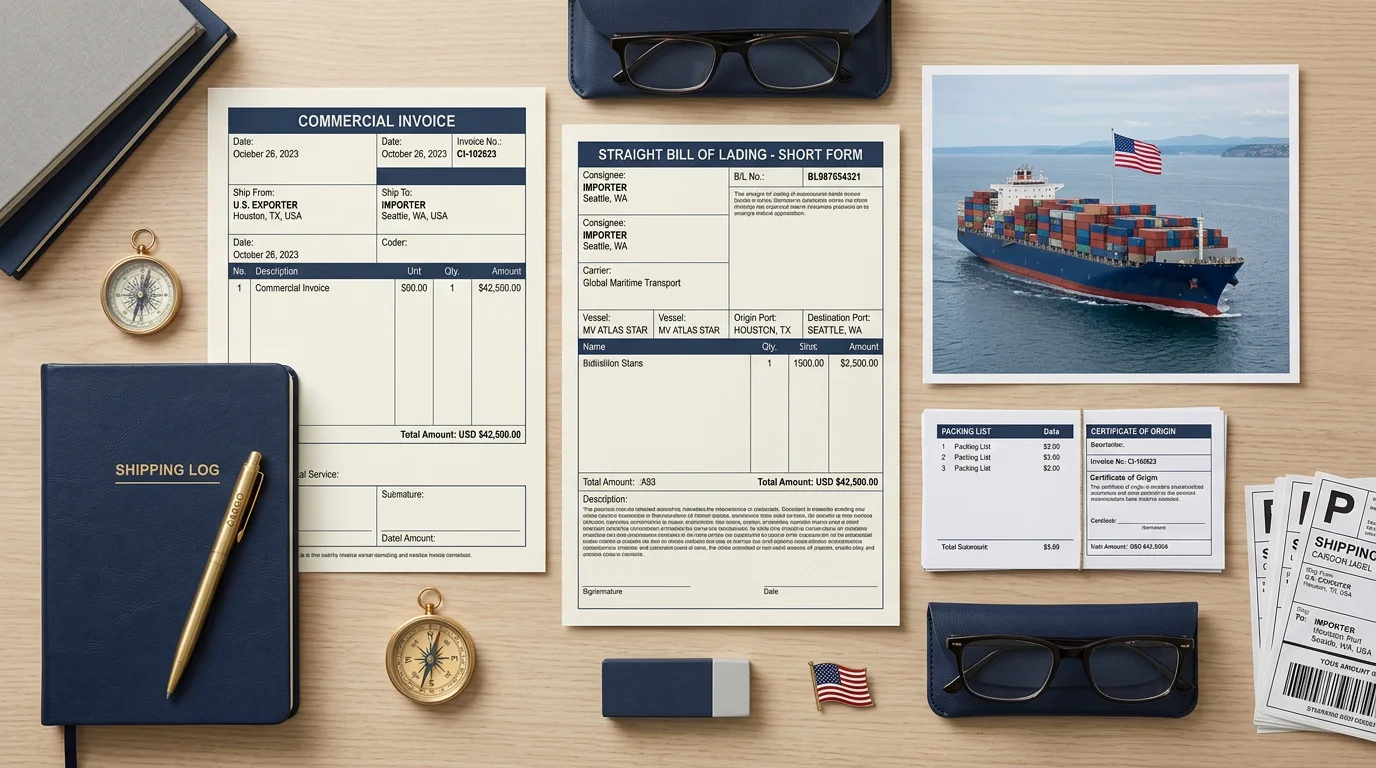
Summary: FCA, or Free Carrier, is an Incoterms 2020 rule under which the seller clears the goods for export and delivers them to a carrier chosen by the buyer at a named place. Risk transfers to the buyer once the goods are loaded or made available. FCA works for any mode of transport and suits containerized freight.
Nearly four in ten international sales contracts are structured around one flexible trade rule, yet many sellers still confuse it with Ex Works. Before you sign your next supplier agreement, it helps to review our guide to the FCA definition in Incoterms and understand precisely where your responsibility ends and the buyer’s begins. The Free Carrier rule sits at the center of modern cross-border shipping.
Getting this term right protects your margins and your delivery timelines. According to recent FreightAmigo data citing the International Chamber of Commerce, FCA accounts for roughly 40% of global shipments, which makes it one of the most common terms in international trade. For US businesses importing from Asia, clarity on who pays for what is not optional; it is the difference between a smooth arrival and a stalled shipment.
What the Free Carrier (FCA) rule actually means
At its core, the incoterms fca definition describes an arrangement in which the seller hands over goods to a carrier nominated by the buyer, at an agreed location, with export formalities already completed. Trade Finance Global explains that the seller is generally responsible for loading charges, delivery to the agreed point, and export duties, although the contract can adjust these details.
FCA belongs to the “F” group of Incoterms, meaning the buyer arranges and pays for the main carriage. One of the biggest advantages of the rule is flexibility: it can be used for any mode of transport, whether air, road, rail, sea, or multimodal. That versatility is why it works equally well for a small air-freight parcel and a full ocean container.
Seller and buyer obligations under FCA
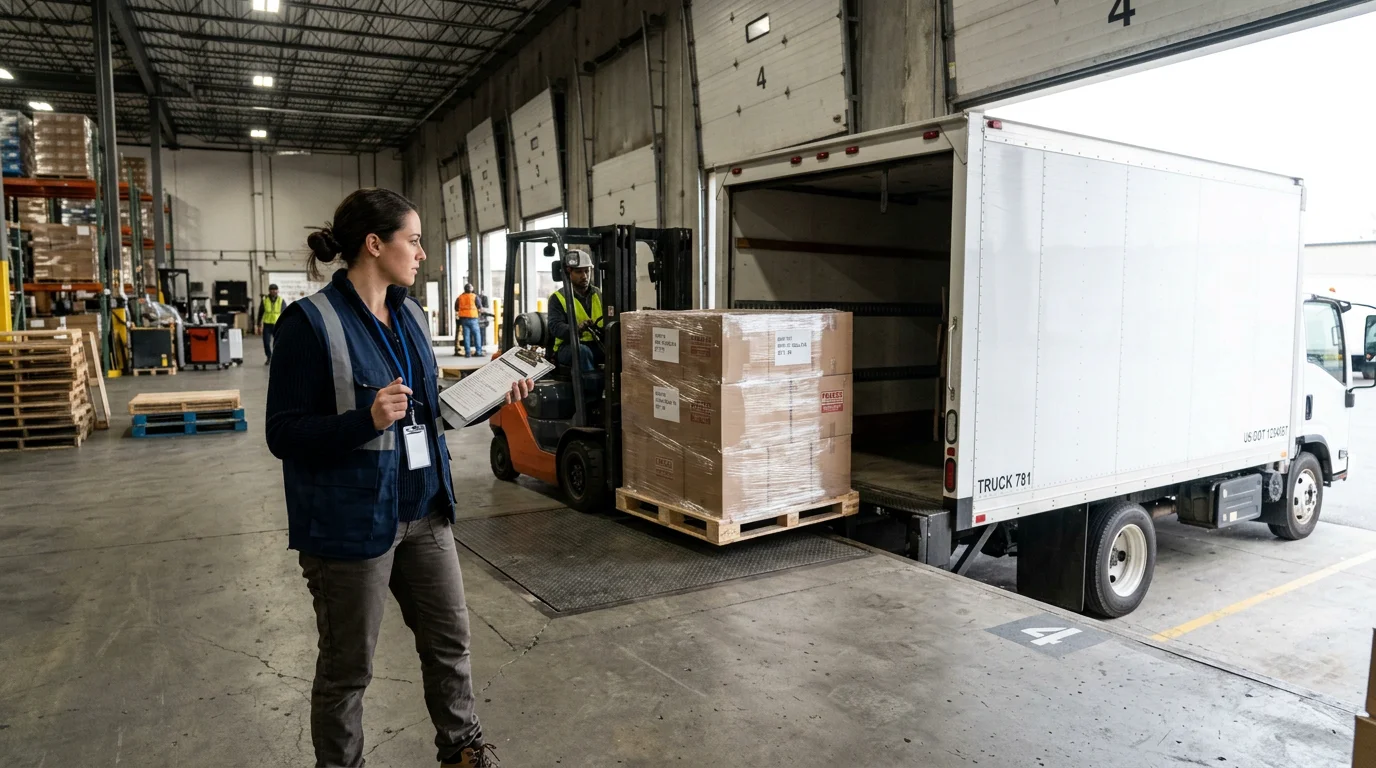
Who does what? The split is precise. The seller prepares the goods, provides the commercial invoice and documentation, arranges export packaging and marking, and handles export clearance and licenses. The seller also delivers the goods to the named place and covers costs up to that handover point.
From the moment the goods are loaded onto the buyer’s transport, the balance shifts. The buyer pays for the goods, arranges the main carriage, handles import formalities and duties, and covers discharge and onward carriage. Insurance is not mandatory for either party under FCA, though the buyer often arranges cover because risk transfer happens early in the journey.
- Seller: goods, invoice, export packaging, export licenses and customs, delivery to the named place, proof of delivery.
- Buyer: payment, main carriage, import duties and formalities, unloading at destination, onward transport.
If you would like a plain-language walkthrough of these responsibilities, our explainer on what FCA means as terms of sale maps each duty step by step.
The named place: seller’s premises or an external location
The precise wording of the named place of delivery changes everything, so buyers must specify it exactly in the contract. There are two common scenarios, and the loading responsibility differs between them.
In the first case, the named place is the seller’s own premises. Here the seller loads the goods onto the buyer’s collecting vehicle, and risk passes once loading is complete. In the second case, the named place is an external point, such as a forwarder’s warehouse or a terminal. There, the seller delivers the goods ready for unloading, and the buyer’s carrier handles the unloading. As IncoDocs notes, the official ICC text breaks each rule into ten seller obligations and ten buyer obligations, which is why the named place must be unambiguous.
A frequent source of confusion is FCA versus EXW. Under Ex Works, the buyer handles export formalities and loading. Under FCA, the seller clears the goods for export and, at their own premises, loads them. In practice, sellers who load the vehicle themselves have effectively moved to FCA even when a contract says EXW. For deeper context on how these conditions play out in practice, see our breakdown of FCA terms of shipment explained.
What changed for FCA under Incoterms 2020
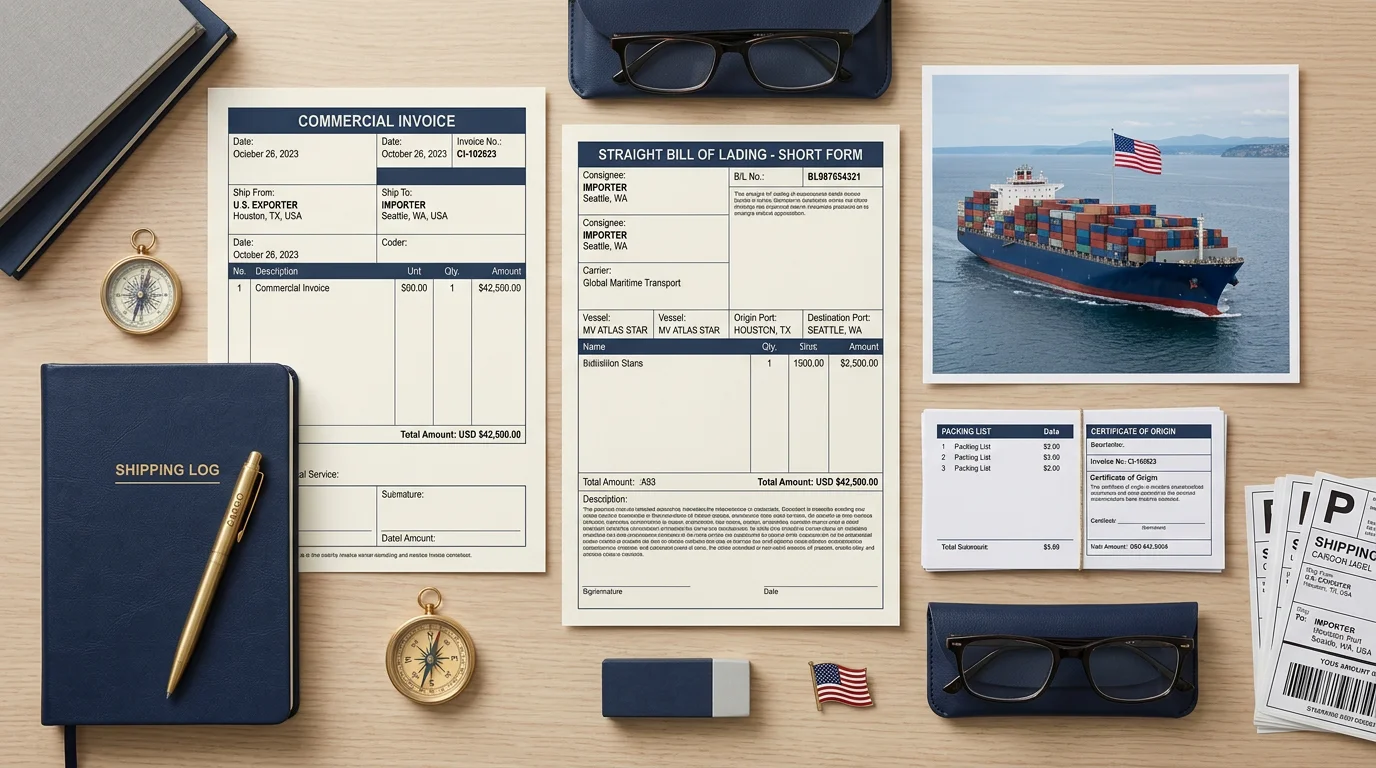
The single most significant revision in the latest rules concerns FCA and the bill of lading. Historically, sellers shipping under FCA struggled to obtain an on-board bill of lading, because the buyer, not the seller, contracts the carrier. That document is often required to get paid under a letter of credit.
The International Chamber of Commerce confirms that FCA under Incoterms 2020 now allows the parties to agree that the buyer will instruct the carrier to issue an on-board bill of lading to the seller once the goods are loaded. This closes a long-standing gap that had pushed many exporters to misuse FOB for ocean shipments. Note one caveat: the carrier is not legally obliged to comply, so timing delays remain possible.
FCA compared with EXW, FOB, and DDP
Choosing between terms comes down to how much risk and logistics you are willing to manage. Under EXW, the seller does the least and the buyer the most, including export clearance. FCA shifts export responsibility to the seller while the buyer still controls the main carriage. FOB is limited to sea and inland waterway transport, and it transfers risk only when the goods cross the ship’s rail, a point the buyer rarely controls.
At the opposite end sits DDP, Delivered Duty Paid, where the seller carries the goods all the way to the buyer’s door with duties and taxes settled. For importers who prefer a single, predictable landed cost, DDP removes most of the guesswork. When you are moving inventory into a fulfillment network and cannot risk customs delays, an all-inclusive door-to-door term is frequently the safer choice. This is where our full-service model becomes relevant, as we handle collection, clearance, and final delivery under one agreement.
Using FCA for Amazon FBA shipments from China
Imagine a US seller buying consumer electronics from a factory in Shenzhen. Under FCA, the supplier loads the goods onto a nominated truck and clears them for export; from that point, the buyer’s forwarder controls the ocean or air leg. It is a clean handover, but it leaves the American importer responsible for the entire journey, customs included.
For Amazon FBA in particular, that responsibility is where plans often unravel. Customs holds and duty miscalculations can derail a US restock and trigger stockouts. Many sellers therefore prefer a term where the forwarder absorbs import complexity end to end. We arrange collection at your Chinese supplier, manage DDP clearance with duties and taxes included, and deliver directly into the Amazon warehouse, so you are not left coordinating each leg yourself.
Key takeaways on the Free Carrier rule
The Free Carrier rule gives buyers control over the main carriage while placing export clearance on the seller, which makes it a balanced and widely used term for containerized and multimodal freight. Whether you adopt FCA or a fuller term such as DDP depends on how much of the journey you want to manage yourself. Always name the place of delivery precisely, confirm who loads and unloads, and, if you rely on a letter of credit, agree the bill-of-lading arrangement in writing before shipment.
Take action with QG Horizon
Understanding Incoterms is one thing; executing a clean import into Amazon without customs delays is another. If you are shipping inventory from China to US fulfillment centers, you need a partner who owns the whole route rather than just one leg.
We are Amazon FBA sellers ourselves, and our team in Shenzhen arranges supplier collection, DDP clearance with duties and taxes included, and delivery to the Amazon warehouse under one point of contact. With a quote in 24 hours across three route options, real-time tracking, and WhatsApp support seven days a week, you can plan restocks with confidence. Request our free 24-hour FBA shipping quote and choose the route that fits your budget and timeline.
Frequently Asked Questions
Does the seller pay for shipping under FCA?
No. Under FCA, the seller only covers costs up to delivering the goods to the carrier at the named place, including export clearance. The buyer arranges and pays for the main carriage, import duties, and onward transport.
What is the difference between FCA and FOB?
Both are F-group terms where the buyer arranges the main carriage, but FOB applies only to sea transport and transfers risk at the ship’s rail. FCA works for any mode of transport and transfers risk earlier, at the named place, which gives the buyer more clarity.
Who is responsible for export clearance under FCA?
The seller is always responsible for export clearance and documentation under FCA, regardless of where the named place is located. This is the key distinction that separates FCA from Ex Works, where the buyer handles export formalities.
Is FCA a good choice for Amazon FBA imports?
FCA can work if you have a reliable forwarder to manage the main carriage and customs. However, many sellers prefer a DDP arrangement to avoid import delays, which is why we handle collection, duties, and delivery to the Amazon warehouse under one agreement.
When does risk transfer from seller to buyer under FCA?
Risk transfers once the goods are loaded onto the buyer’s transport at the seller’s premises, or made available for unloading at an external named place. From that moment, the buyer bears any loss or damage during onward transit.
Ready to Optimize Your Amazon Shipping?
Get 3 route options tailored to your products and timeline
Get Your Quote→