LTL Shipping for Amazon FBA: Essential Tips for Success

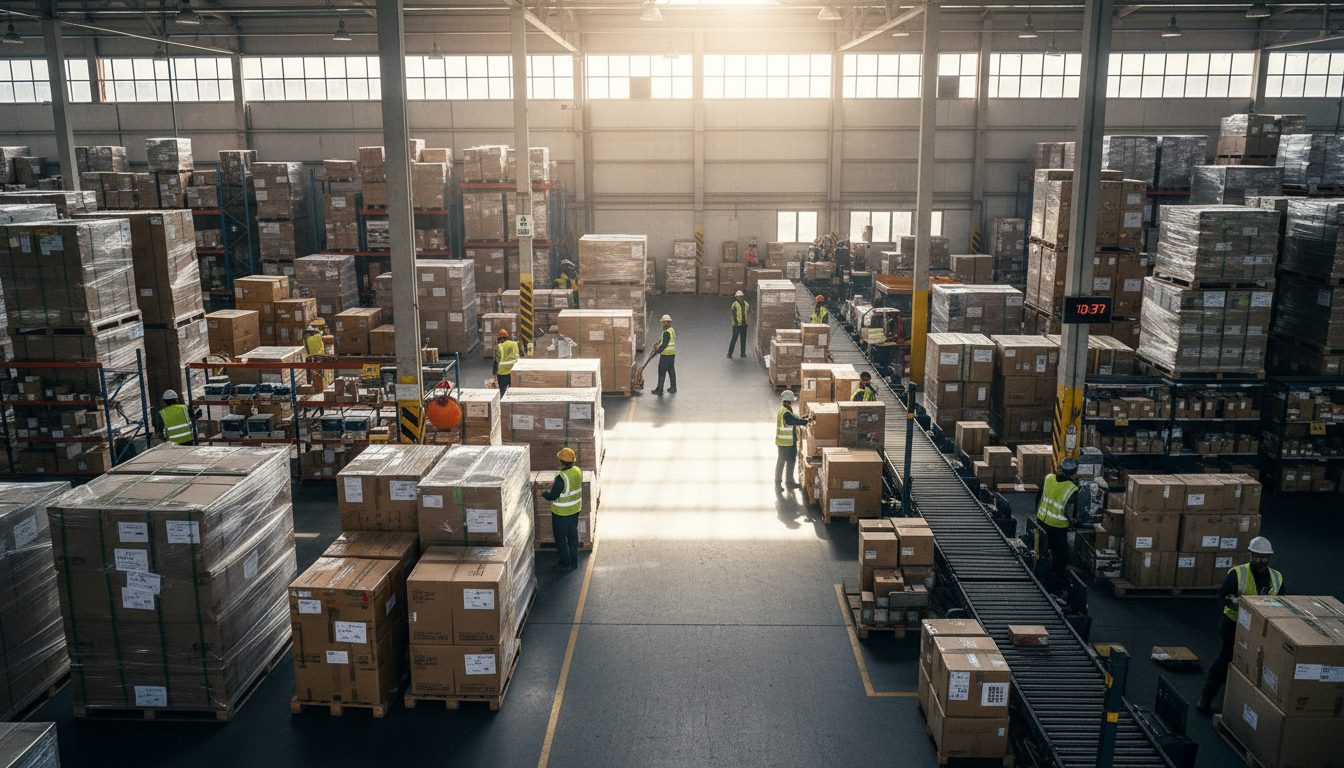
Is LTL shipping the secret weapon that Amazon FBA sellers have been overlooking? As e-commerce continues to thrive, understanding the logistics of shipping becomes crucial for success. LTL (Less Than Truckload) shipping offers a cost-effective and flexible approach for sellers who need to transport smaller shipments without breaking the bank. This guide aims to demystify LTL shipping, explaining its significance in the Amazon FBA landscape. By grasping the fundamentals and advantages of LTL, beginners can navigate their shipping options with confidence, ultimately optimizing their supply chain for growth and efficiency.
LTL Shipping for Amazon FBA: Essential Tips for Success
LTL (Less Than Truckload) shipping refers to a freight transportation method used for shipments that do not require a full truckload. This shipping option is ideal for Amazon FBA sellers who need to transport smaller quantities of goods while optimizing costs. It allows multiple shippers to share the space on a single truck, making it a cost-effective solution for e-commerce businesses.
For Amazon FBA sellers, understanding LTL shipping is crucial for several reasons:
- Cost Efficiency: By sharing truck space, sellers can significantly reduce shipping expenses compared to FTL (Full Truckload) or air freight.
- Flexibility: LTL shipping accommodates various shipment sizes, making it suitable for sellers with fluctuating inventory needs.
- Access to Multiple Carriers: Sellers can choose from a variety of carriers, allowing them to select options based on service quality, cost, and delivery times.
- Simplified Logistics: Many LTL carriers offer additional services such as tracking, pickup, and delivery, which can streamline the shipping process for sellers.
Understanding the basics of freight transportation and LTL shipping is essential for Amazon FBA sellers to navigate the complexities of international shipping. Key concepts include:
- Freight Class: Determines shipping costs based on the type of goods, weight, and dimensions.
- Bill of Lading (BOL): A legal document that details the shipment and serves as a receipt.
- Transit Times: Vary based on the carrier and distance, impacting inventory management.
By grasping these fundamentals, Amazon FBA sellers can make informed decisions about utilizing LTL shipping effectively.
Advantages of LTL Shipping for Amazon FBA
LTL (Less Than Truckload) shipping offers several key advantages for Amazon FBA sellers, making it an attractive option for managing logistics effectively. Understanding these benefits can help sellers optimize their shipping processes and improve overall efficiency.
- Cost-Effectiveness
- LTL shipping allows sellers to share truck space, significantly reducing transportation costs compared to shipping a full truckload (FTL).
- By only paying for the portion of the truck that their goods occupy, sellers can manage their budgets more effectively.
- Lower shipping costs enable sellers to allocate more resources toward marketing and other business growth initiatives.
- Flexibility in Shipping
- LTL shipping accommodates varying shipment sizes, making it ideal for sellers with fluctuating inventory levels.
- It allows for more frequent shipments without the need to wait until enough products are available to fill an entire truck.
- Sellers can adjust their shipping schedules based on demand, ensuring that they can restock inventory in a timely manner.
- Environmentally Friendly Options
- By consolidating shipments with other businesses, LTL shipping reduces the number of trucks on the road, leading to lower carbon emissions per shipment.
- This method supports sustainable practices, which can enhance a seller’s brand reputation among environmentally conscious consumers.
- Many LTL carriers are investing in eco-friendly technologies, further contributing to reduced environmental impact.
By leveraging these advantages, Amazon FBA sellers can improve their logistics operations and maintain competitive pricing while ensuring timely delivery of their products. Understanding the benefits of LTL shipping is essential for maximizing profitability and efficiency in an increasingly competitive marketplace.
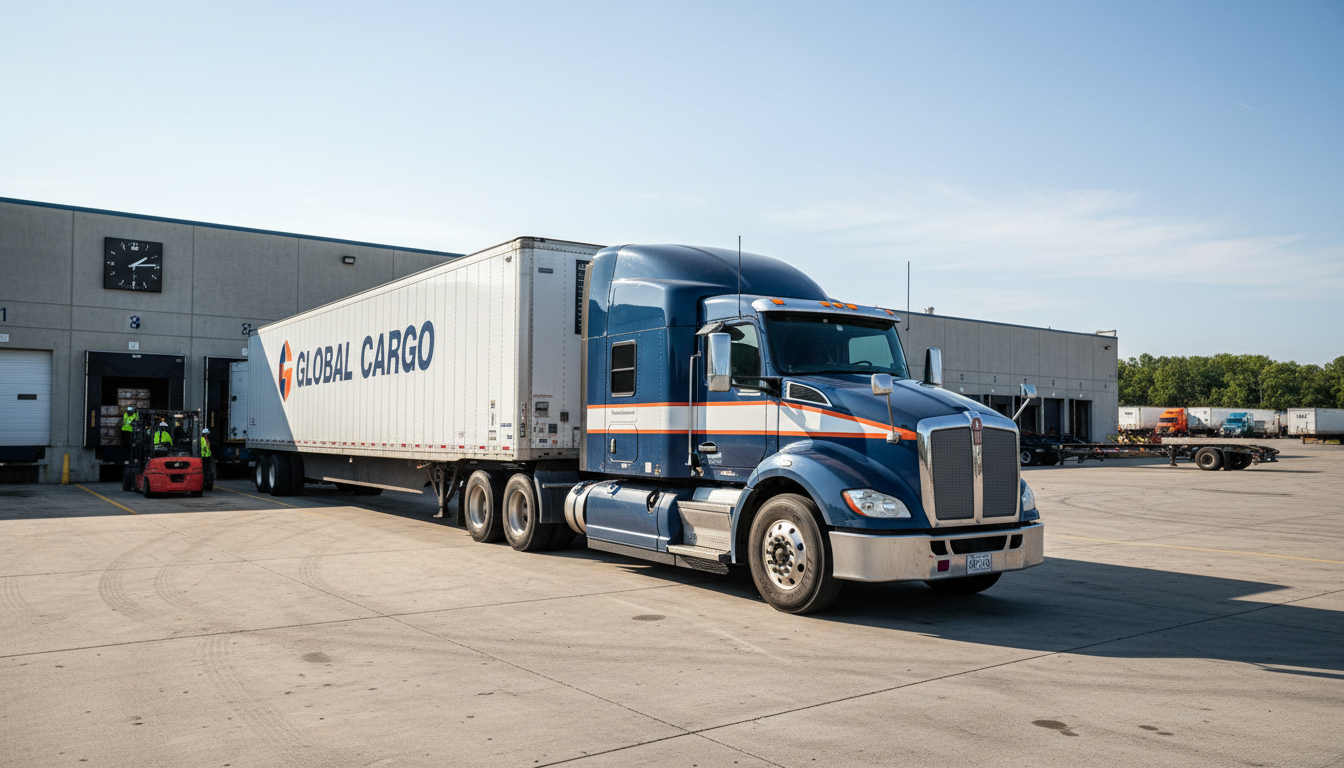
The LTL Shipping Process for Amazon FBA
The LTL (Less Than Truckload) shipping process involves several key steps that Amazon FBA sellers must follow to ensure successful delivery of their products. This section outlines a clear, step-by-step guide, detailing necessary documentation and how to choose the right carrier.
Step-by-Step Guide to Shipping
- Determine Shipment Size
- Assess the weight and dimensions of your products to confirm they qualify for LTL shipping.
- Group items that can be shipped together to maximize efficiency.
- Choose a Freight Carrier
- Research and select a reputable LTL freight carrier that aligns with your shipping needs.
- Consider factors such as transit times, service quality, and customer reviews.
- Request a Quote
- Contact your chosen carrier to obtain a shipping quote based on your shipment’s specifics.
- Ensure all costs, including fuel surcharges and accessorial fees, are included in the quote.
- Book the Shipment
- Confirm your shipment with the carrier and schedule a pickup date.
- Provide necessary details about your shipment, including pickup and delivery addresses.
- Prepare the Shipment
- Package your products according to carrier guidelines, ensuring they are secure and labeled correctly.
- Create a Bill of Lading (BOL) that includes shipment details.
- Track the Shipment
- Use the carrier’s tracking system to monitor your shipment’s progress from pickup to delivery.
- Stay updated on estimated delivery times to manage inventory effectively.
Documentation Requirements
Key documents needed for LTL shipping include:
- Bill of Lading (BOL): A legal document that outlines the details of the shipment, including the sender, receiver, and contents.
- Commercial Invoice: Provides information on the transaction value and product details for customs purposes.
- Packing List: Lists the items included in the shipment for reference during transit.
- Shipping Labels: Must be affixed to each package to ensure proper identification and routing.
Choosing a Carrier
When selecting an LTL carrier, consider the following criteria:
| Criteria | Description |
|---|---|
| Service Coverage | Ensure the carrier services both your pickup and delivery locations. |
| Transit Times | Evaluate the carrier’s average transit times to meet your deadlines. |
| Cost Structure | Review the pricing model and any additional fees that may apply. |
| Customer Support | Look for carriers that offer responsive customer service for inquiries. |
| Reputation | Check reviews and ratings from other Amazon FBA sellers for reliability. |
By following these steps and understanding the documentation needed, Amazon FBA sellers can effectively navigate the LTL shipping process, ensuring their products reach fulfillment centers without delay.
Cost Management Tips
Effectively managing costs associated with LTL shipping is crucial for Amazon FBA sellers to maintain profitability. Understanding key components of LTL rates and implementing cost-saving strategies can streamline logistics and enhance financial planning.
- Understanding LTL Rates
- LTL shipping rates are determined by several factors, including freight class, weight, dimensions, and distance.
- Sellers should familiarize themselves with freight class classifications, as these affect pricing and are based on the nature of the goods (density, value, and handling requirements).
- Request quotes from multiple carriers to compare rates and service offerings, ensuring competitive pricing.
- Reducing Shipping Costs
- Consolidate shipments whenever possible to take advantage of reduced rates for multiple items shipped together.
- Explore options for negotiating discounts with carriers, especially for high-volume shipments or frequent shipping needs.
- Utilize packaging that minimizes weight and dimensions; this can lower freight class and overall shipping costs.
- Consider accessorial charges (e.g., liftgate service, residential delivery) that might apply and plan accordingly to avoid unexpected expenses.
- Budgeting for LTL Shipping
- Create a detailed shipping budget that accounts for all potential costs, including transportation, packaging, and any additional fees.
- Monitor and analyze shipping expenses regularly to identify trends and areas for cost savings.
- Incorporate contingency funds for fluctuating shipping rates, especially during peak seasons when costs may rise.
By implementing these strategies, Amazon FBA sellers can effectively manage LTL shipping costs, enhancing their overall operational efficiency and profitability.

Comparing LTL Shipping with Other Methods
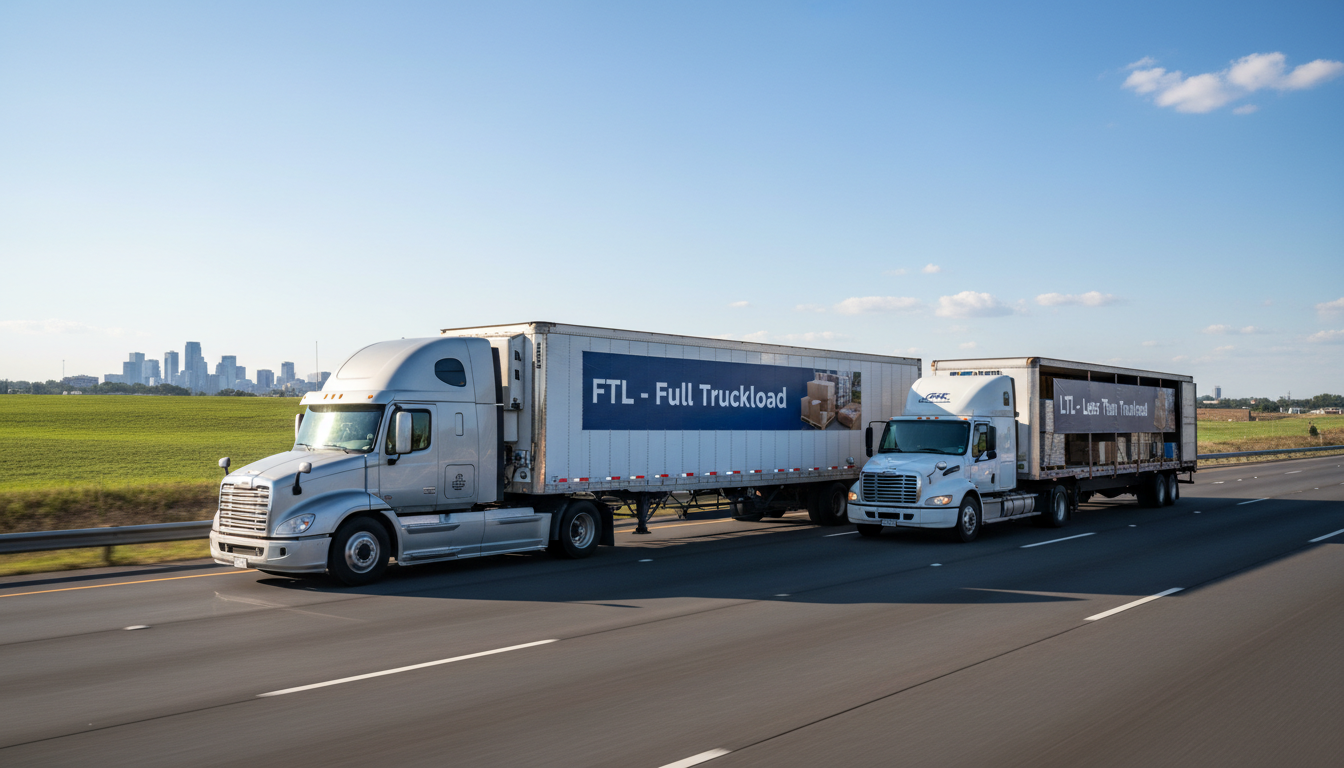
When selecting a shipping method for Amazon FBA, it’s essential to compare LTL (Less Than Truckload) shipping with other options such as FTL (Full Truckload) and air freight. Understanding the differences helps sellers choose the most suitable method based on their needs.
- LTL vs. FTL (Full Truckload)
- LTL Shipping:
- Ideal for smaller shipments that do not fill an entire truck.
- Cost-effective as multiple shippers share space, reducing per-unit shipping costs.
- Transit times can be longer due to multiple stops and handling.
- FTL Shipping:
- Best for larger shipments that require a full truckload.
- Offers faster delivery times since the truck goes directly to the destination without additional stops.
- Higher cost per shipment, but may be more economical for larger quantities.
| Feature | LTL Shipping | FTL Shipping |
|---|---|---|
| Shipment Size | Small to medium | Large |
| Cost | Lower cost per unit | Higher cost per shipment |
| Transit Time | Longer due to multiple stops | Faster, direct delivery |
- LTL vs. Air Freight
- LTL Shipping:
- More economical for domestic shipments and smaller loads.
- Longer transit times compared to air freight, making it less suitable for urgent deliveries.
- Air Freight:
- Best for time-sensitive shipments that require quick delivery.
- Typically higher costs due to speed and service.
- Suitable for high-value or perishable items needing rapid transportation.
| Feature | LTL Shipping | Air Freight |
|---|---|---|
| Cost | Generally lower | Higher |
| Speed | Slower | Fastest |
| Best For | Cost-effective bulk shipments | Urgent and high-value goods |
- When to Use Each Method
- Use LTL Shipping:
- When shipping smaller quantities that do not justify a full truckload.
- For cost-sensitive shipments where speed is less critical.
- Use FTL Shipping:
- When shipping larger volumes that can fill an entire truck.
- For faster delivery requirements where time is a priority.
- Use Air Freight:
- For urgent shipments needing quick delivery across long distances.
- When transporting high-value items that require expedited handling.
By understanding these comparisons, Amazon FBA sellers can make informed decisions on the most suitable shipping method based on their inventory needs, cost considerations, and delivery timelines.
Frequently Asked Questions
LTL shipping can pose unique challenges for Amazon FBA sellers. Understanding these common issues and best practices can significantly enhance shipping efficiency.
- Common Challenges in LTL Shipping
- Variable Transit Times: Unlike FTL shipping, LTL transit times can fluctuate based on the number of stops and consolidations. Sellers should account for potential delays in inventory planning.
- Damage During Transit: Goods can be more susceptible to damage in LTL shipments due to the handling of multiple shipments. Proper packaging and labeling are essential to minimize risk.
- Complex Pricing Structures: LTL pricing can include accessorial charges that complicate cost estimation. Sellers should clarify all potential fees with carriers upfront to avoid unexpected costs.
- Limited Tracking: Some carriers may not offer real-time tracking, leading to uncertainty about shipment status. It’s advisable to choose carriers that provide robust tracking capabilities.
- Best Practices for Amazon FBA Sellers
- Choose the Right Carrier: Research and select carriers with a strong reputation for handling LTL shipments. Consider factors like delivery speed, reliability, and customer service.
- Optimize Packaging: Use durable packaging materials and ensure that goods are securely packed to prevent damage during transit. Clearly label packages with handling instructions.
- Understand Freight Class: Familiarize yourself with freight class definitions to avoid misclassification, which can lead to higher shipping costs.
- Monitor Shipments: Regularly check shipment statuses and maintain communication with your carrier to address any issues promptly.
- Plan for Seasonality: Anticipate peak shipping seasons and adjust your inventory and shipping strategies accordingly to avoid delays and increased costs.
| Challenge | Solution |
|---|---|
| Variable Transit Times | Account for potential delays in inventory planning. |
| Damage During Transit | Use proper packaging and labeling. |
| Complex Pricing Structures | Clarify all potential fees with carriers. |
| Limited Tracking | Choose carriers that provide robust tracking. |
By addressing these common challenges and implementing best practices, Amazon FBA sellers can navigate the complexities of LTL shipping more effectively, ensuring smoother operations and better customer satisfaction.
Final Words
Final Words
Understanding LTL shipping for Amazon FBA is crucial for sellers aiming to optimize their logistics. This guide covered the definition of LTL shipping, its advantages, and the step-by-step process involved.
Key benefits such as cost-effectiveness and flexibility make LTL an attractive option. Additionally, practical tips for managing shipping costs were provided, ensuring beginners can budget effectively.
When comparing LTL with other shipping methods, the insights shared will empower sellers to make informed decisions. Embracing LTL shipping for Amazon FBA not only streamlines operations but also enhances overall efficiency, paving the way for business success.
FAQ
Q: What is LTL shipping?
A: LTL shipping, or Less Than Truckload shipping, refers to transporting smaller freight shipments that do not require a full truck. It consolidates shipments from multiple shippers, optimizing costs.
Q: Why is LTL shipping relevant for Amazon FBA sellers?
A: LTL shipping is essential for Amazon FBA sellers as it balances cost-effectiveness and flexibility, making it suitable for smaller inventory shipments that do not warrant full truckloads.
Q: What are the advantages of LTL shipping for Amazon FBA?
A: Key advantages of LTL shipping for Amazon FBA include cost-effectiveness, flexible shipping options, and environmentally friendly practices, making it a preferred choice for many sellers.
Q: How does the LTL shipping process work?
A: The LTL shipping process involves several steps, including selecting a carrier, preparing necessary documentation, and coordinating pickup and delivery, ensuring smooth transportation of goods.
Q: What documentation is required for LTL shipping?
A: Essential documentation for LTL shipping includes the bill of lading, freight class information, and any specific packaging requirements, ensuring compliance and smooth transit.
Q: How do I choose the right carrier for LTL shipping?
A: Selecting the right carrier for LTL shipping involves evaluating service reliability, pricing, transit times, and any additional services offered, ensuring alignment with shipping needs.
Q: How can I manage LTL shipping costs effectively?
A: Effective management of LTL shipping costs includes understanding LTL rates, utilizing cost-reduction strategies, and budgeting accurately for shipping expenses to avoid unexpected charges.
Q: What are common challenges in LTL shipping?
A: Common challenges in LTL shipping include delays, damage to goods, and miscommunication with carriers, which can disrupt supply chain efficiency for Amazon FBA sellers.
Q: What best practices should Amazon FBA sellers follow for LTL shipping?
A: Best practices for LTL shipping include accurate labeling, choosing reliable carriers, and maintaining clear communication throughout the shipping process to minimize errors and delays.
Ready to Optimize Your Amazon Shipping?
Get 3 route options tailored to your products and timeline
Get Your Quote→