LTL Transportation Explained: Costs and Amazon FBA Use Cases

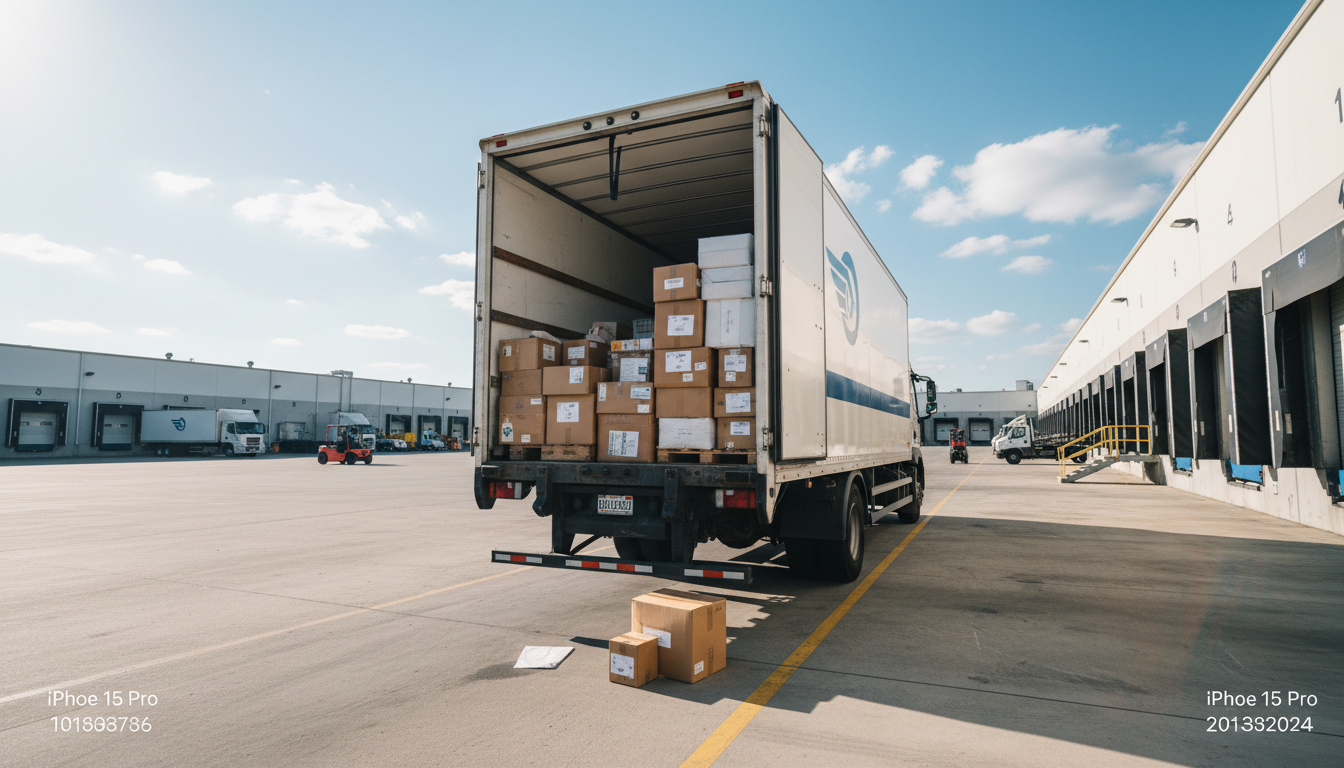
Is LTL transportation the unsung hero of e-commerce logistics, or just a cost-saving gimmick? For Amazon FBA sellers, the answer is clear: it’s a vital tool that can streamline operations and enhance profitability. LTL, or Less Than Truckload shipping, allows businesses to transport smaller shipments efficiently without incurring the hefty costs of a full truckload. This article will dive deep into LTL transportation, covering its definition, associated costs, and practical use cases for Amazon sellers, ultimately demonstrating how it can optimize supply chains and boost competitive advantage.
LTL Transportation Explained: Costs and Amazon FBA Use Cases
LTL transportation is a shipping method for freight that does not require a full truckload, making it ideal for smaller shipments that can be consolidated with other loads. This approach is particularly beneficial for e-commerce businesses, including Amazon FBA sellers, who often need to manage frequent restocks without incurring high shipping costs.
Costs Associated with LTL Transportation
- Shipping Rates:
- Rates are influenced by weight, distance, and freight class.
- Average costs range from $0.10 to $0.50 per pound.
- Weight and Dimension Limits:
- Typical weight limits for LTL shipments range from 150 to 200 lbs.
- Dimension restrictions usually cap at 8 feet long and 8 feet wide.
- Additional Fees and Surcharges:
- Common fees include fuel surcharges, residential delivery fees, and liftgate service charges.
- Accessorial charges may apply for special handling or delivery requirements.
- Cost Optimization Strategies:
- Sellers should utilize LTL shipping calculators for accurate quotes.
- Comparing LTL rates among different carriers can yield cost savings.
Amazon FBA Use Cases for LTL Transportation
- Restocking Inventory:
- LTL allows sellers to efficiently restock their inventory while managing shipping costs.
- Consolidating Shipments:
- Multiple suppliers can be coordinated to ship together, reducing overall shipping expenses and improving supply chain efficiency.
- Handling Peak Seasons:
- Flexible shipping options during peak seasons enable sellers to meet increased demand without overextending their budget.
- Example Scenario:
- A seller importing 1,500 lbs of goods can leverage LTL to minimize freight costs compared to full truckload options.
- Split shipments to different Amazon fulfillment centers help optimize storage and inventory management.
By understanding the costs involved and the practical use cases of LTL transportation, Amazon FBA sellers can enhance their shipping strategies while maintaining a competitive edge in the e-commerce marketplace.
LTL Transportation Explained: Costs and Amazon FBA Use Cases
Costs Associated with LTL Transportation
- Shipping Rates:
- Calculated based on weight, distance, and freight class.
- Average LTL rates typically range from $0.10 to $0.50 per pound.
- Weight and Dimension Limits:
- The common weight limit for LTL shipments is between 150 and 200 lbs.
- Dimensions are usually capped at 8 feet long and 8 feet wide.
- Additional Fees and Surcharges:
- Common fees include:
- Fuel surcharges.
- Residential delivery fees.
- Liftgate service charges.
- Accessorial charges may apply for special handling or delivery requirements.
- Cost Optimization Strategies:
- Utilize LTL shipping calculators for accurate quotes to avoid unexpected costs.
- Compare LTL rates among different carriers to identify the most cost-effective options.
Amazon FBA Use Cases for LTL Transportation
- Restocking Inventory:
- LTL enables sellers to restock efficiently without incurring high shipping costs, facilitating more frequent inventory updates.
- Consolidating Shipments:
- Sellers can coordinate shipments from multiple suppliers, allowing them to combine loads and reduce overall transportation expenses.
- Handling Peak Seasons:
- During high-demand periods, LTL provides flexible shipping options to meet increased inventory needs without financial strain.
- Example Scenario:
- A seller importing 1,500 lbs of goods may choose LTL to minimize freight costs compared to full truckload options while managing delivery timelines effectively.
- By utilizing split shipments, sellers can send products to multiple Amazon fulfillment centers, optimizing space and inventory management.
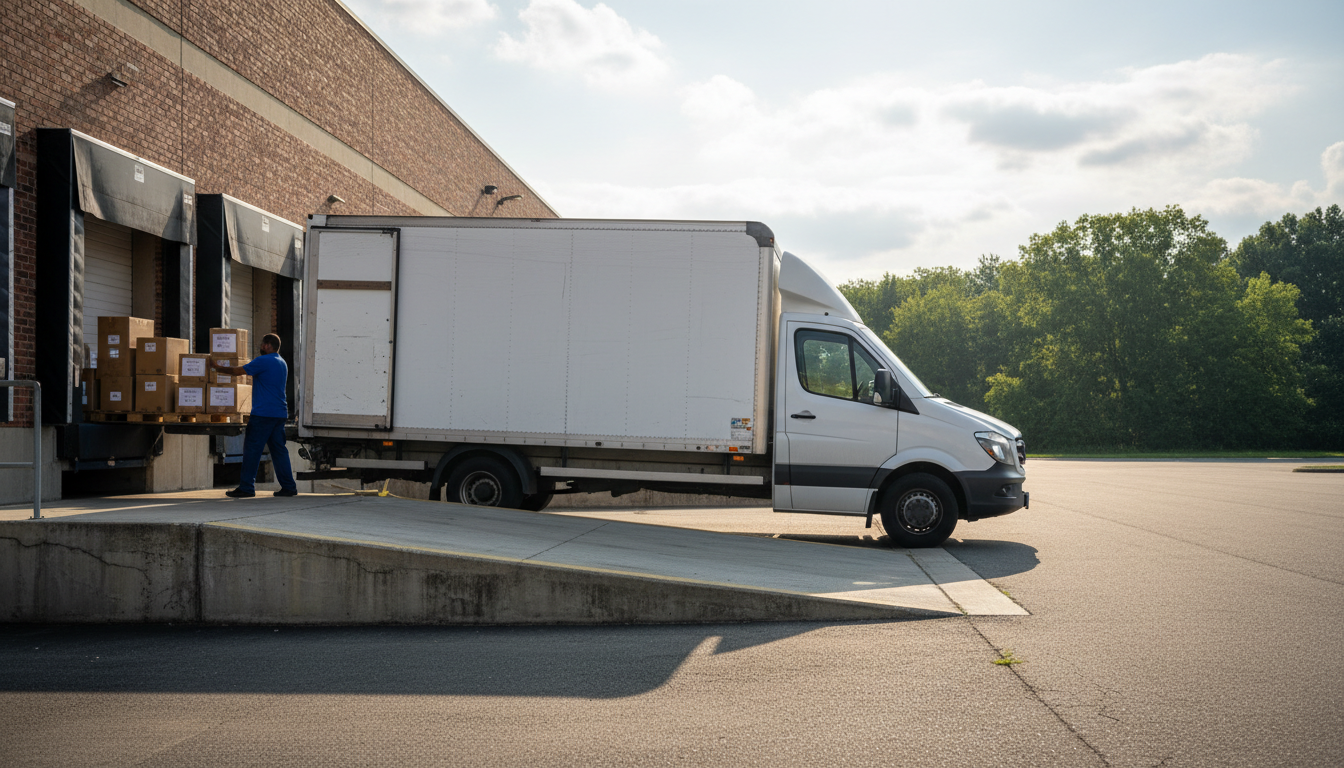
LTL Transportation in Amazon FBA
LTL transportation is particularly advantageous for Amazon FBA sellers, enabling efficient and cost-effective shipping solutions tailored to their unique needs.
- Use Cases of LTL in Amazon FBA:
- Restocking Inventory: LTL allows sellers to restock their inventory efficiently, avoiding the high costs associated with full truckloads (FTL). This flexibility is crucial for maintaining adequate stock levels without overspending.
- Combining Shipments: Sellers can consolidate shipments from multiple suppliers into a single LTL shipment, resulting in significant cost savings by sharing transportation space.
- Handling Peak Seasons: LTL provides the flexibility to adapt shipping strategies during peak seasons, ensuring timely deliveries without the financial strain of higher shipping rates.
- Benefits of Using LTL for FBA Sellers:
- Simplified Logistics Management: Consolidated shipments streamline logistics, reducing the complexity of managing multiple shipments from various suppliers.
- Reduced Shipping Delays: Dedicated LTL carriers typically offer more reliable transit times, minimizing delays and enhancing the overall supply chain efficiency.
- Enhanced Tracking and Visibility: LTL services often come with advanced tracking systems that allow sellers to monitor their shipments in real time, improving inventory management and planning.
- Practical Example:
- A seller importing 1,500 lbs of goods can leverage LTL transportation to significantly reduce overall freight costs compared to using FTL. By splitting shipments to different Amazon fulfillment centers, the seller can optimize storage space and ensure that inventory is available where it is most needed.
Utilizing LTL transportation effectively allows Amazon FBA sellers to enhance their shipping strategies, improve cash flow, and maintain a competitive edge in the e-commerce marketplace.
Common Questions about LTL and Amazon FBA
- FAQs Regarding LTL Shipping:
- What is the typical transit time for LTL shipments?
Transit times for LTL shipments typically range from 2 to 7 days, depending on the distance and the carrier. Factors such as route efficiency and handling times at terminals can impact delivery speed.
- How is freight class determined for LTL quotes?
Freight class is determined based on the density, stowability, handling, and liability of the product. Each class is assigned a specific number that helps define shipping rates and requirements.
- Comparisons to Other Shipping Methods:
- LTL vs FTL:
- LTL is more cost-effective for smaller shipments, allowing businesses to share truck space with other cargo.
- FTL is faster, suited for larger shipments, but is less flexible for businesses with low-volume needs.
- LTL vs Parcel Shipping:
- LTL is ideal for heavier items typically over 150 lbs, while parcel shipping is better for lighter, smaller packages, making it beneficial for e-commerce sellers with diverse inventory.
- LTL Shipping Tips:
- Utilize online calculators for accurate freight quotes.
Using online tools helps sellers estimate shipping costs and select the best options for their needs.
- Ensure proper packaging to avoid damage and additional charges.
Adequate packaging is crucial to protect goods during transit and can prevent unexpected fees related to damages.
- Schedule pickups with reliable carriers to minimize delays.
Working with reputable carriers ensures timely pickups and can help maintain inventory flow to Amazon fulfillment centers.
- Addressing Common Concerns:
- Understanding potential hidden fees and how to avoid them.
Sellers should seek transparency from carriers about all possible charges, including accessorial fees, to prevent budget overruns.
- Assessing the reliability of various LTL service providers.
Researching and reviewing carrier performance metrics, including on-time delivery rates and customer feedback, helps sellers choose the most dependable shipping partners.
Final Words
Final Words
LTL transportation serves as an efficient shipping method, particularly for Amazon FBA sellers managing smaller shipments. By understanding LTL’s definition, key features, and cost factors, sellers can optimize their logistics strategies.
Cost-effective solutions, flexibility, and the ability to consolidate shipments make LTL an attractive option for e-commerce businesses. Furthermore, practical use cases demonstrate how LTL enhances inventory management and reduces overall freight costs.
Adopting LTL transportation can significantly streamline operations, allowing sellers to focus on growth and improving customer satisfaction. Embracing LTL Transportation Explained: Definition, Costs, and Amazon FBA Use Cases enables sellers to navigate their shipping needs with confidence.
FAQ
Q: What is LTL transportation?
A: LTL transportation refers to shipping freight that does not require a full truckload, allowing multiple shipments to share truck space for cost efficiency.
Q: What are the key features of LTL shipping?
A: Key features of LTL shipping include cost-effectiveness for small to medium shipments, flexible schedules and routes, and suitability for e-commerce businesses needing frequent restocks.
Q: What are the costs associated with LTL transportation?
A: Costs for LTL transportation include shipping rates based on weight and distance, weight and dimension limits, and additional fees like fuel and accessorial charges.
Q: How can sellers optimize LTL shipping costs?
A: Sellers can optimize LTL shipping costs by using shipping calculators for accurate quotes and comparing rates among different carriers to find the best deals.
Q: How does LTL transportation benefit Amazon FBA sellers?
A: LTL transportation benefits Amazon FBA sellers by enabling efficient restocking, combining shipments from multiple suppliers, and providing flexible shipping options during peak seasons.
Q: What are practical use cases of LTL in Amazon FBA?
A: Practical use cases include restocking inventory without high costs, combining shipments for savings, and splitting shipments to different fulfillment centers for optimized storage.
Q: What is the typical transit time for LTL shipments?
A: The typical transit time for LTL shipments varies but generally ranges from 2 to 7 business days, depending on distance and carrier efficiency.
Q: How is freight class determined for LTL quotes?
A: Freight class is determined based on factors such as the type of goods, weight, dimensions, and handling requirements, impacting shipping rates.
Q: How does LTL compare to FTL shipping?
A: LTL is more cost-effective for smaller shipments while FTL offers faster delivery for larger loads, making it less flexible for low-volume shipments.
Q: How does LTL compare to parcel shipping?
A: LTL is ideal for heavier items and larger shipments, whereas parcel shipping is better suited for lighter, smaller packages typically under 150 lbs.
Q: What are some tips for successful LTL shipping?
A: Tips include using online calculators for accurate quotes, ensuring proper packaging to prevent damage, and scheduling pickups with reliable carriers to minimize delays.
Q: What common concerns should sellers be aware of with LTL shipping?
A: Sellers should understand potential hidden fees, assess the reliability of LTL service providers, and be proactive in avoiding additional charges during shipping.
Ready to Optimize Your Amazon Shipping?
Get 3 route options tailored to your products and timeline
Get Your Quote→