Ocean Freight Explained: Essential Cargo Insights for Sellers

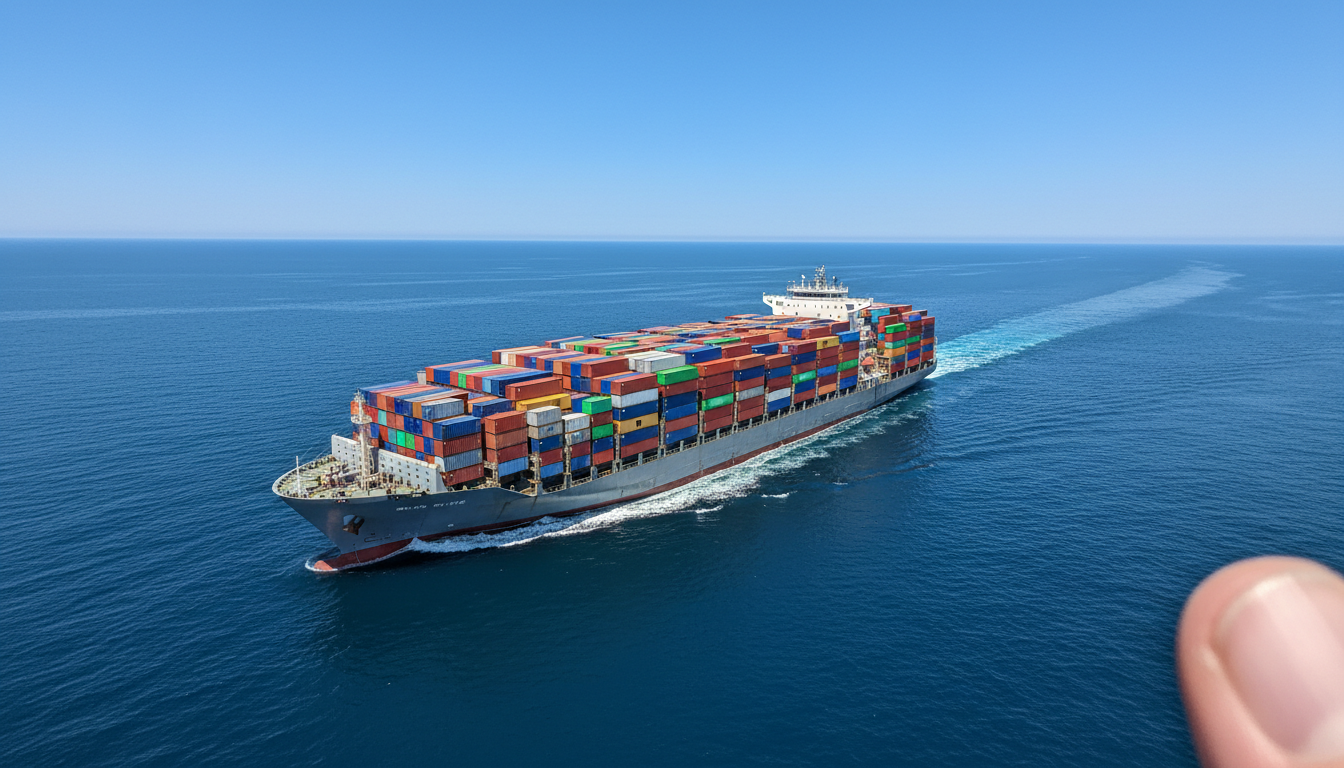
Is ocean freight a daunting labyrinth for new Amazon FBA sellers? With the right knowledge, shipping cargo by sea can transform into a streamlined process that enhances profitability. Understanding ocean freight is not just about moving goods; it’s about mastering the logistics that can make or break a business. This blog post unravels the essentials of ocean freight, providing foundational insights that every new seller needs. From basic definitions to the importance of choosing the right freight forwarder, this guide will equip sellers with the tools to navigate the complexities of shipping cargo efficiently and effectively.
Ocean Freight Explained: Essential Cargo Insights for Sellers
Ocean freight refers to the transportation of goods via cargo ships across international waters. For Amazon FBA sellers, utilizing ocean freight is vital due to its cost-effectiveness and capacity for large shipments. This method allows sellers to import products in bulk, which can significantly reduce per-unit shipping costs, especially for heavier items.
Shipping via sea is particularly advantageous for sellers focusing on inventory management and cash flow. It is a slower option compared to air freight but offers a balanced approach for those who plan strategically. Ocean freight typically involves two main types of cargo shipments:
- Full Container Load (FCL): This option is used when the shipment occupies an entire container. It is ideal for larger quantities of products, providing better cost efficiency per unit.
- Less than Container Load (LCL): This is suitable for smaller shipments that do not require a full container. Multiple sellers share the container space, making it a flexible choice for new sellers with limited inventory.
Understanding these basics is crucial for new Amazon FBA sellers to make informed decisions about their shipping strategies. This knowledge enables them to weigh the benefits of ocean freight against their specific business needs, ultimately enhancing their operational efficiency and profitability.
Key Terms in Ocean Freight Explained
Understanding key terminology in ocean freight is essential for new Amazon FBA sellers to navigate the shipping process effectively. Below are crucial terms and their definitions:
- FCL (Full Container Load): A shipping method where an entire container is used for a single shipment. This option is cost-effective for large shipments, providing better control over cargo and minimizing handling risks.
- LCL (Less than Container Load): A shipping method for smaller shipments that do not require a full container. Multiple sellers share the container space, making this a flexible and economical choice for those with limited inventory.
- Freight Forwarder: A logistics expert that manages the transportation of goods on behalf of sellers. They coordinate various shipping processes, including booking cargo space, customs clearance, and documentation preparation.
- Bill of Lading (BOL): A legal document issued by the carrier to acknowledge receipt of cargo. It serves as a contract between the shipper and carrier, detailing the type, quantity, and destination of the goods. This document is critical for customs clearance and claims.
- HS Code (Harmonized System Code): A standardized numerical method of classifying traded products. It is essential for determining tariffs, duties, and compliance with import regulations.
- Customs Clearance: The process of obtaining permission for goods to enter a country after fulfilling all regulatory requirements. It involves submitting necessary documentation, paying duties, and ensuring compliance with local laws.
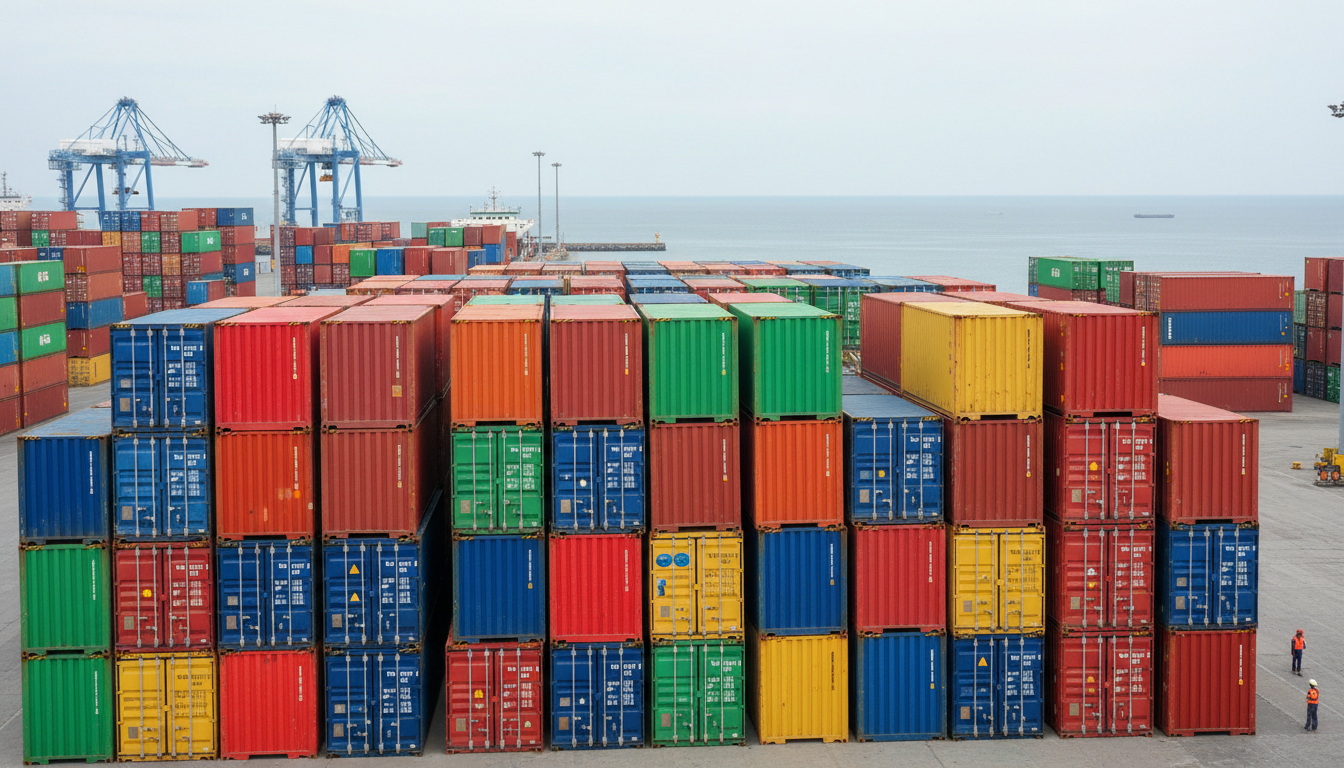
- Container Shipping: The transportation of goods in standardized containers, designed for easy transfer between different modes of transport, including ships, trucks, and trains. This method enhances efficiency and simplifies loading and unloading.
Familiarizing oneself with these terms not only enhances communication with logistics partners but also empowers sellers to make informed decisions throughout the shipping process. Understanding the nuances of ocean freight terminology is a vital step in mastering international shipping for Amazon FBA businesses.
The Ocean Freight Process: Step-by-Step
Navigating the ocean freight process is essential for Amazon FBA sellers to ensure efficient shipping of their goods. Below are the key steps involved, providing a clear roadmap for new sellers:
- Booking a Shipment
- Identify the shipping requirements, including cargo type, weight, and dimensions.
- Choose a reliable freight forwarder specializing in Amazon FBA logistics.
- Request quotes from multiple freight forwarders to compare costs and services.
- Confirm the booking by providing necessary details, such as pickup location and delivery address.
- Preparing Documentation
- Gather essential documents, including the commercial invoice, packing list, and bill of lading.
- Ensure accurate HS codes are assigned to products to avoid customs issues.
- Prepare any additional certifications required for specific products (e.g., CE marking, FDA approval).
- Coordination with Freight Forwarder
- Work closely with the freight forwarder to schedule pickup from the supplier.
- Discuss consolidation options if using LCL to share container space with other shipments.
- Confirm shipping schedules, estimated transit times, and routing options.
- Customs Clearance
- Submit required documentation to customs upon arrival at the destination port.
- Pay applicable tariffs and duties based on the declared value and HS codes.
- Address any customs inquiries or inspections promptly to avoid delays.
- Cargo Tracking
- Utilize tracking services provided by the freight forwarder to monitor shipment status.
- Receive updates on key milestones, including departure, arrival at port, and customs clearance.
- Delivery to Amazon FBA Warehouse
- Arrange for final delivery to the designated Amazon fulfillment center.
- Ensure compliance with Amazon’s packaging and labeling requirements for seamless processing.
By following these steps, new Amazon FBA sellers can effectively manage their ocean freight shipments, minimizing delays and ensuring compliance throughout the import process.
Choosing the Right Freight Forwarder
Selecting a reliable freight forwarder is crucial for Amazon FBA sellers to ensure efficient ocean freight shipping. Here are key factors to consider when making this important decision:
- Experience and Expertise: Look for freight forwarders with a proven track record in handling ocean freight, particularly for e-commerce and Amazon FBA. Their experience can provide valuable insights into shipping best practices, customs regulations, and market trends.
- Range of Services Offered: A good freight forwarder should provide a comprehensive suite of services, including booking shipments, customs clearance, cargo insurance, and warehousing options. This one-stop approach simplifies logistics and minimizes the risk of miscommunication.
- Customer Reviews and Reputation: Research online reviews and testimonials from other sellers. A forwarder with positive feedback and a solid reputation can offer peace of mind, as they are more likely to deliver reliable services and address potential issues promptly.
- Transparency in Pricing: Choose a freight forwarder that provides clear pricing structures with no hidden fees. Request detailed quotes that outline all costs associated with the shipping process, including port handling, customs duties, and insurance.
- Communication and Support: Effective communication is essential for a smooth shipping experience. Select a forwarder that offers dedicated support, responds promptly to inquiries, and provides real-time updates on shipment status.
- Technology and Tracking Capabilities: A forwarder that utilizes advanced tracking systems can enhance visibility throughout the shipping process. Look for those that offer digital documentation access and milestone alerts to keep you informed.
By carefully considering these factors, Amazon FBA sellers can select a freight forwarder that aligns with their shipping needs, facilitating a smoother logistics experience.
Customs Clearance for Ocean Freight
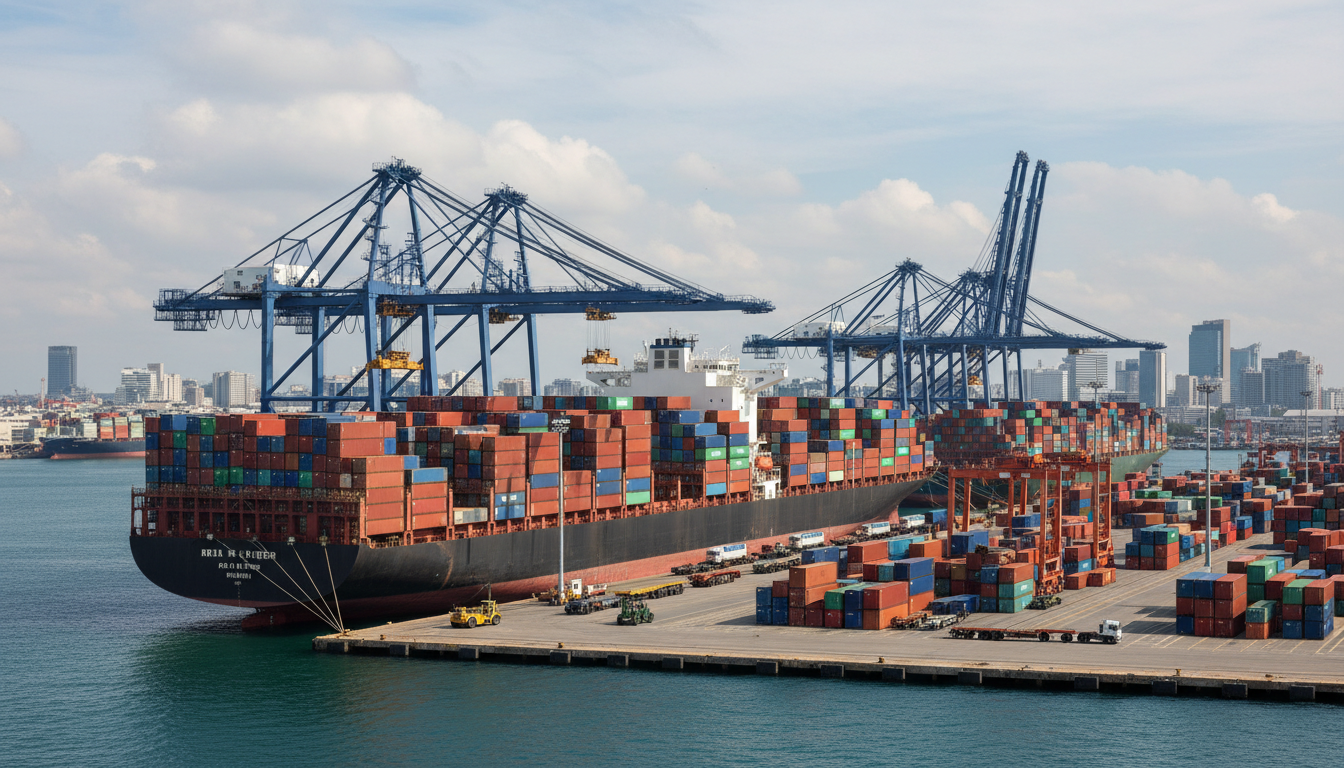
Customs clearance is a critical process that Amazon FBA sellers must navigate when importing goods via ocean freight. It involves obtaining permission from the customs authorities of the destination country to allow goods to enter its borders. Proper customs clearance ensures compliance with local regulations and minimizes delays or penalties.
Importance of Customs Clearance:
- Regulatory Compliance: Ensures that shipments adhere to all legal requirements in the destination country, preventing potential fines or confiscation of goods.
- Smooth Delivery: Proper customs clearance facilitates timely delivery of products to Amazon fulfillment centers, which is essential for maintaining stock levels and avoiding disruptions in sales.
- Cost Management: Efficient customs processes help avoid unexpected fees that can arise from delays or improper documentation.
Required Documentation:
New sellers should be prepared with the following documents for customs clearance:
- Commercial Invoice: This document provides details about the transaction, including product descriptions, quantities, and prices. It is used to determine duties and taxes.
- Packing List: A detailed list of the contents of the shipment, which assists customs officials in verifying the cargo against the commercial invoice.
- Bill of Lading: This legal document issued by the carrier acknowledges receipt of the cargo and serves as proof of ownership.
- HS Code Classification: Accurate harmonized system codes must be assigned to products to determine applicable tariffs and ensure compliance with regulations.
Potential Challenges:
- Documentation Errors: Inaccuracies or missing information can lead to customs holds, resulting in delays and increased costs.
- Classification Issues: Misclassified goods may incur higher tariffs or be subject to additional scrutiny, complicating the clearance process.
- Regulatory Changes: Sellers must stay informed about evolving customs regulations that may impact their shipments, particularly in the wake of changes in trade agreements or import policies.
Understanding customs clearance is vital for Amazon FBA sellers engaging in ocean freight. By ensuring compliance with documentation requirements and being aware of potential challenges, sellers can streamline their shipping processes and enhance their operational efficiency.
Tips for Cost-Effective Ocean Freight Shipping
For new Amazon FBA sellers, managing shipping costs is crucial to maintaining profitability. Here are effective strategies to reduce expenses when using ocean freight:
- Consolidate Shipments: Pooling multiple orders into one shipment can significantly lower per-unit shipping costs. By collaborating with other sellers or planning shipments to fill a container, sellers can maximize container space and minimize costs.
- Choose the Right Shipping Schedule: Timing is everything in logistics. Opt for shipping during off-peak seasons to avoid surcharges and delays. Planning shipments well in advance allows sellers to take advantage of lower rates.
- Negotiate Rates with Freight Forwarders: Establishing a strong relationship with freight forwarders can lead to better rates. Sellers should compare quotes from multiple providers and negotiate terms to find the best deal.
- Utilize FCL Whenever Possible: If inventory levels justify it, using Full Container Load (FCL) can be more cost-effective than Less than Container Load (LCL). FCL offers lower rates per unit and fewer handling charges.
- Monitor Volumetric Weight: Understanding how volumetric weight affects shipping costs is essential. Calculate the volumetric weight of shipments and optimize packaging to reduce costs.
- Plan for Customs Duties and Taxes: Ensure accurate HS code classification to avoid unexpected customs duties. Work with a customs broker to navigate tariff regulations efficiently.
- Implement Inventory Forecasting: Accurate forecasting helps manage stock levels, ensuring timely shipments without overpaying for expedited shipping or incurring storage fees.
By implementing these strategies, new Amazon FBA sellers can optimize their ocean freight shipping expenses, enhancing their overall profitability and operational efficiency.
Common Challenges in Ocean Freight
New Amazon FBA sellers often encounter several challenges when using ocean freight for shipping. Understanding these obstacles is crucial for effective freight management and successful logistics operations. Below are typical challenges faced by sellers, along with potential solutions to mitigate them.
- Delays in Transit:
Ocean freight is subject to delays due to weather conditions, port congestion, or unforeseen circumstances such as mechanical failures. To minimize delays, sellers should:
- Plan shipments well in advance and account for potential delays in inventory management.
- Stay informed about shipping schedules and communicate regularly with freight forwarders for updates.
- Consider using multiple shipping routes or carriers to enhance flexibility.
- Lost or Damaged Cargo:
The risk of lost or damaged cargo exists during transit. To protect against losses, sellers can:
- Purchase cargo insurance to cover potential damages or losses during shipping.
- Ensure proper packaging and labeling of products to reduce the risk of damage.
- Conduct thorough inspections upon arrival to identify any issues immediately.
- Customs Issues:
Customs clearance can be a significant hurdle, leading to delays or additional costs. To navigate customs challenges, sellers should:
- Work with experienced freight forwarders who understand customs regulations and can assist with documentation.
- Ensure all necessary paperwork, such as commercial invoices and packing lists, is complete and accurate.
- Stay informed about the HS codes relevant to their products to avoid misclassification and associated penalties.
- Compliance with Regulations:
Different countries have varying import regulations, which can complicate the shipping process. Sellers can:
- Research and understand the specific import regulations of their target markets.
- Ensure products meet compliance standards, such as CE marking or FDA approvals, to avoid issues at customs.
- Consult with legal experts or logistics specialists for guidance on compliance matters.
By preparing for these common challenges, new sellers can enhance their shipping processes and improve their overall experience with ocean freight.
Resources for Learning More About Ocean Freight
New Amazon FBA sellers seeking to deepen their understanding of ocean freight can benefit from various resources that cover shipping logistics comprehensively. Here are some recommended options:
- Online Courses: Platforms like Udemy and Coursera offer courses focused on international shipping and logistics. These courses often cover topics such as freight forwarding, customs clearance, and shipping documentation.
- Industry Blogs: Websites like FreightWaves and The Loadstar provide up-to-date articles and insights on ocean freight trends, challenges, and solutions. These blogs are valuable for staying informed about the latest developments in the shipping industry.
- Forums and Communities: Joining online forums such as Reddit’s r/FulfillmentByAmazon or Seller Central’s Community can connect sellers with experienced peers. These platforms allow for discussions on common challenges, best practices, and resource sharing.
- YouTube Channels: Many logistics experts share their knowledge through video content. Channels dedicated to shipping and e-commerce logistics can provide visual explanations of complex topics, making them easier to understand.
- E-books and Guides: Many logistics companies offer free downloadable e-books and guides that cover various aspects of ocean freight. These resources can often be found on their websites and provide in-depth information on specific topics.
- Webinars and Workshops: Participating in webinars hosted by logistics providers can offer real-time insights and the opportunity to ask questions. These sessions frequently cover pressing issues in the shipping industry and provide expert advice.
New sellers should take advantage of these resources to build a solid foundation in ocean freight, enabling them to navigate their shipping challenges effectively.
Final Words
Final Words
Understanding ocean freight is crucial for new Amazon FBA sellers aiming to streamline their import logistics. This article covered essential concepts, from defining ocean freight to navigating customs clearance and selecting a reliable freight forwarder. Key terminology was explained, providing a solid foundation for effective shipping practices.
By being informed about the ocean freight process, sellers can avoid common pitfalls and implement cost-effective strategies. With the right knowledge and resources, new sellers can confidently manage their shipping operations. Embracing these insights will pave the way for a successful Amazon FBA venture. Ocean Freight Explained: Ship Cargo Basics for New Amazon FBA Sellers sets the stage for a smoother logistics experience.
FAQ
Q: What is ocean freight?
A: Ocean freight refers to the transport of goods via cargo ships. It is crucial for Amazon FBA sellers due to its cost-effectiveness for large shipments.
Q: Why is ocean freight important for Amazon FBA sellers?
A: Ocean freight is essential for Amazon FBA sellers as it enables bulk shipping, reducing costs per unit and improving profit margins on imported goods.
Q: What types of cargo can be shipped via ocean freight?
A: Ocean freight can accommodate various cargo types, including dry goods, perishables, and large machinery, making it suitable for diverse Amazon product lines.
Q: What does FCL stand for in ocean freight?
A: FCL stands for Full Container Load, indicating that a shipment occupies an entire container, which is typically more cost-effective for large shipments.
Q: What does LCL mean in shipping terms?
A: LCL stands for Less than Container Load, describing shipments that do not fill an entire container, allowing sellers to share space and reduce costs.
Q: What is a freight forwarder?
A: A freight forwarder is a logistics expert who manages the transportation of goods on behalf of sellers, coordinating shipping processes and documentation.
Q: What is a Bill of Lading?
A: A Bill of Lading is a legal document issued by a carrier that serves as a receipt for cargo and outlines the terms of transport.
Q: What are HS codes?
A: HS codes are Harmonized System codes used internationally to classify products for customs and trade, facilitating accurate duty assessments.
Q: What are the steps in the ocean freight process?
A: Steps include booking a shipment, coordinating with a freight forwarder, loading cargo, customs clearance, and final delivery to the destination.
Q: How can sellers choose a reliable freight forwarder?
A: Sellers should evaluate freight forwarders based on experience, services offered, customer reviews, and their familiarity with Amazon FBA shipping requirements.
Q: What is customs clearance?
A: Customs clearance is the process of submitting necessary documentation to customs authorities to ensure compliance and facilitate the legal entry of goods.
Q: What documentation is required for customs clearance?
A: Required documents typically include the Bill of Lading, commercial invoice, packing list, and any applicable permits or certificates for specific goods.
Q: What challenges might new sellers face in customs clearance?
A: Challenges include missing documentation, delays in processing, and compliance issues, which can lead to additional costs or shipment disruptions.
Q: How can sellers reduce ocean freight shipping costs?
A: Sellers can consolidate shipments, select optimal shipping schedules, negotiate rates, and consider alternative routes to minimize overall expenses.
Q: What common challenges do new sellers face with ocean freight?
A: New sellers may encounter delays, lost cargo, customs issues, and unexpected fees, necessitating effective management strategies to address these challenges.
Q: What are some solutions for managing common ocean freight issues?
A: Solutions include maintaining communication with freight forwarders, implementing insurance, and utilizing tracking systems to monitor shipments proactively.
Q: Where can sellers learn more about ocean freight?
A: Sellers can explore online courses, industry forums, and educational articles to enhance their understanding of ocean freight and shipping logistics.
Ready to Optimize Your Amazon Shipping?
Get 3 route options tailored to your products and timeline
Get Your Quote→