Pallet Labeling for Amazon FBA: Prevent Rejection Issues

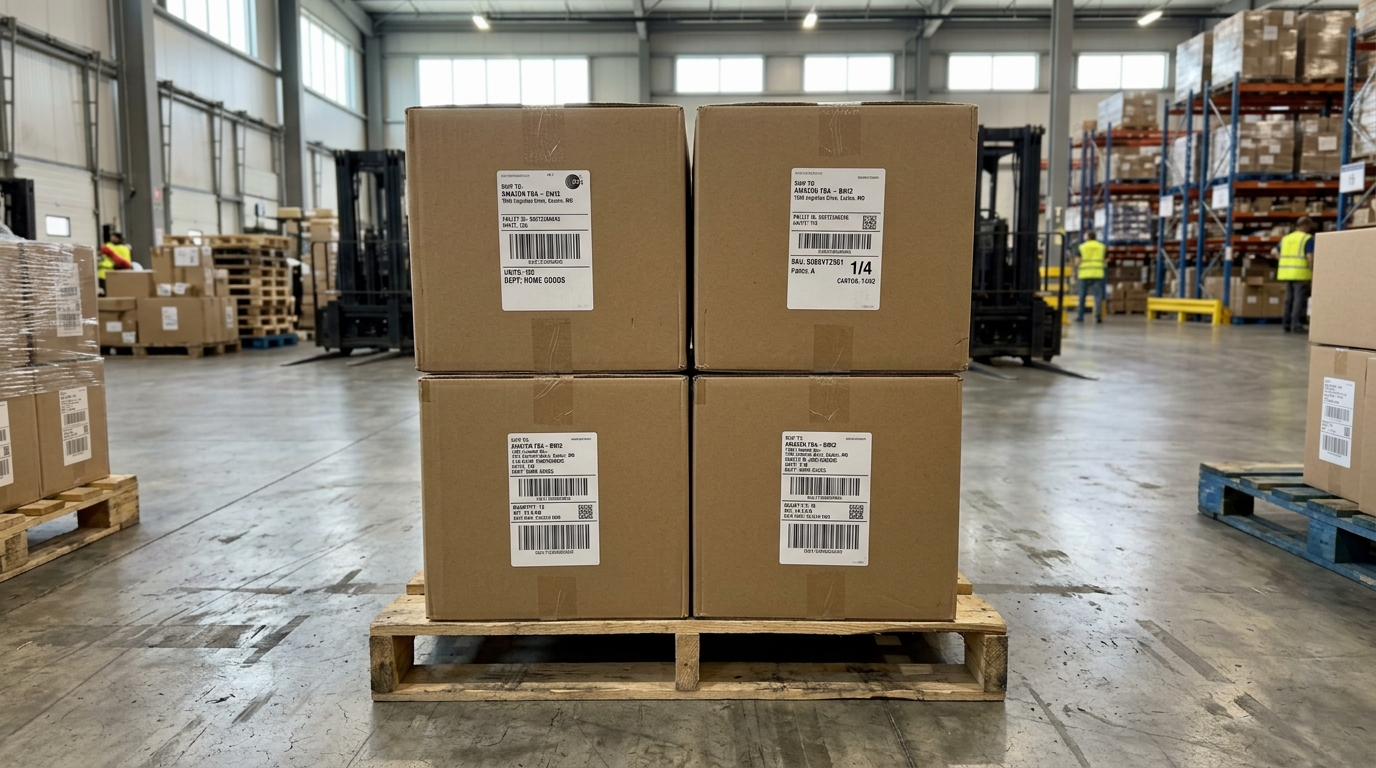
Are you aware that improper pallet labeling can lead to significant shipment rejections at Amazon fulfillment centers? Many sellers underestimate the critical role accurate labels play in ensuring smooth operations. Accurate pallet labeling is not just a minor detail; it’s a vital requirement that can make or break your FBA success. This post will delve into the essential aspects of pallet labeling, highlight common pitfalls leading to rejections, and provide actionable tips to help sellers navigate Amazon’s stringent labeling requirements, ultimately reducing the risk of costly delays and rejections.
Understanding Pallet Labeling for Amazon FBA
- Accurate pallet labeling is essential for ensuring smooth operations within Amazon’s fulfillment centers. Proper labels help streamline the receiving process, minimize delays, and prevent costly rejections.
- Amazon requires specific labeling standards that sellers must adhere to for FBA shipments. Key labeling requirements include:
- Label Size: Labels should be a minimum of 1″ x 2″ and printed on high-quality adhesive materials.
- Content Requirements: Each label must include the unique FNSKU (Fulfillment Network Stock Keeping Unit) and any other relevant product information, such as the ASIN (Amazon Standard Identification Number) and the destination fulfillment center code.
- Common standards for label placement ensure visibility and scannability:
- Labels should be placed on the longest side of the pallet, preferably at least 6 inches from the edge to avoid damage during handling.
- Ensure that labels are not placed over seams or closures of the pallet packaging, which could obstruct scanning or lead to misreads.
- Following Amazon’s guidelines closely not only reduces the risk of shipment rejections but also contributes to efficient inventory management and order fulfillment within the FBA program.
Common Rejection Reasons for Amazon FBA Shipments
- Shipments can face rejections from Amazon fulfillment centers due to various labeling errors. Understanding these common rejection reasons is critical for sellers to ensure smooth operations and avoid costly delays.
- Incorrect label placement: Labels must be positioned correctly on the pallets. If labels are not placed on the longest side or are obstructed by seams or packaging, they can be unreadable, leading to rejection.
- Missing or incomplete information: Each label must contain all required elements, including the FNSKU, SKU, and ASIN. Any missing information can cause the shipment to be flagged for rejection.
- Non-compliant label formats: Labels should adhere to Amazon’s specifications in terms of size and barcode quality. If labels do not meet these standards, they may not be scannable or readable by Amazon’s systems.
- Failure to follow Amazon’s specific labeling guidelines: Amazon provides clear instructions on how to label products. Not adhering to these guidelines can lead to rejections during the receiving process.
- Verify label placement before shipping: Ensure that labels are on the correct side and adequately distanced from edges to avoid damage.
- Ensure all required information is included: Double-check that FNSKU, SKU, and ASIN are clearly printed on each label.
- Confirm compliance with labeling formats: Review Amazon’s guidelines for label size and barcode requirements to ensure your labels are compliant before shipping.
Tips for Compliance with Amazon FBA Labeling
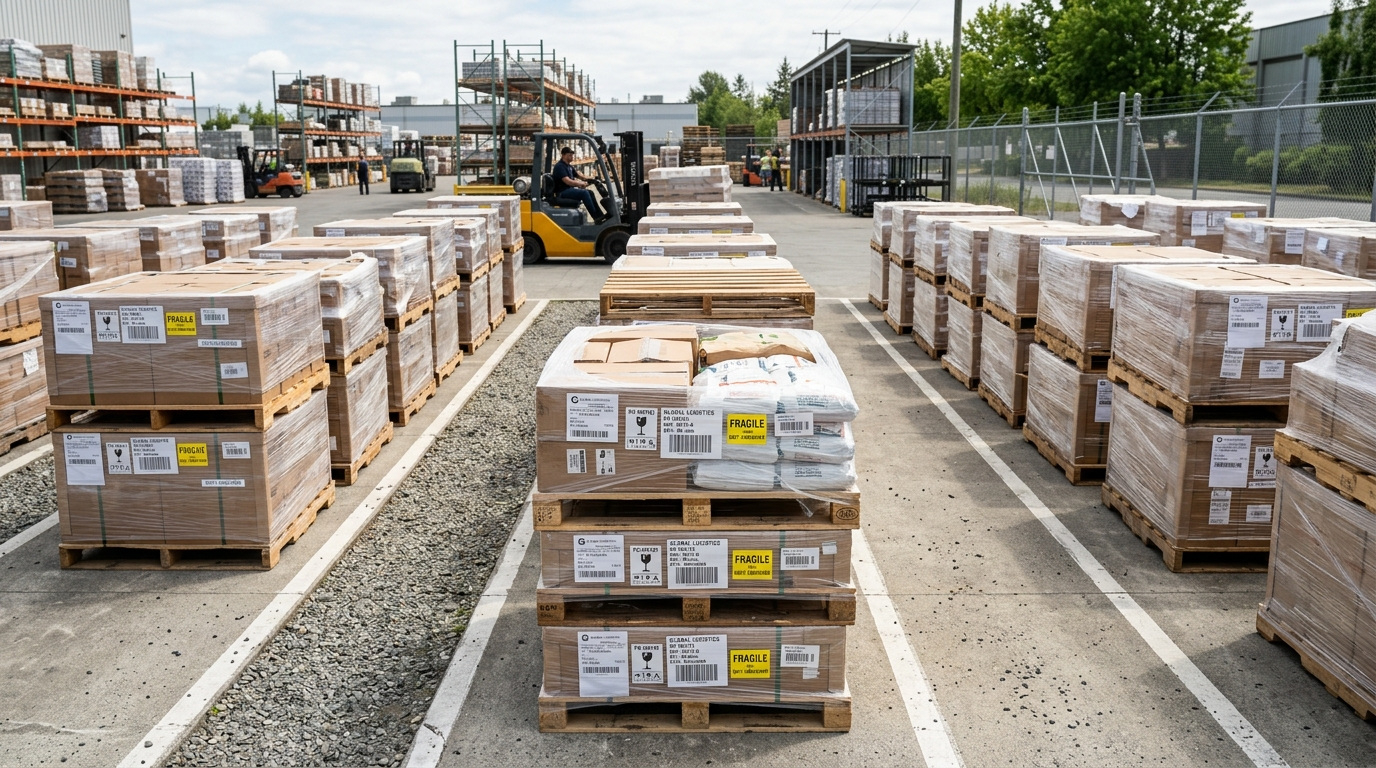
- Use high-quality labels for durability: Ensure that labels are printed on strong, adhesive materials to withstand handling during transit and storage. This prevents labels from peeling or becoming unreadable.
- Follow Amazon’s specifications for labels (size, type): Adhere to Amazon’s requirements for label dimensions and types. Labels must be a minimum of 1″ x 2″ and printed on a bright white background to enhance visibility.
- Include clear and scannable barcodes: Barcodes should be printed clearly and in high resolution. Avoid any distortion or blurriness that could hinder scanning by Amazon’s systems.
Step-by-Step Labeling Process
- Prepare labels according to Amazon guidelines: Use Amazon’s labeling templates or tools to ensure labels contain all necessary information, including the FNSKU, SKU, and ASIN.
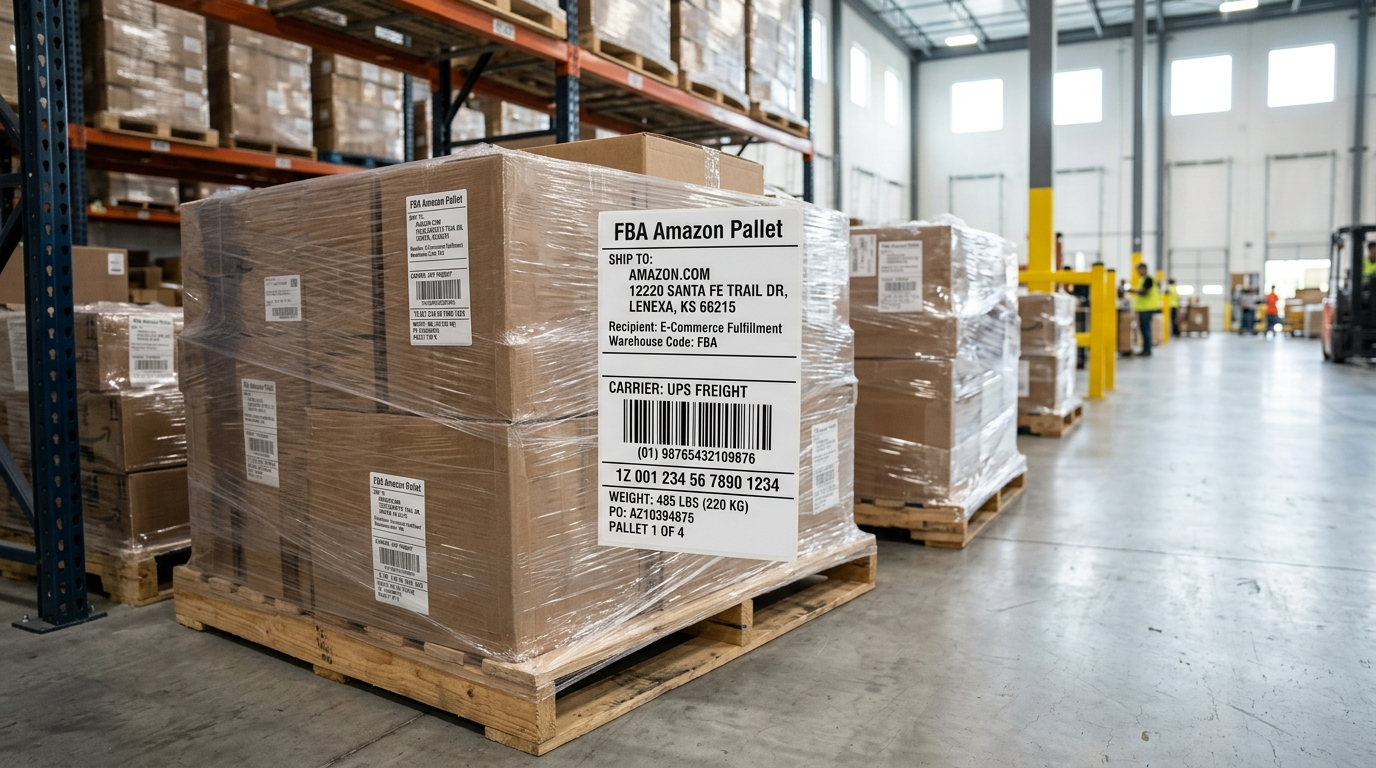
- Apply labels to the correct location on pallets: Place labels on the longest side of the pallet, ensuring they are at least 6 inches from the edge and not obstructed by seams or closures.
- Double-check for accuracy and completeness: Review each label for the correct information and compliance with Amazon’s guidelines before finalizing shipments. This step is crucial to avoid delays and rejections at fulfillment centers.
Actionable Steps to Avoid Rejections
- Double-check all label requirements before shipment: Review Amazon’s specific labeling requirements to ensure compliance. Confirm that each label meets Amazon’s size, placement, and content standards.
- Reference Amazon’s official guidelines regularly: Stay updated with Amazon’s labeling policies, as they can change. Regularly consult the Amazon Seller Central resources to ensure adherence to the latest requirements.
- Utilize tools for label generation to ensure accuracy: Consider using label generation software or services that align with Amazon’s specifications. These tools can help prevent common errors in label formats and content.
Learning from Experienced Sellers
- Share experiences on labeling mistakes: Engage with seller communities to learn about common labeling pitfalls. Understanding the mistakes others have made can help you avoid similar issues.
- Discuss successful strategies for compliance: Connect with experienced sellers to exchange best practices for compliant labeling. These discussions can reveal effective methods that streamline the labeling process.
- Recommend resources for further learning: Utilize additional educational materials such as webinars, tutorials, and Amazon’s support forums to enhance your understanding of proper labeling techniques.
| Key Action Steps | Description |
|---|---|
| Double-check all label requirements | Ensure each label meets Amazon’s standards |
| Reference Amazon’s official guidelines | Stay current with changing labeling policies |
| Utilize tools for label generation | Use software that aligns with Amazon’s labeling specs |
| Share experiences on labeling mistakes | Learn from seller communities about common errors |
| Discuss successful strategies for compliance | Exchange best practices with experienced sellers |
| Recommend resources for further learning | Explore webinars and tutorials for improved practices |
Final Words
Final Words
Effective pallet labeling is crucial for seamless Amazon FBA operations. Understanding Amazon’s labeling requirements and common rejection reasons helps sellers avoid costly mistakes.
Adhering to best practices can significantly improve compliance and reduce the risk of rejections. It’s essential to verify label placement, ensure all required information is accurate, and utilize high-quality labels for durability.
By implementing these actionable steps, sellers can enhance their shipping processes and maintain compliance.
Remember, mastering pallet labeling for Amazon FBA means avoiding the most common rejection reasons and setting the stage for successful sales.
FAQ
Q: What is the importance of pallet labeling for Amazon FBA?
A: Proper pallet labeling is crucial for smooth FBA operations, ensuring efficient processing and compliance with Amazon’s standards.
Q: What are Amazon’s labeling requirements for FBA shipments?
A: Amazon requires specific label sizes, clear content details, and adherence to common standards for label placement and visibility.
Q: What are common reasons for rejection of Amazon FBA shipments?
A: Frequent rejection reasons include incorrect label placement, missing information, non-compliant formats, and failure to follow Amazon’s labeling guidelines.
Q: How can sellers verify label placement before shipping?
A: Sellers should ensure labels are applied according to Amazon guidelines and check their locations for accuracy to prevent shipment rejection.
Q: What information must be included on FBA labels?
A: Required information includes SKU, ASIN, and any other details specified by Amazon’s labeling requirements to ensure compliance.
Q: What are best practices for ensuring FBA labeling compliance?
A: Best practices include using high-quality labels, following Amazon’s specifications, and ensuring barcodes are clear and scannable.
Q: What is the step-by-step labeling process for pallets?
A: The process includes preparing labels per Amazon guidelines, applying them correctly on pallets, and double-checking for accuracy and completeness.
Q: What steps can sellers take to avoid rejections?
A: Sellers should double-check label requirements, reference Amazon’s guidelines, and utilize label generation tools for accuracy.
Q: What can experienced sellers advise about pallet labeling?
A: Experienced sellers recommend sharing labeling mistakes, discussing compliance strategies, and suggesting resources for continuous learning on labeling practices.
Ready to Optimize Your Amazon Shipping?
Get 3 route options tailored to your products and timeline
Get Your Quote→