Sea-Air Shipping: Unlock Faster, Cost-Effective Solutions

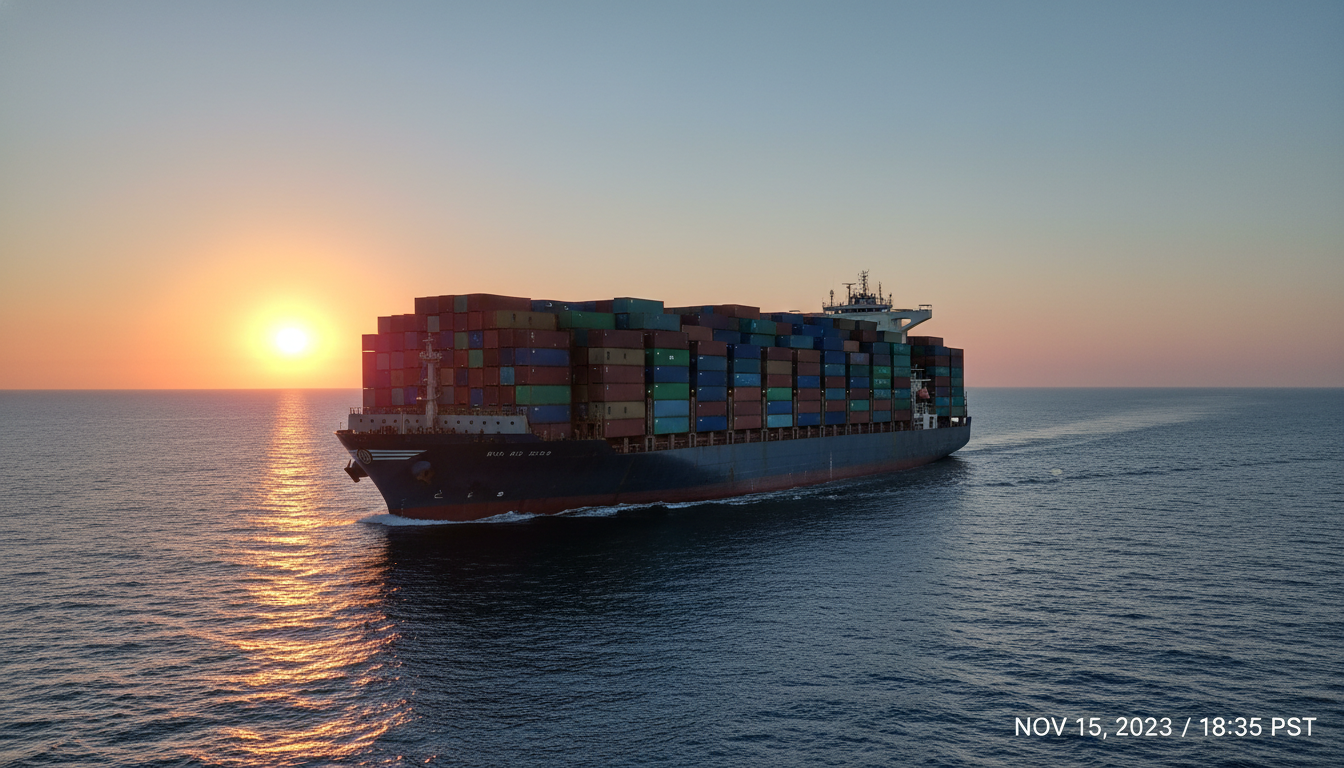
Is your shipping strategy holding back your Amazon business? Many sellers overlook a powerful hybrid solution that combines the best of both worlds: sea-air shipping. This innovative approach merges the speed of air freight with the cost savings of sea freight, offering a unique opportunity for those looking to optimize their logistics. By understanding the sea-air shipping process, Amazon sellers can unlock faster delivery times and reduced costs, enhancing their competitive edge in the marketplace. This post will delve into the nuances of sea-air shipping and its relevance for ambitious e-commerce entrepreneurs.
Sea-Air Shipping: Unlock Faster, Cost-Effective Solutions
Sea-air shipping is a hybrid logistics solution that combines the rapid transit times of air freight with the cost-effective bulk shipping benefits of sea freight. This innovative approach allows Amazon sellers to optimize their shipping strategies by reducing both transit times and overall logistics costs.
Amazon sellers often face the challenge of balancing speed and expense when transporting products. Traditional air freight, while fast, can be prohibitively expensive for larger shipments. Conversely, sea freight is more affordable but significantly slower. Sea-air shipping addresses these issues by utilizing a two-step process: goods are initially shipped via sea freight to a regional hub, and then transferred to air freight for the final leg of delivery. This method not only accelerates delivery times compared to sea freight alone but also offers substantial cost savings over using air freight for the entire journey.
The importance of sea-air shipping for Amazon sellers cannot be overstated. As competition in e-commerce continues to intensify, sellers must find ways to enhance their logistics efficiency. By implementing sea-air shipping, sellers can ensure their products reach customers more quickly, thereby improving customer satisfaction and potentially increasing sales.
In summary, sea-air shipping represents a strategic logistics option that empowers Amazon sellers to unlock faster and more cost-effective shipping solutions, addressing critical challenges in the e-commerce supply chain.
Advantages of Sea-Air Shipping
Sea-air shipping offers several key advantages that can significantly enhance the logistics strategy of Amazon sellers. This hybrid shipping method effectively combines the benefits of both air and sea freight, providing a balanced solution that caters to the evolving needs of e-commerce businesses.
- Cost Savings: Sea-air shipping provides a middle ground between the high costs of air freight and the lower prices associated with sea freight. By utilizing sea transport for the initial leg of the journey, sellers can take advantage of reduced shipping costs while still accelerating delivery times compared to sea freight alone. This approach allows sellers to maintain competitive pricing without sacrificing speed.
- Faster Transit Times: While sea freight can take weeks, sea-air shipping can dramatically shorten delivery times. The initial sea journey is followed by a quicker air freight segment, ensuring that products arrive at Amazon fulfillment centers faster than traditional sea shipping. This speed is particularly beneficial for restocking items or launching new products, where time is of the essence.
- Environmental Benefits: With increasing attention on sustainability, sea-air shipping presents an eco-friendlier option compared to air freight alone. By reducing the distance that goods travel by air, sellers can lower their carbon footprint. Shipping via sea is generally more energy-efficient, and when combined with air freight, it strikes a better balance between speed and environmental impact.
The advantages of sea-air shipping make it a compelling option for Amazon sellers looking to optimize their logistics. By leveraging this hybrid method, sellers can achieve significant cost savings, faster delivery times, and improved sustainability, ultimately enhancing their competitive edge in the e-commerce marketplace.
- Bullet-Point List of Benefits:
- Cost Savings
- Faster Transit Times
- Environmental Benefits
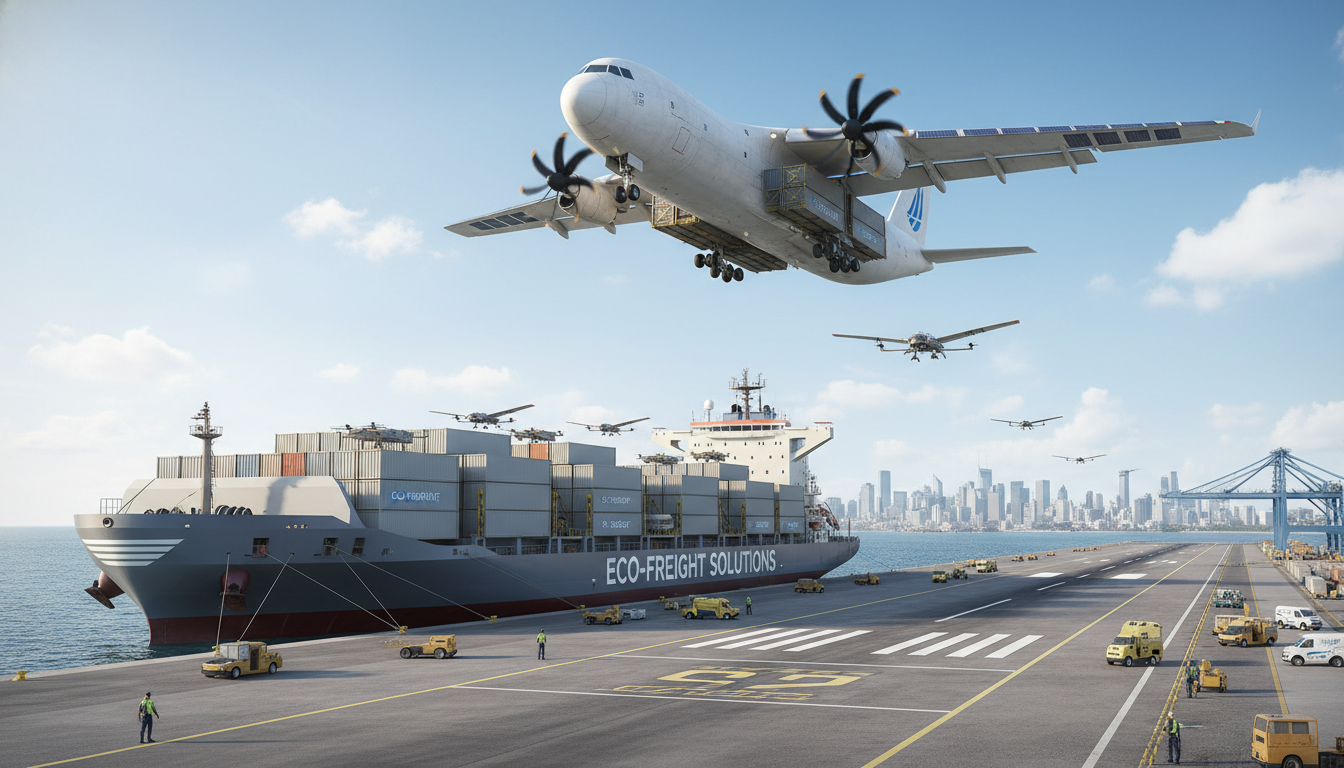
Challenges of Sea-Air Shipping
While sea-air shipping offers numerous benefits, Amazon sellers must also be aware of the challenges associated with this hybrid logistics option. Understanding these challenges can help sellers navigate potential pitfalls and optimize their shipping strategies.
- Possible Delays in Transit: Although sea-air shipping is generally faster than traditional sea freight, delays can still occur. Factors such as port congestion, customs clearance issues, or unforeseen weather conditions may impact the transit timeline. Sellers must maintain flexibility in their logistics planning to account for these potential delays.
- Complex Coordination: The two-step process inherent in sea-air shipping requires careful coordination between different transportation modes. This complexity can lead to miscommunication or logistical errors if not managed properly. Sellers need to work closely with freight forwarders and logistics providers to ensure that all elements of the shipping process align seamlessly.
- Limited Service Providers: Not all freight forwarders offer sea-air shipping as a service, which can limit options for Amazon sellers. This scarcity may result in higher costs or less favorable terms, as sellers may have to rely on a limited pool of providers. It’s essential for sellers to conduct thorough research to find reliable partners that specialize in hybrid shipping solutions.
By being aware of these challenges, Amazon sellers can better prepare for the intricacies of sea-air shipping and develop strategies to mitigate potential obstacles.
Case Studies and Examples
Real-world applications of sea-air shipping provide valuable insights into how Amazon sellers can effectively leverage this hybrid logistics solution. Below are examples of sellers who have successfully implemented sea-air shipping, along with lessons learned from their experiences.
- Case Study 1: Seller A’s Strategy
Seller A, specializing in electronic gadgets, faced challenges with high shipping costs and long lead times using traditional air freight. By switching to sea-air shipping, Seller A shipped products via sea to a regional hub in the U.S. and then utilized air freight for the final leg. This approach allowed Seller A to reduce shipping costs by 30% while cutting delivery times by 50%. The seller reported improved cash flow and ability to restock popular items more rapidly.
- Case Study 2: Seller B’s Experience
Seller B, who sells home decor items, initially relied solely on sea freight, resulting in long delivery times that affected customer satisfaction. After transitioning to sea-air shipping, Seller B noted a significant reduction in average delivery times from 45 days to 20 days. This change not only led to better reviews and customer retention but also enabled Seller B to increase sales by 25% during peak seasons. Careful coordination between sea and air freight providers was crucial in maintaining reliability.
- Key Takeaways
- Implementing sea-air shipping can lead to substantial cost savings and faster shipping times, enhancing overall business efficiency.
- Effective communication and coordination with logistics partners are essential for successful execution.
- Flexibility in shipping strategies allows sellers to respond quickly to market demands and maintain competitive advantages.
These case studies illustrate that sea-air shipping can be a transformative solution for Amazon sellers, helping them navigate the complexities of international shipping while optimizing costs and delivery times.
Comparison with Other Shipping Methods
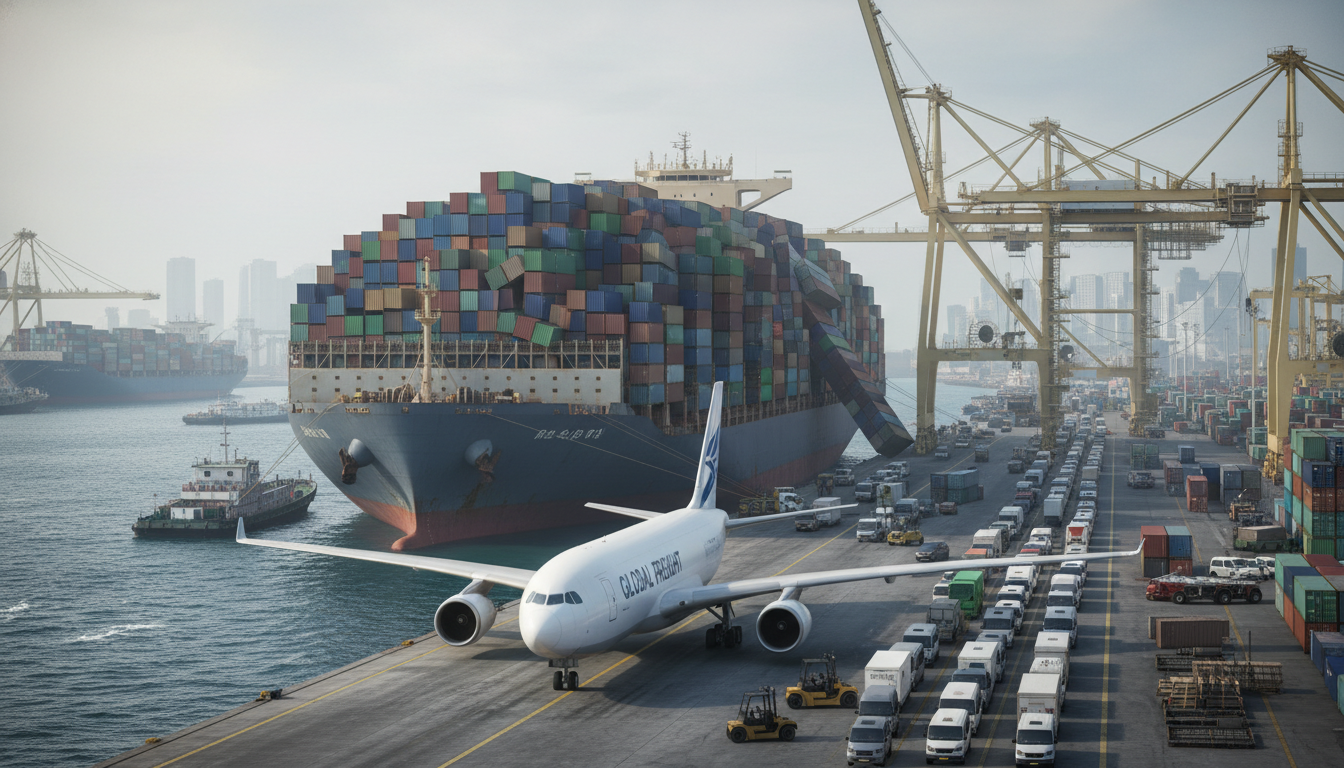
When evaluating shipping options, Amazon sellers must consider the trade-offs between cost, transit time, and the nature of their products. Sea-air shipping emerges as a viable hybrid solution that straddles the gap between traditional air and sea freight, catering to specific logistical needs.
- Sea Freight: This method is the most cost-effective option, ideal for bulk shipments. However, transit times can be significantly longer, making it unsuitable for time-sensitive deliveries. It is best suited for non-urgent shipments where cost savings are prioritized.
- Air Freight: Known for its speed, air freight is the go-to choice for urgent deliveries and high-value items. However, it comes with a high cost, which can eat into profit margins for Amazon sellers. It’s best for low-volume shipments that require immediate delivery.
- Sea-Air Shipping: This hybrid method offers a balanced solution, combining moderate costs with faster transit times compared to sea freight alone. It is particularly effective for sellers looking to optimize their logistics without incurring the high costs associated with air freight for the entire journey. Sea-air shipping is ideal for sellers with products that need a balance of efficiency and cost-effectiveness.
By understanding the nuances of each shipping method, Amazon sellers can make informed decisions that align with their business strategies and customer expectations.
| Shipping Method | Cost | Transit Time | Suitability |
|---|---|---|---|
| Sea Freight | Low | Long | Bulk, Non-urgent |
| Air Freight | High | Short | Urgent, High-value |
| Sea-Air | Moderate | Moderate | Balanced Needs |
Tips for Implementation
Implementing sea-air shipping can provide Amazon sellers with a competitive edge in logistics. Here are practical tips to streamline the process and maximize the benefits of this hybrid shipping method:
- Best Practices for Coordination:
- Establish clear communication channels with freight forwarders to ensure timely updates throughout the shipping process.
- Prepare all necessary documentation, including commercial invoices and packing lists, in advance to minimize delays at customs.
- Schedule shipments based on product demand forecasts to optimize inventory levels and avoid stockouts.
- Recommended Tools & Software:
- Utilize logistics management software that supports multi-modal shipping, allowing for easier coordination between sea and air transport.
- Implement tracking systems that provide real-time visibility of shipments, enabling proactive management of delivery timelines.
- Consider using inventory management tools that integrate with Amazon to automate reorder processes based on shipping lead times.
- Resources for Researching Providers:
- Leverage online platforms and trade associations to identify reputable freight forwarders specializing in sea-air shipping.
- Attend industry trade shows and networking events to establish relationships with potential logistics partners.
- Access case studies and testimonials from other Amazon sellers who have successfully implemented sea-air shipping to gather insights and recommendations.
By following these tips, Amazon sellers can effectively implement sea-air shipping, enhancing their logistics strategy while balancing cost and delivery speed.
Final Words
Final Words
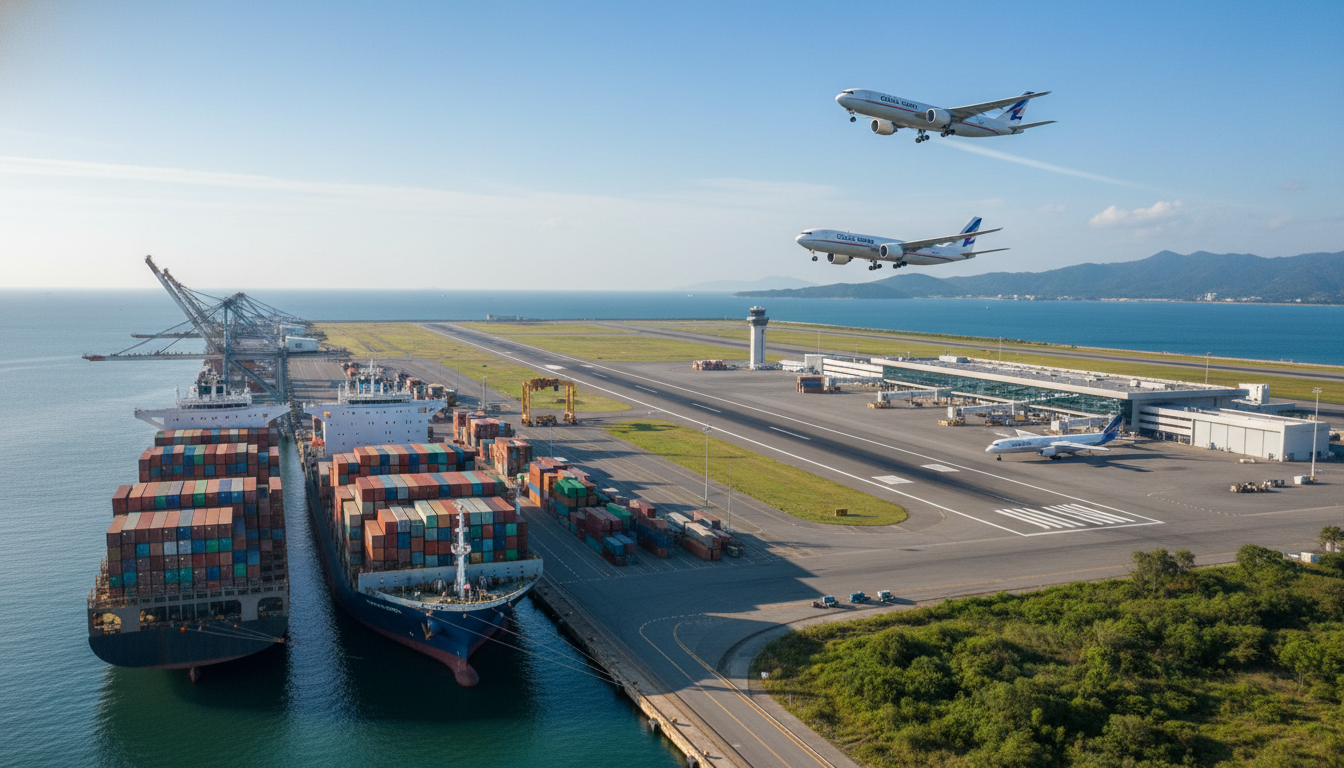
Understanding sea-air shipping empowers Amazon sellers to effectively blend cost efficiency with speed. This hybrid logistics solution offers significant advantages, including reduced shipping times and environmental benefits.
While challenges exist, such as potential delays and the complexity of coordination, real-world case studies demonstrate successful implementations that can guide new users. By comparing sea-air shipping with traditional methods, sellers can make informed decisions tailored to their specific needs.
Embracing sea-air shipping can provide a competitive edge in today’s fast-paced e-commerce landscape, transforming logistics from a hurdle into a streamlined asset.
FAQ
Q: What is sea-air shipping?
A: Sea-air shipping is a hybrid logistics method that combines the speed of air freight with the cost savings of sea freight, optimizing shipping times and costs for Amazon sellers.
Q: What are the benefits of sea-air shipping?
A: Key benefits include cost savings, faster transit times, and reduced environmental impact, making it an attractive option for Amazon sellers looking to enhance efficiency.
Q: What challenges do Amazon sellers face with sea-air shipping?
A: Potential challenges include possible transit delays, complex coordination logistics, and limited availability of service providers, which sellers must navigate carefully.
Q: Can you provide examples of successful sea-air shipping?
A: Real-world case studies highlight Amazon sellers like Seller A and Seller B, showcasing effective strategies and valuable lessons learned from their sea-air shipping experiences.
Q: How does sea-air shipping compare to traditional methods?
A: Sea-air shipping offers moderate costs and transit times, making it suitable for balanced needs. In contrast, sea freight is cheaper but slower, while air freight is faster but more expensive.
Q: What tips can Amazon sellers use for implementing sea-air shipping?
A: Sellers should follow best practices for coordination, utilize recommended tools and software, and research providers to streamline their sea-air shipping process effectively.
Ready to Optimize Your Amazon Shipping?
Get 3 route options tailored to your products and timeline
Get Your Quote→