EXW Shipping Term Explained: Ex Works Guide for US Importers
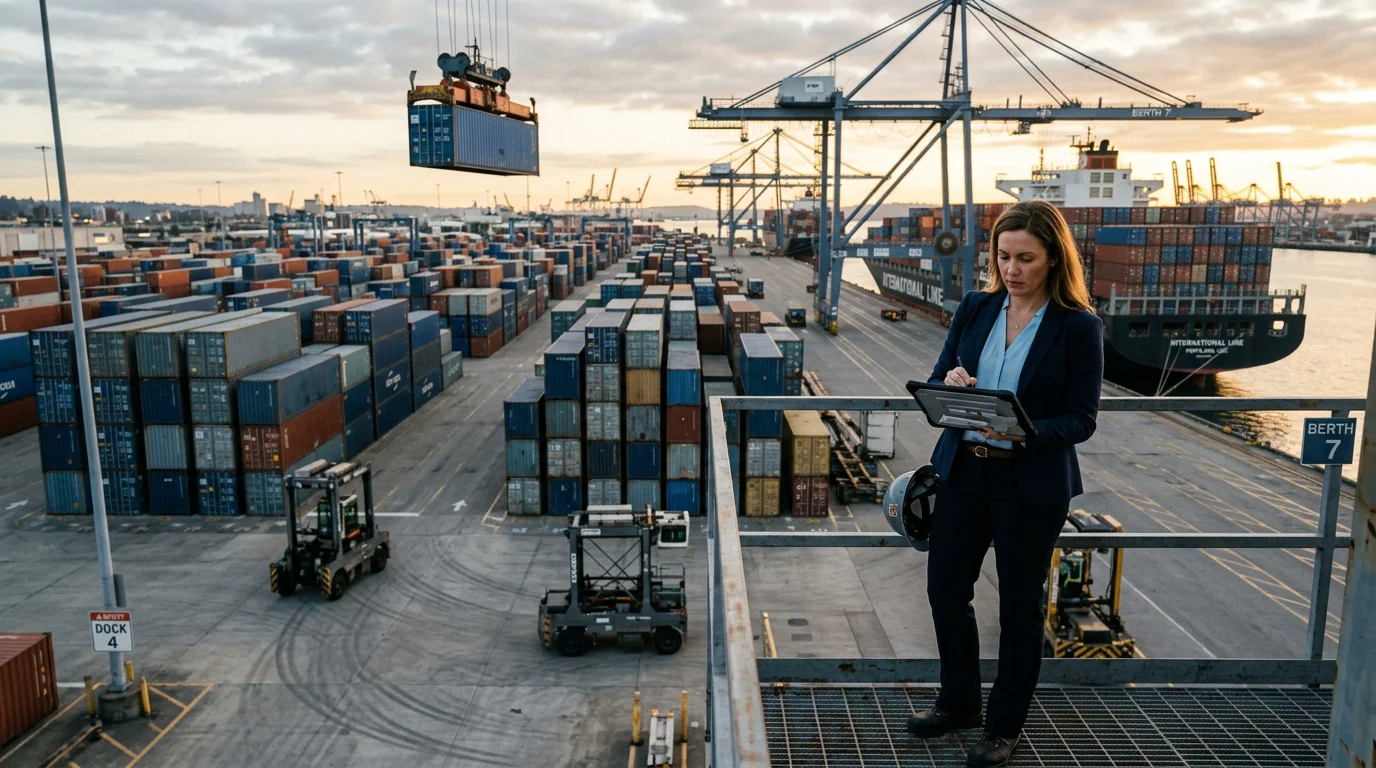
Summary: Ex Works (EXW) assigns the buyer nearly every cost and risk, from loading to import duties. It is one of 11 Incoterms 2020 rules and places the minimum obligation on the seller.
Picture signing a purchase order that looks remarkably cheap, then discovering that you now own the loading, the export paperwork, the ocean freight and every duty in between. That is the reality behind the shipment term EXW, the Incoterm that shifts almost the entire logistics chain onto the buyer. For US importers sourcing from Asia, this single choice can quietly reshape a margin. Before you commit, it helps to compare it against alternatives such as our guide to FCA terms of shipment.
Ex Works sits at one extreme of the responsibility scale, and misreading it is a common and expensive mistake. According to Export Development Canada, the ICC published Incoterms 2020 in September 2019, and those rules remain in force today. Understanding where seller duties end and yours begin is the difference between a smooth arrival and a stalled container.
What Ex Works (EXW) Actually Means
The shipment term exw, written in full as Ex Works, describes the delivery of goods by the seller at their own premises, generally a factory, plant or warehouse. The seller’s only real obligation is to make packaged goods available for collection at a named place on an agreed date.
From that moment, everything belongs to you as the buyer. As Trade Finance Global explains, because the seller does not need to load items onto a truck or worry about the freight once it has left their premises, EXW is the most favourable term for the seller. That imbalance is the whole point of the rule, and the whole risk for the buyer.
EXW is also mode neutral. It can apply to ocean, air, road or rail shipments, and it works for a domestic move as easily as a cross-border one. That flexibility is genuine, but it should never distract you from the obligations that come attached.
Seller Versus Buyer: Who Handles What
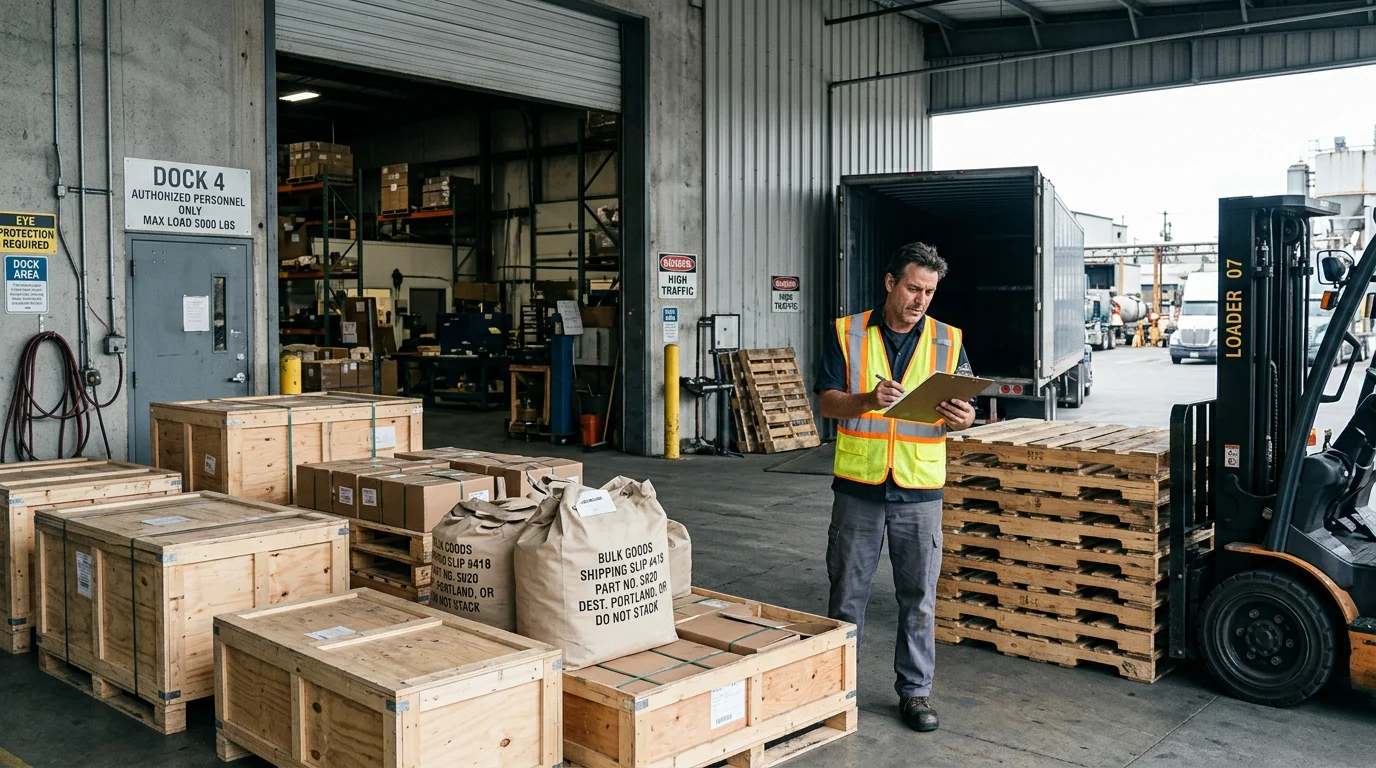
The cleanest way to grasp EXW is to see the division of duties side by side. Under this rule, the seller prepares and packages the goods, then issues notice that they are ready. You handle the rest of the journey.
| Task | Seller | Buyer |
|---|---|---|
| Goods, invoice, export packaging | Yes | No |
| Loading onto vehicle | No (unless agreed) | Yes |
| Export licenses and customs | No | Yes |
| Main carriage (sea, air, rail) | No | Yes |
| Import duties and taxes | No | Yes |
One detail trips up many importers. Risk transfers to you the moment the goods are made available for pickup, not when they are loaded. In practice, sellers often help load the truck as a courtesy, since they control the forklift and the dock. Even then, you carry the risk during that loading. If you would prefer the seller to formally handle handover to a carrier, our overview of FOB Incoterms shows a term where responsibility shifts later in the chain.
Why the EXW Price Looks Cheap and Is Not
An EXW price covers only the goods sitting at the seller’s door. It excludes loading, inland haulage, freight, customs and final delivery, which is precisely why the number looks so attractive on a quotation.
Once you add every hidden segment, the total often climbs far above the headline figure. Inland trucking to the origin port, terminal handling, ocean or air freight, import clearance and duties all stack up. For many cross-border lanes, the fully landed cost can dwarf the original Ex Works quote. Treating the EXW price as your real budget is one of the fastest ways to erode a margin on goods imported into the US.
This is where transparency matters. Rather than absorbing surprise charges, many Amazon FBA sellers prefer a delivered arrangement. We build all-inclusive quotes so that the price you approve is the price you pay, with duties and taxes accounted for in advance.
EXW Versus FCA, FOB and DAP
EXW rarely exists in isolation. Buyers usually weigh it against the neighbouring Incoterms that move more responsibility toward the seller. Each step up that ladder removes a headache from your side of the table.
- FCA (Free Carrier): the seller clears export customs and hands goods to your nominated carrier, closing the single biggest gap in EXW.
- FOB (Free on Board): the seller manages export formalities and loads the goods onto the vessel at the origin port.
- DAP (Delivered at Place): the seller carries the goods almost all the way to you, though import duties remain yours.
If your destination logistics are the priority, our explanation of DAP delivery terms details how far seller responsibility can extend before import duties become your concern. The right term depends on how much of the chain you are equipped to control.
The Export Clearance Trap in Cross-Border EXW
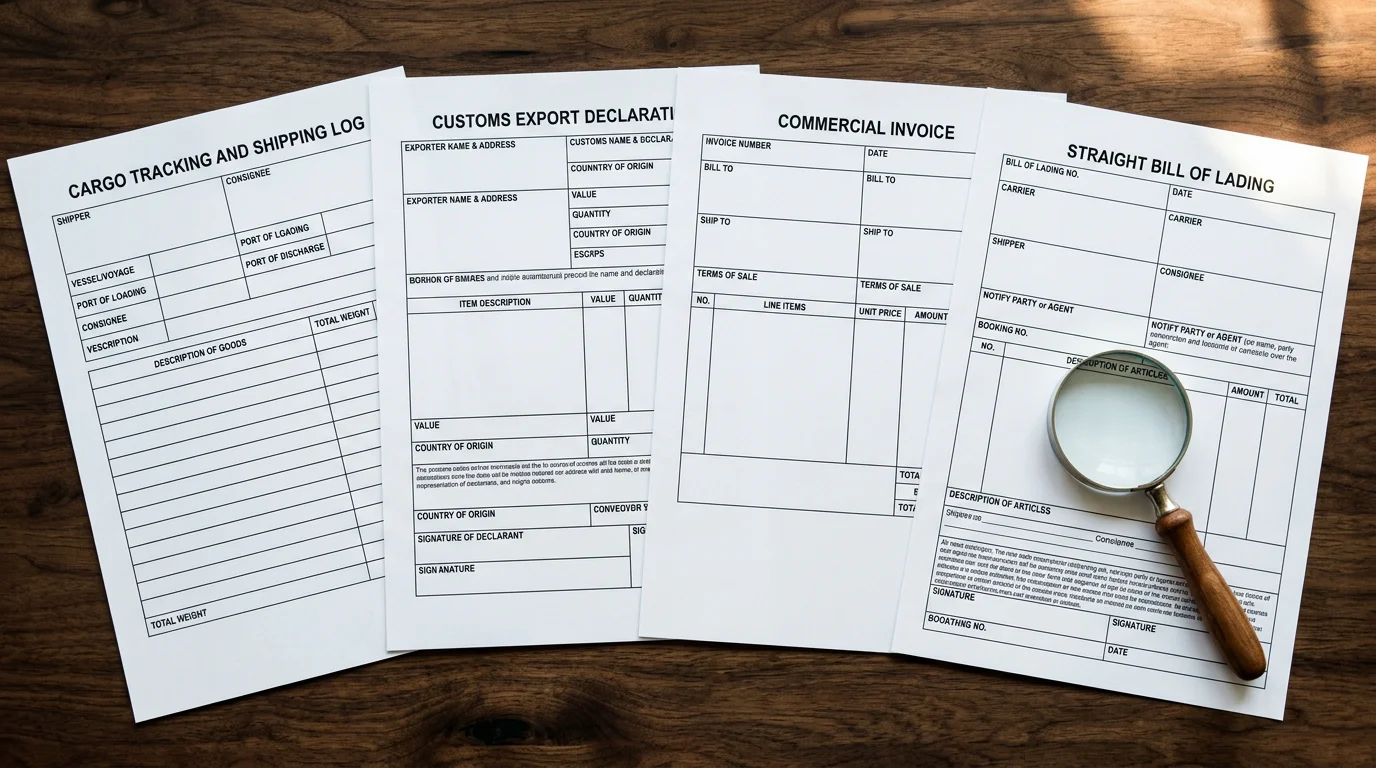
Here is the weakness that trade professionals warn about most. Under EXW, you must clear export customs in a country that is not your own, frequently without any legal presence there. That obligation is far harder than it sounds.
As Shipping Solutions notes, EXW is the only Incoterm that places export clearance on the buyer, and it remains a controversial choice for US exporters facing tighter scrutiny on routed export transactions. Sellers who pick EXW because they believe it erases their responsibilities can still remain exposed under the US Foreign Trade Regulations and the Export Administration Regulations. For this reason, the ICC widely recommends FCA over EXW for cross-border trade.
For an importer, the lesson is direct. If you cannot legally file the export declaration in the seller’s country, you need a partner on the ground who can. That is a core reason many buyers step away from EXW toward a fully managed shipment. To weigh the extremes of the responsibility scale, our comparison of DDP versus FOB shows how a delivered-duty arrangement removes the origin clearance burden entirely.
When EXW Makes Sense and How to Reduce Risk
EXW is not always the wrong answer. It suits experienced importers who already have a trusted freight forwarder or agent at origin, want full control over routing and carrier choice, and are confident navigating the local export process. In volatile freight markets, that control lets you cherry-pick carriers and consolidate loads.
If you decide to proceed, protect yourself. Specify the exact pickup location, whether loading assistance is included, and a clear delivery notice period in the sales contract. Reference Incoterms 2020 explicitly to remove ambiguity, pre-validate your HS codes, and secure cargo insurance from the point of handover, since the seller rarely insures beyond their premises.
For sellers shipping from China into Amazon FBA, the simpler path is often to remove the EXW burden altogether. We collect directly from your supplier, manage the formalities, and deliver to the Amazon warehouse with real-time updates via WhatsApp, so the origin export headache never lands on you.
Conclusion
The Ex Works Incoterm is deceptively simple: the seller makes goods available, and you own everything after that, including the export clearance that trips up so many cross-border buyers. The low EXW price is only the tip of the iceberg, because it excludes the freight, duties and handling that decide your true landed cost. Choose it only when you have reliable origin support, and price the full chain before you commit. When you would rather skip the complexity entirely, our all-inclusive DDP service handles collection, customs and delivery under a single transparent quote, with duties and taxes included in advance. To move your next shipment without the EXW guesswork, discover our DDP shipping service from China.
Frequently Asked Questions
Does the seller pay anything under EXW?
The seller is responsible only for making the packaged goods available at the named place, along with the commercial invoice and export marking. Every subsequent cost, from loading to import duties, falls to the buyer.
Is EXW a good choice for cross-border shipping?
It is generally discouraged for cross-border trade because the buyer must clear export customs in a foreign country. Many importers prefer FCA or a delivered term, and our team can handle the full origin-to-warehouse process for you.
Who bears the risk if goods are damaged during loading?
Under EXW, risk transfers to the buyer the moment the goods are made available for pickup. Even when the seller assists with loading as a courtesy, the buyer carries the risk during that operation.
Ready to Optimize Your Amazon Shipping?
Get 3 route options tailored to your products and timeline
Get Your Quote→