CPT Shipment Terms: Carriage Paid To Explained for Shippers
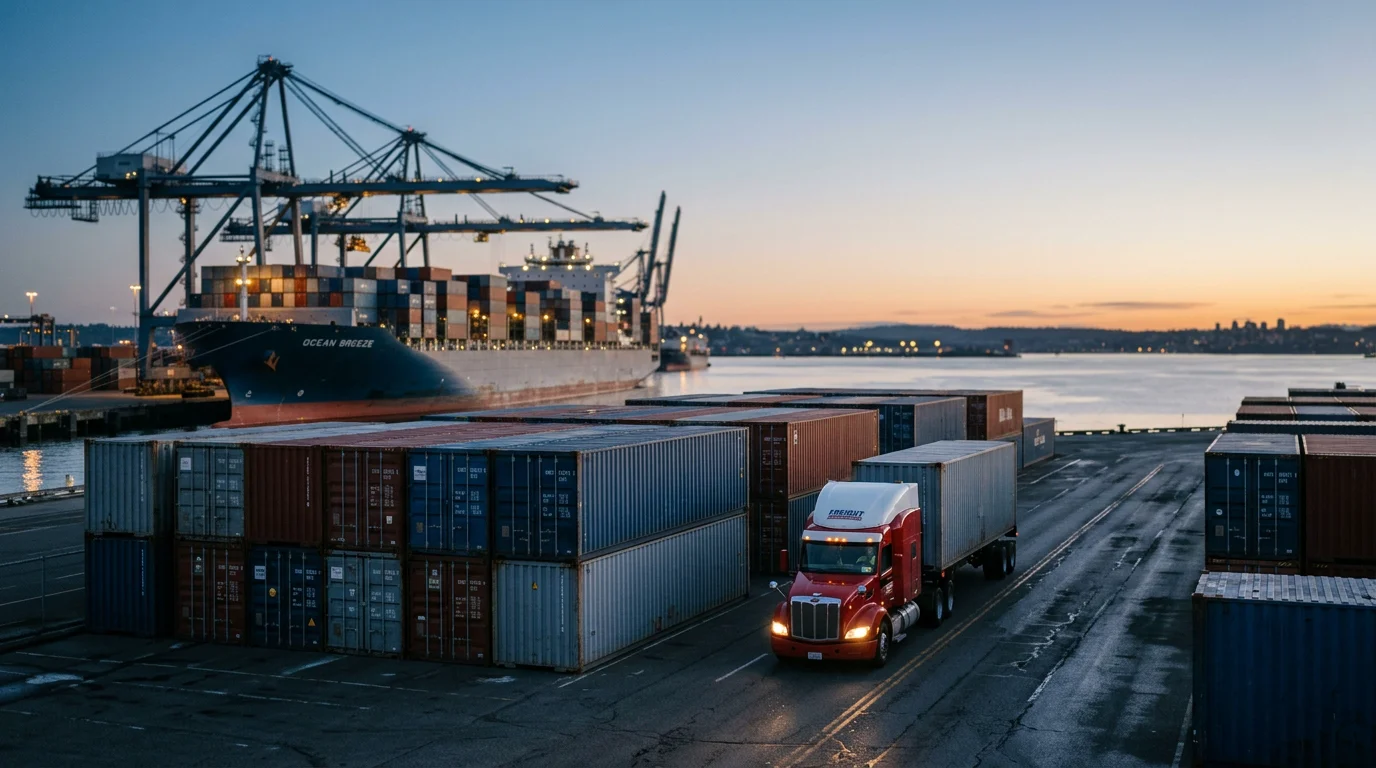
Summary: Under Carriage Paid To (CPT), the seller arranges and pays for carriage to a named destination, yet risk passes to the buyer the moment the goods reach the first carrier. This split between cost and risk defines the term. CPT works for any transport mode and suits shippers who want the seller to handle export and main carriage.
The gap between who pays and who carries the risk trips up more importers than any other clause in a sales contract. When you agree to the Carriage Paid To rule, the seller books and funds transport to the destination you name, but your exposure to loss or damage begins far earlier. Reading the fine print correctly protects your margins, and our guide to Carriage Paid To (CPT) Incoterm meaning and rules breaks the mechanics down step by step.
This single distinction, cost transferring at one point and risk at another, is what makes CPT powerful and, when misread, expensive. Understanding it before you sign helps you decide whether the seller, the buyer, or a dedicated forwarder should own each leg of the journey. The paragraphs below walk through the definition, the obligations, and the practical scenarios where CPT earns its place.
What the CPT Incoterm actually means
Carriage Paid To belongs to the eleven Incoterms rules published by the International Chamber of Commerce. In plain language, the shipment terms cpt place the responsibility for arranging and funding transport on the seller, up to a named place of destination, while the buyer takes over the risk much earlier. According to the ITA, Incoterms are a set of eleven internationally recognized rules that define the responsibilities of sellers and buyers, specifying who manages shipment, insurance, documentation, and customs clearance.
CPT applies to any mode of transport, whether by sea, road, rail, air, or a combination of them. The seller clears the goods for export and hands them to a carrier, which may be a shipping line, an airline, a trucking company, a railway, or a freight forwarder. If you want to compare the term against its close relatives, our explainer on what CPT means as an Incoterm lays out the essentials.
Where risk and cost transfer under CPT
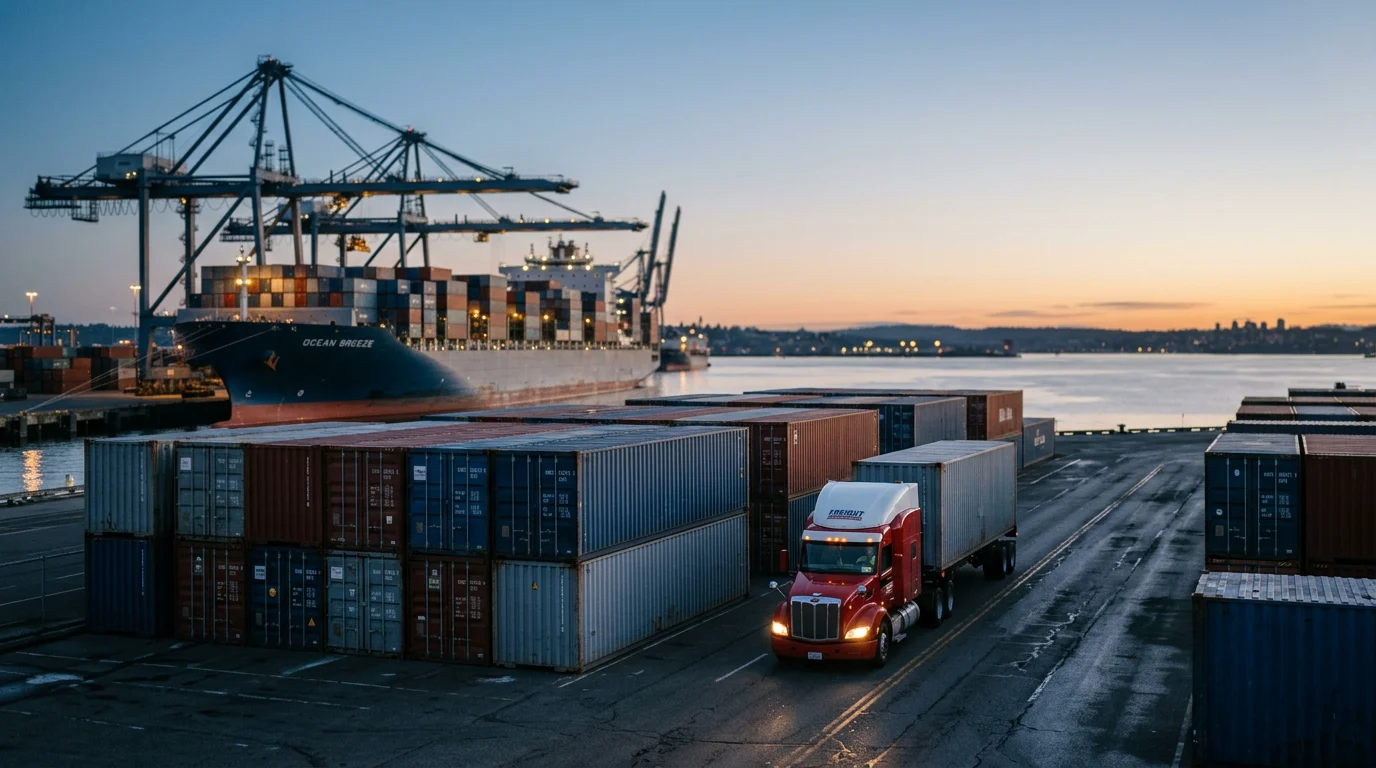
This is the heart of the term, and the point most often misunderstood. Under CPT, the transfer of risk and the transfer of cost happen at two different locations. Risk passes to the buyer when the goods are handed over to the first carrier, not when they arrive at the destination. Cost, by contrast, stays with the seller until the goods reach the named place of destination.
Imagine a supplier in Shenzhen selling to a buyer in Chicago on CPT terms. The seller pays the freight all the way to Chicago. Yet if the container is damaged mid-ocean, the loss falls on the buyer, because risk already transferred back in China when the goods reached the first carrier. In multimodal transport, the delivery point is the first carrier in the chain, regardless of how many handovers follow.
The seller pays to move the goods to the destination, but any damage after the first carrier takes charge is the buyer’s responsibility.
Because of this split, buyers who want protection during the main journey should arrange their own cargo insurance or consider CIP instead. Sellers, meanwhile, should notify the buyer promptly once delivery to the carrier is complete, so the buyer can secure coverage without a gap.
Seller and buyer obligations under CPT
Clarity on obligations prevents disputes later. Under CPT, the seller manages export formalities, contracts the carriage, and covers freight costs to the destination. The buyer handles import duties, customs clearance in the destination and any transit countries, and any onward transport once the goods arrive. The table below summarizes the division.
| Responsibility | Seller | Buyer |
|---|---|---|
| Export packaging and marking | Yes | No |
| Export licenses and customs | Yes | No |
| Main carriage to destination | Yes (pays) | No |
| Risk during main carriage | No | Yes |
| Import duties and clearance | No | Yes |
| Onward transport after arrival | No | Yes |
For a fuller checklist of documentation and delivery points, our CPT terms of delivery overview maps each duty to the moment it occurs. Trade Finance Global notes that CPT specifies the seller bears the costs of transporting goods to the buyer’s nominated place while risk transfers once the carrier takes charge of the goods.
CPT versus CIP and DAP: choosing the right term
CPT sits within the “C” group of Incoterms alongside CIP. The two are almost identical, with one decisive difference: under CIP, the seller must also buy cargo insurance, and Incoterms 2020 raised that coverage to Institute Cargo Clauses “A” at a minimum of 110% of the contract value. If insurance is not a concern, CPT keeps the arrangement simpler.
DAP, Delivered at Place, shifts the picture again. There, the seller retains risk all the way to the destination, which better matches buyers who want protection during the entire journey. The choice depends on how you want to allocate liability, cost, and control.
| Provider or term | Seller pays main freight | Seller carries risk to destination | Insurance by seller |
|---|---|---|---|
| CPT | Yes | No | No |
| CIP | Yes | No | Yes (ICC A, 110%) |
| DAP | Yes | Yes | No |
| QG Horizon (DDP service) | Yes, plus duties | Managed end to end | On request |
We include our own service in the comparison because many importers ultimately want a single party accountable from the supplier’s door to the final warehouse. Where CPT still leaves the buyer holding customs and onward delivery, our door-to-door coordination removes those handoffs entirely.
When CPT fits Amazon FBA shipments from China
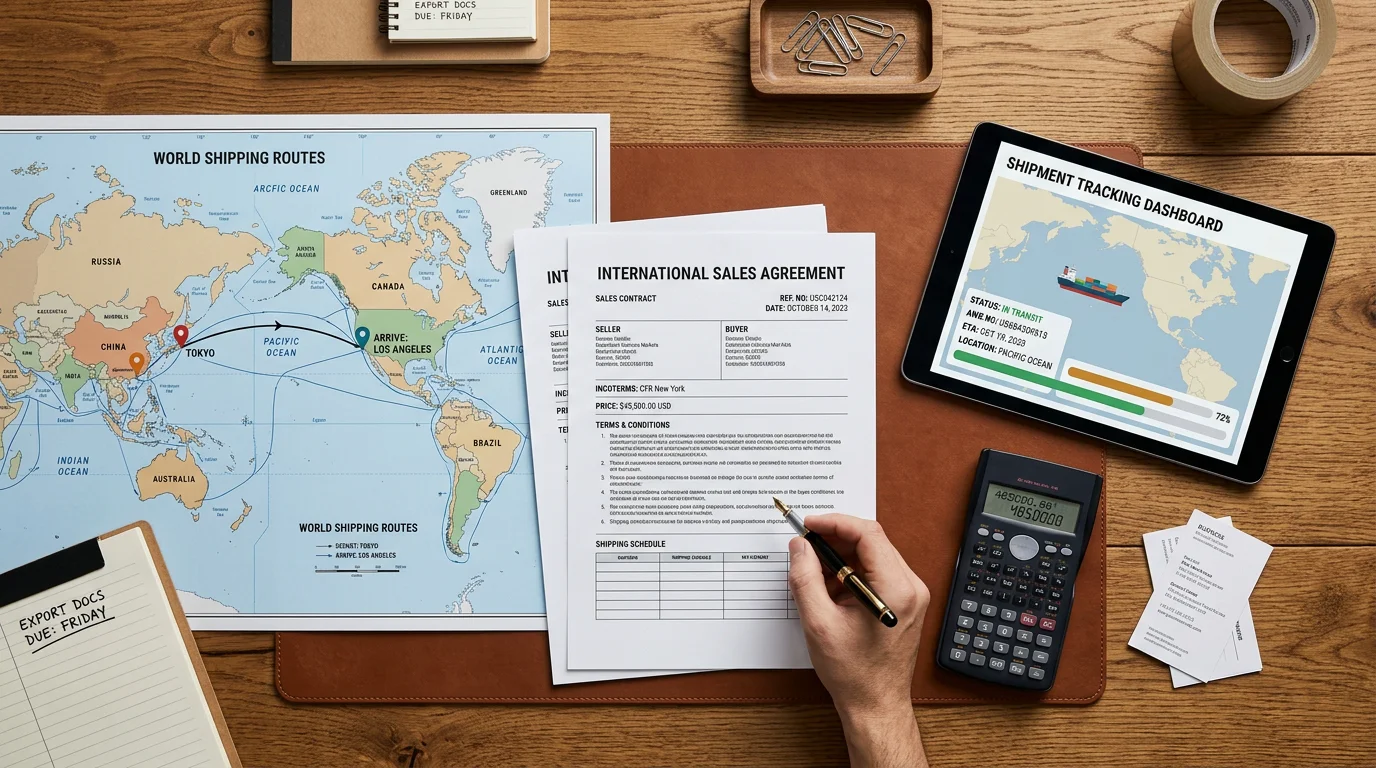
For sellers moving inventory from Chinese suppliers to Amazon warehouses, CPT can look attractive because the supplier arranges the freight. Yet the term stops short of the fulfillment center. It does not cover import duties, customs clearance, or the final leg to the Amazon warehouse, and it leaves risk with you during the main journey. Those gaps are exactly where FBA plans stall.
This is where we help. As an Amazon FBA forwarder based in Shenzhen, we collect goods from your supplier and deliver them all the way to the Amazon warehouse under DDP, with duties and taxes included in a known, all-in price. You receive a quote within 24 hours with three route options, real-time tracking, and WhatsApp updates seven days a week. If CPT leaves you exposed on customs and last-mile delivery, our managed model closes that gap.
Common mistakes to avoid with CPT
The most frequent error is assuming risk transfers at the destination. It does not. Because the destination is named in the contract and the seller pays the freight there, parties wrongly believe the seller stays liable until arrival. Naming a precise place of delivery as well as the named place of destination avoids this confusion.
A second pitfall is skipping insurance. Since neither party is obliged to insure under CPT, cargo can travel uncovered unless the buyer acts. A third is misapplying the term when the buyer expects delivery deeper into the journey; in that case DAP is usually the better fit. Guidance from the International Trade Administration observes that most B2B ecommerce agreements use EXW, CPT, or CIF, which makes getting the term right a routine but high-stakes decision for US importers.
Making CPT work for your trade
The value of understanding the Carriage Paid To rule comes down to one habit: never assume cost and risk move together. The seller funds carriage to the destination you name, but your exposure begins the instant the first carrier takes the goods. Name your delivery and destination points precisely, arrange insurance if you want protection during transit, and confirm who owns customs and the final mile. When those questions are answered before you sign, CPT becomes a clean, predictable term rather than a source of costly surprises.
Take action with QG Horizon
Choosing the right Incoterm is only half the job; executing the shipment without customs delays is the other half. If you are moving inventory from China to Amazon warehouses, you likely want one accountable partner from the supplier’s door to the fulfillment center, not a chain of handoffs where risk quietly changes hands.
We collect from your supplier, clear customs under DDP with duties and taxes included, and deliver to the Amazon warehouse, with a 24-hour quote, three route options, and real-time WhatsApp tracking. Explore our detailed CPT shipment terms guide to see how these terms fit a fully managed shipping plan.
Frequently Asked Questions
Who pays for freight under CPT?
The seller arranges and pays for carriage to the named place of destination. This includes the main transport leg across any mode. The buyer, however, becomes responsible for import duties and any onward transport after arrival.
When does risk transfer under CPT terms?
Risk passes to the buyer the moment the goods are handed to the first carrier, not when they reach the destination. In multimodal shipments, this means the very first carrier in the chain. Cost and risk therefore transfer at two different points.
Is CPT the same as CIP?
They are nearly identical, with one difference: under CIP the seller must also purchase cargo insurance. Incoterms 2020 set that coverage at Institute Cargo Clauses “A” for at least 110% of contract value. CPT carries no insurance obligation.
Does CPT cover import duties or delivery to an Amazon warehouse?
No. CPT ends at the named destination and excludes import duties, customs clearance, and last-mile delivery. For FBA shipments, our DDP service handles duties, taxes, and delivery to the Amazon warehouse under one all-in price.
Should I buy insurance when shipping on CPT?
It is strongly advisable. Because neither party is required to insure the cargo under CPT, goods can travel uncovered during the main journey. Since risk sits with the buyer from the first carrier, buyers should arrange their own coverage.
Ready to Optimize Your Amazon Shipping?
Get 3 route options tailored to your products and timeline
Get Your Quote→