FOB Shipment Terms Explained: A Complete Guide for Importers
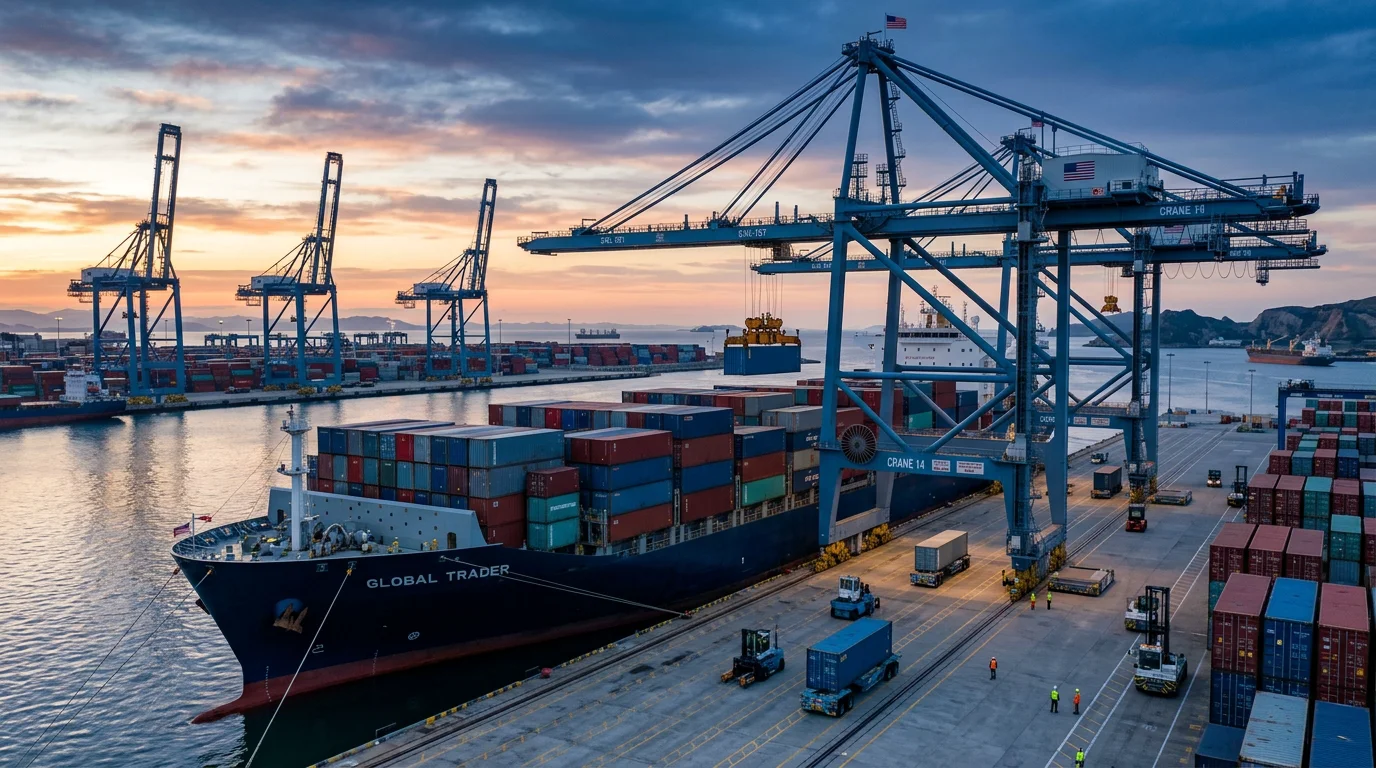
Summary: FOB, meaning Free On Board, is a maritime shipping term that sets the exact moment when risk and cost pass from seller to buyer, once the goods are loaded onto the vessel at the named port of shipment. It governs freight responsibility, insurance, and claims, though it does not by itself transfer legal ownership.
More than 80% of the world’s traded goods cross oceans before reaching a warehouse, and every one of those cargoes needs a clear rule for who carries the risk and who pays the freight. That single rule is often written as three letters on a purchase order. Understanding how the FOB shipment terms allocate cost and liability protects your margins long before a container leaves the dock, a subject we examine in our breakdown of FOB terms.
The stakes are not abstract. According to UNCTAD’s maritime review, seaborne trade reached 12,720 million tons in 2024, and vessel rerouting pushed ton-miles up by 5.9% that same year. When goods travel farther and markets stay volatile, knowing precisely where your responsibility begins and ends is no longer optional.
What Do the FOB Shipment Terms Actually Mean?
Buyers searching for shipment terms fob usually want one straightforward answer: when does responsibility change hands? FOB stands for Free On Board. Under the Incoterms 2020 rules published by the International Chamber of Commerce, the seller clears the goods for export and delivers them loaded onto the vessel at the named port of shipment. From that moment, the buyer assumes all costs and risks.
This means the seller covers inland haulage, export documentation, and loading charges. The buyer then pays for ocean freight, marine insurance, unloading, import duties, and final delivery. The passing of risk occurs the instant the cargo is on board. If you would like a plain-language primer, our overview of what FOB means walks through each obligation step by step.
How FOB Splits Risk and Cost Between Buyer and Seller
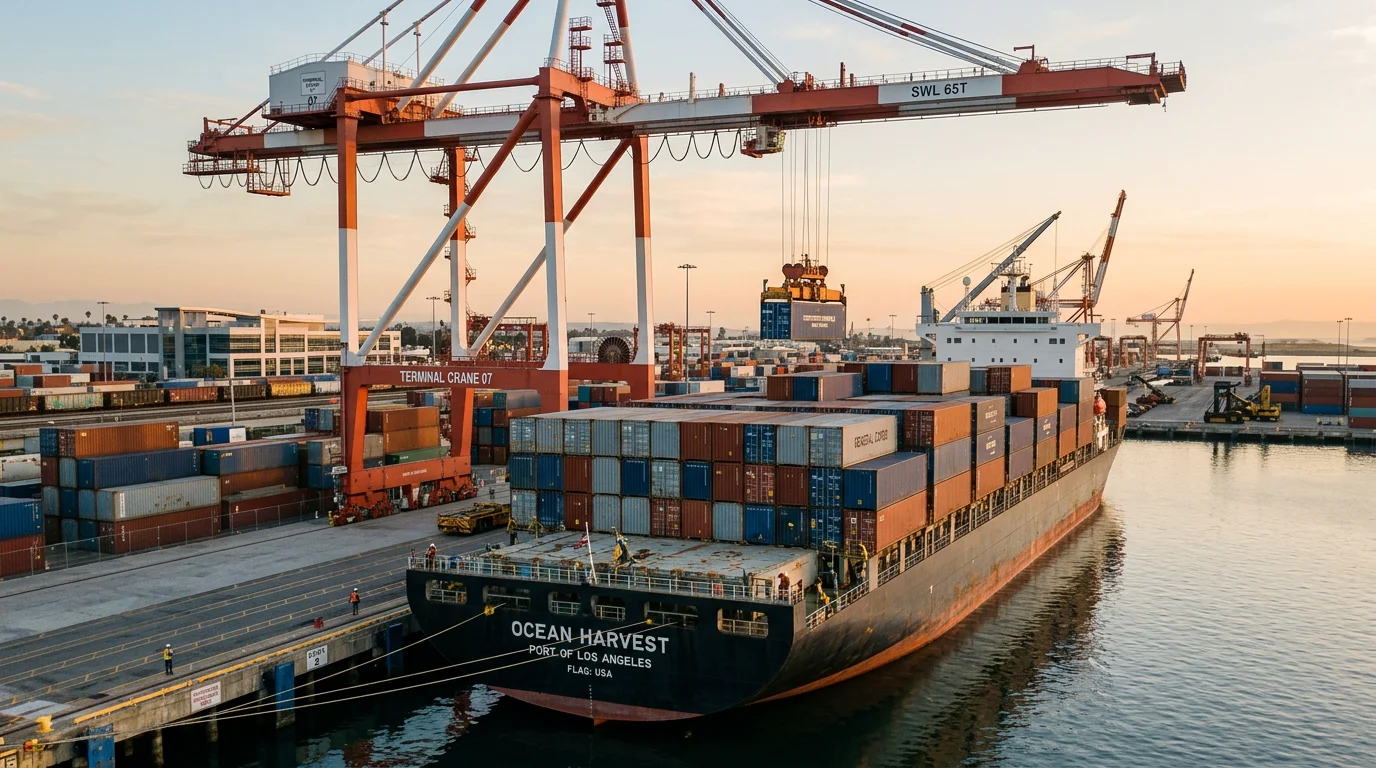
Consider a US retailer importing electronics from a factory in China. Under an FOB agreement, the supplier delivers the goods to the origin port and pays to load them onto the ship. The retailer takes over from the ship’s deck onward, controlling the ocean leg, the insurance, and the customs clearance at destination.
This division is why FOB is described as a balanced arrangement. Neither party bears the entire burden. The seller manages what happens inside the country of origin, where the seller has the strongest relationships. The buyer manages the international transit, where the buyer can shop for competitive freight rates. Trade Finance Global notes that FOB remains the most commonly used trade term, precisely because that shared structure suits so many transactions.
One caution deserves emphasis. FOB defines delivery and risk, not legal title. Ownership is governed separately by the sales contract and the bill of lading. Treating the two as identical is a frequent and costly assumption.
FOB Origin vs FOB Destination: The North American Difference
Here is where confusion often begins. In domestic shipping across the United States and Canada, “FOB” carries a meaning that differs from the international Incoterms standard. American sales agreements frequently use FOB Origin and FOB Destination to mark where liability shifts, an interpretation commonly read under the Uniform Commercial Code rather than the ICC rules.
The distinction is not academic. It determines who files a freight claim when a pallet arrives damaged, and who must carry cargo insurance during transit.
| Criterion | FOB Origin | FOB Destination |
|---|---|---|
| Risk transfers | At pickup from seller’s dock | Upon delivery to buyer |
| Transit risk borne by | Buyer | Seller |
| Files freight claims | Buyer | Seller |
| Typical user | Manufacturers shipping out | Sellers protecting high-value goods |
Because the American usage and the international usage collide, contracts should always specify the standard, for example “FOB New York (Incoterms 2020)”. Ambiguity in this single line is a recurring source of disputes across the US market.
FOB Compared With CIF, FCA, and EXW
FOB rarely stands alone on a quote. Buyers weigh it against neighboring Incoterms, and the right choice depends on how much of the journey you wish to control.
- EXW (Ex Works): the buyer assumes nearly everything, collecting goods at the seller’s premises. Maximum control, maximum responsibility.
- FCA (Free Carrier): risk transfers when goods are handed to the carrier at a named place, often a terminal, which suits containerized traffic.
- CIF (Cost, Insurance and Freight): the seller arranges and pays freight and insurance to the destination port, while risk still passes once goods are on board.
Experienced importers with their own freight forwarder often favor FOB, because it grants control over routing and freight costs. Newer importers sometimes prefer CIF for its convenience, though destination-port fees can quietly erode the apparent savings. When you are ready to sharpen the numbers on either side, our explanation of the FOB shipping term sets out the trade-offs clearly.
When FOB Is the Wrong Term for Your Cargo
This is the point most guides gloss over, and it is where money is lost. FOB was designed for bulk and non-containerized sea freight, from the era when goods physically crossed the ship’s rail by hand. It fits poorly with modern container shipping.
The reason is a gap in responsibility. A sealed container is usually delivered to the terminal days before it is loaded onto the vessel. Under FOB, the seller keeps the risk until the box is on board, yet the buyer already controls the container from the terminal gate. If damage occurs in that window, liability becomes genuinely unclear. The ICC Academy advises that FCA is the more appropriate rule for containerized goods for exactly this reason.
Many exporters still write FOB anyway, because banks issuing Letters of Credit expect a bill of lading. Incoterms 2020 addressed this by allowing an “on board” notation under FCA, closing much of the historic gap. FOB also does not apply to air, road, or rail transport, where the named place would never be a port.
How to Negotiate Stronger FOB Terms With Suppliers
Choosing FOB is only the start. The wording around it decides how much you actually pay. Ask your supplier to itemize local origin charges, because vague “FOB” quotes sometimes bury terminal handling or documentation fees that surface later.
Confirm the exact port and the loading responsibilities in writing, separate the freight payment terms from the risk terms, and verify that the bill of lading reflects the agreed delivery point. Small importers frequently accept a supplier’s default terms without testing them; a short conversation can shift costs meaningfully in your favor. For a structured approach, our guide to negotiating better FOB terms offers a practical checklist you can bring to your next order.
Bringing the FOB Terms Together
At its core, understanding the FOB shipment terms comes down to one question: at what precise moment does the cargo become your responsibility? Answer that clearly in every contract, name the correct port, specify the Incoterms edition, and confirm whether FOB or FCA truly matches your cargo type. Doing so protects you from disputes over damaged goods, unexpected fees, and stalled customs clearance. The rule is simple, but its financial consequences are not, so treat those three letters with the attention they deserve on every purchase order you sign.
Take action with QG Horizon
Once you know where your responsibility begins under FOB, the next challenge is moving the cargo efficiently from the factory to the Amazon warehouse without customs delays derailing your plans. That is where a specialized partner changes the equation, turning shipping terms on paper into a smooth, trackable journey.
We are a freight forwarder focused on Amazon FBA shipments from China to worldwide destinations, handling collection, freight, and delivery under DDP with duties and taxes included. You receive three route options with estimated rates within 24 hours, real-time tracking and support via WhatsApp, and announced savings of 10 to 20% per shipment. Request our door-to-Amazon DDP shipping service and get a clear, all-inclusive quote before you commit.
Frequently Asked Questions
Does FOB determine who owns the goods?
No, it does not. FOB defines when risk and cost transfer from seller to buyer at the port of shipment. Legal ownership is set separately by the sales contract and the bill of lading, so the two can pass at different times.
Who pays for shipping under FOB terms?
The seller pays to deliver and load the goods onto the vessel at the origin port. The buyer then pays for ocean freight, insurance, unloading, import duties, and onward transport. Freight payment terms should still be confirmed in writing, as they can be negotiated independently.
Is FOB suitable for container shipments?
Generally not. FOB was built for bulk and non-containerized sea freight, and it leaves a responsibility gap while a sealed container sits at the terminal awaiting loading. For containers, the ICC recommends FCA instead, which transfers risk when goods reach the carrier.
What is the difference between FOB Origin and FOB Destination?
These are North American domestic terms. Under FOB Origin, risk passes to the buyer at pickup, while under FOB Destination the seller remains responsible until delivery is completed. They differ from the international Incoterms meaning of FOB, so always specify which standard applies.
Can a freight forwarder handle everything after the FOB point?
Yes. Once risk passes to you at the origin port, a forwarder can manage the ocean leg, customs clearance, and final delivery. For Amazon FBA sellers shipping from China, our door-to-Amazon DDP service covers duties and taxes and delivers straight to the warehouse.
Ready to Optimize Your Amazon Shipping?
Get 3 route options tailored to your products and timeline
Get Your Quote→