Shipping Pallets Without Damage: Essential Tips for Success

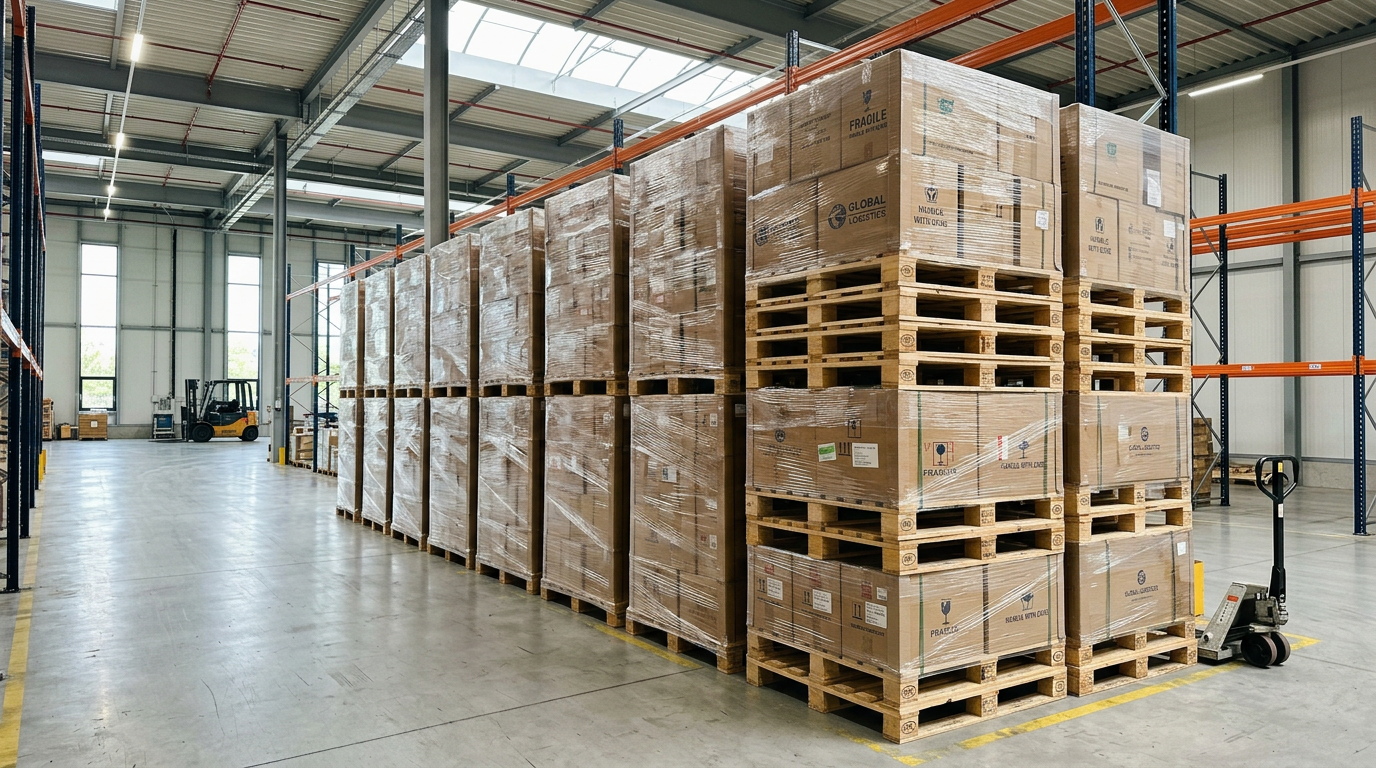
Are you risking your Amazon FBA success with every pallet shipment? The harsh reality is that damaged goods can lead to costly returns and a tarnished reputation. Effective shipping practices are crucial for maintaining product integrity and ensuring a smooth logistics process. This blog post will unveil essential tips for Amazon FBA sellers focused on shipping pallets without damage. By implementing proven techniques and best practices, sellers can enhance their supply chain efficiency and protect their inventory, ultimately boosting profitability and customer satisfaction.
Best Practices for Shipping Pallets
- Use Quality Packaging Materials
- Select durable materials for pallet wrapping, such as stretch film or heavy-duty shrink wrap.
- Employ sturdy corner protectors to maintain the integrity of the pallets and prevent shifts during transport.
- Utilize double-walled boxes for individual items, ensuring they withstand the rigors of shipping.
- Proper Pallet Configuration
- Stack items evenly on the pallet, distributing weight uniformly to prevent tipping.
- Avoid overhanging items that can snag or become damaged during handling.
- Secure lighter items at the bottom and heavier items on top to enhance stability.
- Effective Securing Techniques
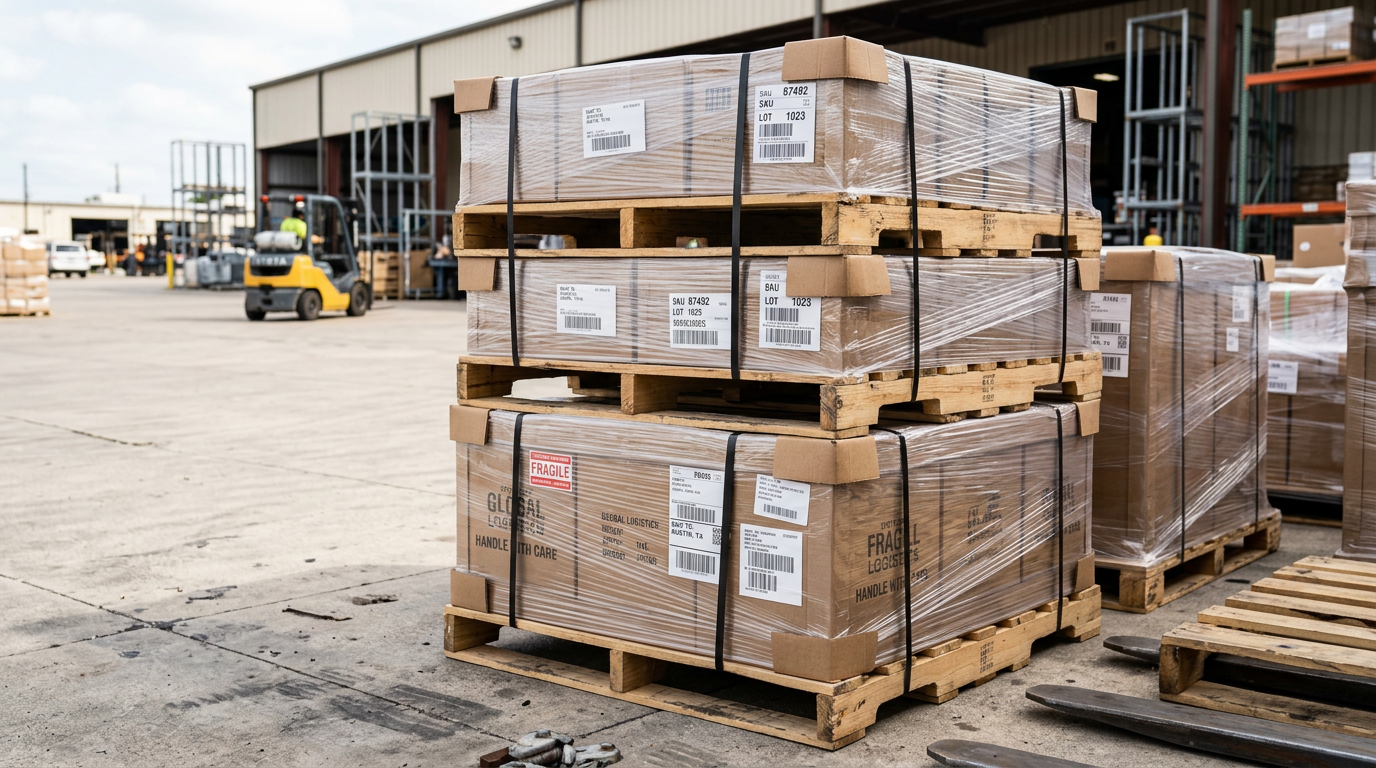
- Use pallet straps or bands to firmly hold the cargo in place, minimizing movement.
- Apply shrink wrap tightly around the entire pallet, ensuring complete coverage and adhesion.
- Consider using pallet caps or top frames for additional support, particularly for tall or heavy loads.
- Adhere to Amazon’s Guidelines
- Follow Amazon’s packaging requirements, including specific labeling and documentation needs.
- Ensure the total weight and dimensions of the pallet comply with Amazon’s standards to prevent issues at fulfillment centers.
- Schedule appointments for delivery to Amazon warehouses to avoid delays and ensure smooth receiving processes.
Securing Your Pallets
- Utilize Strapping Techniques
- Apply polypropylene or polyester strapping around the pallet to firmly hold items in place.
- Use adjustable tensioners to ensure the strap is tight enough to prevent shifting during transit.
- Consider double strapping for pallets with heavier loads to enhance stability.
- Implement Shrink-Wrapping
- Encase the entire pallet in shrink wrap to provide a protective layer against moisture and dirt.
- Use multiple layers of shrink wrap, ensuring that the wrap overlaps sufficiently to secure all items.
- Leave a small opening for ventilation if shipping sensitive items to prevent condensation buildup.
- Incorporate Corner Protectors
- Place corner protectors on all edges of the pallet to shield the goods from impact damage.
- Opt for plastic or cardboard corner protectors that can absorb shocks during handling.
- Ensure corner protectors are properly secured with additional strapping or shrink wrap to keep them in place.
- Consider Pallet Caps for Tall Loads
- Use pallet caps to create a stable top for taller shipments, preventing items from falling off.
- Ensure caps fit snugly over the items on the pallet to minimize movement.
- Secure the caps with strapping or shrink wrap for added security during transport.
- Regularly Inspect and Maintain Equipment
- Conduct routine checks on strapping tools, shrink wrap supplies, and corner protectors to ensure effectiveness.
- Replace any damaged or worn-out equipment immediately to maintain a high standard of pallet security.
- Train staff on securing techniques to ensure consistent application across all shipments.
| Method | Description | Benefits |
|---|---|---|
| Strapping | Tightly holds items using polypropylene or polyester straps | Reduces shifting and enhances stability |
| Shrink-Wrapping | Encases the pallet in protective shrink wrap | Protects against moisture and dirt |
| Corner Protectors | Shields edges from impact damage | Absorbs shocks and prevents product damage |
| Pallet Caps | Creates a stable top for tall shipments | Prevents items from falling off during transport |
| Equipment Maintenance | Regular checks on strapping and wrapping tools | Ensures high standards of pallet security |
Loading and Transporting Pallets
- Efficient Loading Techniques
- Weight Distribution: Load heavier items towards the bottom of the pallet and lighter items on top. This technique lowers the center of gravity, reducing the risk of tipping during transit.
- Stacking Methods: Use a bricklaying technique for stacking boxes to create stability. This involves offsetting boxes in each layer to interlock them, which enhances overall strength.
- Vertical Space Utilization: Maximize vertical space by stacking items as high as the pallet allows, ensuring to not exceed weight limits set by carriers or Amazon guidelines.
- Transportation Considerations
- Carrier Selection: Choose a reliable freight carrier that specializes in palletized shipments, ensuring they have experience handling Amazon FBA requirements.
- Insurance Options: Opt for transport insurance to protect high-value goods against loss or damage during transit. This coverage can be crucial in mitigating financial risks.
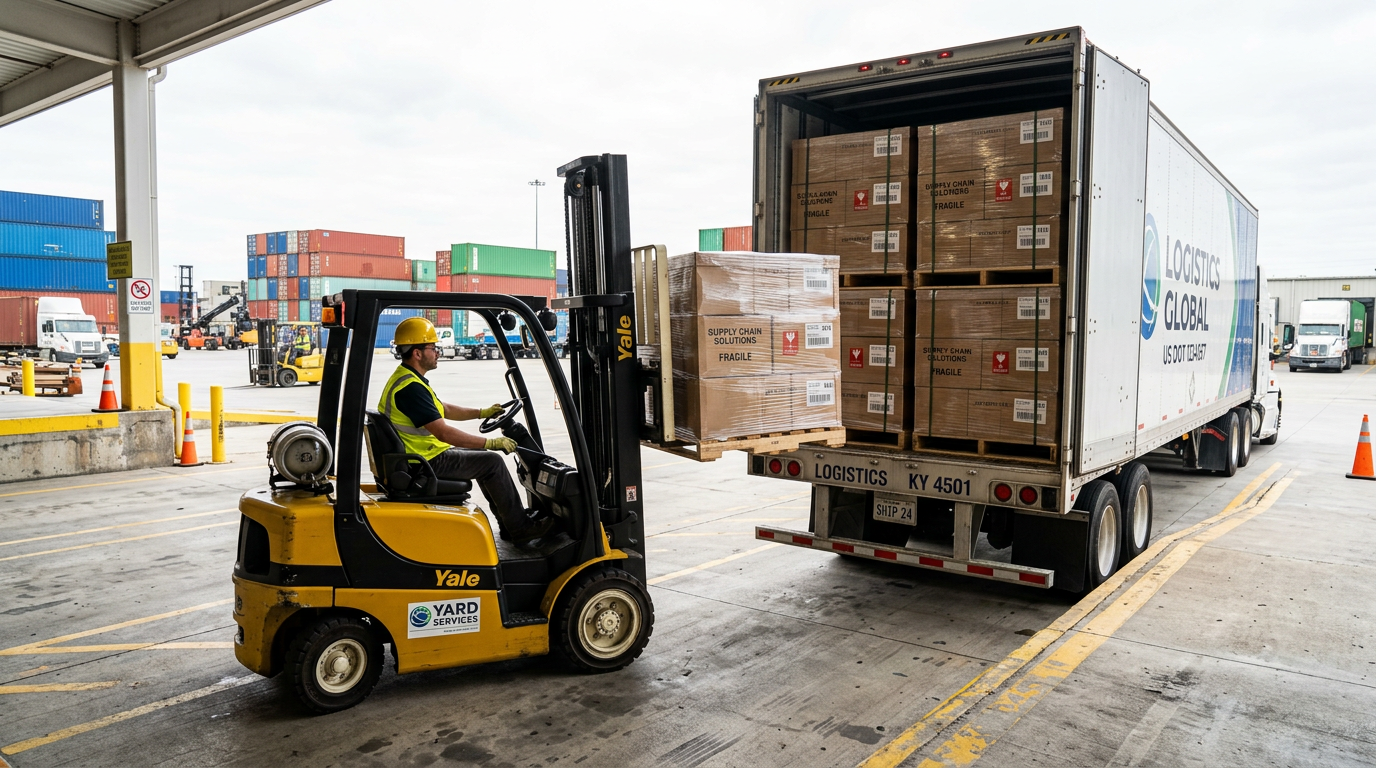
- Load Securement: Ensure pallets are securely fastened in the transport vehicle. Use straps or load bars to prevent movement during transportation, which can cause damage.
- Temperature and Environmental Factors
- Climate Control: For products sensitive to temperature or humidity, select transportation methods with climate control options to prevent spoilage or damage.
- Protection from Elements: Use tarps or protective covers to shield pallets from rain or extreme weather during loading and unloading.
- Documentation and Compliance
- Bill of Lading: Prepare a detailed bill of lading that lists all items on the pallet, along with their dimensions and weight, to facilitate smooth customs clearance and delivery.
- Amazon Requirements: Familiarize yourself with Amazon’s shipping regulations, including labeling and documentation requirements, to avoid penalties and ensure timely processing at fulfillment centers.
- Communication with Carriers
- Pre-Transport Coordination: Establish clear communication with the carrier to schedule pickups and deliveries, ensuring they are aware of any special handling instructions.
- Proactive Updates: Stay updated on shipment status and potential delays by maintaining contact with the carrier throughout the transportation process.
| Loading Techniques | Transportation Considerations | Documentation Needs |
|---|---|---|
| Weight distribution | Reliable carrier selection | Detailed bill of lading |
| Bricklaying stacking method | Transport insurance options | Compliance with Amazon guidelines |
| Vertical space utilization | Secure load in transport vehicle | Accurate item listing |
| Climate control for sensitive goods | ||
| Shielding from weather elements |
Common Pitfalls to Avoid
- Inadequate Packaging
- Failing to use robust packaging materials can lead to damage during transit.
- Always select high-quality, durable materials that can withstand the rigors of shipping.
- Poor Weight Distribution
- Unevenly distributed weight on a pallet can cause tipping or collapse during transport.
- Ensure that weight is evenly distributed, with heavier items placed on the bottom and lighter items on top.
- Neglecting to Secure Items Properly
- Items that are not securely fastened can shift or fall during handling.
- Utilize strapping, shrink wrap, and corner protectors to keep items locked in place.
- Ignoring Amazon’s Shipping Requirements
- Non-compliance with Amazon’s requirements can result in delays or rejections at fulfillment centers.
- Familiarize yourself with Amazon’s packaging and labeling guidelines to avoid issues.
- Overloading Pallets
- Exceeding weight limits or stacking items too high can lead to damage and safety hazards.
- Adhere to Amazon’s specified weight limits and ensure that pallets remain stable and manageable.
- Lack of Proper Documentation
- Missing or incorrect shipping documents can result in customs delays or fines.
- Always prepare the necessary paperwork, including bills of lading and commercial invoices, to ensure smooth processing.
- Failure to Inspect Before Shipping
- Shipping damaged or incorrect items can lead to returns and increased costs.
- Conduct thorough inspections of all items on the pallet before shipment to identify and rectify any issues.
- Skipping Delivery Appointment Scheduling
- Not scheduling delivery appointments can result in missed delivery windows and delays.
- Always confirm and schedule appointments with Amazon fulfillment centers to ensure timely delivery.
- Neglecting to Use Insurance
- Not insuring high-value shipments can lead to significant losses in case of damage or loss.
- Always consider cargo insurance for valuable shipments to mitigate financial risks.
Case Studies and Insights
- Successful Shipping Example: ABC Electronics
- Challenge: ABC Electronics faced frequent damages during pallet shipments of their high-value electronics.
- Solution: They implemented a multi-layered approach, utilizing quality packaging materials, effective securing techniques, and adherence to Amazon’s guidelines.
- Outcome: After switching to double-walled boxes and incorporating corner protectors, they experienced a 95% reduction in damages. Regular training sessions for staff on proper loading techniques further enhanced their success.
- Unsuccessful Shipping Example: XYZ Furniture
- Challenge: XYZ Furniture encountered significant losses due to damaged items during shipping, primarily caused by inadequate strapping and poor weight distribution.
- Solution: They initially relied on basic shrink-wrapping without additional securing methods. After reviewing their processes, they adopted comprehensive loading protocols and upgraded to heavy-duty straps.
- Outcome: Despite improvements, they continued to see issues due to failure to adhere to Amazon’s shipping requirements, resulting in delays and additional costs. They learned the importance of compliance and now conduct pre-shipment audits to ensure standards are met.
- Lessons Learned from ABC Electronics and XYZ Furniture
- Quality Matters: Investing in high-quality packaging and securing materials significantly reduces the risk of damage during transit.
- Training is Key: Regular staff training on loading and securing techniques can drastically improve shipping outcomes.
- Compliance is Crucial: Adherence to Amazon’s requirements is non-negotiable for successful shipping. Non-compliance can lead to costly delays and damages.
- Monitor and Adjust: Continuously monitor shipping outcomes and adjust strategies based on real-world feedback. Regular reviews can identify recurring issues and facilitate timely improvements.
- Additional Insights
- Data Tracking: Implement tracking systems to monitor shipment performance, allowing sellers to identify patterns and areas for improvement.
- Feedback Loops: Encourage feedback from carriers and fulfillment centers to gather insights on shipping practices and potential enhancements.
| Key Takeaways | ABC Electronics | XYZ Furniture |
|---|---|---|
| Quality Packaging | Implemented high-quality materials, resulting in reduced damage. | Initially used inadequate materials, leading to significant losses. |
| Training | Conducted regular staff training to improve loading techniques. | Neglected training, resulting in continued shipping issues. |
| Compliance | Followed Amazon’s guidelines strictly, ensuring smooth shipments. | Ignored compliance, causing delays and extra costs. |
| Continuous Monitoring | Regularly assessed shipping performance for ongoing improvements. | Did not track data effectively, missing opportunities for enhancement. |
Checklists and Visual Aids
- Pallet Packing Checklist
- Ensure all items are securely packaged in appropriate materials.
- Confirm that the pallet weight does not exceed Amazon’s limits.
- Verify that all items are loaded evenly and securely.
- Use corner protectors to safeguard edges.
- Apply shrink wrap or strapping to secure the load.
- Label the pallet clearly with the necessary shipping information.
- Visual Guide for Proper Setup
- Step 1: Prepare the Pallet
- Select a clean, dry, and undamaged pallet.
- Inspect the pallet for stability and strength.
- Step 2: Load Items
- Begin loading the heaviest items first, ensuring even weight distribution.
- Stack items tightly to minimize movement.
- Avoid overhanging items that could be damaged.
- Step 3: Secure the Load
- Use strapping or bands to hold the items firmly in place.
- Wrap the entire pallet with shrink wrap, overlapping layers for full coverage.
- Step 4: Final Inspection
- Ensure all items are secure and the pallet is stable.
- Double-check that labels are clearly visible and correctly placed.
- Documentation Checklist for Shipping
- Prepare the commercial invoice and packing list.
- Include any necessary compliance documents (e.g., CE marking, FDA requirements).
- Confirm customs paperwork is accurate and complete.
- Schedule delivery appointments with Amazon fulfillment centers.
- Visual Aids
- Diagrams illustrating correct loading techniques.
- Images demonstrating secure pallet setups and proper use of packaging materials.
- Flowcharts for the shipping process from packing to delivery.
Final Words
Final Words
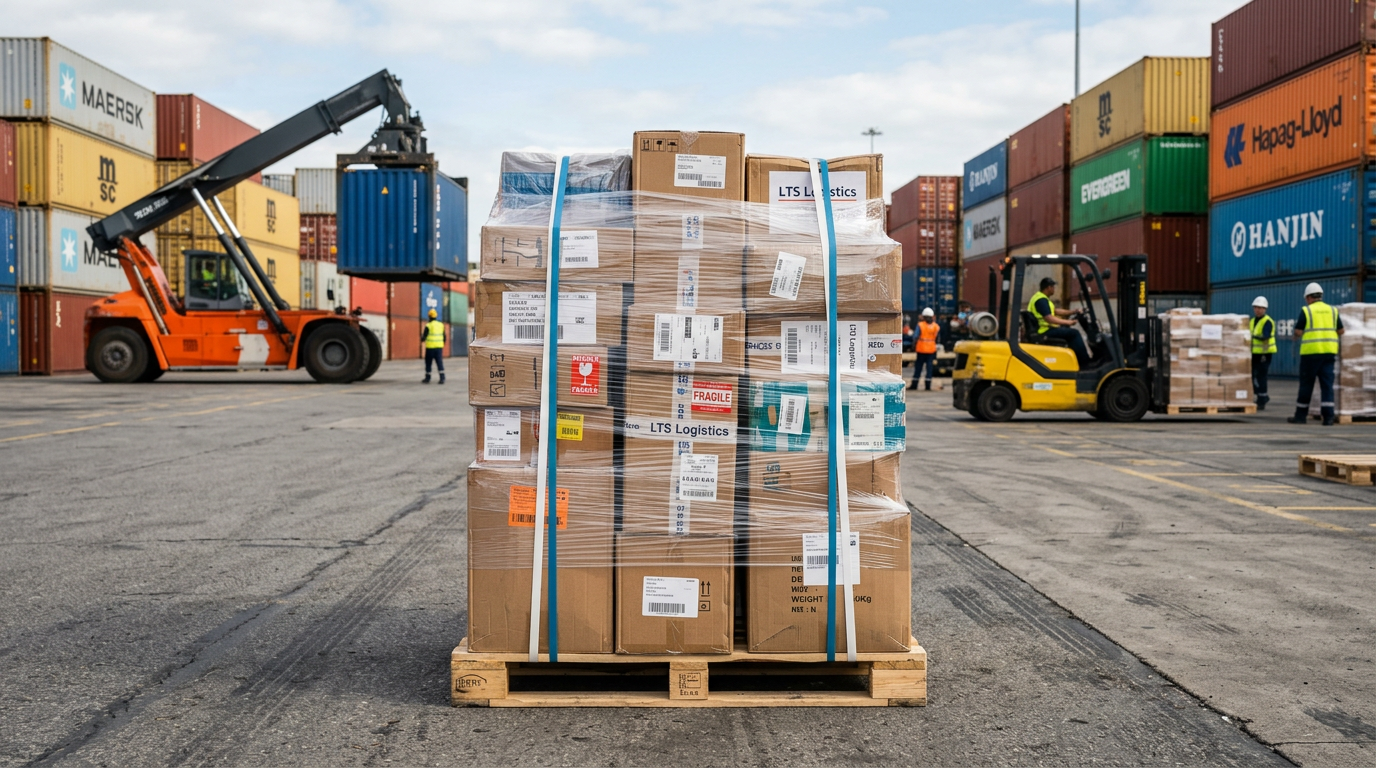
Effective shipping of pallets requires meticulous attention to detail. Implementing best practices for packaging and securing pallets is essential to prevent damage during transit. Techniques such as strapping and shrink-wrapping are vital for maintaining structural integrity.
Sellers should also be aware of common pitfalls that can lead to costly mistakes. Real-world case studies provide valuable insights into successful strategies and potential challenges.
By applying these guidelines and utilizing checklists, Amazon FBA sellers can enhance their shipping processes. Prioritizing the principles of Shipping Pallets Without Damage: Best Practices for Amazon FBA Sellers will ultimately lead to a smoother experience and increased customer satisfaction.
FAQ
Q: What are the best practices for shipping pallets without damage?
A: Amazon FBA sellers should prioritize proper packaging and securing methods, using high-quality materials that comply with Amazon’s standards to prevent damage during transit.
Q: How can pallets be secured effectively during shipping?
A: Techniques such as strapping, shrink-wrapping, and corner protectors are essential for maintaining structural integrity and reducing the risk of pallet damage during transport.
Q: What loading strategies ensure safe transport of pallets?
A: Efficient loading involves proper weight distribution and stacking methods. Selecting the right transportation carriers is crucial for safe delivery of pallets to their destination.
Q: What common pitfalls should sellers avoid in pallet shipping?
A: Sellers must avoid inadequate packaging and failure to comply with Amazon’s shipping requirements. Implementing best practices can prevent costly mistakes during the shipping process.
Q: What can be learned from case studies on pallet shipping?
A: Analyzing successful and unsuccessful pallet shipping experiences reveals effective strategies and common challenges. Sellers can refine their shipping approaches based on these real-world insights.
Q: What tools are available to assist in pallet shipping?
A: Checklists and visual guides can summarize best practices for packing and shipping pallets, helping sellers ensure compliance with Amazon’s requirements and minimize damage risks.
Ready to Optimize Your Amazon Shipping?
Get 3 route options tailored to your products and timeline
Get Your Quote→