CPT Shipping Terms Explained: A Practical Guide for 2026

Summary: Carriage Paid To (CPT) means the seller contracts and pays for transport to a named destination, yet risk passes to the buyer the moment the goods reach the first carrier. This split between cost and liability is the defining feature of the term. It suits multimodal shipments, including air, rail and containerized freight, and never requires the seller to buy insurance.
Under CPT, a seller can pay for every kilometre of freight to a distant destination and still hand the buyer full liability for loss or damage the instant the goods leave the loading dock. That gap between who pays and who carries the risk sits at the very centre of the CPT shipping terms, and it is where most costly misunderstandings begin. For a structured overview before you sign a contract, you may consult our CPT shipping terms (Carriage Paid To) reference.
Carriage Paid To is one of the eleven rules published by the International Chamber of Commerce. According to Trade Finance Global, the CPT rule under Incoterms 2020 involves two distinct places, the point of delivery in the seller’s country and the destination to which the seller contracts the carriage. Confusing the two is the single most frequent source of dispute in cross-border trade.
What “shipping terms cpt” actually mean under Incoterms 2020
When you see the phrase shipping terms cpt on a quotation, it refers to Carriage Paid To, a rule that applies to any mode of transport. The seller clears the goods for export, arranges the main carriage, and pays the freight all the way to the named place of destination. The buyer then takes over any additional costs once the goods arrive there.
The important nuance is timing. Delivery, in the legal sense, happens far earlier than arrival. The seller is considered to have delivered once the goods are handed to the first carrier, even though the seller keeps paying for transport well beyond that moment. If you want a plain-language breakdown of each obligation, our What CPT (Carriage Paid To) means in shipping explainer walks through the sequence step by step.
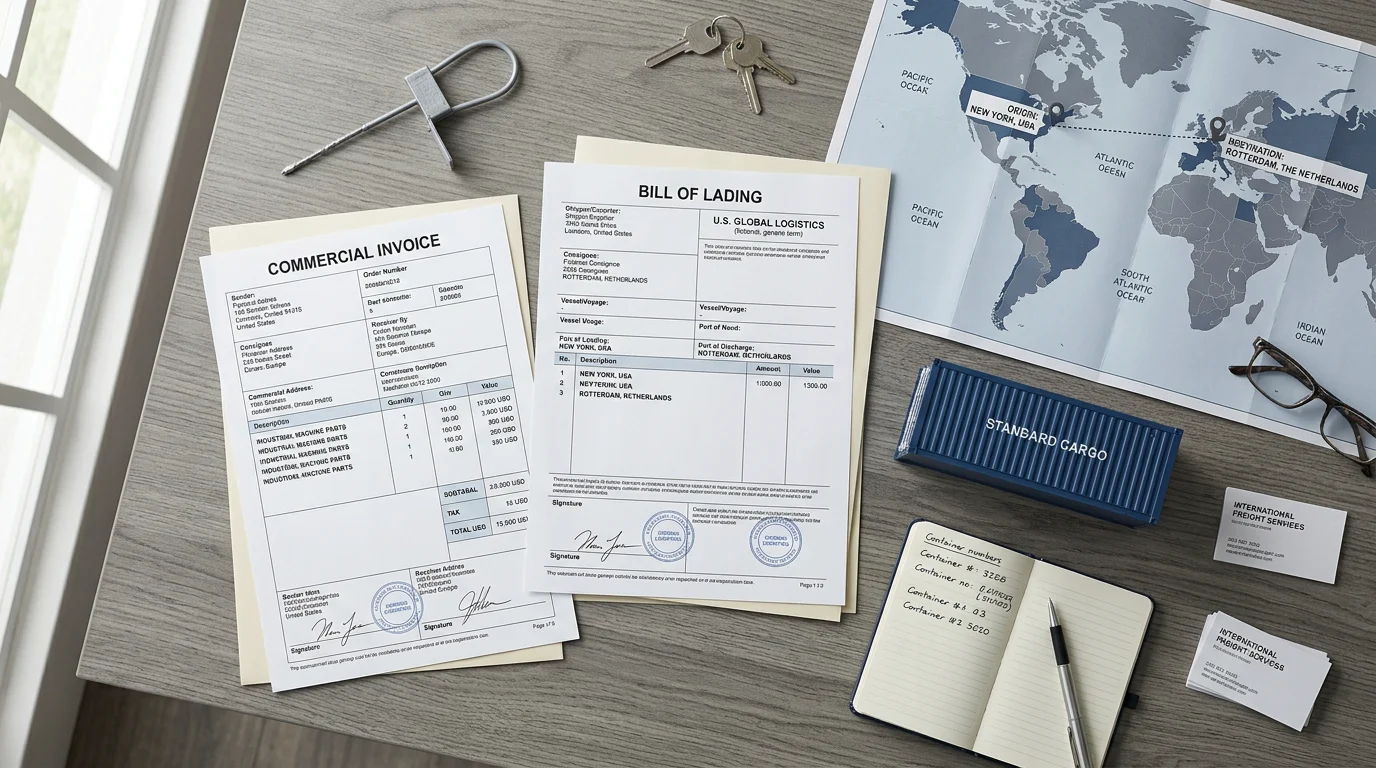
The risk and cost gap: the defining trait of CPT
Picture a shipment that leaves a factory in perfect condition and is damaged during the main sea leg. Who absorbs the loss? Under CPT, the buyer does, even though the seller organised and paid for that voyage. Trade Finance Global notes that the seller bears the costs of transporting the goods to the nominated place, while the risk transfers as soon as the carrier takes charge.
This is why CPT belongs to the “C” family of Incoterms, where cost and risk deliberately split at different points. The seller assumes all responsibility only up to the handover to the first carrier. From that point, the buyer should arrange insurance, because the term never obliges the seller to purchase any cover. Failing to appreciate this early transfer of risk of loss or damage is the mistake that trips up most buyers.
CPT compared with CIP, CIF and FOB
Choosing between related rules is easier when you compare them side by side. According to ICC Academy, the only substantive difference between CPT and CIP is insurance: under CIP the seller must contract and pay for cover during carriage, while under CPT that responsibility falls to the buyer. The table below sets out the practical distinctions.
| Rule | Seller pays main carriage | Seller buys insurance | Risk transfers | Transport modes |
|---|---|---|---|---|
| CPT | Yes, to named destination | No | At first carrier | Any mode, multimodal |
| CIP | Yes, to named destination | Yes | At first carrier | Any mode, multimodal |
| CIF | Yes, to destination port | Yes | On board vessel | Sea and inland waterway |
| FOB | No | No | On board vessel | Sea and inland waterway |
One practical caveat deserves attention. Trade Finance Global points out that although CPT is recommended in place of CFR for containerized ocean shipments, it is largely unworkable for them, because many buyers do not want to bear risk before the goods are actually exported. For true container freight, a term where risk transfers on board is often a safer choice. To weigh these options for your own contracts, our CPT terms of delivery guide adds further context.
When to use CPT, and when to avoid it
CPT rewards buyers who hold strong logistics networks and prefer to control their own insurance decisions. It also suits sellers who want to cap their exposure early while still offering a delivered price. The rule shines in air freight, rail corridors, cross-border road transport and small parcel movements, where a single carrier or freight forwarder handles the goods end to end.
It becomes risky when the transfer point is ambiguous. If a buyer expects to receive goods only at a later stage in the journey, a “D” term such as Delivered at Place may reflect the intention more accurately. The guidance is straightforward: agree the exact handover location in writing, and never assume that “paid to” also means “at the seller’s risk to” the destination.
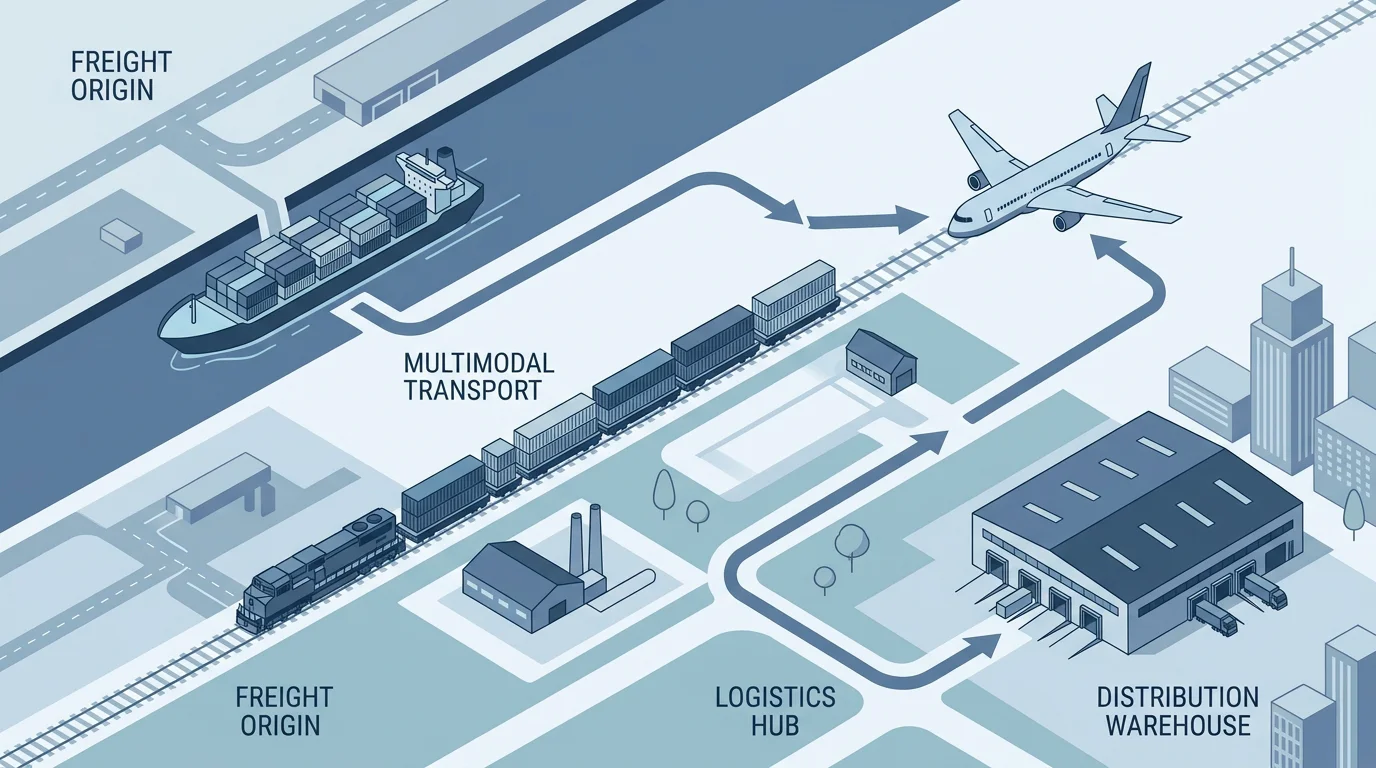
CPT and Amazon FBA shipments from China
For sellers moving inventory from Chinese suppliers into fulfilment centres, CPT can look attractive because the supplier arranges carriage. Yet the early risk transfer means you shoulder liability across the longest and most vulnerable leg of the journey. If cargo is damaged in transit, the responsibility, and the insurance claim, are yours.
This is where an all-inclusive delivered arrangement often serves e-commerce importers better. Rather than juggling risk under CPT, many sellers prefer a single operator handling collection, customs and final delivery. We coordinate supplier pickup, DDP customs clearance and delivery directly to the Amazon warehouse, which removes the risk-allocation guesswork that CPT leaves open. Our CPT shipping terms guide explains how these approaches compare for FBA planning.
Export clearance and duties under CPT
Responsibility for formalities is clearly divided. The seller clears the goods for export and provides the commercial invoice and transport documents, while the buyer handles import formalities and duties. In the US, this division carries a specific compliance dimension. According to Shipping Solutions, on a standard export transaction the seller or its agent is responsible for submitting the Electronic Export Information through the ACE portal.
American importers should therefore map out who files what before the first shipment moves. Because CPT places import clearance and duties on the buyer, US businesses need a clear plan for customs entry and tariff payment on arrival. Underestimating this step is a common cause of the customs delays that can derail a launch timetable.
Making CPT work in your favour
The strength of the CPT shipping terms lies in clarity, provided you respect their central rule: the seller pays the freight, but the buyer owns the risk from the first carrier onward. Name the delivery point precisely, arrange insurance from that moment, and confirm who files export and import formalities. Handle those three details well, and Carriage Paid To becomes a predictable, flexible tool across air, rail and road shipments rather than a source of disputes.
Take action with QG Horizon
Understanding how risk and cost divide under CPT is one thing; moving inventory from a Chinese supplier to a fulfilment centre without customs surprises is another. If you would rather work with a single operator than reconcile competing responsibilities, the right freight partner removes that complexity entirely.
As an Amazon FBA freight forwarder, we deliver a 24-hour quote with three route options, supplier pickup, DDP clearance with duties and taxes included, and delivery to the Amazon warehouse, all with real-time tracking and WhatsApp support. Request your free FBA shipping quote from QG Horizon and ship with a known, all-inclusive price.
Frequently Asked Questions
Does the seller insure the goods under CPT?
No. Under CPT the seller is never obliged to purchase insurance. Because risk transfers to the buyer at the first carrier, it is the buyer who should arrange cover for the main journey.
When exactly does risk transfer under CPT?
Risk passes from seller to buyer the moment the goods are handed to the first carrier at origin, not when they reach the destination. The seller keeps paying freight beyond that point, but liability has already moved.
What is the difference between CPT and CIP?
Both require the seller to pay carriage to the named destination, and in both risk transfers at the first carrier. The single difference is that CIP obliges the seller to buy insurance, whereas CPT leaves that decision to the buyer.
Is CPT suitable for Amazon FBA imports from China?
It can be, but the early risk transfer means you carry liability across the longest leg of the shipment. Many sellers prefer an all-inclusive DDP service instead, and we coordinate pickup, clearance and delivery to the Amazon warehouse under one point of contact.
Who handles export and import customs under CPT?
The seller clears the goods for export and provides the shipping documents, while the buyer manages import formalities and pays any duties. In the US, export filing through the ACE portal is typically the seller’s responsibility.
Ready to Optimize Your Amazon Shipping?
Get 3 route options tailored to your products and timeline
Get Your Quote→