CPT Terms of Delivery Explained: Costs, Risk and Uses
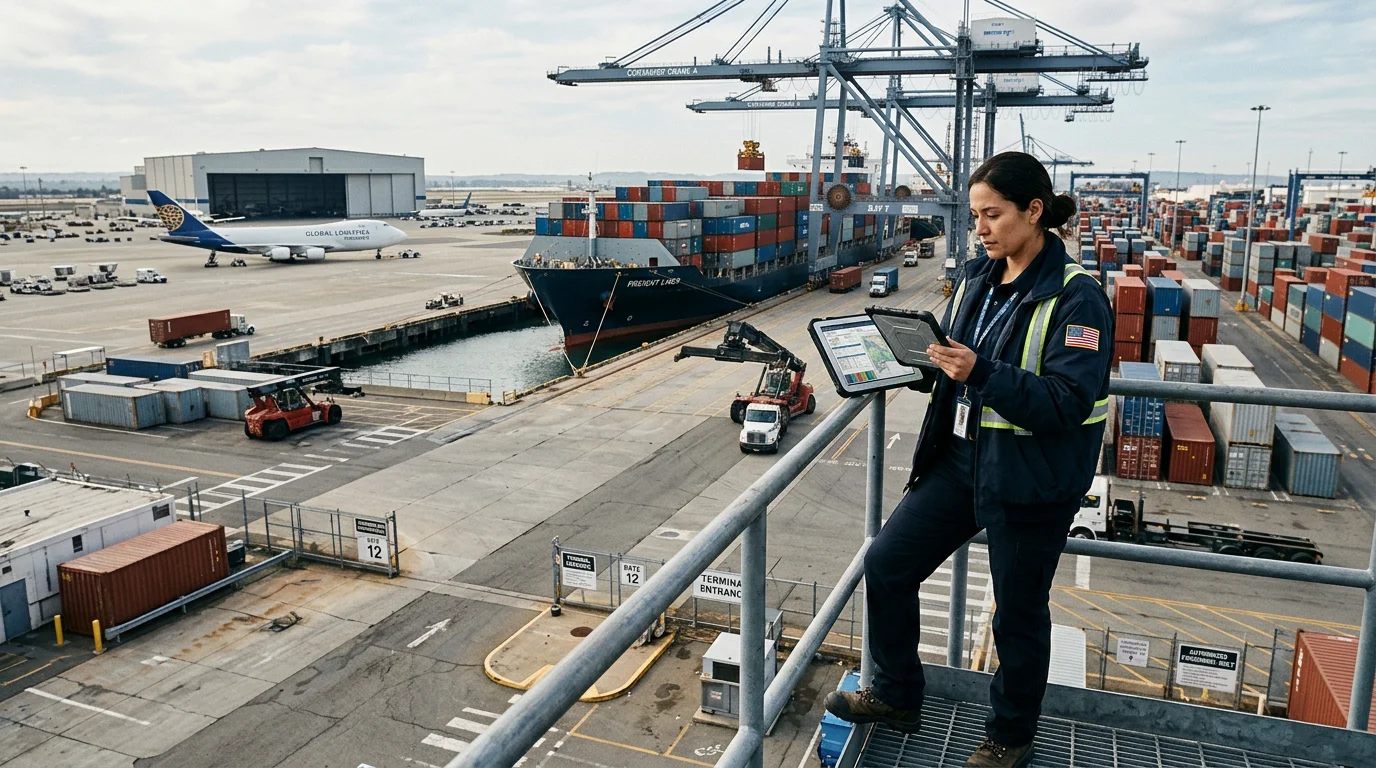
Summary: Carriage Paid To (CPT) is an Incoterm in which the seller arranges and pays for transport to a named destination, while risk passes to the buyer the moment the goods reach the first carrier. It works across all transport modes, yet it separates the point of cost transfer from the point of risk transfer, which importers must understand before signing.
The International Chamber of Commerce maintains eleven standardized trade terms, and each one reallocates who pays and who carries the risk. Among them, the CPT terms of delivery stand out because the seller funds the freight while the buyer inherits the transit risk far earlier than most expect. If you would like a plain-language reference before you continue, our guide to CPT delivery terms breaks the essentials down for importers.
This distinction matters for every quotation you review. When you see the terms of delivery CPT written on a contract, you are agreeing that the seller controls the carrier while you shoulder any loss from the origin handover onward. According to LexisNexis, the Incoterms 2020 rules took effect on 1 January 2020 and remain the framework governing this term today.
What the CPT Terms of Delivery Actually Mean
CPT stands for Carriage Paid To, followed by a named place of destination. A contract might read “CPT Los Angeles,” which signals that the seller pays freight all the way to that city. The delivery obligation, however, is fulfilled much earlier, at the point where the goods are handed to the first carrier.
This term is deliberately flexible. It applies to road, rail, air, sea, or any combination of modes, which makes it a common choice for multimodal shipments. A carrier can be a shipping line, an airline, a trucking company, a railway, or a freight forwarder. For a fuller reference on the mechanics, our explainer on the CPT Incoterm details each obligation in sequence.

How Responsibilities Split Between Seller and Buyer
Under CPT, the seller carries a substantial share of the workload. The seller provides the commercial invoice, arranges export packaging and marking, clears the goods for export, pays origin terminal handling, loads the goods, and funds the main carriage to the named destination.
The buyer’s obligations begin once the goods are with the first carrier. You become responsible for import duties and taxes, import clearance, unloading at destination, and any onward delivery to your final location. Insurance is not included in CPT, so if you want protection during transit, you must arrange it yourself. This is a frequent and costly oversight for newer importers.
The Critical Gap: Where Cost and Risk Transfer Diverge
Here lies the defining feature of CPT. The transfer of cost and the transfer of risk occur at two different points, and confusing them creates real exposure. The seller pays freight to the destination, yet you assume the risk of loss or damage the instant the goods reach the first carrier at origin.
Consider a practical scenario. A truck carries your shipment to an airport and is involved in an accident that damages the goods. Because risk already passed to you at the first carrier, the seller bears no liability. As Shipping Solutions notes, CPT places more risk on the buyer than many parties realize, even though the seller funds the carriage. When you need help interpreting these transfer points, our breakdown of Carriage Paid To maps the exact moment your liability begins.
CPT Compared With DAP, DDP and CIP
Choosing a delivery term is a trade-off between control, cost, and risk. CPT sits in the middle of the responsibility scale. The following comparison clarifies where it stands against neighboring terms, and how a managed service can remove the ambiguity entirely.
| Option | Pays main carriage | Risk transfer point | Import duties | Best for |
| CPT | Seller | First carrier at origin | Buyer | Overland and multimodal moves |
| CIP | Seller | First carrier at origin | Buyer | Buyers wanting seller-paid insurance |
| DAP | Seller | Arrival at destination | Buyer | Buyers wanting later risk transfer |
| DDP | Seller | Final delivery to buyer | Seller | Buyers wanting an all-in price |
| Our DDP FBA service | Managed by us | Handled to warehouse | Included | Amazon FBA importers seeking one contact |
The core distinction is straightforward. CIP mirrors CPT but adds seller-paid insurance, while DAP delays your risk until arrival. FreightAmigo confirms that the Incoterms 2020 rules remain the global standard in 2026. To weigh CPT against a term that keeps seller risk far longer, our comparison with DAP delivery terms is a useful next read.
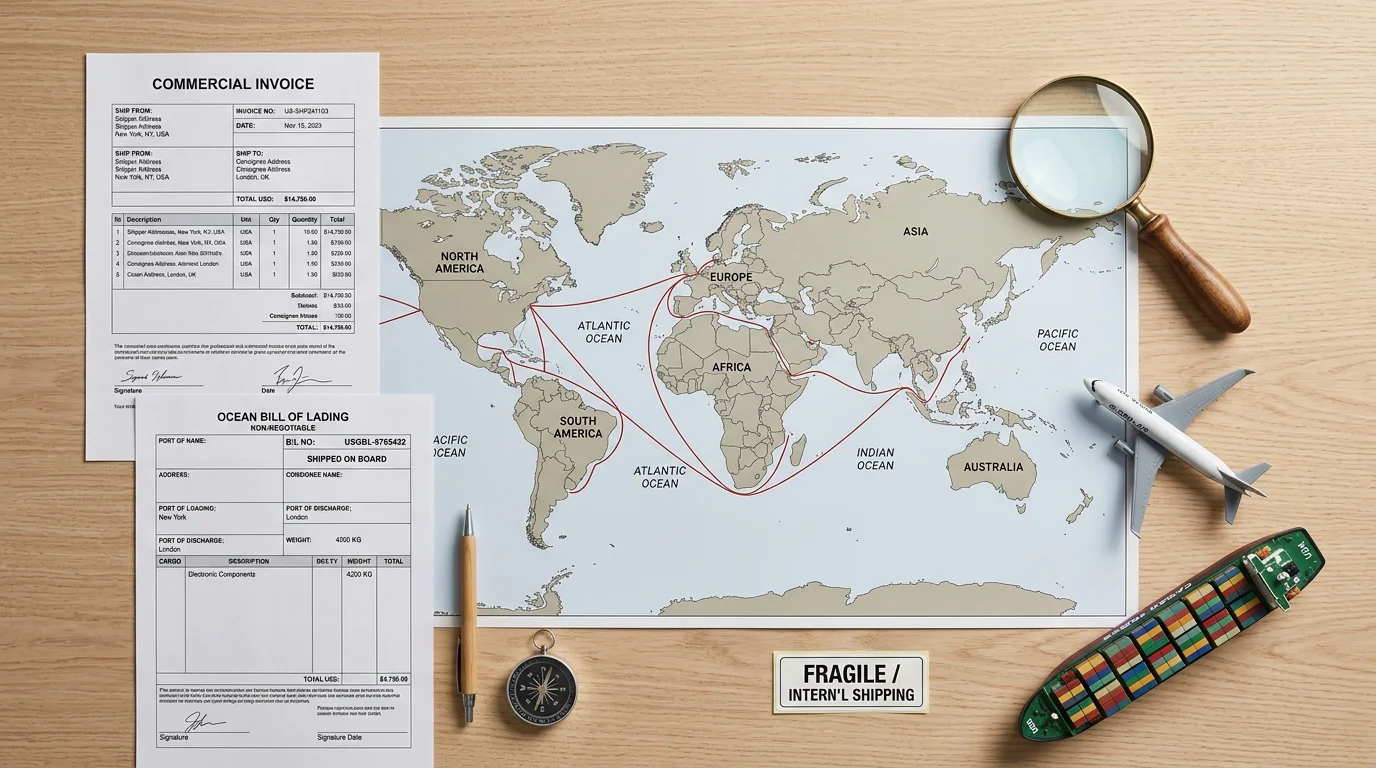
When to Use CPT and When to Avoid It
CPT performs well when goods travel overland from one place to another. In cross-border trade where the seller organizes carriage across multiple countries, the term functions smoothly and gives the seller control over route and timing.
It becomes problematic for ocean container shipments and complex air moves. Trade Finance Global observes that CPT is largely unworkable for cross-ocean container shipments, because buyers rarely want to bear risk before the goods are even exported. For most importers bringing goods from China to the US market, a DDP arrangement that folds duties, taxes, and delivery into a single quoted price removes the guesswork. If your priority is a predictable landed cost with one point of contact, our end-to-end DDP shipping to Amazon warehouses is built for exactly that scenario.
Making the Right Delivery Term Decision
The terms of delivery under CPT reward importers who understand one truth: the seller pays the freight, but you carry the risk from the first carrier onward. That gap is manageable when you arrange insurance, define the named destination precisely, and confirm who nominates the carrier. For overland and multimodal routes, CPT can serve you well. For ocean freight and duty-inclusive certainty, a fully managed alternative usually protects your margins better. Read every quotation with the risk transfer point in mind before you commit.
Take action with QG Horizon
Interpreting delivery terms is only the first step. Actually moving goods from a Chinese supplier to a US Amazon warehouse without customs delays is the harder task, and it is where a specialized partner earns its keep.
We are Amazon sellers ourselves, and we forward FBA shipments from China with a 24-hour quote across three route options. Our DDP service includes duties and taxes in one known price, supplier pickup, customs clearance, and delivery to the Amazon warehouse, with real-time tracking and seven-day WhatsApp support. Request our free FBA shipping quote to compare air, sea, and rail routes for your next order.
Frequently Asked Questions
Does CPT include insurance for the goods?
No, CPT does not include insurance. The seller pays for carriage to the named destination but is not obliged to insure the shipment. If you want protection during transit, you must arrange and pay for your own policy.
When exactly does risk transfer under CPT?
Risk transfers when the goods are handed to the first carrier at origin. This can be a truck, a train, an aircraft, or a vessel. From that moment, any loss or damage during the main carriage becomes your responsibility, even though the seller funds the freight.
What is the difference between CPT and DDP?
Under CPT, the seller pays carriage but you handle import duties, taxes, and risk from the first carrier. Under DDP, the seller assumes cost and risk all the way to final delivery. Our DDP FBA service uses this all-inclusive model to give you a single known price.
Is CPT a good choice for importing from China?
CPT is generally not recommended for ocean shipments from China, because you bear risk before the goods are even exported. It suits overland cross-border routes better. For Amazon FBA imports, a managed DDP arrangement usually offers more predictable costs and fewer customs surprises.
What does the named place mean in a CPT contract?
The named place is the destination to which the seller contracts and pays for carriage, for example “CPT Chicago.” It is distinct from the delivery point, where risk actually transfers. Specifying both points clearly in the contract prevents costly misunderstandings.
Ready to Optimize Your Amazon Shipping?
Get 3 route options tailored to your products and timeline
Get Your Quote→