Truckload Freight Shipping for Amazon FBA Made Simple

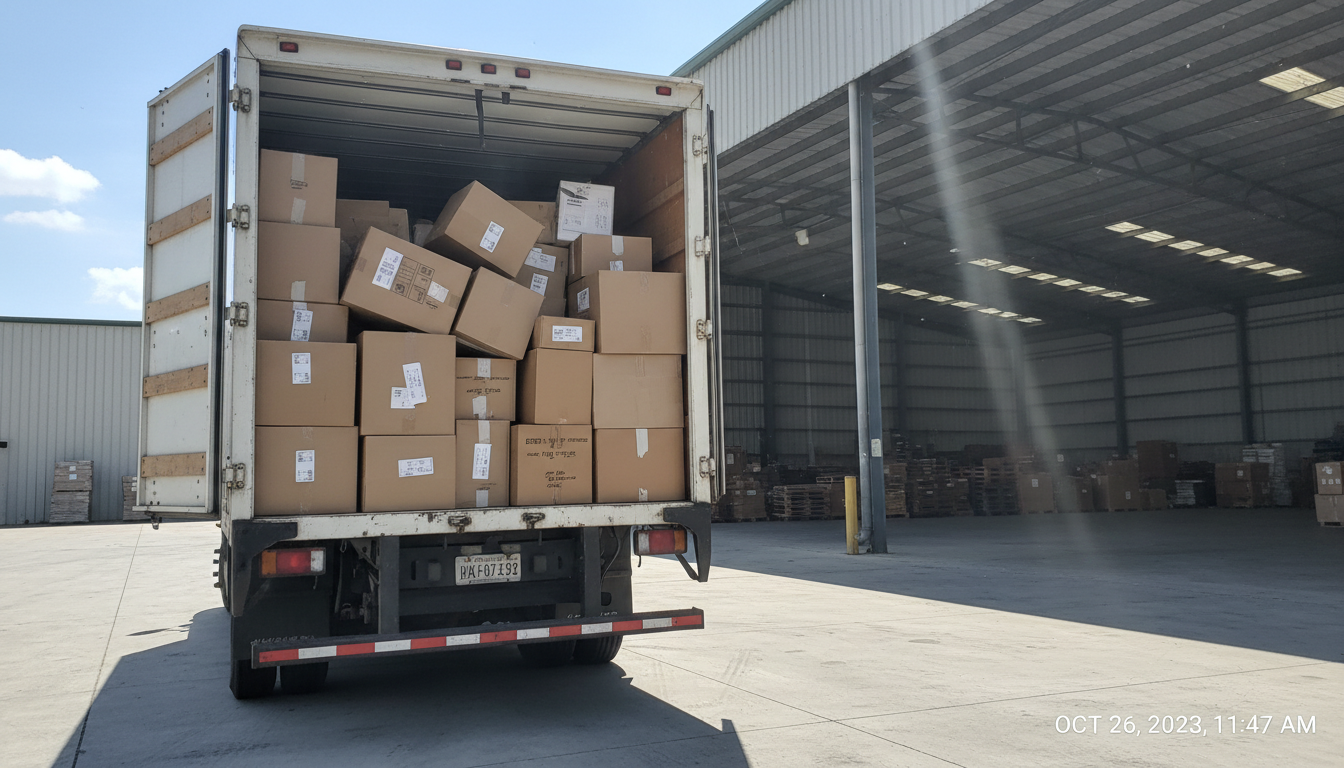
Is truckload freight shipping the secret weapon that Amazon FBA sellers have been overlooking? For those dealing with substantial inventory, this shipping method can transform logistics from a headache into a streamlined process. Truckload freight shipping, which involves transporting large quantities of goods directly to Amazon fulfillment centers, offers significant advantages in cost and efficiency. This blog post will demystify truckload freight shipping, revealing when it makes sense for sellers and how to leverage its benefits to optimize their import logistics chain.
Truckload Freight Shipping for Amazon FBA Made Simple
- Definition: Truckload freight shipping involves transporting large quantities of goods, typically exceeding 10,000 pounds, directly to Amazon fulfillment centers.
- Significance for Amazon Sellers:
- Cost Efficiency: Shipping in bulk reduces the cost per unit, making it a financially viable option for sellers with high-volume orders.
- Streamlined Logistics: Direct shipments to fulfillment centers minimize handling and transit times, enhancing overall efficiency.
- Simplified Planning: By consolidating shipments, sellers can better manage inventory levels and reduce the frequency of shipments.
- When It Makes Sense:
- High Volume Products: Ideal for sellers with large orders, as truckload shipping can accommodate significant quantities in one shipment.
- Long-Distance Deliveries: When shipping to fulfillment centers that are far away, truckload shipping often provides a more economical solution compared to other methods.
- Seasonal Peaks: During times of increased demand, such as holidays, truckload shipping allows sellers to stock up on inventory efficiently.
- Additional Considerations:
- Minimum Shipment Requirements: Sellers must ensure that their shipment meets the minimum weight and volume requirements for truckload shipping.
- Carrier Selection: Choosing a reliable carrier is crucial for timely deliveries and maintaining the integrity of the goods.
| Factors | Truckload Freight |
|---|---|
| Minimum Shipment Size | Typically over 10,000 pounds |
| Cost Efficiency | Lower cost per unit for large shipments |
| Speed | Faster delivery times due to direct routes |
| Flexibility | Less flexible with scheduling compared to LTL |
Benefits of Truckload Freight Shipping for Amazon FBA
- Cost Efficiency:
- Truckload freight shipping generally offers lower shipping costs per unit compared to other methods.
- Bulk shipments reduce transportation costs significantly, making it a financially viable choice for sellers with high-volume orders.
- Sellers can achieve better profit margins by minimizing logistics expenses.
- Faster Delivery Times:
- Direct routes to Amazon fulfillment centers expedite the shipping process, resulting in shorter transit times.
- Reduced handling and fewer stopovers mean that goods reach their destination more quickly, aligning with tight inventory management schedules.
- Fast deliveries support product launches and restocking, crucial for maintaining sales momentum on Amazon.
- Reduced Risk of Damage:
- Truckload shipments experience fewer handling points compared to Less Than Truckload (LTL) options, which minimizes the risk of damage during transportation.
- Goods remain in a single trailer from origin to destination, reducing the likelihood of mishandling.
- Enhanced cargo security leads to better product integrity, ensuring that items arrive at Amazon fulfillment centers in optimal condition.
| Benefit | Description |
|---|---|
| Cost Efficiency | Lower shipping costs per unit for bulk shipments. |
| Faster Delivery Times | Direct shipping routes minimize transit time to fulfillment centers. |
| Reduced Risk of Damage | Fewer handling points lead to lower chances of cargo damage. |
Drawbacks of Truckload Freight Shipping
- Minimum Shipment Requirements:
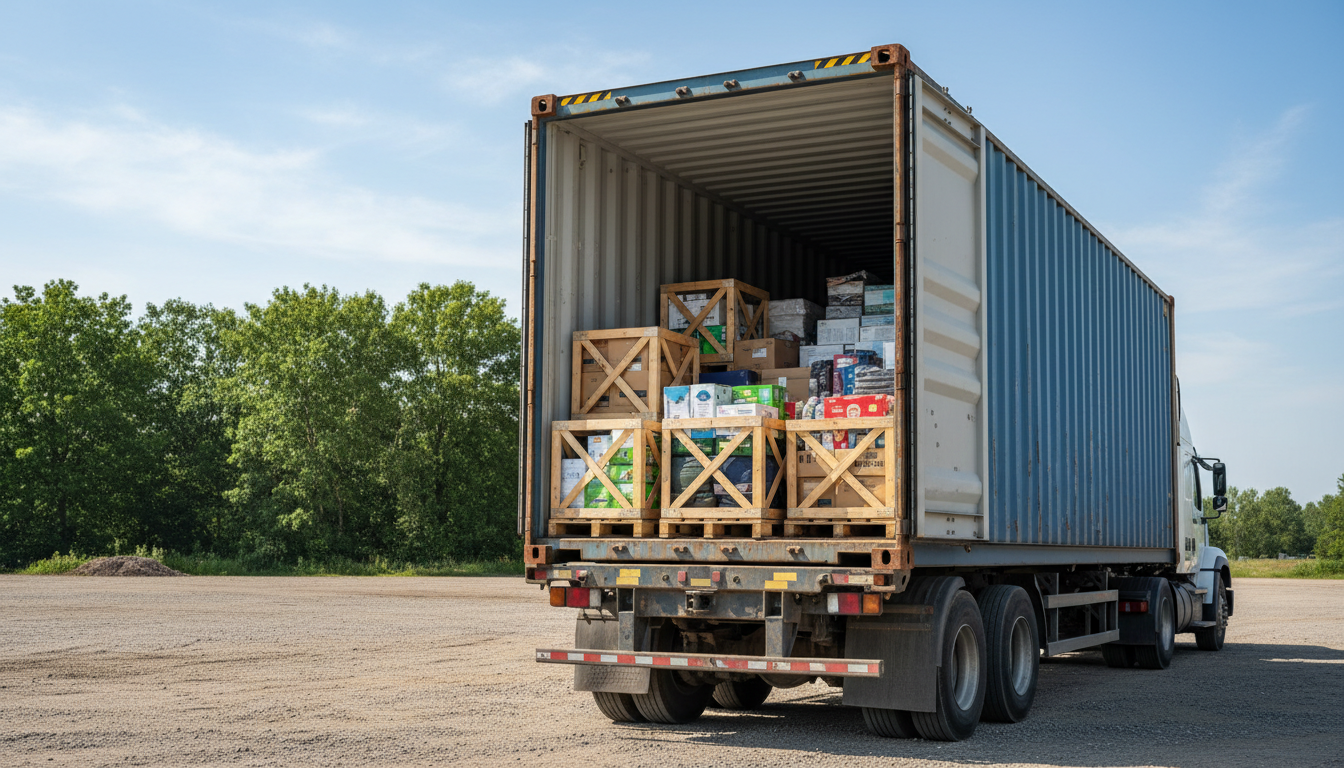
- Truckload freight shipping typically requires shipments to exceed 10,000 pounds.
- Sellers with smaller order quantities may find this method impractical, as they cannot meet the minimum weight threshold.
- Limited Flexibility:
- Once a truckload shipment is scheduled, it is less adaptable to changes in shipping plans.
- Sellers may face challenges if they need to adjust shipment timing due to inventory fluctuations or unexpected demand changes.
- The rigidity of truckload shipping can lead to missed opportunities for sellers needing quick inventory adjustments.
- Potential for Higher Upfront Costs:
- Initial costs for truckload shipping may be higher compared to alternatives like Less Than Truckload (LTL) shipping, especially for smaller shipments.
- Sellers must assess their overall shipping strategy to ensure that the cost benefits of lower per-unit shipping do not outweigh the higher upfront expenses.
- For new or small-scale sellers, the financial burden of a full truckload shipment might not be justifiable, leading to potential cash flow issues.
| Drawback | Description |
|---|---|
| Minimum Shipment Requirements | Requires shipments over 10,000 pounds, limiting options for smaller orders. |
| Limited Flexibility | Less adaptable to changes, posing challenges for urgent inventory adjustments. |
| Higher Upfront Costs | Initial costs may exceed those of LTL shipping, impacting cash flow for smaller sellers. |
When Truckload Freight Shipping Makes Sense
- Volume of Goods:
- Truckload freight shipping is most beneficial for large shipments, typically exceeding 10,000 pounds.
- Sellers with high-volume inventory can significantly reduce their shipping costs per unit by opting for truckload shipping.
- This method is ideal for products that have a consistent sales velocity, allowing sellers to stock up efficiently.
- Distance to Fulfillment Centers:
- For shipments that are traveling long distances, truckload shipping often provides a more economical solution compared to other methods, such as Less Than Truckload (LTL) or air freight.
- Truckload shipments minimize transit times and handling, making them suitable for deliveries to fulfillment centers located far from the supplier’s origin.
- Sellers can optimize their logistics strategy by leveraging truckload shipping for routes that incur high transportation costs.
- Seasonal Demand Variability:
- During peak seasons, such as holidays or promotional events, truckload shipping allows sellers to deliver bulk quantities of products efficiently.
- This method supports the need to maintain higher inventory levels to meet increased consumer demand without incurring additional shipping costs.
- Seasonal products, requiring timely and large-scale deliveries, can benefit immensely from the predictability and capacity of truckload freight.
| Scenario | Advantage of Truckload Shipping |
|---|---|
| Volume of Goods | Lower cost per unit for shipments over 10,000 pounds |
| Distance to Fulfillment Centers | Minimized costs for long-distance deliveries |
| Seasonal Demand | Efficient bulk delivery for high-demand periods |
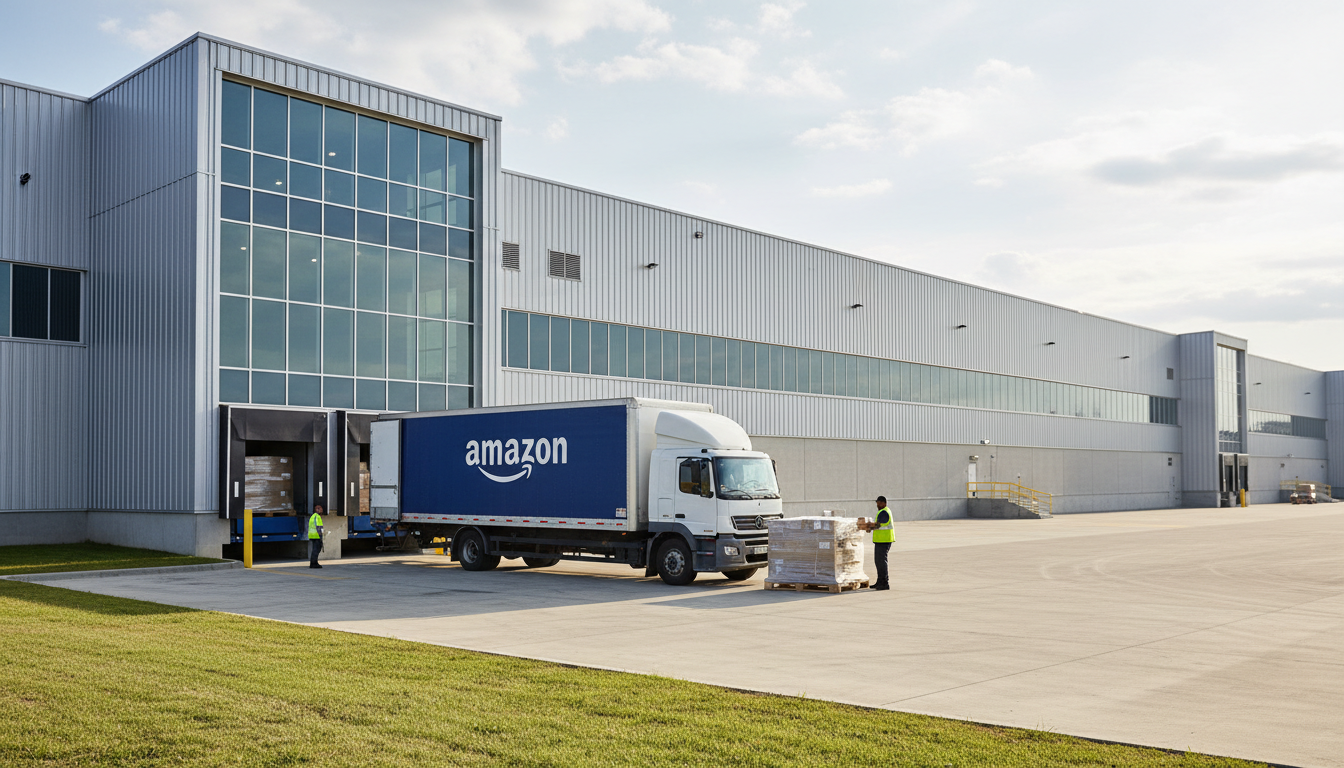
Cost Comparisons with Other Shipping Methods
- Less Than Truckload (LTL) vs. Truckload:
- LTL shipping is suitable for smaller shipments that do not meet the minimum requirements for truckload shipping.
- Cost per unit for LTL can be higher due to shared truck space with other shipments, leading to additional handling and transit times.
- For sellers with large volumes, truckload shipping provides significant cost savings, as it allows for bulk transport directly to fulfillment centers.
- Air Freight vs. Truckload:
- Air freight offers the fastest shipping option, ideal for urgent deliveries; however, it comes at a premium cost.
- Truckload freight is generally more cost-effective for larger shipments, especially for distance deliveries that don’t require immediate arrival.
- While air freight can reduce lead times significantly, sellers must weigh the higher costs against their inventory management strategies and cash flow needs.
- International Shipping Considerations:
- When shipping internationally, truckload options can be advantageous for large shipments, reducing duties and tariffs through consolidated loads.
- Sellers should consider customs clearance costs and potential delays associated with LTL options, which may require more documentation and handling.
- Truckload shipping simplifies the logistics of cross-border shipments, as it reduces the complexity of managing multiple smaller shipments through different carriers.
| Shipping Method | Cost Efficiency | Speed | Best For |
|---|---|---|---|
| Truckload | Low cost per unit for large volumes | Moderate speed; longer than air freight | High-volume shipments |
| LTL | Higher cost per unit; shared space | Slower; multiple stops may increase transit time | Small shipments |
| Air Freight | High cost; best for urgent needs | Fastest delivery option | Urgent deliveries |
When Truckload Freight Shipping Makes Sense
- High Volume Products:
- Truckload freight shipping is ideal for sellers dealing with large quantities of goods, typically exceeding 10,000 pounds.
- This method is particularly advantageous for bulk orders, enabling sellers to maximize cost efficiency by reducing the shipping cost per unit.
- Long-Distance Deliveries:
- When shipping to fulfillment centers that are far away, truckload shipping often provides a more economical solution compared to other shipping methods.
- The cost-effectiveness of truckload shipping is enhanced when distance is a factor, as it reduces the need for multiple shipments over time.
- Seasonal Demand Variability:
- During peak seasons, such as holidays or major sales events, truckload shipping allows sellers to stock up on inventory in anticipation of increased demand.
- By planning shipments strategically, sellers can ensure they have sufficient stock to meet customer needs without risking stockouts.
- Reduced Risk of Damage:
- Fewer handling points in truckload shipping minimize the chances of damage during transit.
- This is particularly important for fragile or high-value items, as it helps maintain product integrity and reduces potential losses.
- Cost Optimization:
- Sellers should conduct a cost analysis comparing truckload freight with other options like Less Than Truckload (LTL) or air freight to determine the best approach for their specific needs.
- Utilizing truckload shipping can lead to significant savings when shipping large volumes, making it a smart choice for many Amazon FBA operations.
| Scenario | Truckload Freight Advantages |
|---|---|
| High Volume Orders | Lower cost per unit, efficient bulk shipping |
| Long-Distance Shipping | Economical solution for distant fulfillment centers |
| Seasonal Peaks | Ability to stockpile inventory before demand surges |
| Fragile Goods | Reduced handling minimizes damage risks |
When Truckload Freight Shipping Makes Sense
- High Volume Products:
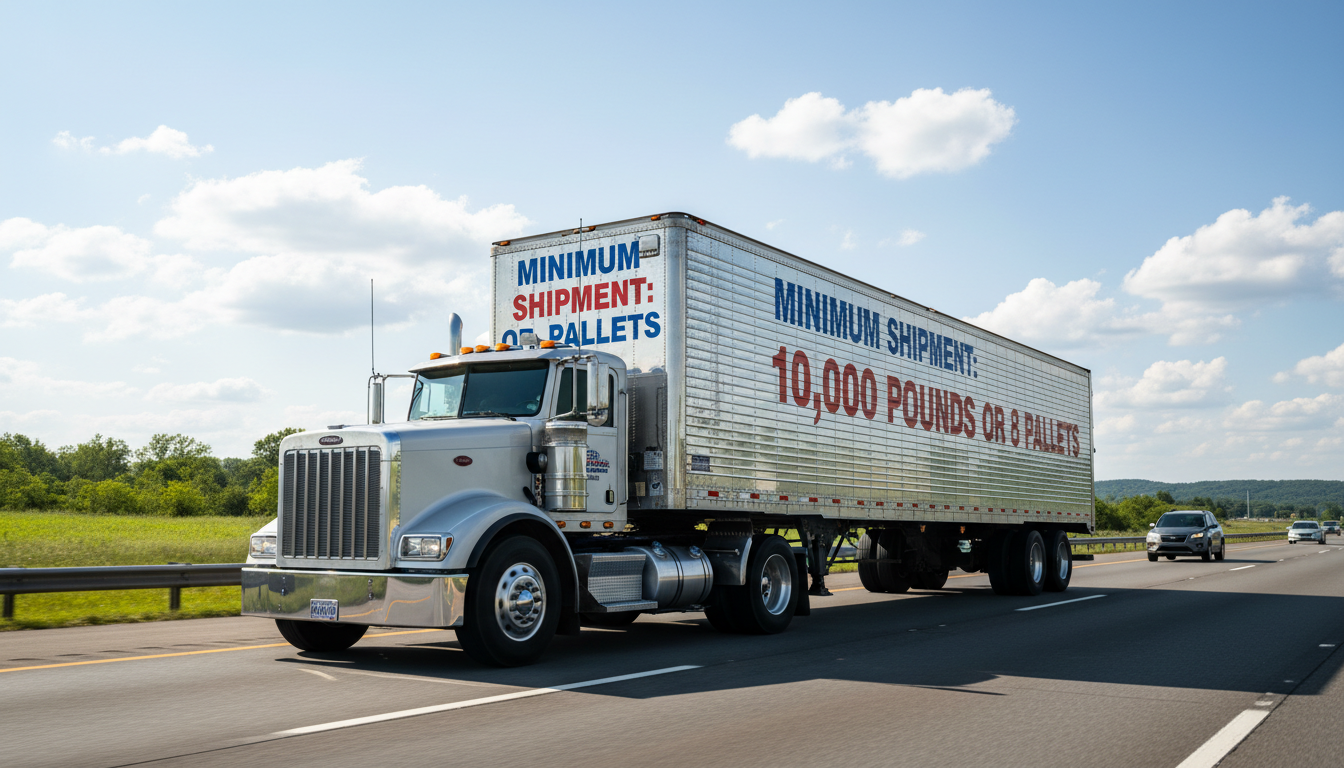
- Truckload freight shipping is ideal for Amazon sellers with large orders, typically exceeding 10,000 pounds.
- Sellers dealing with high-demand items, such as electronics or household goods, find it beneficial to ship in bulk, ensuring they maintain inventory levels during peak seasons.
- Long-Distance Deliveries:
- For sellers located far from Amazon fulfillment centers, truckload shipping often provides a more economical and efficient solution.
- It reduces the cost per unit, as the shipping rates typically decrease with larger volumes, making it practical for cross-country shipments.
- Seasonal Demand Variability:
- During periods of increased demand, such as holidays or special sales events, truckload shipping allows sellers to stock up on inventory efficiently.
- This method helps sellers avoid stockouts and ensures they can meet customer demand without delay.
- Cost-Effective for Bulk Orders:
- Sellers planning to send large quantities of products can leverage truckload freight to minimize shipping costs.
- The cost-per-unit decreases significantly with higher volumes, making it a financially sensible option when compared to other shipping methods like Less Than Truckload (LTL).
- Logistical Simplicity:
- Truckload shipping simplifies logistics by providing direct routes to fulfillment centers, reducing handling and transit times.
- This streamlined process helps sellers manage their inventory more effectively and respond quickly to market changes.
- Planning and Scheduling:
- Successful implementation requires careful planning and scheduling to align shipments with inventory needs.
- Sellers should work closely with reliable carriers to ensure timely deliveries and maintain product integrity.
| Scenario | Benefits of Truckload Shipping |
|---|---|
| High Volume Orders | Cost-effective, bulk shipping reduces per-unit cost. |
| Long-Distance Deliveries | Economical for cross-country shipments, faster delivery times. |
| Seasonal Demand | Efficient inventory stocking during peak sales periods. |
| Logistical Simplicity | Direct routes minimize handling, enhancing delivery speed. |
Final Words
Final Words
Understanding truckload freight shipping for Amazon FBA is crucial for optimizing logistics. This article explored its benefits, such as cost efficiency and faster delivery times, alongside potential drawbacks like minimum shipment requirements.
Identifying scenarios where truckload makes sense, such as high-volume goods and seasonal demands, empowers sellers to make informed decisions. Cost comparisons with other shipping methods further clarify its financial implications.
By implementing practical strategies and learning from real-world examples, sellers can navigate the complexities of logistics effectively. Embracing truckload freight shipping for Amazon FBA: When It Makes Sense can significantly enhance operational efficiency.
FAQ
Q: What is truckload freight shipping for Amazon FBA?
A: Truckload freight shipping involves transporting large quantities of goods, typically over 10,000 pounds, directly to Amazon fulfillment centers, offering significant cost savings and efficiency for sellers.
Q: What are the benefits of truckload freight shipping for Amazon sellers?
A: Key benefits include lower shipping costs per unit, faster delivery times due to direct routes, and reduced risk of damage from fewer handling points.
Q: What are the drawbacks of truckload freight shipping?
A: Drawbacks include minimum shipment requirements over 10,000 pounds, limited flexibility in scheduling, and potentially higher upfront costs compared to methods like Less Than Truckload (LTL).
Q: When should Amazon sellers consider truckload freight shipping?
A: Truckload shipping is advantageous for large shipments exceeding 10,000 pounds, long-distance deliveries, and seasonal demand variability requiring bulk delivery.
Q: How does truckload freight shipping compare to other methods?
A: Truckload shipping is often more cost-effective than LTL for large volumes, but may be less suitable than air freight for urgent deliveries; international shipping has unique considerations.
Q: What practical tips can enhance truckload freight shipping for Amazon sellers?
A: Sellers should choose reliable carriers, effectively plan shipment schedules, and utilize technology for real-time tracking and management of shipments.
Q: Are there any case studies of successful truckload freight shipping?
A: Yes, various Amazon sellers have successfully implemented truckload shipping, providing valuable lessons and strategies that led to improved logistics and operational outcomes.
Ready to Optimize Your Amazon Shipping?
Get 3 route options tailored to your products and timeline
Get Your Quote→