What Does FOB Mean in Shipping? A Complete Guide
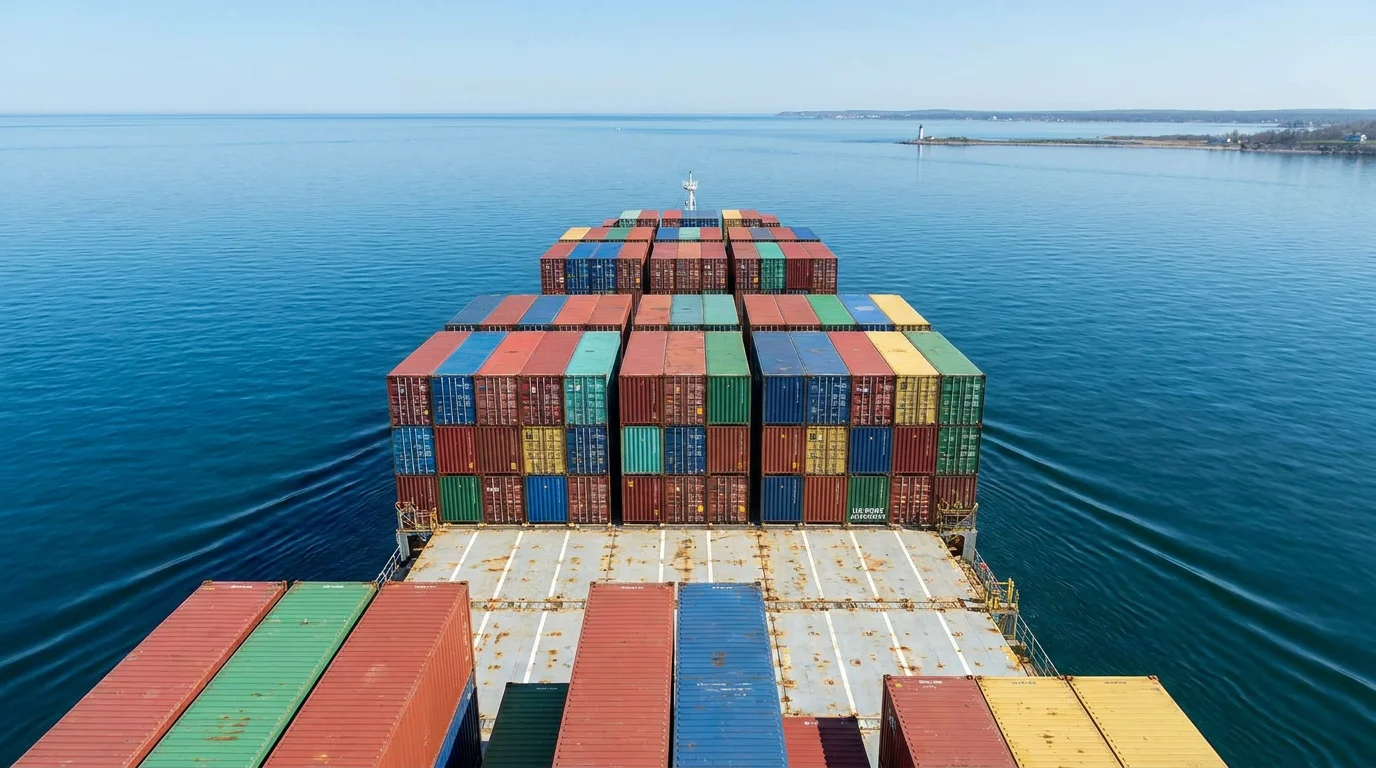
Summary: FOB (Free On Board) defines where shipping cost and risk transfer from seller to buyer, making it the most widely used Incoterm for ocean freight.
If you have ever imported goods from overseas, you have almost certainly encountered the acronym FOB on an invoice or purchase order. Understanding what FOB means in shipping is not optional; it determines who pays for freight, who bears the risk of loss, and at what precise moment liability shifts from seller to buyer. For a deeper introduction, see our guide on what FOB stands for. Misreading these three letters can lead to unexpected costs, uninsured cargo, and costly disputes.
Whether you are a first-time importer or an experienced e-commerce seller shipping products from China to the US, this article breaks down every dimension of FOB: its formal definition under Incoterms, how it works in domestic and international contexts, how it compares to other trade terms, and how to use it to protect your margins. The question “what does fob mean” is one of the most common queries in global trade, and the answer is more nuanced than most people expect.
FOB Defined: Free On Board in Plain Language
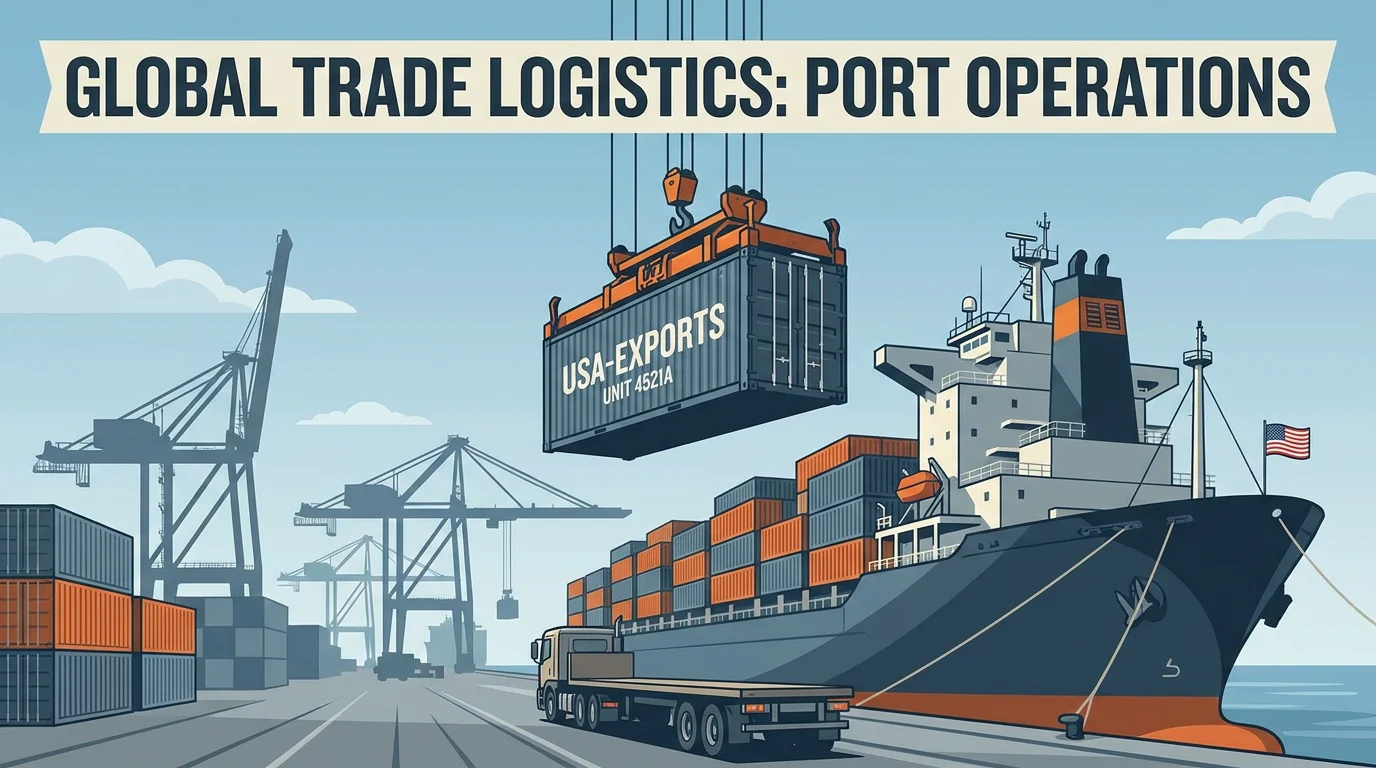
FOB stands for Free On Board, and it is an Incoterms 2020 rule specifically designed for sea and inland waterway shipping. Under this standard, the seller fulfills their obligation when the goods are loaded onto the vessel nominated by the buyer at the named port of shipment, and at that precise moment the risk transfers from seller to buyer.
In practical terms, the seller handles everything up to the moment the cargo is safely on board the ship: factory production, inland transport to the port, export customs clearance, and loading. Once the goods cross the vessel’s rail, the buyer assumes responsibility for ocean freight, insurance, unloading, and final delivery.
As with all Incoterms, FOB does not define the point at which ownership of the goods is transferred. Ownership is governed by the sales contract and the bill of lading, not the Incoterm itself. This distinction matters because risk of loss and legal title can shift at different moments depending on the contract language.
How the International Chamber of Commerce Governs FOB
Incoterms were created by the International Chamber of Commerce (ICC) in 1936, with the main goal of helping all parties be clear about deal terms for shipping goods and avoid conflicts or legal disputes. Incoterms 2020 is the current version as of 2026, and it includes 11 standardized rules. FOB is one of four rules that apply exclusively to sea and inland waterway transport.
The ICC typically revises these rules on a decennial basis. The Incoterms 2020 rules remain the current and effective standard governing international trade terms, and no subsequent version has been issued. For sellers and buyers operating in 2026, this means FOB continues to follow the 2020 framework. You can learn more about recent adjustments in our resource on FOB Incoterms 2026.
FOB Shipping Point vs FOB Destination: Key Differences
While the international Incoterms definition of FOB always references a named port, the term FOB is also used in modern domestic shipping within North America to describe the point at which a seller is no longer responsible for shipping costs. This creates two distinct domestic variants that US businesses encounter regularly.
FOB Shipping Point (also called FOB Origin) means the buyer takes ownership and assumes liability the moment the carrier picks up the goods at the seller’s location. The buyer pays all freight charges and bears the risk of damage or loss during transit.
FOB Destination means the seller retains ownership and liability until the goods arrive at the buyer’s location. The seller typically pays freight charges and is responsible for filing any claims if goods are damaged en route.
Each of these variants can be paired with “freight collect” or “freight prepaid,” creating four possible combinations:
| FOB Term | Risk Transfers At | Who Pays Freight |
|---|---|---|
| FOB Origin, Freight Collect | Seller’s dock | Buyer |
| FOB Origin, Freight Prepaid | Seller’s dock | Seller |
| FOB Destination, Freight Collect | Buyer’s dock | Buyer |
| FOB Destination, Freight Prepaid | Buyer’s dock | Seller |
Understanding these distinctions is critical for US importers and Amazon FBA sellers who must plan insurance coverage and budget accurately. For a side-by-side analysis, consult our breakdown of FOB shipping point vs FOB destination.
Why FOB Dominates Ocean Freight from China
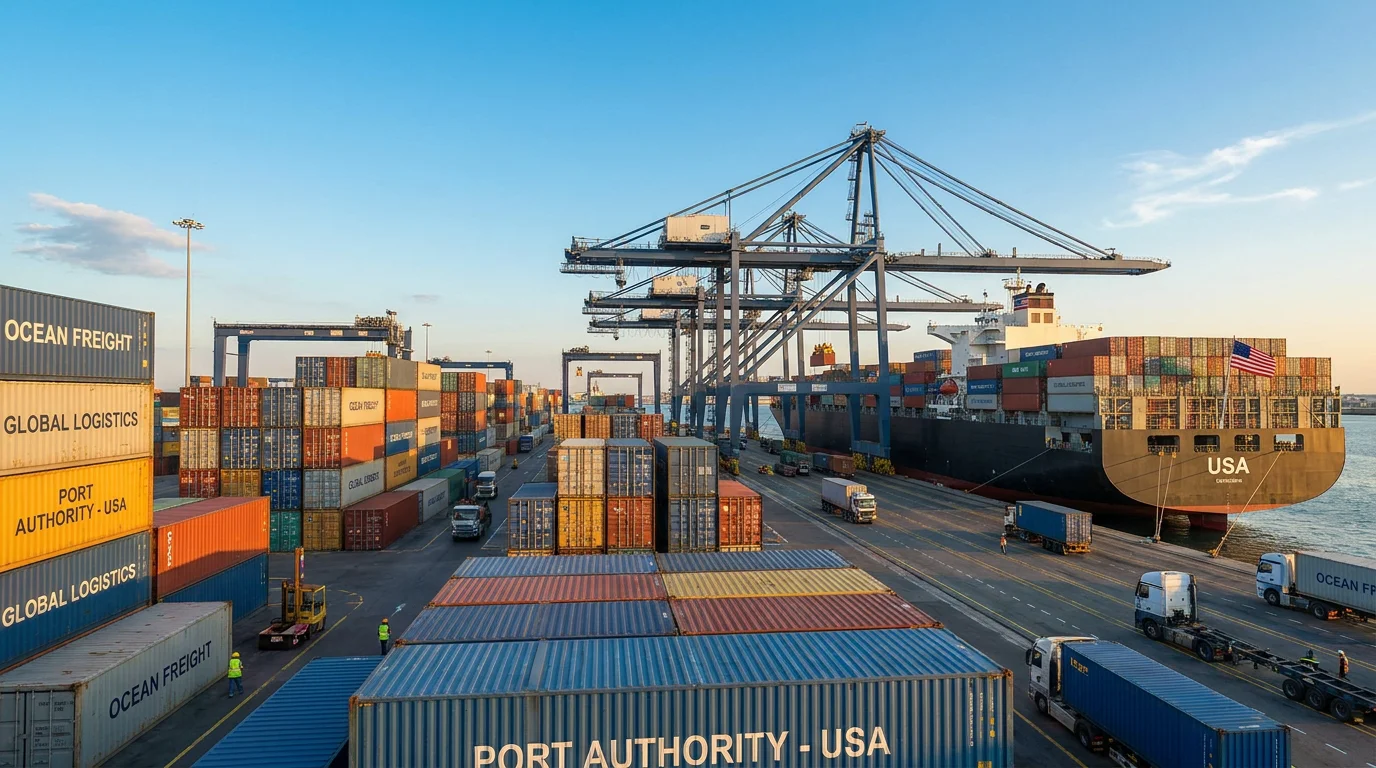
FOB is the most common Incoterm for ocean shipments between independent seller and buyer parties. The vast majority of quotes you will receive from sellers in China will be under FOB Incoterms. There is a straightforward reason for this dominance: FOB gives the buyer maximum control over ocean freight selection, insurance, and routing without the complexity of managing factory-to-port logistics in a foreign country.
If you look at a quotation, you will usually see the unit price, FOB as the Incoterm, and a Chinese city (the shipping point), with the unit price indicating the cost of the products plus all expenses associated with the Incoterm. For example, a quote reading “FOB Shenzhen” tells you the supplier will deliver goods to the port of Shenzhen, loaded on the vessel, at the stated price. Everything beyond that point is your responsibility.
This arrangement benefits buyers who work with a reliable freight forwarder. By choosing your own shipping partner, you can negotiate better ocean rates, select faster routes, and maintain full visibility over your supply chain from port to Amazon warehouse.
FOB vs CIF vs DDP: Choosing the Right Incoterm
FOB is not the only option available. Two other Incoterms frequently appear in import transactions: CIF (Cost, Insurance, and Freight) and DDP (Delivered Duty Paid). The right choice depends on your risk tolerance, experience level, and budget structure.
| Criteria | FOB | CIF | DDP | QG Horizon (DDP Service) |
|---|---|---|---|---|
| Seller’s responsibility ends at | Origin port (on board) | Destination port | Buyer’s door | Amazon warehouse door |
| Buyer controls ocean freight | Yes | No | No | Managed for you |
| Duties and taxes included | No | No | Yes | Yes (all-inclusive rate) |
| Risk of surprise charges | Moderate | Moderate | Low | Low (fixed quote) |
| Best for | Experienced importers | Occasional importers | Hands-off importers | Amazon FBA sellers |
For a more detailed comparison, review our guide on FOB vs CIF vs DDP. If you are an Amazon FBA seller who values price certainty and simplified logistics, a DDP arrangement with a specialized forwarder often eliminates the guesswork that comes with managing an FOB shipment on your own.
What FOB Covers in the Seller’s Price
When a supplier quotes you an FOB price, it is essential to know exactly what is included and what is not. Under FOB terms, the seller bears all costs and risks until the goods pass the ship’s rail at the origin port, including the invoice price of the goods, inland freight to the port, export customs clearance, packaging, and loading charges.
The buyer then assumes responsibility for the following costs:
- Ocean freight from origin port to destination port
- Marine cargo insurance (optional but strongly recommended)
- Unloading and terminal handling at the destination port
- Import customs clearance, duties, and taxes
- Inland transportation from the destination port to the final delivery address
For US importers, these additional costs can represent 15 to 40 percent of the total landed cost, depending on product weight, volume, and applicable tariff rates. Failing to account for them when evaluating an FOB quote is one of the most common budgeting errors new importers make.
Common FOB Mistakes and How to Avoid Them
Even experienced importers sometimes stumble on FOB terms. Here are the errors that appear most often in practice.
Confusing international FOB with domestic FOB
As noted by the Wikipedia entry on FOB shipping, domestic North American usage of FOB differs significantly from the Incoterms standard. In international trade, FOB always references a named port. In the US, it can reference any location (a factory, a warehouse, a city). Mixing the two in a single contract can create dangerous ambiguity about when risk transfers.
Assuming FOB transfers ownership
Ownership of a cargo is independent of Incoterms, which relate to delivery and risk. Title transfer is determined by the sales contract and the bill of lading. Do not assume that because you bear the risk under FOB, you automatically own the goods.
Neglecting insurance on the ocean leg
Under FOB, the buyer bears all risk once the goods are loaded on board. If you do not purchase marine cargo insurance, any damage or loss during the ocean crossing comes entirely out of your pocket. For high-value shipments, this is a risk that no prudent business should accept.
Using FOB for containerized cargo without clarification
FOB is technically only used in non-containerized sea freight or inland waterway transport. In practice, FOB remains widely used for containerized shipments, but the ICC recommends FCA (Free Carrier) as a more precise alternative for container trade. If you use FOB for containers, ensure your contract specifies the exact point of risk transfer clearly.
How FOB Affects Your Bottom Line as a US Importer
Choosing FOB gives you leverage. You select the carrier, negotiate the rate, and decide on insurance coverage. For businesses shipping regularly from China, this control translates into measurable savings. According to GoFreight’s 2026 guide on FOB, for sea freight between independent parties, FOB remains the default choice in 2026.
However, that control comes with responsibility. You must coordinate with a freight forwarder, manage documentation, track the shipment, and handle customs clearance at the US port of entry. For Amazon FBA sellers juggling inventory timelines and marketplace deadlines, this overhead can be significant.
This is precisely where working with a specialized freight partner makes a difference. A forwarder focused on Amazon FBA shipments from China can handle the entire post-FOB journey, from ocean booking to customs clearance to last-mile delivery into Amazon warehouses, while keeping you informed at every stage.
In summary, the meaning of FOB in shipping extends far beyond a three-letter acronym. It defines the financial and legal architecture of every ocean freight transaction. Whether you opt for FOB to maintain control or prefer a DDP arrangement for simplicity, the key is understanding exactly where your responsibility begins and ends. A single misunderstanding can result in thousands of dollars in unbudgeted charges, uninsured losses, or customs delays. Armed with the knowledge in this guide, you are positioned to negotiate better terms, protect your cargo, and keep your landed costs predictable. As noted by Freightos, international trade is complex, but standardized terms like FOB exist to reduce that complexity.
If you are an Amazon FBA seller looking for an all-inclusive shipping solution from China, we offer DDP service with duties and taxes included, real-time tracking, and a single point of contact from factory to warehouse. Explore our FOB essentials guide for FBA newcomers and request a free quote to see how we can simplify your next shipment.
Frequently Asked Questions
Does FOB mean the seller pays for shipping?
Not entirely. Under FOB, the seller pays for all costs up to and including loading the goods onto the vessel at the origin port. The buyer pays for ocean freight, insurance, and all costs from that point onward. The exact split depends on whether you are using international Incoterms or domestic US FOB terms.
Is FOB the best Incoterm for Amazon FBA sellers?
FOB is a strong choice for sellers who want control over their freight costs and carrier selection. However, many FBA sellers prefer DDP for its price certainty and simplicity. QG Horizon offers a DDP service that bundles duties, taxes, and delivery to Amazon warehouses into one transparent quote, removing the complexity of managing post-FOB logistics independently.
What is the difference between FOB and FCA?
FOB applies exclusively to sea and inland waterway transport, with risk transferring when goods are loaded on board the vessel. FCA (Free Carrier) can be used for any mode of transport, including air and road, and risk transfers when goods are handed to the carrier at the named place. For containerized shipments, FCA is technically the more precise term.
Ready to Optimize Your Amazon Shipping?
Get 3 route options tailored to your products and timeline
Get Your Quote→